phys psych lab exam 2
 Call Kai
 Learn
 Practice Test
 Spaced Repetition
 Match
 Flashcards
 Knowt Play
1/74

There's no tags or description
Looks like no tags are added yet.
75 Terms
anterior commissure

anterior medullary velium

arbor vitae

area postrema

basis pedunculi

central canal of spinal cord

cerebral peduncle

cerebral aqueduct

cingulate sulcus

cingulate gyrus

fissure prima

genu of corpus callosum

fourth ventricle

fornix

habenular nucleus

hypothalamus
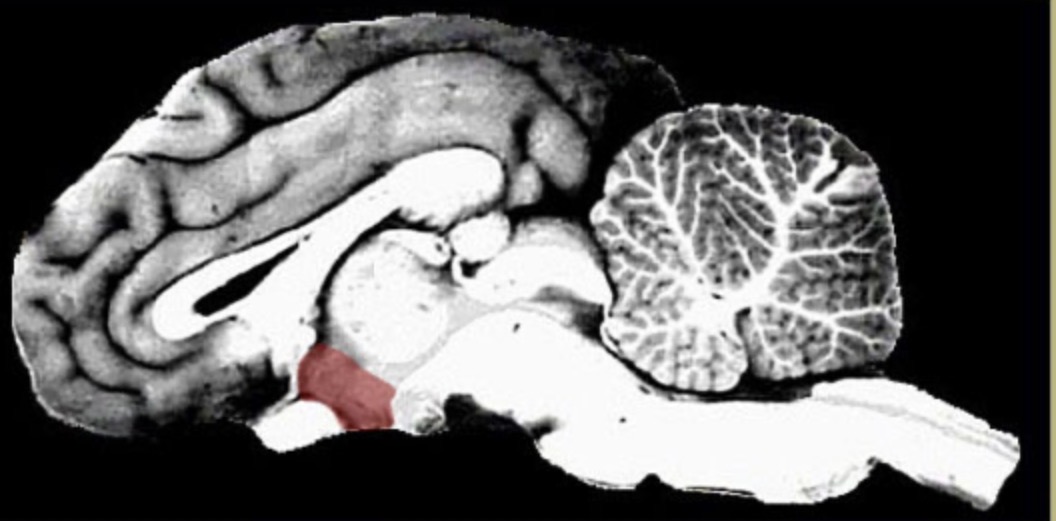
lateral ventricle

mammilary body

nodule

optic chiasm

pineal body

posterior commissure

rostrum of corpus callosum
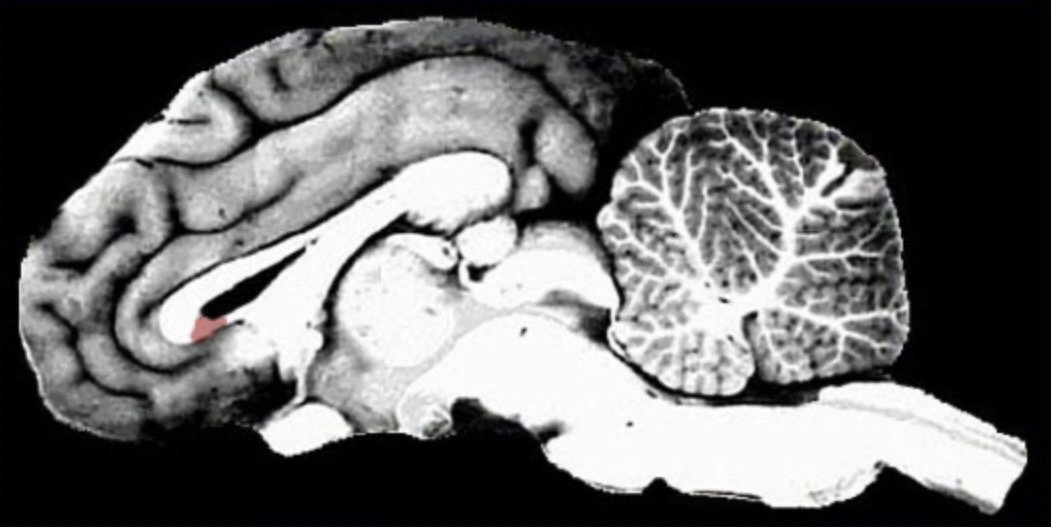
splenium of corpus callosum

superior colliculus

third ventricle

tegmentum

thalamus

inferior colliculus

tectum

corpus callosum

caudate nuclei

arbor vitae

cingulate gyrus

claustrum

corpus cerebelli

external capsule

extreme capsule

fimbria

fissure prima

fornix

genu of corpus callosum

habenular nuclei
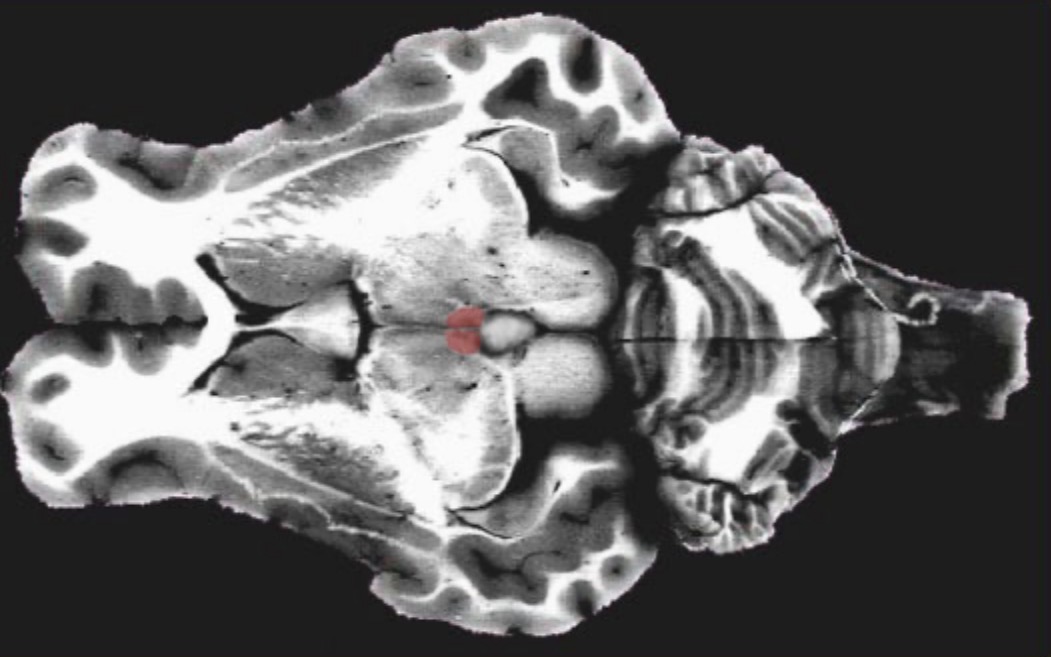
hippocampus

internal capsule

lentiform nuclei

longitudinal fissure
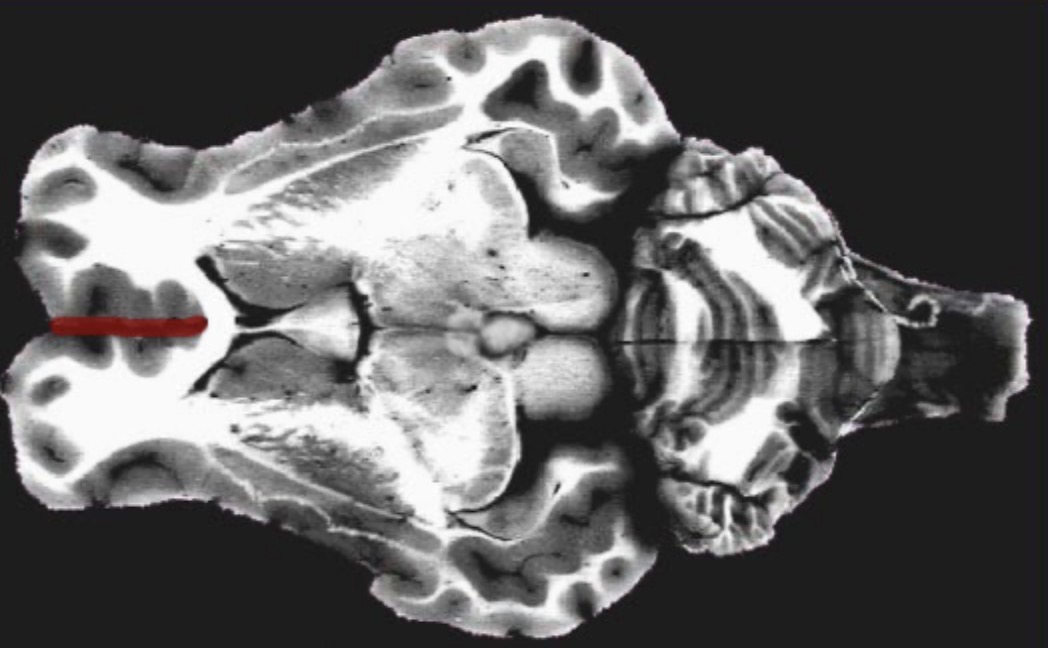
lateral ventricle

pineal body

septum pellucidum

superior colliculi

thalamus

third ventricle

optic tract

mesencephalon
midbrain
tectum
superior & inferior colliculi
tegmentum
connect info passing from spinal cord to forebrain
contains neurons contributing to sensation control of movement
some sensory integration before thalamus
rhombencephalon
hindbrain
most cranial nerves enter/exit brain via
metencephalon
subdivision of rhombencephalon
cerebellum
pons
myelencephalon
subdivision of rhombencephalon
medulla
first very basic sensory processing
autonomic control
breathing
heart rate
BP
vomiting
sneezing
basal ganglia
collection of nuclei involved in movement control, learning, patterned behavior
works w cerebellum to form information loops from cortex and back via thalamus
group of structures:
striatum
pallidum
subthalamic nucleus
substantia nigra
striatum
of basal ganglia
caudate nucleus & putamen
pallidum
globus pallidus
movement connectivity
basal ganglia → thalamus → cortex = movement
cortex projects back to basal ganglia
huntington’s disease
profound loss of neurons in caudate nucleus, putamen, and globus pallidus; enlarged ventricles
too little inhibition on thalamus → too much excitation of cortex
unwanted movement
chorea—involuntary movement, writhing, tremors, disorder of personality
genetic, progressive, lethal disease
adulthood-onset
parkinson’s disease
profound loss of neurons in substantia nigra
dopaminergic portion that talks to other parts of BG
too much inhibition on thalamus → too little excitation of cortex
difficulty initiating movement, resting tremor, stiffness, shuffling gait
no single cause
thalamus
relay station for sensory input
regulates sleep, arousal, alertness, lvl of consciousness
fornix
axon bundle containing hippocampal efferents
bridges hippocampus and mammillary bodies and hypothalamus
pineal gland
endocrine gland important in seasonal cycles of animals
secretes melatonin used in circadian rhythms
in humans
superior colliculus
visual reflexes
body space, head and eye orientation
inferior colliculus
auditory reflexes
sound space
csf
colorless fluid, consistency similar to water
glucose, salts, specialized ptns
constantly replaced, old absorbed into circulatory system as new is made
buoyancy, protection, nutrients, intracranial pressure, waste removal
lateral ventricle
located in telencephalon
anterior horn
body
posterior horn
inferior horn
connects to 3rd thru intraventricular foramen
third ventricle
located in diencephalon
partly surrounds thalamus
connects rostrally w lateral ventricles
narrows caudally, forming cerebral aqueduct
connects 3rd and 4th
fourth ventricle
between brainstem and cerebellum in metencephalon
rostral end connected to cerebral aqueduct
caudal end continues as central canal of spinal cord
or goes to subarachnoid space via foramen of luschka & magendie
hydrocephalus
mostly infants
ventricular blockage or impaired csf reabsorption
csf keeps getting produced
as pressure of csf inc, skull is pushed apart and head becomes very large
treatment is tube inserted into lateral ventricle and drains into body
circumventricular organs
locations where BBB is incomplete
brain can sample aspects of periphery
most near 3rd ventricle and hypothalamus
area postrema—induces vomiting