Unit 3 of AP Human Geography
 Call Kai
 Learn
 Practice Test
 Spaced Repetition
 Match
 Flashcards
 Knowt Play
1/34

There's no tags or description
Looks like no tags are added yet.
35 Terms

Culture
the customs, arts, social institutions, and achievements of a particular nation, people, or other social group.
Cultural Traits
the traits that make up a culture

cultural hearths
Where a culture comes from


taboo
a behavior that is discouraged or looked down upon


cultural landscapes
an area where human activity has affected it through culture

artifacts
physical objects that are part of a culture


sociofacts
ideas, laws, and practices that influence social behavior within a culture.
mentifacts
the intangible elements of a culture, such as beliefs, values, and language.


placelessness
a placelacking unique cultural or environmental characteristics.
ethnic enclaves
areas within a nation that are comprised of people of similar ethnicity, with their respective cultures and tradition

sequent occupancy
The series of cultural landscapes left behind by different groups who have occupied and changed the same area over time.
cultural realms
Large regions of the world where people share a common culture, such as similar languages, religions, and traditions.

centripetal forces
a group of people which unite people and bring support for their nation

centrifugal forces
a group of people which divide people and pull a nation apart
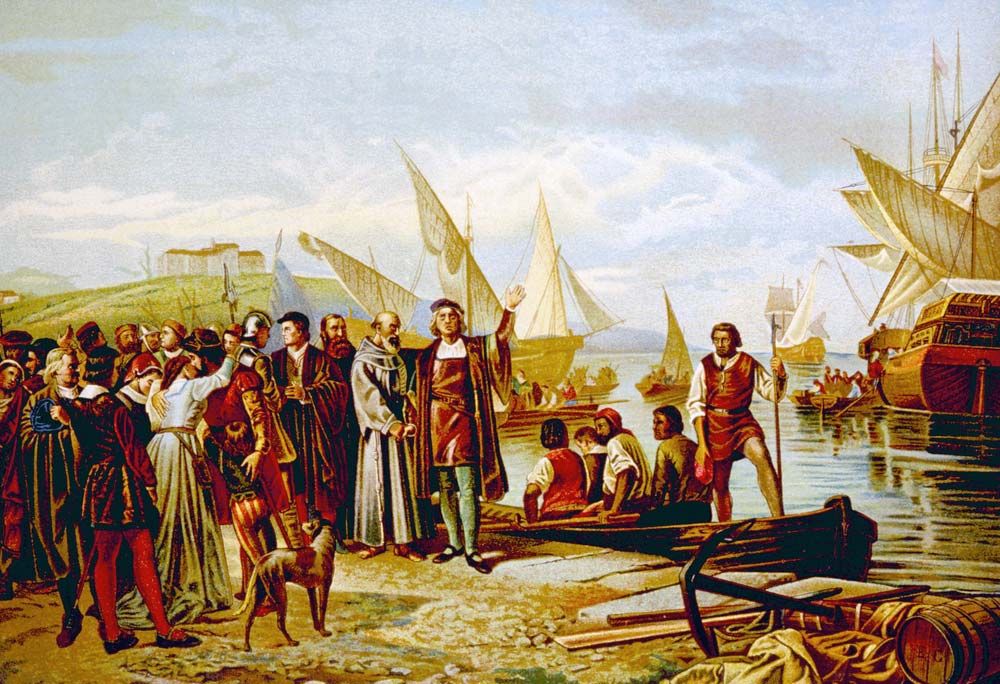
charter group
the first group to establish a cultural and religious presence within a area

animism
the belief that inanimate objects and natural events have a soul


contagious diffusion
diffusion where one person spreads an idea or innovation to multiple people and then those people spread it to multiple people until it uniformly affects all individuals and areas outward from the source.
Creole
A language that results from the mixing of the colonizer’s language with the indigenous language of the people they colonized.
Cultural Convergence
When two cultures
become more similar
the more that they
interact.
Cultural Divergence
When members of a culture become less like other group members over time.

Cultural Relativism
The principle that an person's beliefs and actions should be understood by others through the lens of that individual’s own culture rather than another culture.
Custom
The frequent repetition of an act, to the extent that it becomes a characteristic of the group of people performing it.

Dialect
A regional variation of a language distinguished by distinctive vocabulary, pronunciation, and spelling.

Diaspora
When people of one group are dispersed to various locations but still maintain their heritage in their new land.

Diffusion
The process by which an innovation or idea spreads from one place to another over time. Types include expansion, contagious hierarchical, stimulus, and relocation.
Distance decay
The idea that the interaction between two places decreases as the distance between them increases.
Environmental Determinism
The belief that the physical environment actively shapes culture.

Ethnicity
Identity of a group of people who share the cultural traditions of a particular homeland.

Ethnic Religion
Religions that primarily appeal to one group of people living in a particular place.

Ethnocentrism
The belief that one’s own culture or ethnic group is superior to others; judging other groups through the lens of one’s own culture.
Language Group
A collection of languages within a branch that share a common origin in the relatively recent past and display many similarities in grammar and vocabulary.

Romance Languages
A group of related languages derived from Vulgar Latin
