Portosystemic Shunts
 Call Kai
 Learn
Learn Practice Test
 Spaced Repetition
 Match
Match Flashcards
 Knowt Play
1/15

Earn XP
Description and Tags
A set of vocabulary flashcards covering the pathophysiology, clinical signs, diagnostics, and surgical treatments of portosystemic shunts in veterinary medicine.
16 Terms

Portosystemic Shunts (PSS)
A common vascular abnormality in dogs and cats involving an anomalous vessel that connects the portal system to systemic circulation, bypassing the liver.

Intrahepatic portosystemic shunts (IHPSS)
A type of shunt located within the liver, most common in large-breed dogs such as Irish Wolfhounds, German shepherds, and golden retrievers.

Extrahepatic portosystemic shunts (EHPSS)
A type of shunt located outside the liver, most common in small-breed dogs such as Yorkies, schnauzers, Shih Tzus, and pugs.
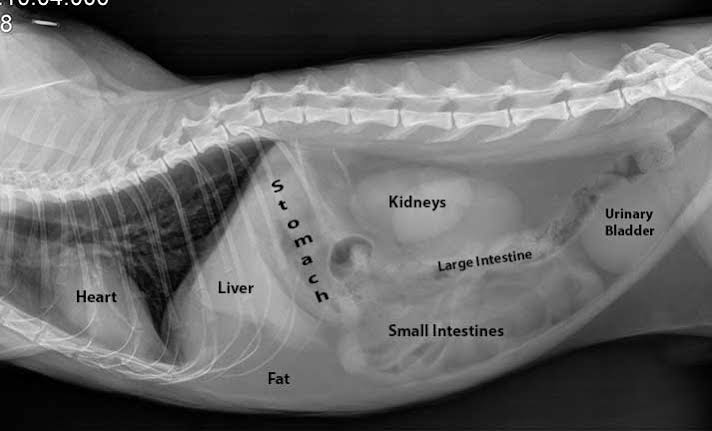
Microhepatica
An abnormally small liver resulting from inadequate hepatic parenchyma due to the lack of portal blood flow.

Hepatic blood supply percentage
The portal vein normally supplies 80% of the blood flow to the liver.
Neurologic signs of PSS
Symptoms including
seizures
head-pressing
dull mentation → often worsen after a meal due to toxin buildup.

Copper-colored irises
A clinical presentation for a portosystemic shunt specifically noted in cats.

CT angiography (CTA)
The diagnostic imaging of choice for PSS, providing a 3D view of the vascular tree to assist in surgical planning.
Bile acids
Diagnostic markers that are typically elevated post-prandial (and often pre-prandial) in animals with portosystemic shunts.
Lactulose
A medical therapy that acts as a proton donor to convert NH3 to NH4+ (which is poorly absorbed) and acts as a cathartic to limit bacterial activity.
Levetiracetam
An anticonvulsant used for seizure control in PSS patients due to its minimal risk of hepatic toxicity.
Acute portal hypertension
A potentially fatal complication caused by simple ligation of a shunt, leading to
intestinal congestion
hypoperfusion
severe pain
mucosal sloughing

Ameroid constrictor
A stainless steel ring with an inner casein ring that gradually swells as it absorbs peritoneal fluid, resulting in gradual shunt closure.
Cellophane banding
A gradual attenuation method where a cellophane ribbon is secured around the shunt to incite an inflammatory reaction and fibrosis.

Coil embolization
The preferred fluoroscopic-guided, minimally invasive procedure for treating intrahepatic portosystemic shunts.
Microvascular dysplasia
A concurrent condition often identified via liver biopsy during surgery that may cause bile acids to remain high even after shunt closure.