ARTA 111 | Types of Contemporary Art | FINALS
 Call Kai
 Learn
 Practice Test
 Spaced Repetition
 Match
 Flashcards
 Knowt Play
1/26

There's no tags or description
Looks like no tags are added yet.
27 Terms
Installation art
The artwork is designed to be experienced in relation to its surroundings. The space becomes part of the artwork. An artist creates an arrangement of objects, materials, images, sounds, or other elements within a particular space.
Kusama's Mirror Rooms
These installations often use mirrors, lights, repeated forms, and carefully controlled spaces to create the illusion of an infinite environment. The viewer does not simply look at the artwork; the viewer enters and experiences the artwork.

Kaprow's Yard
The work transformed an ordinary environment by filling a space with large numbers of discarded automobile tires. It demonstrates how installation art can transform an ordinary environment and encourage physical interaction.

Perfomance Art
Actions, movement, time, the human body, space, and the presence of the artist or audience become the primary artistic materials. The artist's body and actions may become the artwork itself and a site of political and social discussion.
Yoko Ono's Cut Piece
The performance was first presented in Kyoto, Japan, in 1964. Ono sat quietly on stage and invited audience members to approach her and cut pieces from her clothing using a pair of scissors. The performance placed the audience in a position of power. Participants had to decide how much clothing to cut and how far they were willing to go.

Marina Abramović
Serbian-born artist whose career has focused extensively on the relationship between the body, time, endurance, vulnerability, trust, and the audience. One of the most influential performance artists of the late twentieth and early twenty-first centuries. She pushed performance art beyond the idea of simply presenting an action.
Rhythm 0
Presented in Naples Italy 1974, it is Abramovic's most famous and controversial performances. She stood in a gallery for six hours She placed a large number of objects on a table and instructed the audience that they could use the objects on her body in any way they wished.

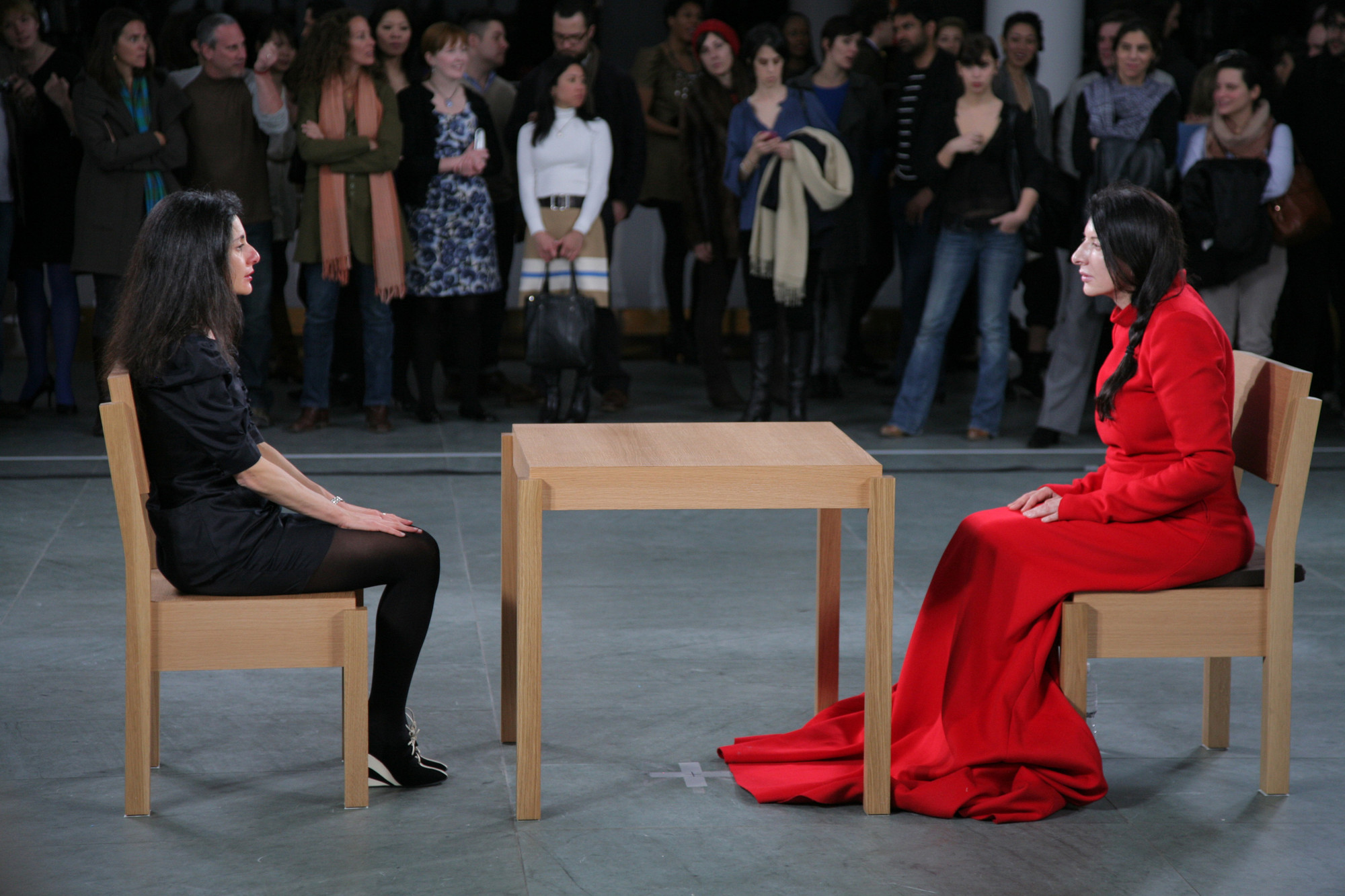
The Artist Is Present
During the performance, Abramović sat silently at a table for approximately 736 hours. Visitors were invited to sit across from her, one at a time. The performance transformed the simple act of looking into an intense artistic experience.
Conceptual Art
Idea, concept, or intellectual process behind an artwork is given primary importance. The physical appearance of an artwork may be less important than the idea it communicates.
Marcel Duchamp's Fountain
Introduced the concept of the readymade—an ordinary manufactured object presented as art.

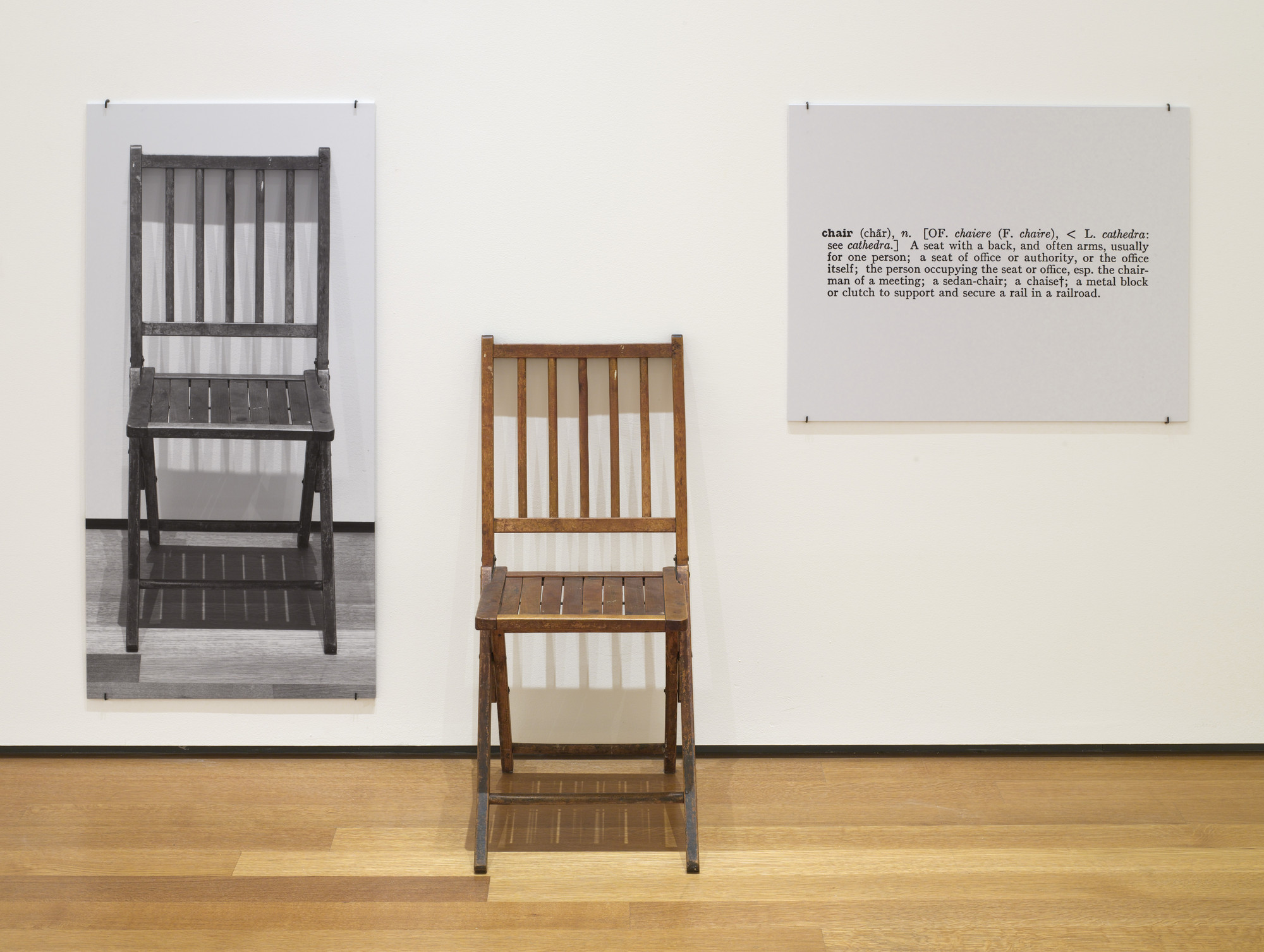
One and Three Chairs
Joseph Kosuth's work that presented a photograph of a chair and a dictionary definition of "chair". The work encourages viewers to think about the relationship between Object, Image, and Language.
Artist's Shit
Piero Manzoni produced cans of poop to challenge questions about artistic value, authorship, and commercialization:

Digital art
Art created or significantly produced using digital technology.
Video art
It uses moving images as an artistic medium created primarily as an artistic expression rather than for conventional entertainment. May explore time, movement, and human experience.
Multimedia art
Combines different artistic media in one artwork or project. The viewer experiences several media simultaneously. Meaning emerges from the relationship among its different elements.
Earth/Land art
Art that is made directly in the landscape, sculpting the land itself into earthworks or making structures in the landscape using natural materials.
Robert Smithson's Spiral Jetty
One of the best-known examples of earth art that was constructed in the Great salt Lake in Utah.

Kinetic art
Incorporates actual movement or creates the perception of movement produced by wind, motors, electricity, or mechanical systems.
Alexander Calder's Mobiles
Suspended sculptures moving gently in response to air currents. The artwork exists not only in space but also in time and movement.

Minimalist art
Characterized by simplicity, geometric forms, repetition, and industrial materials (metal, steel, plastic). It emphasizes the physical relationship between object, space, light, and viewer. It challenges viewers to appreciate the physical presence of an object without necessarily looking for a hidden symbolic meaning.
Donald Judd
He created simple geometric structures that appear repetitive and industrial.

Pop art
Art combining 'found' or 'ready-made' objects and imagery of popular, political or social phenomena.
Andy Warhol's Campbell's Soup Cans
Created in 1962, consisting of 32 individual canvases representing familiar consumer products.

Street art
Artistic practices created or displayed in public urban spaces (murals, stencils, graffiti).
Banksy
Created Girl with a Balloon and Love is in the Air.

Art appropriation
Practice of taking existing images, objects, symbols, styles, or cultural materials and incorporating them into a new artwork.