Muscular System
 Call Kai
 Learn
Learn Practice Test
 Spaced Repetition
 Match
Match Flashcards
 Knowt Play
1/61

There's no tags or description
Looks like no tags are added yet.
Name | Mastery | Learn | Test | Matching | Spaced | Call with Kai | Chat |
|---|
No analytics yet
Send a link to your students to track their progress
62 Terms
Skeletal Muscle
Attached to bones across the skeleton, elongated, cylindrical, multinucleate fibers with prominent transverse striations. Voluntary. Primary function is body movement, posture, facial expression and heat production as a byproduct of cellular metabolism and muscle contraction.
Cardiac Muscle
Walls of the heart (myocardium). Short branching, striated cells connected by intercalated discs ( containing desmosomes and gap junctions); usually uninucleated. Involuntary because of the automatic nervous system and pacemaker cells. Its primary function is to pump blood through the cardiovascular system.
Smooth Muscle
Walls of hollow internal organs ( stomach, intestines, blood vessels, uterus). Short, spindle-shaped, non-striated cells, each with a single central nucleus.Involuntary (regulated by the autonomic nervous system, hormones, and local stretching). Moving substances through internal passageways (peristalsis, vasoconstriction, digestion).
Excitability of Skeletal Muscle
Ability to respond to chemical or electrical stimuli by producing action potentials.
Contractility of Skeletal Muscle
Ability to shorten actively and generate tension when stimulated.
Extensibility of Skeletal Muscle
Ability to stretch without being damaged.
elasticity of Skeletal Muscle
Ability of muscle fibers to return to their original resting length after stretching or contracting.

Epimysium of Skeletal Muscle
Dense irregular connective tissue sheath surrounding the entire skeletal muscle.

Perimysium of Skeletal Muscle
Connective tissue layer dividing the muscle into internal compartments called fascicles, housing blood vessels and nerves.

Endomysium of the Skeletal Muscle
Fine, delicate areolar connective tissue surrounding individual muscle fibers(cells), providing electrical insulation and capillary support.

Myofilaments of the Skeletal Muscle
Contractive protein filaments inside myofibrils. The two primary proteins are Actin (thin filaments) and Myosin (thick filaments)

Orgin
The fixed, stationary attachment point of a muscle(usually more proximal or medial)

Insertion
the movable attachment point attached to the bone that pulls closer to the organ during contraction (usually more distal or lateral )
Body(belly)
the thick, central, contractile portion of the muscle between the organ and insertion.
Neuromuscular Junction (NMJ)
Specialized intercellular synapse where a motor neurons axon terminal meets the sarcolemma( plasma membrane) of a skeletal muscle fiber.t is the critical site where electrical nerve signals are converted into chemical signals (acetylcholine, ACh), triggering an action potential across the muscle fiber membrane to initiate contraction.
Motor Unit
A single motor neuron and all the skeletal muscle fibers it innervates.
Small Motor Unit
provide fine control( eye muscles )
Large Motor Units
Provide powerful, gross movements (thigh muscles)

Sliding Filament Mechanism/ Contraction Process
A nerve impulse reaches the Neuromuscular junction, releasing Acetylcholine, ACh, into the synaptic cleft.
ACh binds to receptors on the sarcolemma( plasma membrane) , generating a muscle action potential that travels down T-tubules.
Calcium ion Ca2+ are released from the sarcoplasmic reticulum into the sarcoplasm(cytoplasm of a muscle cell or muscle fiber )
Calcium finds to troponin, shifting tropomyosin and exposing binding sites on actin
Myosin heads attach to actin, forming cross bridges and pulling the thin filaments toward the center of the sarcomere(shorten the muscle)
Isotonic skeletal contraction
Tension remains constant while muscle length changes, resulting in body movement(lifting weights)
Concentric Skeletal Muscle contraction
Muscle shortens as it contracts
Eccentric Skeletal muscle contraction
Muscle lengthens while maintains tension
Isometric Skeletal Muscle Contraction
The muscle generates tension, but its length remains unchanged because the load is too heavy to move. (pushing leg against wall)
ATP Storage
Muscle cells store only a small amount of ATP, meaning ATP must be continuously regenerated
Creatine Phosphate System
Provides immediate, rapid energy (about 15 seconds) by transferring a high-energy phosphate to ADP.
Anaerobic Cellular respiration (Glycolysis)
Breaks down glucose without oxygen to produce ATP quickly, generating lactic acid as a byproduct( supports short burst of high intensity activity)
Aerobic Cellular Respiration
Requires oxygen and occurs in the mitochondria; breaks down glucose, fatty acid , or amino acids to produce high yields of ATP for long term endurance activities.
Muscle Hypertrophy
Muscle fibers increase in diameter and size (rather than multiplying in number). This occurs because muscle cells synthesize more intracellular structural proteins (myofibrils, particularly actin and myosin), leading to larger muscle bellies.
Increased Strength and Power
The recruitment of motor units becomes more efficient, and the muscle develops a greater capacity to generate high-tension forces.

Agonist(Prime Mover)
The muscle primarily responsible for producing a specific movement .

Antagonist
A muscle that opposes or reverses the movement of the the prime mover
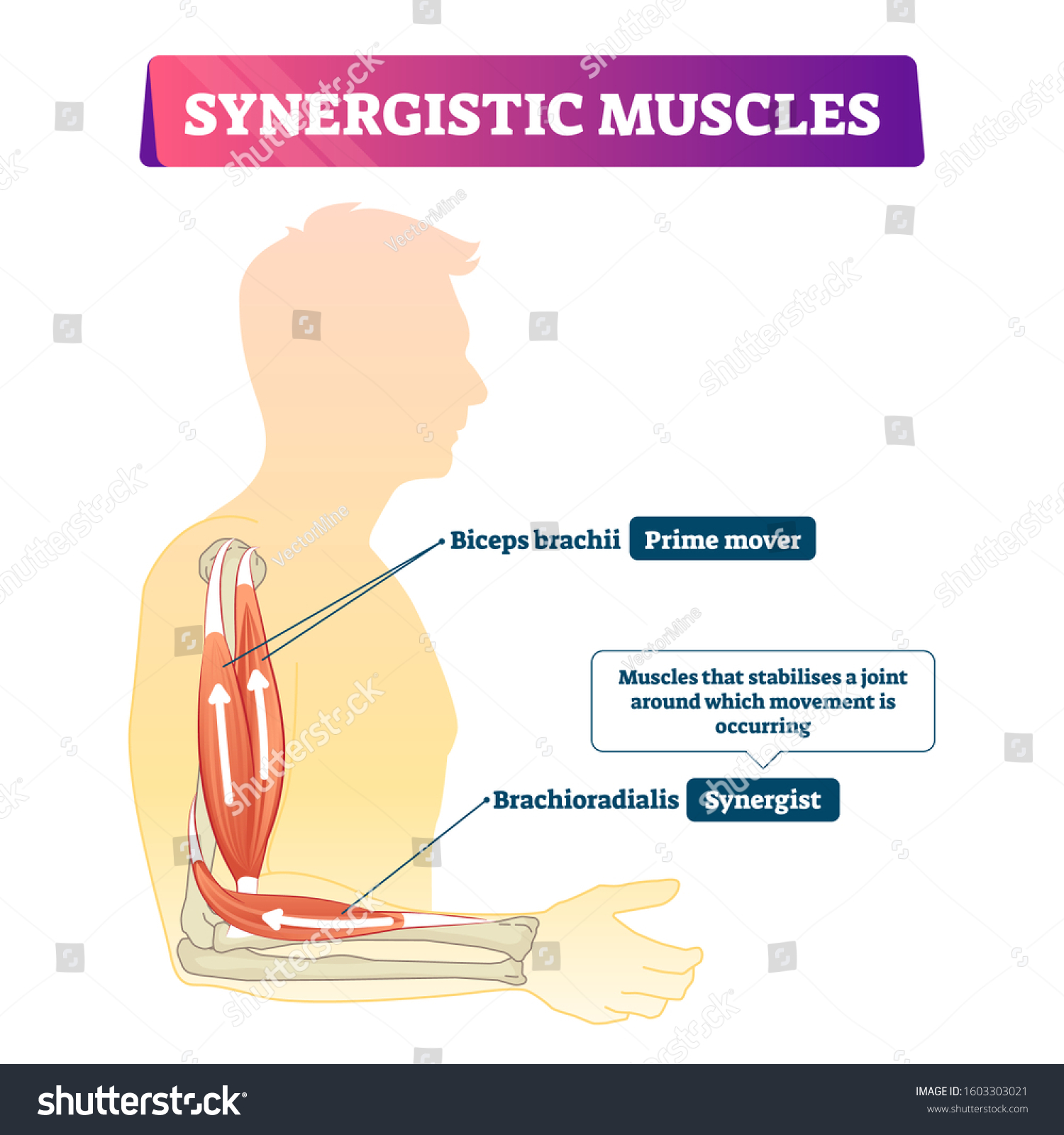
Synergist
Helps the prime mover by adding extra force or stabilizing nearby joints

Fixator
A synergistic that holds a bone firmly in place so another muscle can act efficiently

Flexion

Extension

Abduction
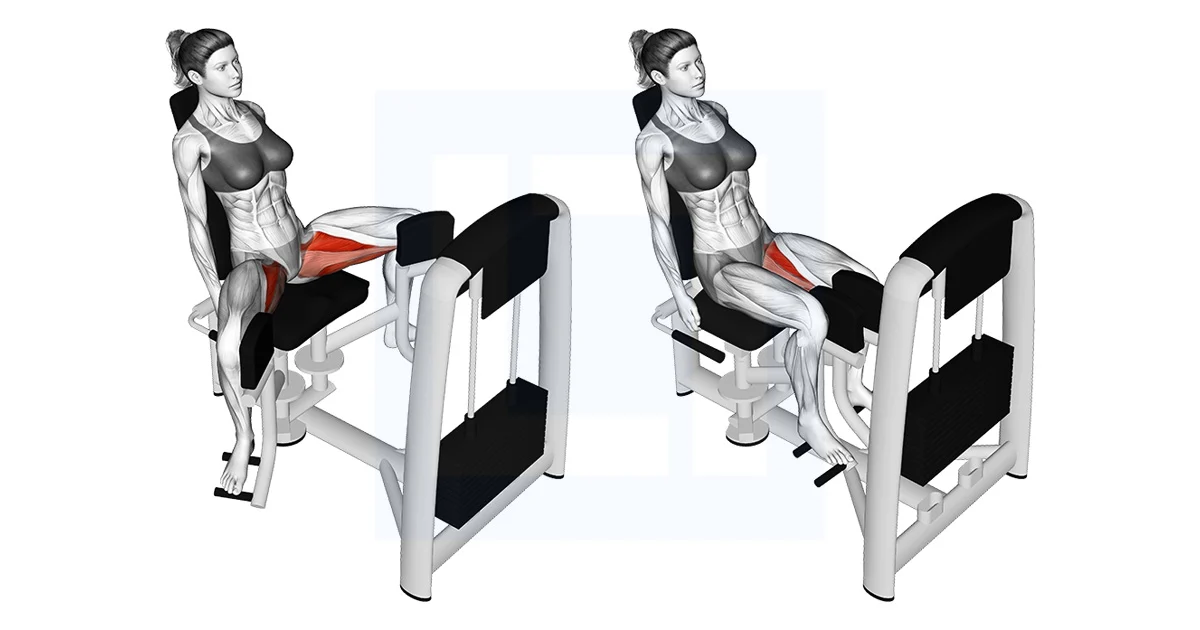
adduction

Dorsiflexion

Plantar Flexion
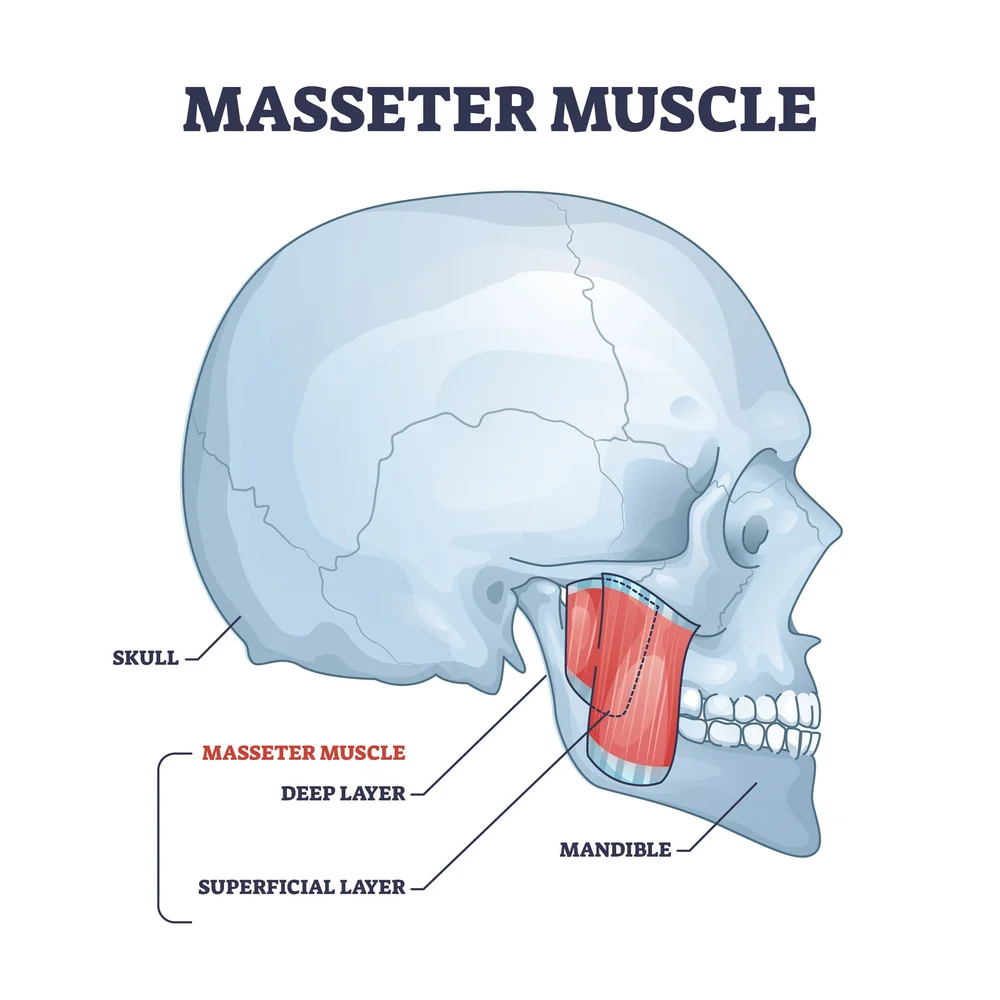
Masseter

Rotator Cuff

Respiration Muscles
Nervous System
Initiates, coordinates, and regulates all muscle contractions.
Skeletal System:
Provides the rigid levers and structural framework for muscles to pull against.
Cardiovascular and Respiratory Systems
Supply working muscles with a continuous flow of oxygen and nutrients while removing carbon dioxide and metabolic waste.
Myasthenia Gravis
An autoimmune disease where the immune system produces antibodies that bind to and block ACh receptors at the neuromuscular junction. Receptors are destroyed via endocytosis, resulting in insufficient muscle stimulation, severe muscle weakness, and rapid fatigue (often starting in facial and eye muscles).
Intramuscular Injections
Delivered directly into large, well-vascularized skeletal muscle bellies (such as the deltoid, vastus lateralis, or gluteus medius) for rapid systemic absorption into the bloodstream.
Orgin
A muscle’s attachment to a stationary bone
is called its
Actin, myosin
Which two proteins compose myofilaments
Heat production
The primary functions of muscles are movement, posture (muscle tone), and
Neuromuscular Junction
The point of contact between a nerve ending and the muscle fiber is called the
Isometric
When the muscle contracts and no movement results, it is called a(n) _____ contraction.
Masseter
Which of these muscles function in closing
the jaw?
Abduction
_____ means moving a part away from the midline of the body, such as moving your arm out to the side
Myasthenia gravis
Identify the muscular disease characterized by the immune system attacking muscle cells at the neuromuscular junction.
Strain
An Injury to a muscle or a tendon (the fibrous tissue that attaches muscle to bone) happens due to overstretching or tearing muscle fibers, often from heavy lifting or sudden movements.
Sprain
An injury to a ligament (the tough band of fibrous tissue that connects bone to bone at a joint). It usually happens when a joint is forced past its normal range of motion, such as rolling an ankle.
Angiogenesis
The formation of a denser network of microscopic blood vessels (capillaries) around muscle fibers, significantly improving the delivery of oxygen and nutrients and the removal of metabolic wastes.
Increase in Mitochondria
Muscle fibers increase the number and size of their mitochondria, boosting the muscle's capacity for aerobic cellular respiration and ATP production.
muscle atrophy
a lack of exercise or prolonged immobilization
Explain why muscle cells have only a little ATP in storage.
storing just a little ATP keeps cells light and stable, relying on rapid production systems to match energy demand on the fly.