CSB362 - Integrated Paramedic Practice
 Call Kai
 Learn
Learn Practice Test
 Spaced Repetition
 Match
Match Flashcards
 Knowt Play
1/100

There's no tags or description
Looks like no tags are added yet.
Name | Mastery | Learn | Test | Matching | Spaced | Call with Kai | Chat |
|---|
No analytics yet
Send a link to your students to track their progress
101 Terms
What is a Nasopharyngeal airway insertion?
A device incerted in the nasal canal to maximise breathing - this is twisted in slowly
What is a Oropharyngeal airway insertion?
A device incerted in the oral cavity to maximise breathing - make sure there is no force back, this is twisted in to sit against the tongue
What is Oral Suctioning?
When there is foreign liquid in the oral cavity of a patient it is suctioned up - be careful not to injure the patient
What is the Triple airway manoeuvre?
Head tilt, jaw thrust, chin lift
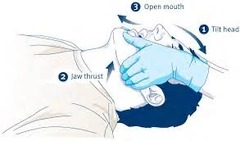
What is the Double airway manoeuvre?
Chin lift, jaw thrust
What is Glucometry?
Used to test blood glucose levels (BGL) 4-7
What is GCS?
Glasgow Coma Score

What is the NSA?
Neurological Status Assessment - GCS (glasgow coma score), PEARL (pupils equal and reactive to light) , speech, CNA (cranial nerve assessment)
How to take Non-invasive Blood Pressure (Manual)?
You get the systolic BP - maximum, and diastolic BP - minimum and then is written as systolic/diastolic 120/80
What is the Pain Assessment?
O - onset
P - palpation/provocation
Q - quality
R - radiation
S - severity
T - timing
What is PSA?
Perfusion Status Assessment - BP (blood pressure), GCS (glasgow coma scale), HR (heart rate), skin
What is the Primary Survey?
D - danger
R - response, AVPU (alert, voice, pain, unresponsive)
A - airway
B - breathing
C - circulation
What is an RSA?
Respiratory Status Assessment -
C - consciousness
A - appearance
P - pulse rate
E - effort
R - rhythm
R - rate
S - sound
S - skin
S - speech
What is a Tympanic thermometer?
Takes the internal temperature of a patient 36-38 Celcius
What is a Head-to-Toe Physical Exam?
Checking each body part starting from the head to the toes - including all limps - to assess trauma and any other medical issues
What is adult history taking?
S - signs and symptoms
A - allergies
M - medications
P - past medical hx
L - last ins and outs
E - events leading to
What is obstetrics history taking?
Score taken for newborns at 1 minute and again at 5 minutes
Appearance, pulse, grimace, activity, respiration

What is the mental status assessment?
Appearance - posture, build, cleanliness
Behaviour - eye contact, mannerisms, gait, activity level
Speech - rate, volume, pitch, tone
Mood - (emotion as described) anxious, depressed, cheerful
Affect - (emotion as observed) restrictive, blunted, labile
Thought form - amount, rate, ideas
Thought content - disturbance, suicidal, delusions
Perception - illusions, hallucinations
Insight and judgement - cognition, understanding of illness, cause and effect
What is a physiological cephalic delivery?
A normal delivery with a normal amount of blood loss (500mL)
How to care for a newly born mother?
Skin to skin contact to increase oxytocin to promote the mebranes of the placenta to seperate and pass through,
Reassurance
Vital signs
Monitor blood loss
How to care for a newly born child?
Appearance
Pulse
Grimace
Activity
Respiration
Taken at 1minute and 5minutes then at 5 minute intervals after
What is the physiological management of 3rd stage?
3rd stage - birth of the newborn to the birth of the placenta and membranes
Skin to skin contact to increase oxytocin production
Type: Aspirin
antiplatelet, per oral
Metabolism and excretion: Aspirin
GI mucosa and liver
Kidneys
Indications: Aspirin
Suspected ACS
Acute cardiogenic pulmonary oedema
Contraindications: Aspirin
Allergy, adverse drug reaction to aspirin and NSAID
Bleeding or clotting disorders
GI bleeding or peptic ulcers
Under 18
Precautions: Aspirin
Hx of GI bleeding or peptic ulcers
Pregnancy
Concurrent anticoagulant therapy
Possible aortic aneurysm
Side effects: Aspirin
Epigastric pain
Nausea and vomitting
Gastritis
GI bleeding
NSAID induce bronchospasm
Onset, duration and half-life: Aspirin
10min
1week
2.3hrs
Dosage: Aspirin
300mg chewed and followed by a sip of water
Type: Glucose gel
Hyperglycaemic, per oral
Indications: Glucose gel
Symptomatic hyperglycaemia (self-admin)
Contraindications: Glucose gel
Unconsciousness
Difficulty swallowing
Under 2
Precautions: Glucose gel
Nil
Side effects: Glucose gel
Nausea, vomitting
Diarrhoea
Onset, duration, half-life: Glucose gel
10mins
Variable
N/A
Dosage: Glucose gel
15g repeated once at 15mins if BGL
Type: Glyceryl Trinitrate
Vasodilator, sublingual, intravenous infusion
Indication: Glyceryl Trinitrate
ACS w/ pain
Acute cardiogenic pulmonary oedema
Autonomic dysflexia w/ systolic BP>160
Irunkanji sydrome w/ systolic BP>160
Contraindications: Glyceryl Trinitrate
Allergy, adverse drug reaction
Heart rate
Systolic BP
Precautions: Glyceryl Trinitrate
Inferior AMI
Cerebral vascular disease
Risk of hypotension, syncope
Intoxication
Side effects: Glyceryl Trinitrate
Diziness
Hypotension
Syncope
Reflex tachycardia
Vascular headaches
Onset, duration, half-life: Glycerl Trinitrate
2mins
20-30mins
5.5mins
Dosage: Glyceryl Trinitrate
400microg repeated 5min intervals
No max
Type: Methoxyflurane
Analgesic, inhalation
Metabolism and excretion: Methoxyflurane
Liver
Lungs
Metabolism: Glyceryl Trinitate
Liver
Indications: Methoxyflurane
Pain
Contraindications: Methoxyflurane
Allergy, adverse drug reaction
Less than 1
Hx of liver or renal disease
Hx of malignant hyperthermia
Precautions: Methoxyflurane
ALOC
Intoxicated or drug affected patients
Cardiovascular instability
Resp. depression
Side effects: Methoxyflurane
ALOC
Cough
Renal/hepatic failure
Onset, duration, half-life: Methoxyflurane
1-3mins
5-10mins
N/A
Dosage: Methoxyflurane
3mL repeated once after 20mins
Max dose- 6mL
Type: Oxygen
Gas, nasal cannulae, nevuliser mask, simple face mask, non-rebreather mask, bag-valve mask
Indications: Oxygen
Hypoxia or suspected hypoxia
Contraindications: Oxygen
Paraquat poisoning
Hx of blemycin therapy
Precautions: Oxygen
Premature neonate
Cyanotic heart disease
False reassurance
Side effects: Oxygen
Hypoventilation
Drying of airways
Onset, duration half-life: Oxygen
Immediate
N/A
N/A
Dosage: Oxygen
1-2% O2
Type: Paracetamol
Analgesic and antipyretic, per oral
Metabolism and excretion: Paracetamol
Liver
Kidney
Indications: Paracetamol
Mild to moderate pain
Fever - causing distress
Contraindications: Paracetamol
Allergy, adverse drug reaction
Less than 1month
Precautions: Paracetamol
Hepatic dysfunction
Sodium restriction
Phenylketonuria
Side effects: Paracetamol
Nausea
Onset, duration, half-life: Paracetamol
10-60mins
4hrs
2hrs
Dosage: Paracetamol
0.5-1g repeated every 4hrs
Max dose - 4g in 24hrs
Type: Salbutamol
Beta-adrenergic agonsit, metered dose inhaler, nebuliser, intravenous infusion
Metabolism and excretion: Salbutamol
hepatic
renal
Indications: Salbutamol
Bronchospasm
Suspected hyperkalaemia
Contraindications: Salbutamol
Allergy, adverse drug reaction
Less than 1
Precautions: Salbutamol
Acute pulmonary oedema
Ischaemic heart disease
Side effects: Salbutamol
Anxiety
Tachyarrhythmias
Tremors
Hypokalaemia and metabolic acidosis
Onset, duration, half-life: Salbutamol
2-5mins
16-60mins
1.6hrs
Dosage: Salbutamol
Bronchospams
- 1.2mg MDI inhalation, single dose
- 5mg nebuliser mask, single dose
Suspected hyperkalaemia
- 20mg nebuliser mask, single dose
Type: Ipratropium Bromide
Anricholiergic agent, nebuliser
Indications: Ipratropium Bromide
Moderate bronchospasms
Severe bronchospasms
Metabolism and excretion: Ipratropium Bromide
Hepatic
Kidney
Contraindications: Ipratropium Bromide
Allergy, adverse drug reaction
Less than 1
Precautions: Ipratropium Bromide
Glaucoma
Side effects: Ipratropium Bromide
Dilated pupils
Dry mouth
Palpitations
Onset, duration, half-life: Ipratropium Bromide
1.5-3mins
4-6hrs
3hrs
Dosage: Ipratropium Bromide
500microg repeated at 20min intervals
Max dose - 1.5mg
Type: Ondansetron
Anti-emetic, per oral, intramuscular injection, intravenous injection
Metabolism and excretion: Ondansetron
Liver
Kidney
Indications: Ondansetron
Nausea or vomiting
Contrainidications: Ondansetron
Allergy, adverse drug interaction
Congential long QT syndrome
Current apomorphine therpay
Less than 2
1st trimester pregnancy
Precautions: Ondansetron
Hepatic impairment
Elderly
Intestinal obstruction
QT interval prolongation or cardiac arrhythmias
Side effects: Ondansetron
Headache
Constipation
Hypersensitivity reaction
ECG changes
Onset, duration, half-life: Ondansetron
4mins
hrs
3-4hrs
Dosage: Ondansetron
4-8mg 8hr intervals
Max dose - 8mg
Bag valve mask ventilation flow rate
8-15L/min
Nasal prongs flow rate
1-4L/min
Simple mask flow rate
6-8L/min
Nebuliser mask flow rate
6-8L/min
Resevoir mask flow rate
8-10L/min
Reversible causes of cardiac arrest
hypovolemia
hypoxia
hydrogen ion (acidosis)
hypo/hyperkalemia
hypothermia
tension pneumothorax
tamponade, cardiac
toxins
thrombosis, pulmonary
thrombosis, coronary
Post ROSC care
Re-evaluate primary survey
12 Lead ECG
Treat underlying cause
Aim for SpO2 94-98%
Targeted temp management
COACHED acronym for CPR
Continue compressions
Oxygen away
All others aways
Charging
Hands off
Evaluate
Defibrillate or disarm