BIOC 303 Space
 Call Kai
 Learn
Learn Practice Test
 Spaced Repetition
 Match
Match Flashcards
 Knowt Play
1/115

There's no tags or description
Looks like no tags are added yet.
Name | Mastery | Learn | Test | Matching | Spaced | Call with Kai | Chat |
|---|
No analytics yet
Send a link to your students to track their progress
116 Terms
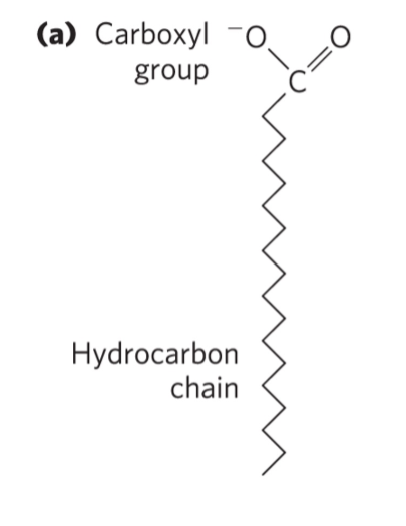
What type of fatty acid is this?
Saturated. Repeat SATURATED

What type of fatty acid is this?
Unsaturated. Repeat UNSATURATED
Why do saturated FA have a higher boiling point than unsaturated FA?
Because the double bond creates a “kink” that makes the hydrocarbon chain to experience lesser van der Waal forces (be less tightly packed)

Name this unsaturated FA
Second carbon after carboxyl carbon is alpha
Third carbon after alpha is beta
Last carbon from carboxyl carbon is omega

Where do most monounsaturated FA have their double bond (hint: Check previous Q if you want)?
Between carbons 9 and 10
Where do most polyunsaturated FA have their double bonds?
At carbons 12 (delta 12) and 15 (delta 15)
How is the nomenclature different for omega polyunsaturated FA?
Start counting from the omega carbon and the name is based on the first carbon reached or all carbons (Quiz 1)

What is the forward name of this FA?

What is its omega name?
Omega-3 polyunsaturated FA / w-3 polyunsaturated FA
The four types of eicosanoids [I-ka-sa-noids] (signalling molecules) are derived from ….
Arachidonic [Arak-ee-donic] acids (omega-6 PUFA)
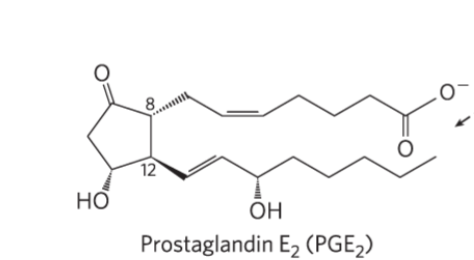
Function?
Regulate smooth muscle cells in the uterus

Function?
Blood clotting
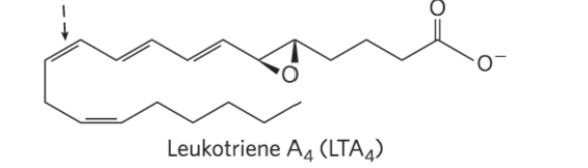
Function?
Smooth muscles in the lung airways
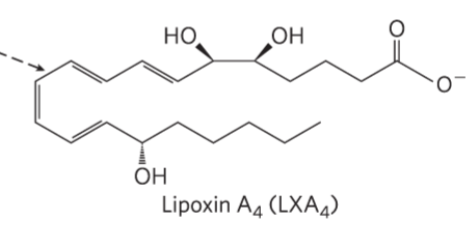
Function?
Anti-inflammatory
Why do humans need to eat omega PUFA?
Because our bodies cannot synthesize them
Which is least tightly packed/most loose between a polyunsaturated FA, unsaturated FA, and a saturated FA?
Polyunsaturated FA because it has the most number of double bonds (two or more) = weakest van der Waal forces
Which has the highest melting point?
Saturated FA
Why do longer FA hydrocarbon chains have higher melting points than shorter FA hydrocarbon chains?
Because they experience stronger van der Waal forces due to increased contact
What changes to go from a glycerol to either TAG, DAG, or MAG?
From negatively charged carboxyl groups to non-polar hydrophobic ester linkages
Explain the hydrophobic effect (3 main points)
Order is introduced into the system with the addition of the non-polar subtance so decreased entropy
The non-polar substance in water clump together instead of mixing NOT due to van der Waal interactions, but rather because the water molcules are trying to hydrogen bond with each other
The water counteracts the decrease by increasing entropy around the non-polar subtance as they engage in hydrogen bonding

Draw these fatty acids from their abbreviated nomenclature

We are expected to know its name so what is it?
Palmitic acid (16:0)
What is the structure of triacylglycerol?
A glycerol backbone with ester linkages to three fatty acid chains
What does lipase do?
Cleaves a fatty acid chain (TAG —> DAG or DAG —> MAG)
What do fats provide us humans?
Long-term stored energy supply (Ex. TAG as lipid droplets) and insulation
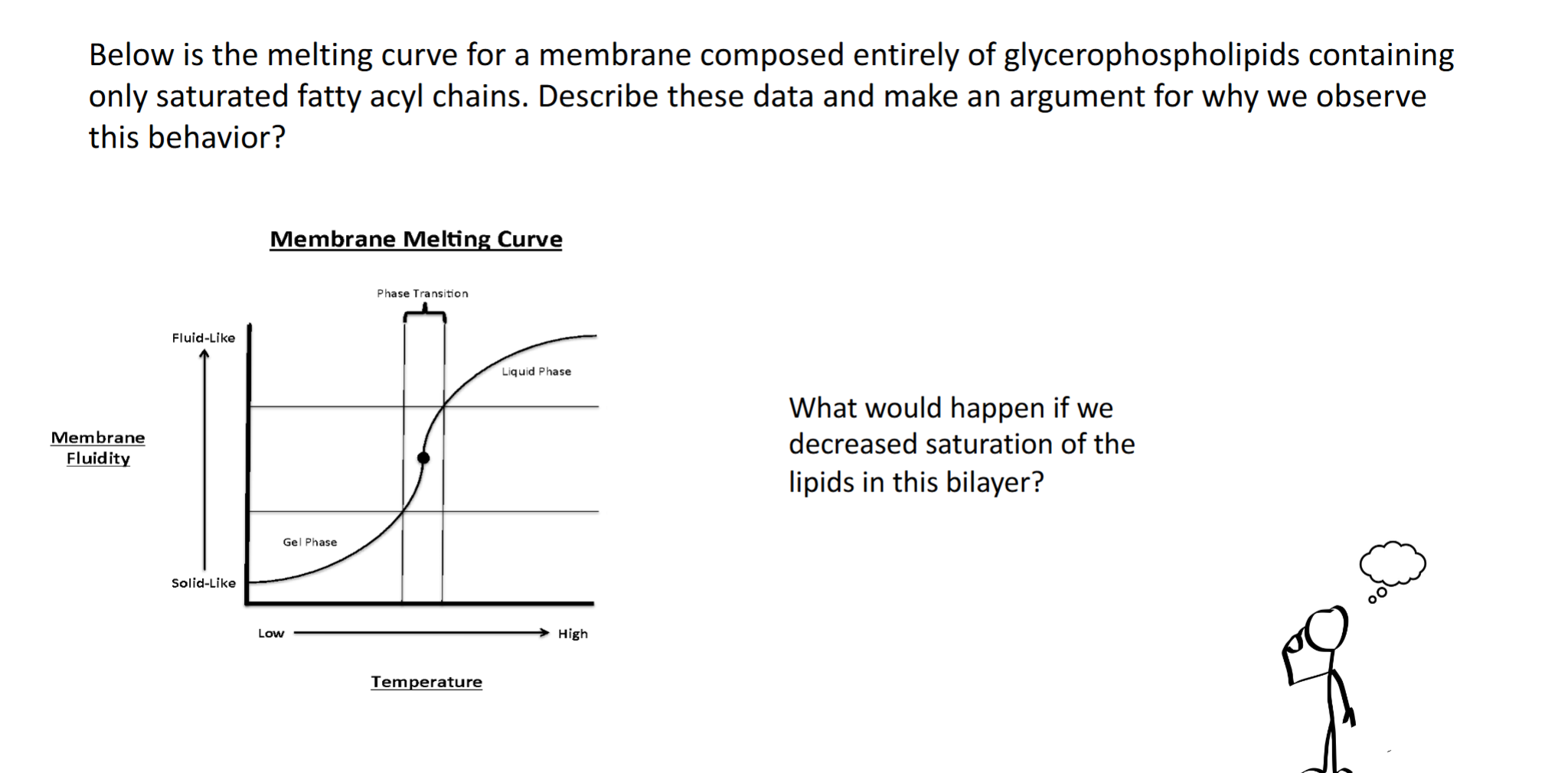
Question on image
The curve would shift to the left as less heat is required to change the state from gel to fluid

How would adding cholesterol change the melting curve?
It would increase the phase transition width acting as buffer (more on that later)
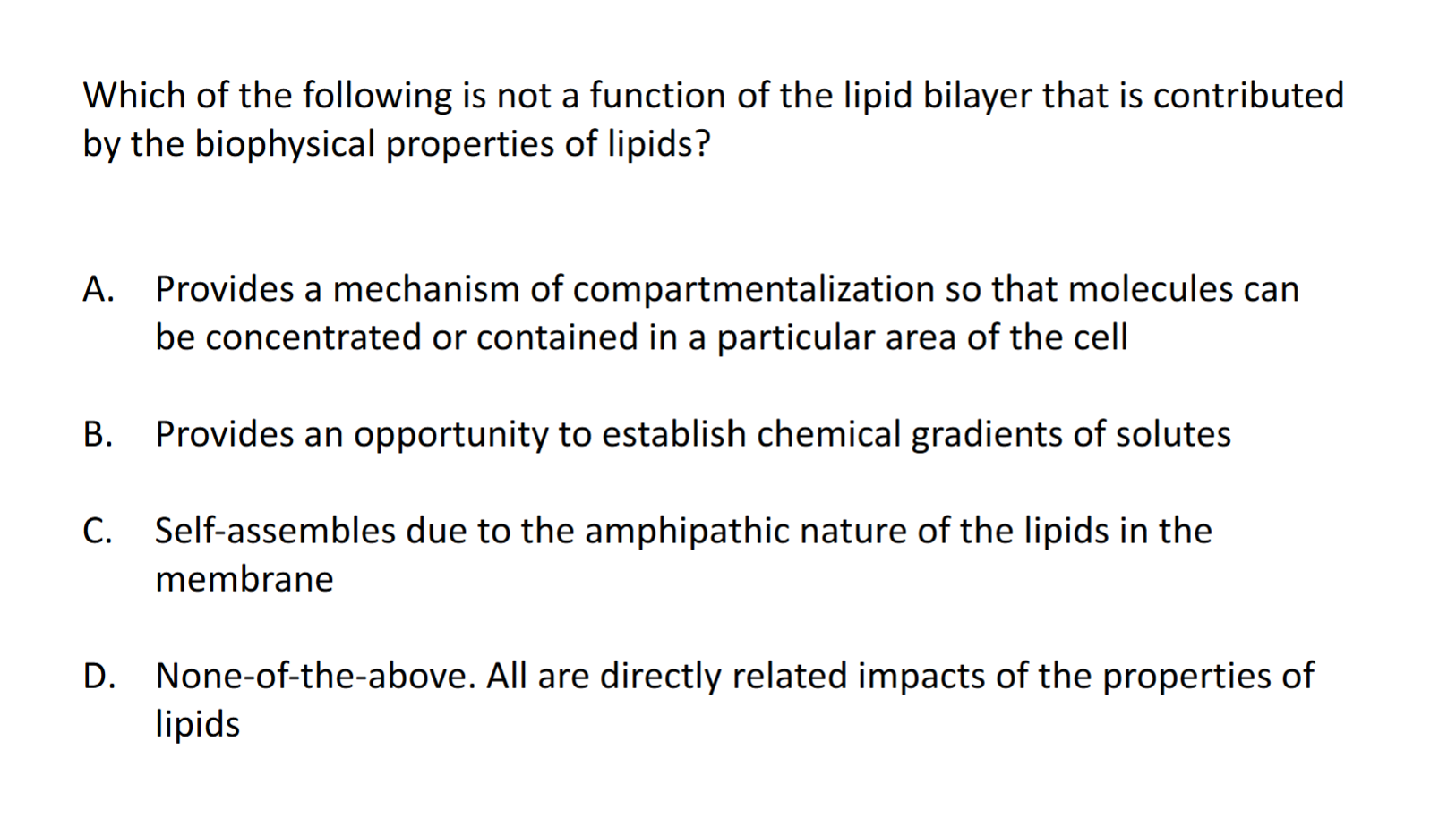
D)
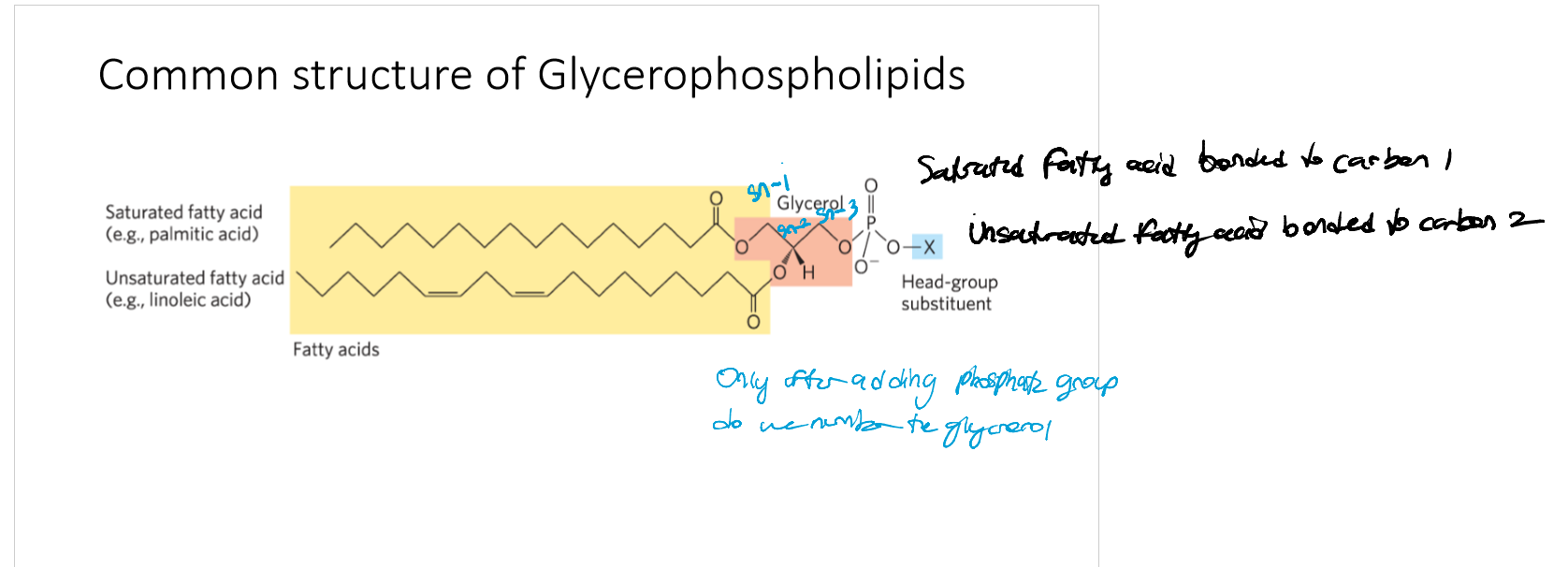
What is a phospholipid?
Two hydrophobic fatty acid chains joined by a glyerol or sphingosine backbone with a phosphate headgroup
What is a glycolipid?
One hydrophobic fatty acid chain with a sugar headgroup
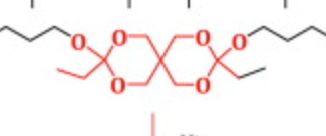
What are archaeal tetraether lipids?
Two very long alkyl chains ether linked to glycerol on both ends
What are sterols?
A system of four fused hydrocarbon rings

Add this and TCA cycle to Study Sheet

What are sphingomyelins?
A type of sphingolipid that contains phosphocoline or phosphoethanolamine as polar head group
Why are there fewer sphingolipid possibilities than glycerol lipids (2 reasons)?
Because only one fatty acid chain can change due to the other being the sphingosine backbone
Fewer different head groups
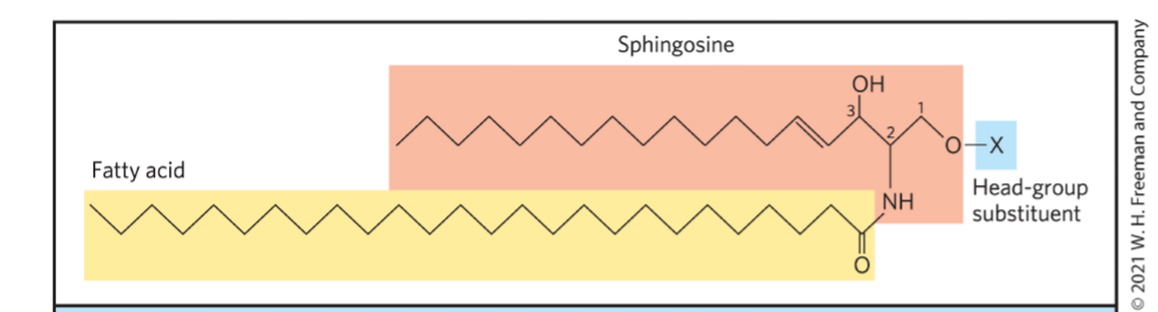
What does changing the head group do?
Changes function of the lipid and what it can bind to

How does cholesterol act as a buffer?
If membrane gets too fluid aka liquid disordered (Ld) state, then steroid nucleus takes over to enhance van der Waal forces between lipid tails.
If membrane gets too rigid aka liquid ordered (Lo) state, then alkyl chain takes over to disrupt van der Waal forces between lipid tails

What is this and what does it do?
Bile acid and it is a polar derivative of cholesterol that emulsifies dietary fats to make them easier to work with for digestive lipases

What are these hormones (from left to right) and what do they all do?
Estrogen, Testosterone, and Cortisol are all signalling molecules derived from cholesterol and send messages between cells
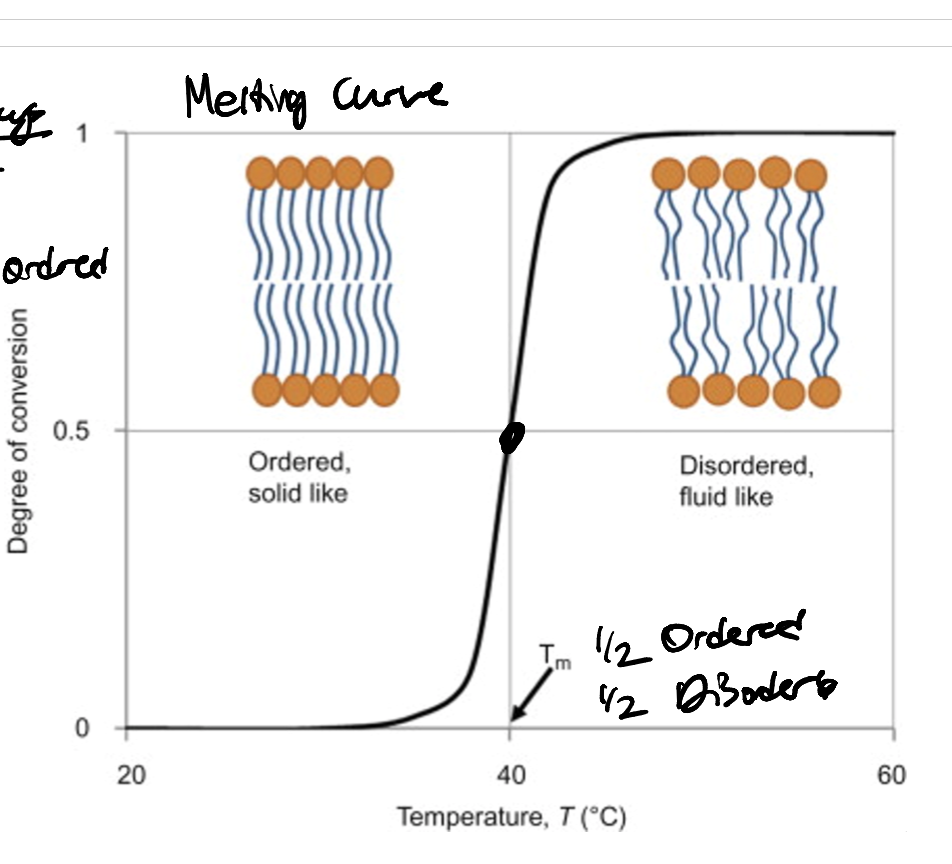
How does cooperative event play into the melting curve?
If one lipid molecule goes into Ld state, then those around it also go into Ld state
What is the fluid mosaic model?
A pattern of individual proteins and lipids in a membrane important for compartmentalization and transport into and out of cell
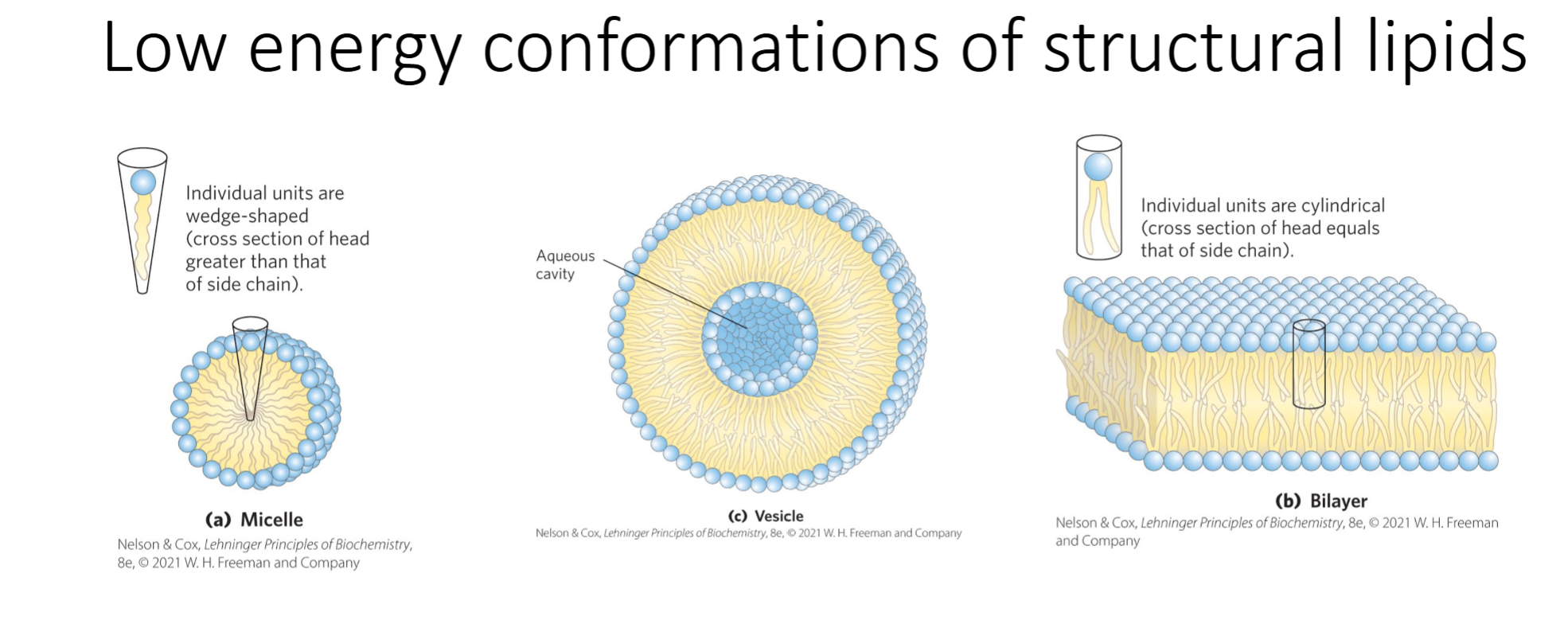
True or False: Only micelles can form in vitro
False. All can form in vitro and in vivo
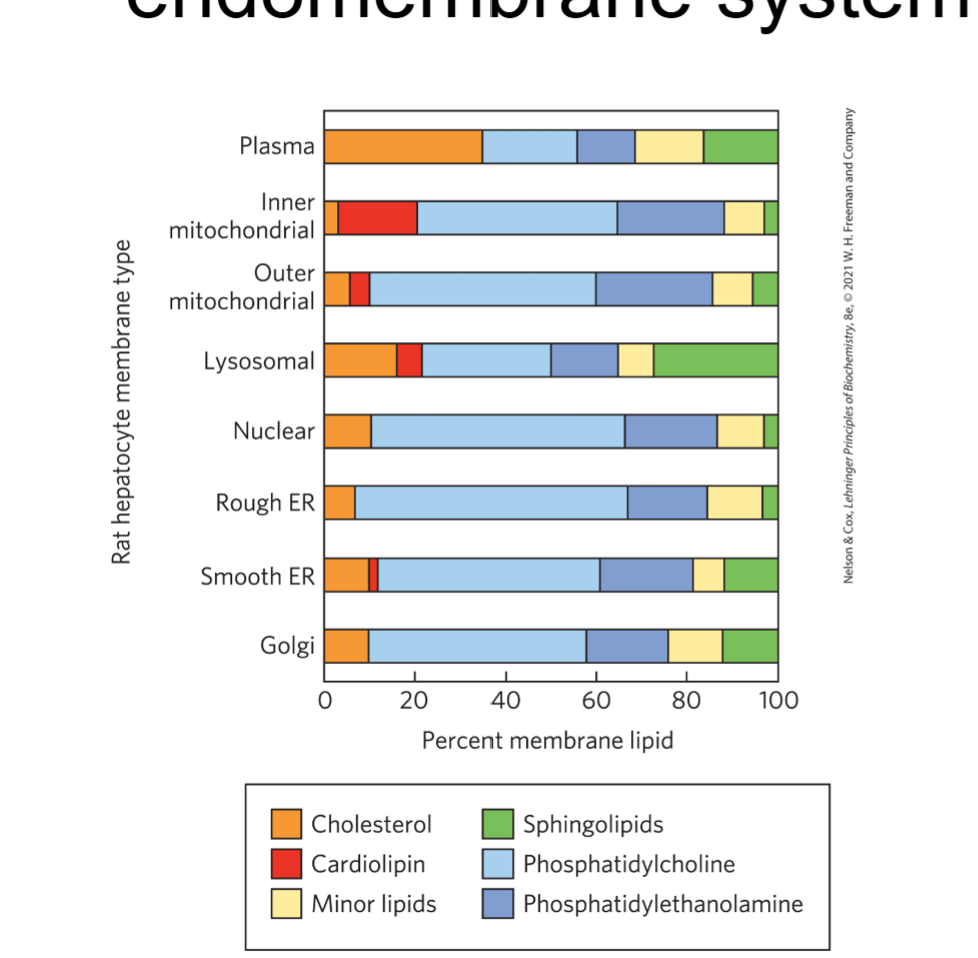
What is the significance of this?
The type of lipid on the inner or outer leaflet of the bilayer is dependent on its function
How do lipids and proteins move in the bilayer?
Through lateral movement
What are used to extract neutral lipids (non-polar, hydrophobic)?
Ethyl ether, chloroform, or benzene to disprupt hydrophobic interactions
What are used to extract membrane lipids?
Methanol or ethanol to disprupt hydrophobic interactions + disrupts the hydrogen bonding and electrostatic interactions that bind lipids to proteins in the membrane
For TLC, if the front is hydrophobic, the more hydrophobic lipid spots…
Make it up farther on the gel
How much energy does the oxidation of fatty acid to Acetyl-CoA produce?
Around 80% of the energy used by mammalian heart and liver and at least 40% of daily energy requirement
Where do the electrons go that are removed from the fatty acids?
Go through the respiratory chain to drive ATP synthesis
The final oxidation state of Acetyl-CoA from the citric acid cycle/TCA cycle?
CO2
Why can the fatty acyl-CoA become fatty acyl carnitine in the cytosol/OMM?
Because the CoA-SH group is a good leaving group and carnitine acyltransferase 1 (CAT1) puts the fatty acyl group on a carnitine
What does the carnitine cotransporter do?
Allows the passive transport of the fatty acyl carnitine ester through the IMM into the matrix after the molecule diffuses through the porins of the OMM
How does the fatty acyl carnitine become fatty acyl-CoA again in the matrix/on the IMM?
The carnitine molecule is a good leaving group and CAT2 takes the fatty acyl group and puts it on a free coenzyme A molecule

Fill in the enzyme names
Fatty acyl-CoA synthethase (two step reaction costs 2 ATP) and inorganic pyrophosphatase
Where are the two Co-enzyme A pools?
One is in the cytosol and mitochondrial matrix
What does the cytosol Co-enzyme A do?
Biosynthesis of fatty acids
What does the matrix Co-enzyme A do?
Degredation of pyruvate, fatty acids, and some amino acids
What is the rate limiting step for the oxidation of fatty acids in the mitochondria?
Of course, the carnitine-mediated entry process
What is CAT1 inhibited by and why?
Malonyl-CoA (the first intermediate in fatty acid synthesis) and is to prevent the simultaneous synthesis and degration of fatty acids
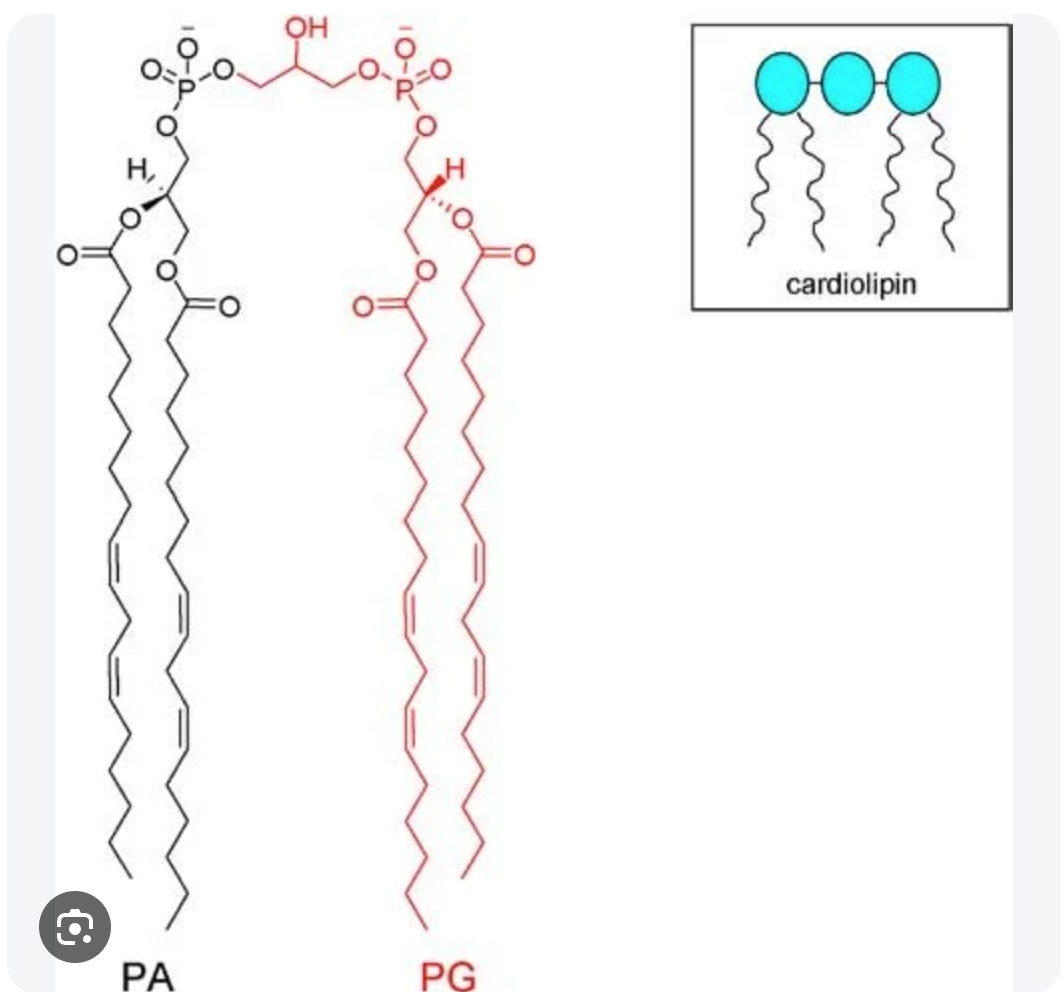
What is ceramide head group and cardiolipin?
H head group and cardiolipin is in the IMM, which allows it to have the sharp folds
Where are CAT1, CAT2, and the carnitine translocase located?
CAT1 is embedded in the OMM facing the IMS while CAT2 is embedded in the IMM facing the matrix while the translocase is embedded across the IMM
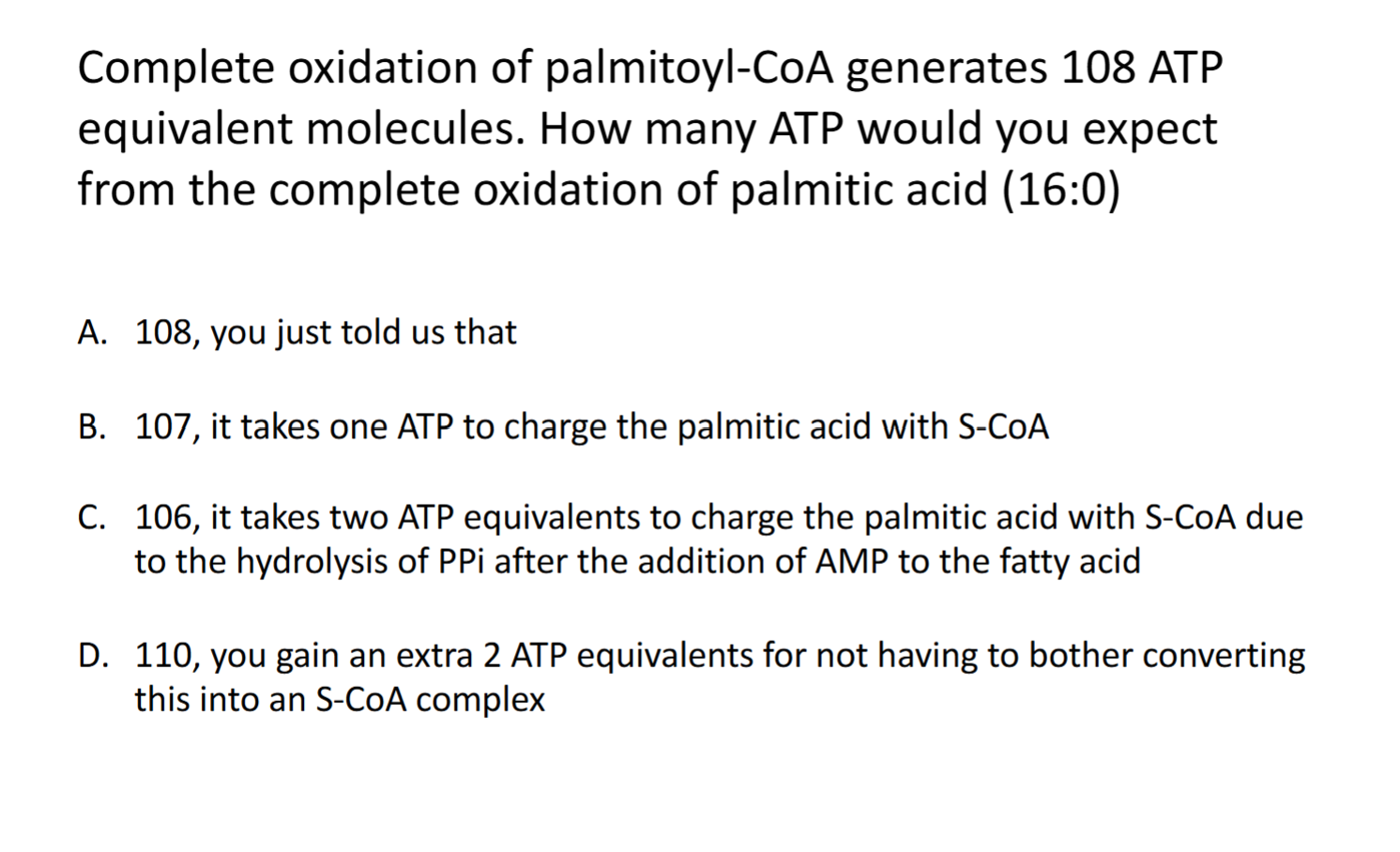
C
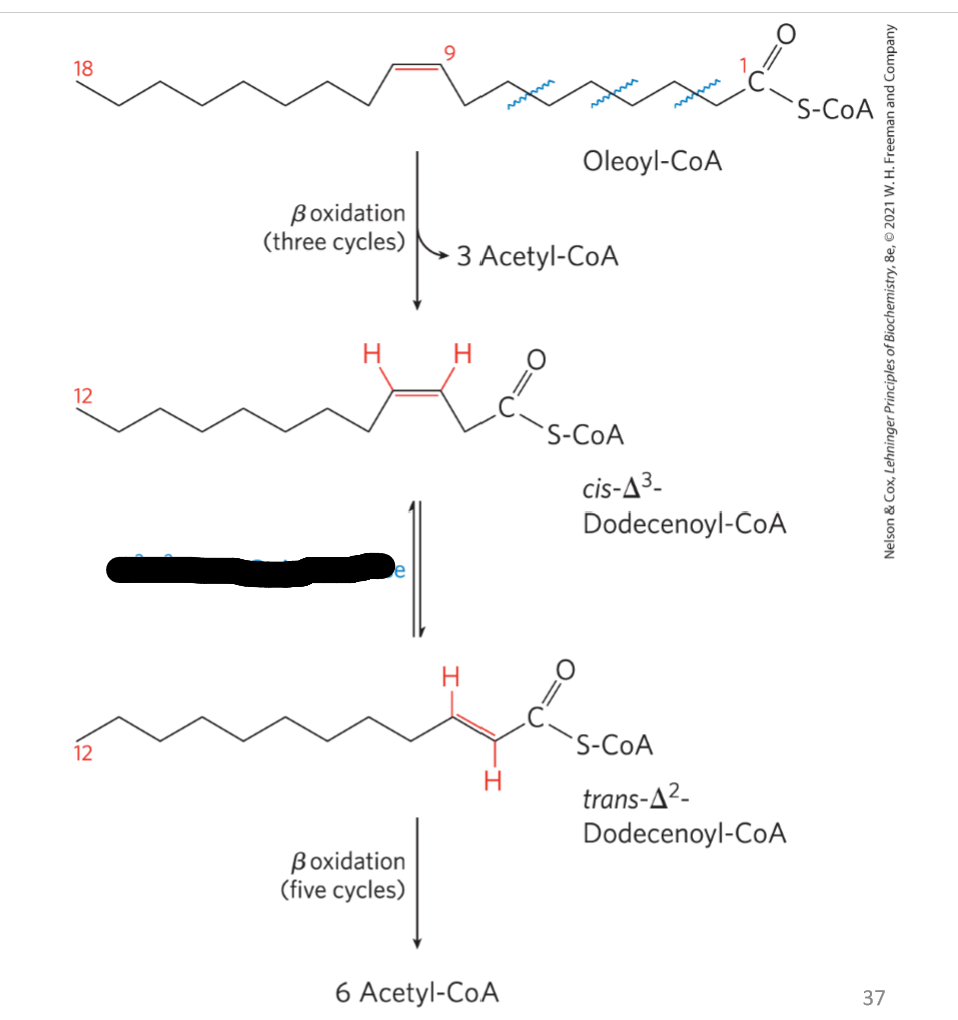
What enzyme is needed to convert this cis-Δ³-enoyl-CoA to trans-Δ²-enoyl-CoA and where does this have to happen?
Δ³, Δ²-enoyl-CoA isomerase and away from the TFP before coming back for steps 2-4

What about when it’s a polyunsaturated fatty acid (Pt.1)?
Same enzyme of Δ³, Δ²-enoyl-CoA isomerase

What about when it’s a polyunsaturated fatty acid (Pt.2)?
2,4-dienoyl-CoA reductase and enoyl-CoA isomerase
What does NADPH not do that NADH does?
NADPH does not add electrons to the ETC

(Quick tangent for some review from last year) Name the configurations
D-sugar and L-sugar

(Quick tangent for some review from last year) Name the configurations
L-amino acid and D-amino acid
What are we left when dealing with an odd-number fatty acid chain?
Acetyl-CoA (2 carbons) and propionyl-CoA (3 carbons); the latter goes through 3 more oxidation steps
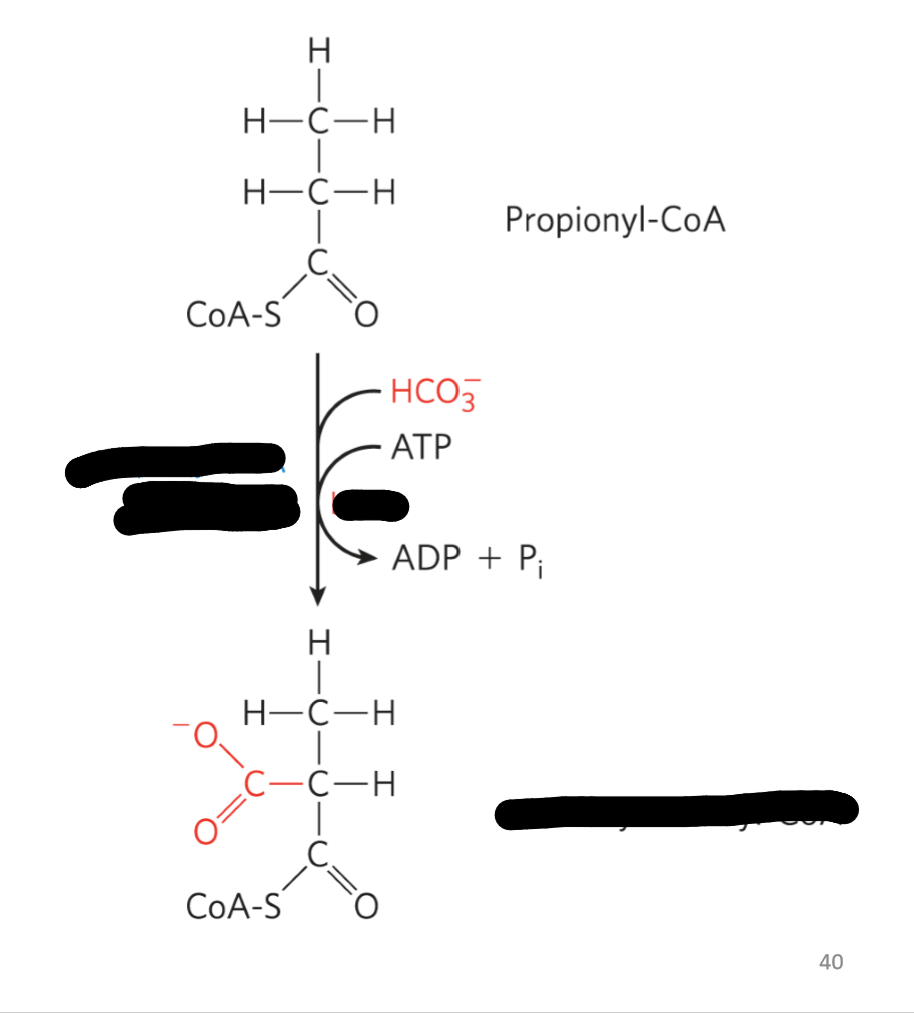
First Step: Enzyme? Cofactor? Product?
Propionyl-CoA carboxylase; biotin; D-methylmalonyl-CoA

Second Step: Enzyme? Product?
Methylmalonyl-CoA epimerase; L-methylmalonyl-CoA
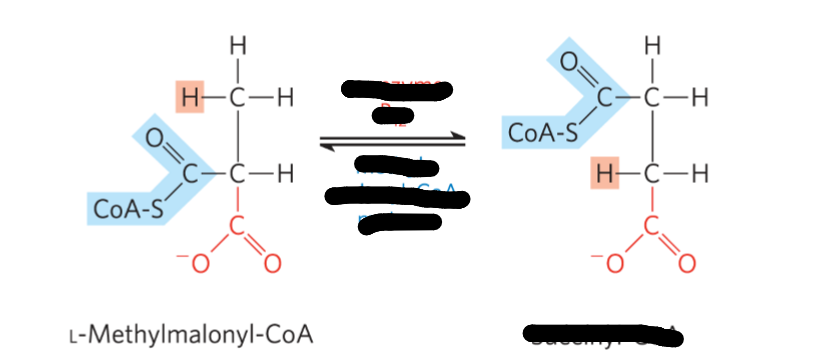
Third Step: Enzyme? Coenzyme? Product?
Methylmalonyl-CoA mutase; coenzyme B12; Succinyl-CoA
What is nice about Succinyl-CoA after the Third Step?
It is an intermediate of the TCA cycle that can produce 5 ATP
Compared to acetyl-CoA, how many ATP does propionyl-CoA produce?
Compared to 10 ATP, propionyl-Co produces 4 ATP (technically 5 ATP from succinyl-CoA in the TCA cycle, but the biotin takes one ATP)
Review Q: How long fatty acyl chains for TFP?
At least 12 carbons long
What happens to fatty acyl chains shorter than that?
They are processed by soluble enzymes in the mitochondrial matrix instead of TFP

What is the same between mitochondrial and peroxisomal beta-oxidation?
The OHOT sequence
What is different between mitochondrial and peroxisomal beta-oxidation (2 things)?
Instead of acyl-CoA dehydrogenase for the first step, it has acyl-CoA oxidase that passes the electrons to O2 instead of to the ETC
Peroxisomal beta-oxidation is much better for very long and very branched fatty acid chains
True or False: The FADH2 in peroxisomal beta-oxidation produces ATP
False because it is oxidized by the enzyme catalase
How many ATP is produced at the end of peroxisomal beta-oxidation?
10, not 14 because no ETC in peroxisome
What is Zellwger Syndrome?
A genetic disorder where the peroxisome is unable to do any metabolism
What is XALD?
A genetic disorder in the ABCD1 gene where the peroxisome is unable to oxidize very long fatty acids due to the lack of a transporter in the membrane
In relation to XALD, what happends when very long fatty acid chains build-up and what are some current treatment?
Neurological disorders; treatments include bone marrow transplant, lentiviral therapies, and Lorenzo’s oil
What happens if someone (not you or me) has mutations in both alleles of the medium chain acyl-CoA dehydrogenase (MCAD) isozyme?
Unable to oxidize fatty acids 6-12 carbon long leading to fatty liver, build-up of octanoic acid (8:0), coma, and possibly death
True or False: No matter what you eat, it can be made into acetyl-CoA for fatty acid biosynthesis
True
What are the differences between fatty acid breakdown/beta-oxidation and biosynthesis (3 things)?
Biosynthesis requires malonyl-CoA, which is generated from bicarbonate (HCO3^-) and acetyl-CoA
Uses different enzymes
(Review) Breakdown in mitochondrial matrix while biosynthesis in the cystosol
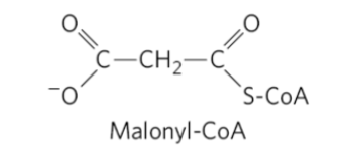
How do we go from acetyl-CoA to malonyl-CoA?
Acetyl-CoA carboxylase with a biotin prosthetic group covalently bound to Lysine residue

Step 1 of the Acetyl-CoA Carboxylase Reaction
The carboxyl group of bicarbonate is transferred to biotin in an ATP-dependent reaction

Step 2 of the Acetyl-CoA Carboxylase Reaction
The carboxyl group is carried by biotin to a different active site, where the CO2 is attached to acetyl-CoA yielding malonyl-CoA
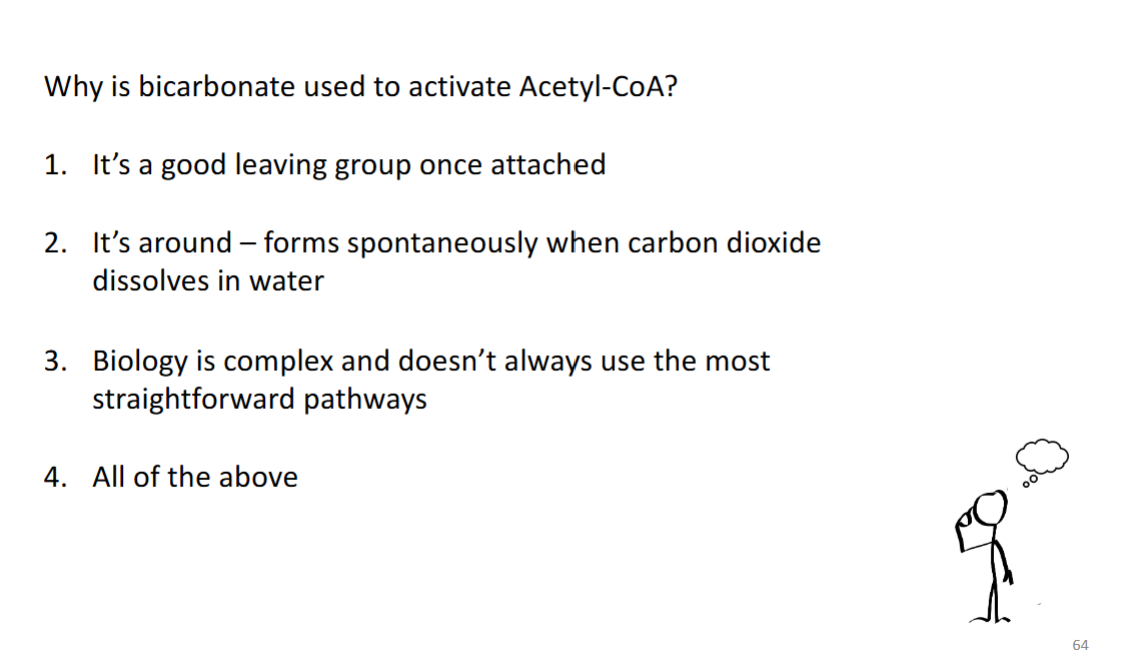
4
What does fatty acid synthase do?
Catalyzes the assembly of fatty acid chains in the cytosol through a repeating 4-step sequence beginning with malonyl-CoA and acetyl-CoA before elongating by 2 carbons each sequence until 16 carbons

Why does Dr. Eden say fatty acid synthesis is anti-OHOT (CRDR)?
It is reverse of OHOT, but condensation, reduction, dehydration, and reduction

Fill in the blanks
Condensation releases CO2; Reduction using NADPH to NADP+; Dehydration releases H2O

Fill in the blanks
Reduction using NADPH to NADP+ and Translocation
What are the cofactors and activating groups in fatty acid breakdown?
NAD^+ and FAD as electron acceptors; the thiol (-SH) group of coenzyme A is the activating group
What are the cofactors and activating groups in fatty acid synthesis?
NADPH as a reducing agent (gets oxidized) and the activating groups are two different enzyme-bound -SH groups (betaketoacyl-ACP synthase and the acyl carrier protein)
What does the 4'-phosphopantetheine of the acyl carrier protein do?
A flexible, prosthetic group of ACP (also in coenzyme A) that puts the fatty acyl chain on the FAS complex and carries intermediates from one active site to the next

Can the -SH be easily swapped?
Yes because they are structurally equivalent

True. 4′-Phosphopantetheine

A