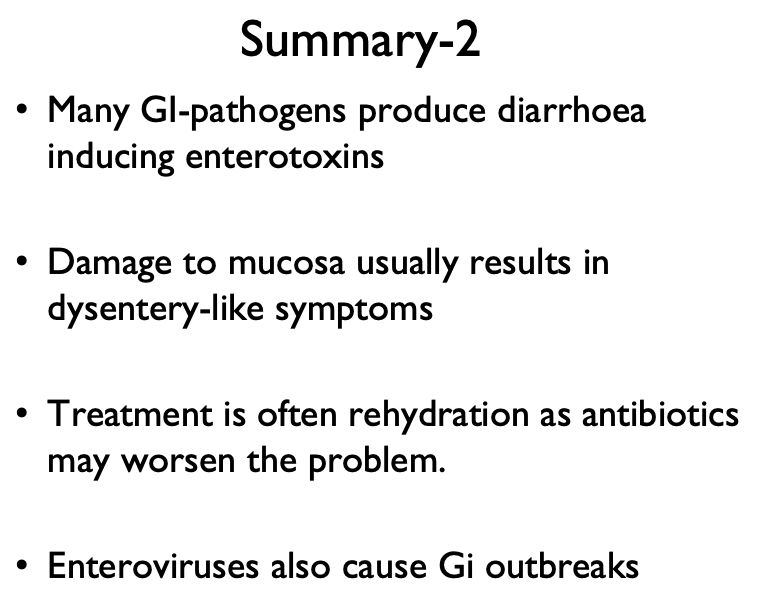
BACTERIA AFFECTING THE GI TRACT
 Call Kai
 Learn
 Practice Test
 Spaced Repetition
 Match
 Flashcards
 Knowt Play
1/85

There's no tags or description
Looks like no tags are added yet.
86 Terms
what organs does the GI tract consist of (mainly)
mouth
oesophagus
stomach
small intestine
large intestine
rectum
anus
what is gastroenteritis
gastroenteritis: syndrome characterised by GI symptoms including nausea, vomiting, diarrhoea and abdominal pain
what is diarrhoea
diarrhoea: abnormal faecal discharged characterised by frequent and/ or fluid stool
associated with increased fluid and electrolyte loss - often disease of small intestine
what is dysentery
dysentery: abnormal inflammation of GI tract characterised by pain, fever, abdominal cramps
often blood and pus in faces - often disease of large intestine
what is enterocolitis
enterocolitis: inflammation of the mucosa of the small and large intestine
what defences against pathogens are present in the mouth (4)

what defences against pathogens are present in the oesophagus (2)

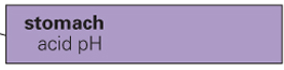
what defences against pathogens are present in the stomach
what defences against pathogens are present in the small intestine (7)

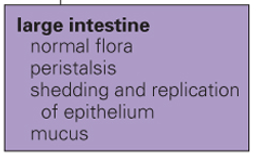
what defences against pathogens are present in the large intestine (4)
what is food poisoning
strictly refers to the ingestion of toxins/ poisons in food e.g. bacterial toxins or heavy metals
bacteria grow and multiple in food
cooking kills bacteria but toxin can still be active » intoxication (TOXIN produced causes food poisoning not the actual bacteria)
which bacteria can cause food poisoning
Staphylococcus aureus
Clostridium botulinum
Bacillus cereus
outline S.aureus as a cause of food poisoning
grows in food after human contamination (mainly dairy)
cooked meats, pre-packed sandwiches
50% of strains produce heat-stable enterotoxins »
3-6h of severe vomiting
self-limiting
how do the 50% of S.aureus strains cause food poisoning
they produce heat-stable enterotoxins that are resistant to stomach acid and digestive enzymes
what are the main routes of infection of S.aureus
food preparation
naso-pharyngeal carriage (commensal in nose and throat)
outline Clostridium botulinum
neurotoxins produced by C.botulinum causes botulism
heat-stable toxin ingested through food »
flaccid paralysis and death
infant botulism most common
outline Bacillus cereus
‘fried rice syndrome’
both self-limiting

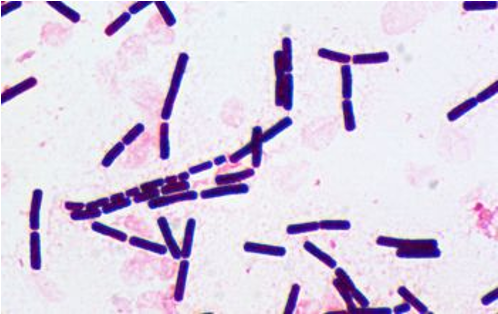
is B.cereus Gram positive or negative
Gram positive
outline how the stomach protects the body against pathogens
gastric acid provides effective barrier to most infections due to low pH (1-2)
many bacteria transiently pass through the stomach before infecting the lower GI tract
but these must be able to resist the low pH during passage through the stomach
what does the bacteria Helicobacter pylori cause
gastric (stomach) ulcers

why is Helicobacter pylori special
can resist and survive against the low pH in the stomach
can therefore live in and infect the stomach » gastric ulcers

how does Helicobacter pylori survive in the low pH of the stomach
produces urease (enzyme) which enables it to survive long enough to find a home in acidic environment
ammonia neutralises acid in immediate area and creates a protective cloud around the bacteria

diagram showing infective cycle of H.pylori
if inflammatory process carries on for a long time (chronicity) it could lead to gastric cancer

what test can be done to detect H.pylori
ammonia basis of breath test
what are gastric ulcers treated with
proton-pump inhibitor PLUS metronidazole/ amoxicillin/ clarithromycin
what are food-associated infections
ingestion of contaminated food that contains an infectious dose of bacteria (>ID50)
faecal-oral spread
WASH HANDS!

outline the treatment for diarrhoea
fluid and electrolyte replacement is essential
antibiotic treatment often not successful and may worsen problem
because it wipes out competing organisms or stimulates toxin production (C.diff can cause these)

outline E.coli
Gram-negative rod
major cause of diarrhoeal disease and gastroenteritis worldwide
some strains reside in normal commensal flora
others infect urinary tract and cause meningitis
what is a complication of diarrhoeal disease caused by E.coli
haemolytic uremic syndrome (HUS)
rare, serious medical condition that damages small blood vessels » blood clots
how does E.coli enter the body if it causes diarrhoea
ingested in food or via faecal-oral transmission

what does the genetic diversity of E.coli depend on (3)
genetic diversity dependent on:
plasmid
lysogenic phage
transposon encoded ‘pathogenicity islands’

how is E.coli detected in a lab setting i.e. in culture
MacConkey agar (contains lactose)
E.coli is one of the only gastropathogens that ferments lactose » pink/ red colonies


how would E.coli appear on Hektoen enteric agar
bright orange/ brown

if there was a serious E.coli outbreak, what tests would be used to detect E.coli and why
PCR/ antigen tests for serotypes
to see if there are different strains are present
table showing pathogenic strains of E.coli
AMR = antimicrobial resistance
(remember diarrheagenic)

outline enteropathogenic E.coli (EPEC)
bundle-forming pili important in attachment
type III secretion system injects proteins into host to manipulate cytoskeleton
how does EPEC infect cells
via:
Tir = translocated intimin receptor
intimin - mediates intimate attachment to epithelial cells
how does EPEC » diarrhoea
E.coli causes ‘attaching and effacing lesion ‘(specific type of damage to intestinal lining)
leads to watery diarrhoea


outline enterotoxigenic E.coli (ETEC)
attach via adhesive pili
produce heat stable (ST) and labile (LT) enterotoxins that cause diarrhoea
enterotoxins are cholera-like
common cause of travellers diarrhoea/ Delhi belly
no blood in diarrhoea
outline enterohemorrhagic E.coli (EHEC/ STEC)
attachment similar to EPEC (bundle-forming pili)
produces Shiga-toxin (STx)
EHEC infections also cause hemorrhagic colitis and HUS
what is Shiga toxin
a potent diarrhoeal toxin (causes diarrhoea)
acts via damaging blood vessel (endothelial) cells directly
what is haemorrhagic colitis
clinical syndrome characterised by bloody diarrhoea
destruction of mucosa » bleeding » spread to kidneys
spread to kidneys can lead to haemolytic urinary syndrome (HUS)
what proportion of HUS leads to kidney failure
15% of HUS cases lead to kidney failure

what is Shigella and list some species
bacteria that causes intestinal infection » diarrhoea
Shigella dysenteriae » bloody stools
Shigella sonnei (milder form)
Shigella flexneri (milder form)
how can Shigella sonnei and flexneri be differentiated in a lab


where is Shigella commonly found in and how is it spread
more common in poorer countries with poor water quality
spread faecal-orally often via water contamination
outline Salmonella
historically most common food-associated pathogen in UK
former no.1 cause in UK
spread from food (mainly chicken and dairy) but also person to person
usually a severe but self-limiting diarrhoea and enterocolitis
how does Salmonella cause the characteristic symptoms of food poisoning
invade M-cells then spread to surrounding epithelium
M-cells = specialised intestinal epithelial cells
Salmonella enterica causes…
causes uncomplicated diarrhoea
name other Salmonella spp.
S.typhimurium
S.enteritidis
what is the appearance of Salmonella on MacConkey agar

what is the appearance of Salmonella on Hektoen enteric agar
blue-green colonies with a black centre/ completely black due to hydrogen sulfide production

which bacteria causes typhoid (enteric) fever
Salmonella typhi
outline how a typhoid fever infection starts and spreads
infection initiates in the intestine
spreads systemically - transported in macrophages around body
seeds many organs before further spread
what symptoms does typhoid fever cause
causes increasing fever over 14 days » GI symptoms
GI lesions and haemorrhage
toxicaemia (endocarditis)
meningitis
what is the mortality rate of typhoid fever and what proportion of people become carriers
pre-antibiotics: 12-16% bacteria died
estimated 11-20 million people get sick from typhoid
128,000-161,000 people die from it every year with increasing resistance
1-3% become carriers (gall-bladder » carriage » transmission)
how can typhoid fever be prevented
Vi antigen vaccine (recommended for travel)
what is the no.1 cause of food poisoning in the UK
Campylobacter spp.
Campylobacter jejuni most common
what kind of bacterium is Campylobacter spp.
Gram-negative
micro-aerophile: requires environments containing lower levels of dioxygen than those present in the atmosphere
how is Campylobacter spp. acquired
acquired by ingestion of contaminated food
major reservoir in chickens (>75% of all we buy are colonised)
what are symptoms of a Campylobacter infection
similar to shigellosis and samonellosis
ulceration of jejunum
diarrhoea (up to 10 movements a day)
what are complications of a Campylobacter infection
Guillame-Barre syndrome
reactive arthritis
what is unique about Campylobacter
longer lasting illness - up to 3 weeks
what is the most significant historical GI bug
Vibrio cholerae (causes cholera)
cause of 8 recorded worldwide pandemics since 1817
outline Vibrio cholerae
Gram-negative
motile
comma shaped bacterium
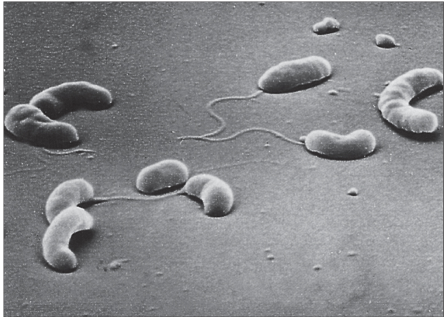
what areas are most affected by cholera
mainly developing countries
estimated 1.3-4 million cholera cases per yr
21,000-140,000 deaths due to cholera per yr
diagram showing how V.cholerae affects the body

why is there a possible marine invertebrate reservoir of V.cholerae
because V.cholerae can survive in fresh and sea water
is the infectious dose of V.cholerae small or large
large (>108)
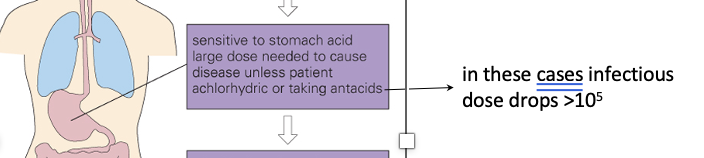
what are the effects of cholera caused bys
the cholera toxin
what is the most important cholera serotype
O1
what is the normal net flow of water
normal net flow of water is from lumen » tissue

how does the net flow of water change when the cholera toxin is present

what does the rapid fluid loss due to the cholera toxin result in
loss of 1-2L of fluid per hr in full-blown cases
rapid fluid and electrolyte replacement required or dehydration + death
what are signs and symptoms of cholera infection
characteristic rice-water stool
no tissue damage - all symptoms due to massive fluid loss
extreme dehydration

how can cholera infection be prevented
several vaccines now available but only temporary immunity was gained
WHO uses ShancholTM vaccines currently with 6m-2y of protection
best prevention method: improvement of water system and sanitation
hard to get aid for this esp. in war-torn/ poor health coverage regions
what is one cause of community acquired C.diff infection (CDI)
prescription of antibiotics leading to off-target consequences


what is another cause of GI infections
of the 3m infants that die from gastroenteritis 20% are viral sources (major problem in developing countries)
children may have 60 days of diarrhoea per yr
major effect on growth and nutrition
very hard to identify non-bacterial cases

how are viruses that cause GI infections spread
mainly oral-faecal
which viruses cause GI infections
rotaviruses
winter vomiting virus (norovirus)

outline rotaviruses
wheel-like viral particle
diarrhoea caused by tissue damage in small intestine
main risk: dehydration
very low infectious dose
very contagious
very resistant to cleaning products
outline winter vomiting virus
norovirus
common in hospital settings - hard to clean away
what are symptoms of norovirus
chills
headache
fever
nausea
vomiting
after how long do you recover from norovirus
recovery in 24-48h