Sexually Transmitted Infections
 Call Kai
 Learn
 Practice Test
 Spaced Repetition
 Match
 Flashcards
 Knowt Play
1/35

There's no tags or description
Looks like no tags are added yet.
36 Terms
Sexually Transmitted Infections
STIs are infections spread through intimate/sexual contact.
Your deck focuses on:
transmission
symptoms
diagnosis
treatment
complications
prevention
nursing assessment
patient teaching
What are STIs?
STIs can pass from one person to another during intimate contact and that many infections occur in adolescents and young adults.
examples:
Chlamydia
Gonorrhea
Genital herpes
Hepatitis B
HIV
HPV
Syphilis
Trichomoniasis
ATI/NCLEX idea
Do not assume every STI causes obvious symptoms.
Many can be:
➡ asymptomatic
and still spread.
Why STIs Matter?
STIs remain a major public-health problem
they can cause permanent consequences
some infected people do not tell partners
nurses must recognize their own feelings and avoid judgment Sexually Transmitted Infections
ATI nursing principle
Provide care without:
shame
judgment
assumptions
Use neutral, respectful questions.
STI Statistics
CDC-style statistics from 2021 and 2022.
The important exam idea is not memorizing the exact numbers.
Know that:
chlamydia is very common
gonorrhea remains common
syphilis has increased
congenital syphilis is a major concern
Diagnostic Tests
Serologic tests
Blood tests can detect infections such as:
hepatitis
syphilis
HIV
herpes simplex
CMV
Smears/swabs/cultures
Used for:
discharge
lesion exudate
infected tissue/fluid
The picture on this slide shows examples:
HPV → cervical swab
syphilis → blood test
gonorrhea/chlamydia → swab/urine
HIV → blood/oral testing
herpes → blood or lesion fluid
trich/BV → vaginal swab/urine
Specimens are handled as infectious material. Sexually Transmitted Infections
ATI point
Know:
NAAT/swab/urine = common for gonorrhea/chlamydia
blood testing = common for syphilis/HIV
Pathophysiology Overview
many organisms can be sexually transmitted, but highlights 8 important ones:
syphilis
gonorrhea
chlamydia
trichomonas
hepatitis B
herpes
HIV
HPV Sexually Transmitted Infections
Best way to organize them
Bacterial
chlamydia
gonorrhea
syphilis
Parasitic
trichomoniasis
Viral
HSV
HIV
HPV
hepatitis B
Drug Therapy
groups STI medications into:
antibacterial agents
antivirals
dermatologic agents
HAART Sexually Transmitted Infections
The image shows older HAART categories including:
NRTIs
NNRTIs
protease inhibitors
fusion inhibitors
ATI idea
Bacteria → antibiotics
Viruses → antivirals/antiretroviral therapy
Reporting STIs
cases of several infections must be reported to public health, including:
HIV/AIDS
gonorrhea
syphilis
chlamydia
chancroid
viral hepatitis
Public-health workers can notify exposed contacts so they can be evaluated and treated.
Nursing concept
This is:
➡ public-health reporting/contact tracing
The goal is to reduce transmission.
STI Clinical Guidelines

This is mostly an information/reference slide.
It shows that STI care includes:
assessment/evaluation
prevention
laboratory testing
treatment recommendations
NCLEX thinking
STI care is more than giving medication.
You also need:
testing + prevention + partner management + follow-up
Chlamydia
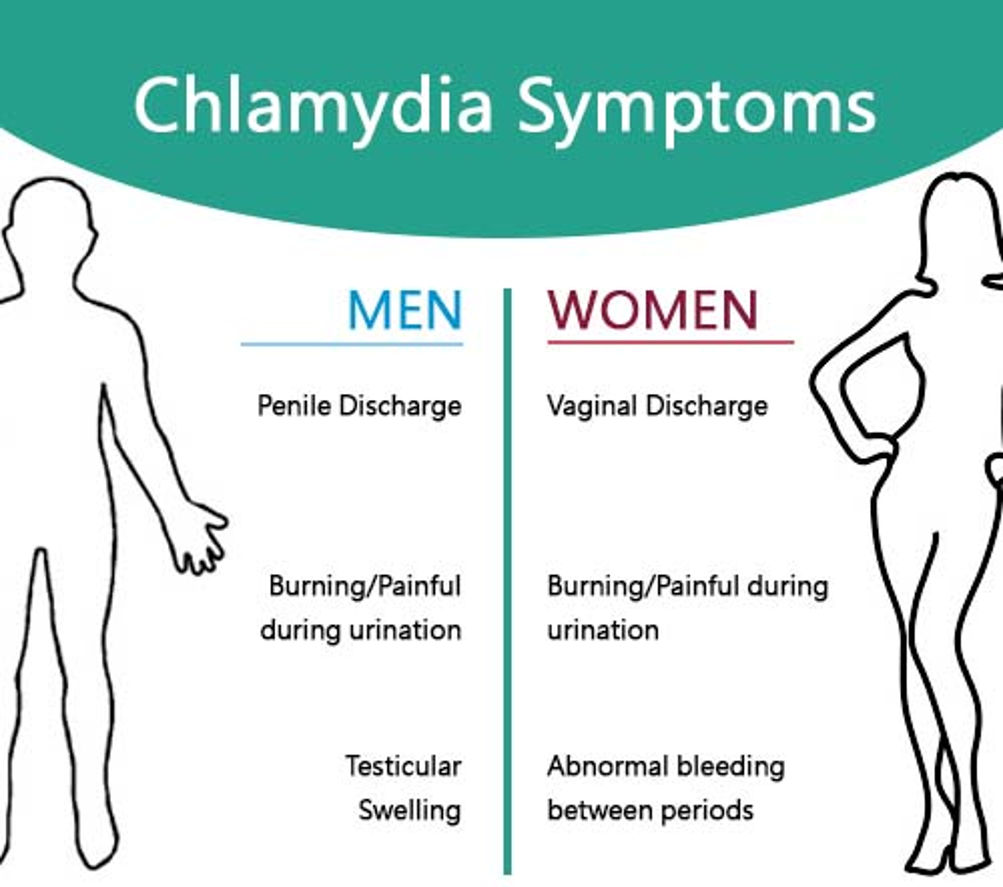
Chlamydial Infection
This slide introduces:
signs/symptoms
complications
diagnosis
treatment
The image shows possible symptoms.
Men
penile discharge
painful/burning urination
testicular swelling
Women
vaginal discharge
painful/burning urination
abnormal bleeding between periods Sexually Transmitted Infections
***•How long after infection are symptoms usually noted?
•Why is erythromycin ophthalmic ointment used for the newborn?
Chlamydia Complications
affects both men and women
can permanently damage the female reproductive system
can make future pregnancy difficult
increases risk for ectopic pregnancy
is often asymptomatic
can still be transmitted without symptoms
requires antibiotic treatment for patient and sexual partners
should prompt screening for other STIs Sexually Transmitted Infections
ATI/NCLEX must know
Chlamydia can be silent.
But untreated infection can lead to:
➡ reproductive damage
➡ infertility
➡ ectopic pregnancy
Partner teaching
Both patient and partner(s) need appropriate treatment.
Chlamydia Pictures

The image shows possible sites:
genital/cervical discharge
eye infection
throat infection
Important idea
Chlamydia is not only a genital infection.
It can affect:
eyes
throat
genital tract
Azithromycin

Azithromycin (Zithromax) as a bacterial antibiotic used for chlamydia.
It also says:
azithromycin is a macrolide-related antibiotic
antacids can decrease absorption
separate antacids from azithromycin by at least 2 hours
antibiotic use can allow yeast overgrowth
azithromycin does not treat yeast infection Sexually Transmitted Infections
ATI teaching
If patient develops:
vaginal itching
new discharge
after antibiotics, think possible:
➡ yeast overgrowth
***vaginal itching or discharge.
This cause yeast infection called thrush. Sometimes the use of Zithromax allows yeast to grow and the above symptoms to occur. Zithromax does not work against yeast.
This may lead to Vaginitis.
Gonorrhea
gonorrhea is not acquired from toilet seats, doorknobs, or towels
symptoms may disappear, but infection can remain if untreated
follow-up after antimicrobial therapy is important Sexually Transmitted Infections
Important concept
Symptoms improving does not automatically mean infection is gone.
Gonorrhea Signs and Symptoms

The slide introduces:
symptoms
complications
diagnosis
treatment
The image shows:
Females
abdominal pain
increased vaginal discharge
painful urination
painful intercourse
bleeding between periods
Males
penile discharge
swollen testes
painful urination
urethral/penile inflammation
***What other modes of transmission may occur other than sexual contact?
When do symptoms typically occur after exposure?
Why is penicillin not used as much as it was in the past?
Gonorrhea Details
gonorrhea:
is caused by bacteria
affects urethra, rectum, throat
can infect cervix in females
can disseminate to heart, meninges, skin, and joints
spreads through vaginal, oral, or anal sex
can infect newborns during birth
may cause painful urination and abnormal discharge
may be asymptomatic
is treated with antibiotics
NAAT is now the preferred diagnostic tool Sexually Transmitted Infections
ATI high yield
Gonorrhea can be asymptomatic.
NAAT = preferred test
Nucleic Acid Amplification Test
NAAT detects genetic material from an organism.
Exam memory
NAAT → gonorrhea/chlamydia
Gonorrhea Teaching/Treatment
use condoms to prevent reinfection
sexual partners should be examined and treated
many women are asymptomatic
a chancre belongs to syphilis, not gonorrhea
gonorrhea is bacterial and can be cured with antibiotics Sexually Transmitted Infections
The medication line on this slide contains dosing text that appears internally inconsistent. For studying this deck, the safe concept to memorize is:
gonorrhea → ceftriaxone-based antibiotic treatment + partner management
rather than relying on the exact dose written on that slide.
Gonorrhea vs Chlamydia

The picture compares both.
Main idea:
Both are:
bacterial
sexually transmitted
often occur together
affect genital organs
spread through sexual fluids/contact with mucous membranes
ATI idea
Because coinfection can occur:
➡ test for more than one STI when appropriate.
Syphilis
syphilis is bacterial
usually spread by sexual contact
starts as a painless sore
can remain inactive for years
untreated disease can damage heart, brain, and other organs
RPR is one lab test used in evaluation
early disease is treated with penicillin Sexually Transmitted Infections
Memory
Syphilis = painless chancre
Syphilis Cause and Transmission

Treponema pallidum
Syphilis can spread through:
sexual contact
skin/mucous membrane contact with lesions
pregnancy → fetus
ATI
Pregnancy + syphilis = concern for:
➡ congenital syphilis.
Stages of Syphilis

This image shows progression:
Primary
Secondary
Latent
Tertiary
The tertiary stage image shows possible:
neurologic problems
cardiovascular problems
gummas
Very high yield
Primary = painless chancre
Secondary = rash
Latent = no symptoms
Tertiary = organ damage
Syphilis Review
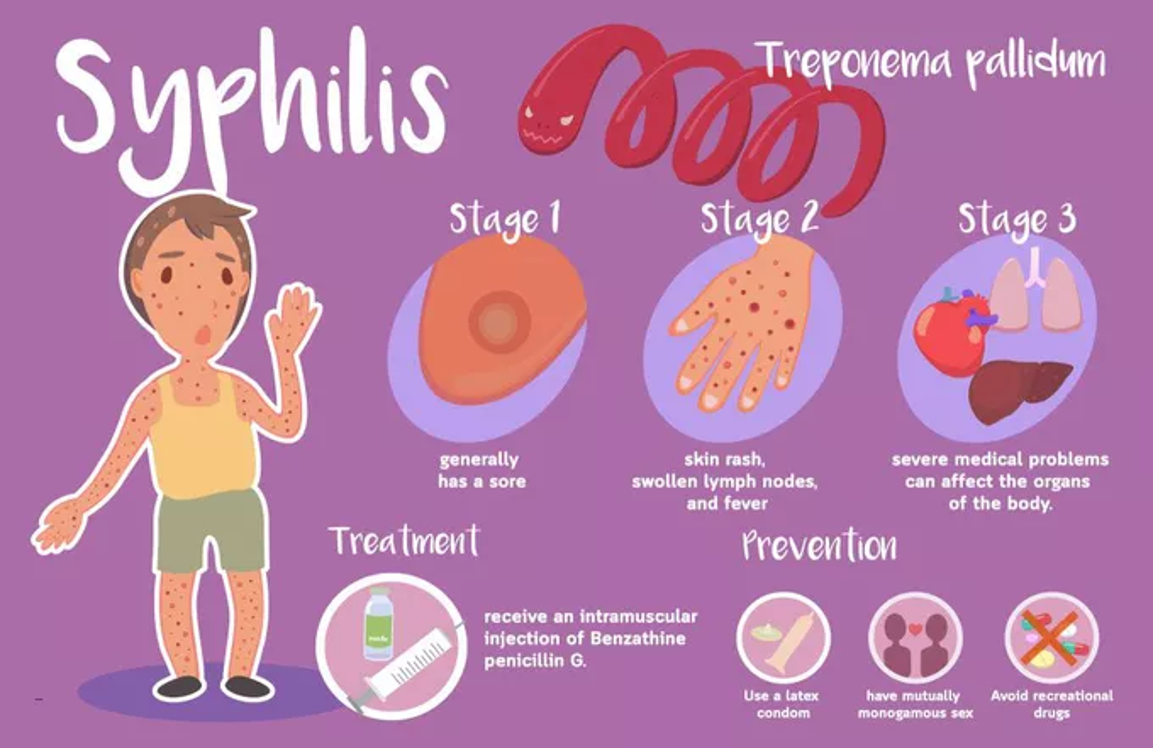
Another transition/review slide:
signs/symptoms
complications
diagnosis
treatment
Primary and Secondary Syphilis
Primary syphilis
Your slide says:
one or more chancres
small, red, painless ulcers
genital, rectal, or oral
appear around 10–90 days after exposure
can heal without treatment
But:
healing does not mean infection is gone.
Secondary syphilis
Your slide describes:
copper-colored rash
palms and soles
moist wart-like lesions
mouth patches
lymph node enlargement
fever
hair loss
weight loss
body aches
sore throat
Treatment is antibiotic-based, especially penicillin G. Sexually Transmitted Infections
ATI clue
Painless chancre → primary
Rash on palms/soles → secondary
***The medication used to treat syphilis is penicillin G, therefore monitoring for an allergic reaction
after administering the drugs would be the highest priority action because of the considerable
risk of an anaphylactic reaction. The nurse should ensure that ordered blood studies are
performed before the administration of the drug. After the administration of the drug, the nurse
should assess the patient for fever, influenza-like symptoms, and malaise. The nurse should
wear gloves to assess skin and mucous membranes because of the disease process, not the
drug administration.
Syphilis Stages Graphic

This picture reinforces:
Primary
Chancre
Secondary
Rash, possibly palms/soles
Latent
Asymptomatic
Late/tertiary
neurologic damage
cardiovascular damage
gummas
Memory
Syphilis starts local, then can become systemic.
HSV-1
our slide says:
HSV-1 commonly causes:
➡ oral herpes/cold sores
Transmission may occur through:
kissing
oral sex
intimate contact Sexually Transmitted Infections
HSV-1 vs HSV-2
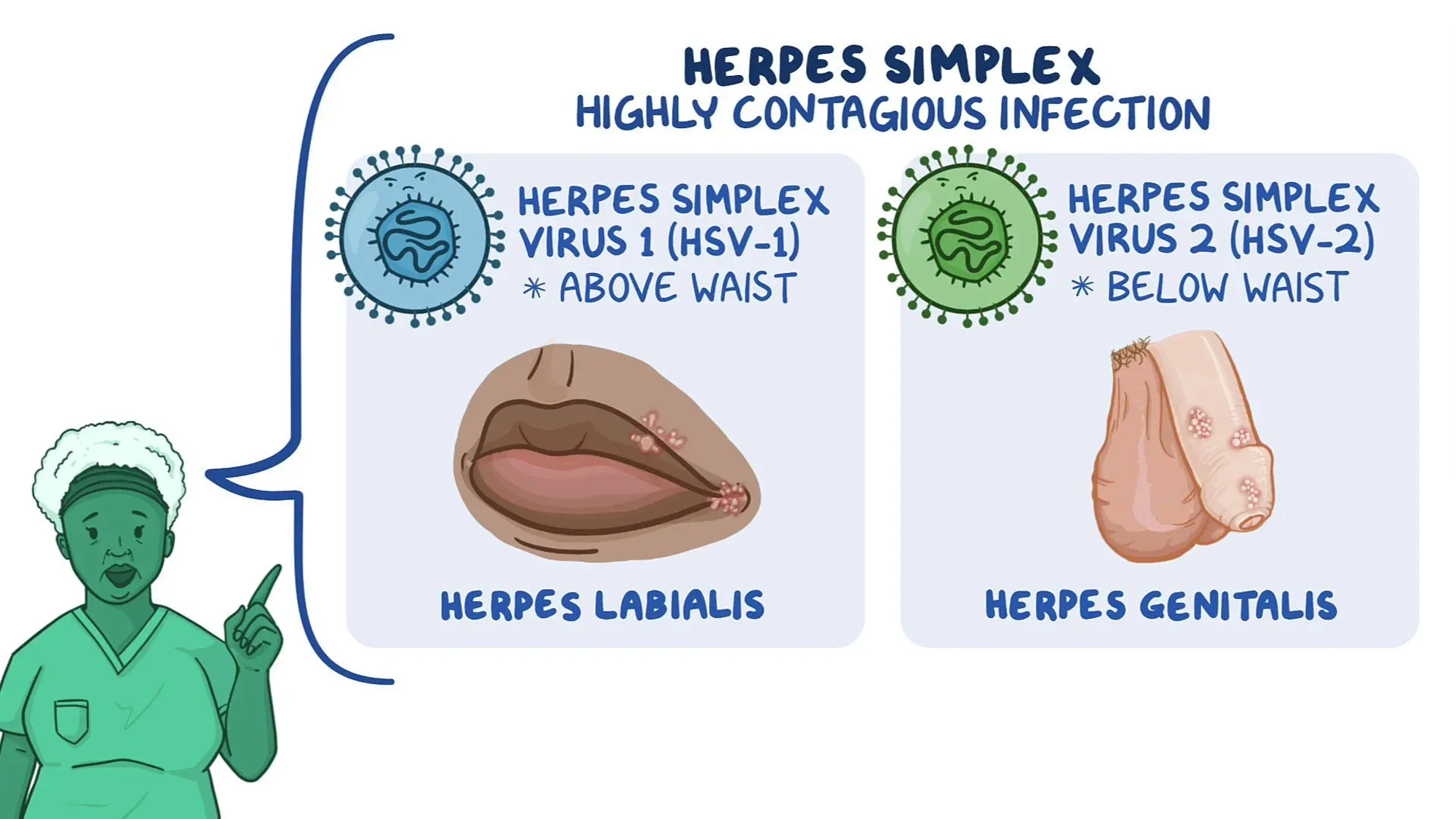
The image simplifies:
HSV-1
Usually oral
HSV-2
Usually genital
But both can infect oral or genital sites.
The important exam idea is:
➡ herpes is a lifelong viral infection
Herpes Simplex Review

Your slide asks about:
prevention
diagnosis
treatment
recurrence
Speaker notes say treatment should start:
➡ during prodromal symptoms or very early in an outbreak. Sexually Transmitted Infections
Prodrome
Early warning symptoms before lesions appear.
Can include:
tingling
burning
itching
•What prevention strategies are used for herpes simplex?
•Although herpes simplex virus types 1 and 2 are similar, type 1 is usually nongenital, with lesions typically above the waist.
•Type 2 is considered an STI because it is most often below the waist and is transmitted by genital contact.
•How long does it take to get results of a Herp-Check?
•Patients should know to start the drug when preliminary (prodromal) symptoms of recurrence are experienced or within 1 day of the outbreak of lesions.
Genital Herpes

usually HSV-2
spreads through skin-to-skin sexual contact
can be mild or asymptomatic
can still spread without obvious symptoms
may cause pain, itching, sores
there is no cure
medicine can reduce symptoms and transmission risk
condoms can reduce spread
autoinoculation can occur by touching lesions then another body area Sexually Transmitted Infections
ATI
Do not say:
“Antivirals cure herpes.”
Correct:
➡ they control outbreaks and reduce symptoms/transmission.
***Herpes simplex lesions can spread through autoinoculation, when a client touches an active lesion then touches another area of the body.
Acyclovir
This slide focuses on:
acyclovir
Used to treat herpes.
The slide notes it can:
relieve symptoms
lower viral activity
but does not eradicate latent virus. Sexually Transmitted Infections
Patient teaching
Start as early as prescribed when recurrence symptoms begin.
Trichomoniasis
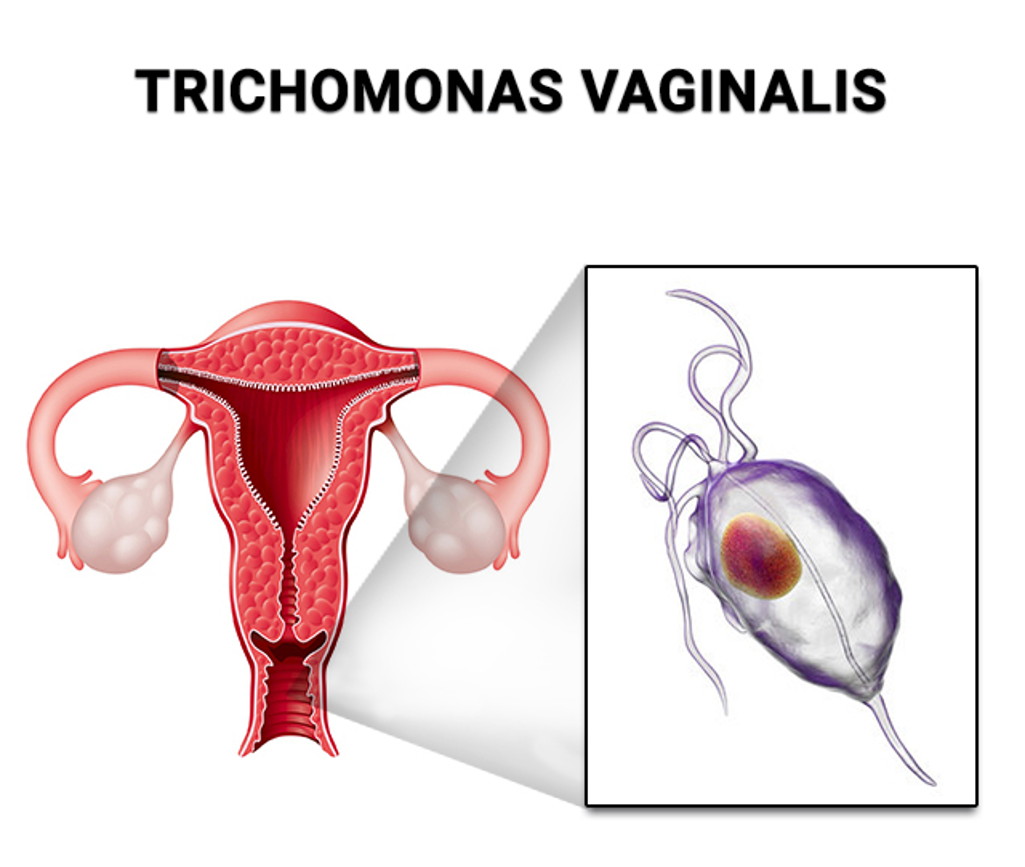
Trichomoniasis
Your slide says trichomoniasis:
is caused by a parasite
may cause foul-smelling discharge
may cause genital itching
may cause painful urination
men may have no symptoms
is treated with metronidazole
patient and sexual partners should be treated at the same time Sexually Transmitted Infections
ATI clue
Trich = parasite
Metronidazole
Treat partner
***The use of alcohol while taking Flagyl has serious side effects. Dark urine is expected, doses
should not be doubled, and the drug should be taken with a full glass of water.
It’s important that the patient and sexual partners be treated at the same time to avoid reinfection.
Trichomoniasis Complications

The image says many patients may have:
➡ minimal/no symptoms
and infection may persist.
The image also links trichomoniasis with increased risk of:
HIV acquisition/transmission
PID
pregnancy complications
ATI
Again:
No symptoms does not mean no infection.
Trichomoniasis Symptoms

frothy, yellowish vaginal discharge with foul odor Sexually Transmitted Infections
Other image findings include:
burning/itching
redness/swelling
painful urination
painful intercourse
Memory
Trich = frothy + foul
Human Papillomavirus
HPV is very common
can cause genital warts
many people have no symptoms
infected people can still transmit it
there is no cure for the virus itself
treatment may remove warts
vaccine prevents important HPV strains linked to genital warts and cervical cancer Sexually Transmitted Infections
ATI
HPV may be:
➡ asymptomatic
and still transmitted.
***•Multiple warts can become so large that they obstruct the vaginal opening or rectal canal.
•When do genital warts tend to grow large?
HPV Strains

Low-risk HPV
Often linked to genital warts.
High-risk HPV
Linked to malignancy/cancer.
The slide specifically highlights:
6 and 11 → genital warts
16 and 18 → higher cancer risk
Memory
Low-risk = warts
High-risk = cancer risk
Genital Warts

skin-colored growths
often painless
may itch/burn
caused by HPV
risk factors include unprotected sex, multiple partners, smoking, immunocompromise
Treatment options shown include:
cryotherapy
topical therapy
laser
surgery
Genital Warts Treatment

flesh-colored or cauliflower-like.
It also mentions treatment with:
imiquimod (Aldara)
and HPV vaccination for prevention. Sexually Transmitted Infections
ATI visual clue
Cauliflower-like genital lesion → HPV/genital warts