BIO 343 - Exam 1
 Call Kai
 Learn
Learn Practice Test
 Spaced Repetition
 Match
Match Flashcards
 Knowt Play
1/217

There's no tags or description
Looks like no tags are added yet.
Name | Mastery | Learn | Test | Matching | Spaced | Call with Kai | Chat |
|---|
No analytics yet
Send a link to your students to track their progress
218 Terms
microorganisms
species too small to be seen by the naked eye and are the most populous group of organisms on earth
involved in: recycling essential elements back into the environment, being a nutrient source for other organisms, photosynthesis involvement, and antibiotic involvement
Prokaryotes:
lack a true membrane-bound nucleus
has 1 chromosome that’s circular
no histone proteins
no organelles
has a peptidoglycan cell wall
replicate by binary fission
70S ribosomes (smaller)
gyrase enzyme
Eukaryotes:
have a membrane-bound nucleus
have paired chromosomes that are linear
has histone proteins
has organelles
some have a polysaccharide cell wall
replicate through mitosis
80S ribosomes (bigger)
no gyrase
What are the major differences between Eukaryotes and Prokaryotes?
True
Prokaryotes do not have any membraned structures inside them
True or False:
Prokaryotes lack organelles
False
Viruses are not cells
Viruses need host cells to survive
But they are the smallest microbes
True or False:
Viruses are the smallest cells
viruses
the smallest of all microbes
viruses are composed of:
1) a nucleic acid (its genetic material)
2) protein
What are viruses composed of?
prions
defective, misfolded proteins
prions
named after “proteinaceous infection” because it can cause other properly-folded copies of a protein to misfold
1) Bacteria
2) Archaea
3) Eukarya
What are the classifications of microorganisms?
Bacteria and archaea
__________ and __________ are the domains classified as prokaryotes
Archaea
prokaryotes usually found in extreme environments
False
most bacteria are NOT pathogenic
it’s true that archaea are not pathogenic
True or False:
Most bacteria are pathogenic but archaea are not pathogenic
Bacteria cell walls have peptidoglycan (most types)
Archaea do not have peptidoglycan
What is the difference between the cell walls of Bacteria and Archaea?
True
True or False:
Fungi are part of the Eukaryotic domain
Anthony von Leeuwenhoek
the first person to observe and describe microorganisms and inventor of the first microscope
spontaneous generation
What scientific theory did scientists think led to the creation of life prior to the 1600’s?
spontaneous generation
the theory that living organisms can develop from non-living or decomposing matter
biogenesis
the theory that living organisms are created from other life forms (that life begets life)
Francesco Redi
__________ was the scientist that studied maggots and fly eggs on decaying meat to prove the flaws in spontaneous generation
John Needham
__________ was the scientist that put mutton broth in a flask, boiled it, sealed it, and then saw that the broth became cloudy (microorganisms formed), thus he believed that spontaneous genereation occurred
the broth was sealed after boiling, allowing contamination from the open air to get into the flask (that’s why the microorganisms grew after sealing)
What was the flaw with John Needham’s broth experiment?
Lazzaro Spallanzani
__________ was the scientist that put broth in a flask, sealed it, then boiled it, and showed that the broth did not cloud, thus disproving the theory of spontaneous generation
Louis Pasteur
__________ was the scientist that used broth in swan-neck flasks to trap microorganisms, refuting spontaneous generation
John Tyndall
__________ was the scientist that demonstrated that dust carries microorganisms and provided evidence for the existence of heat-resistant forms of bacteria
studying plants
scientists discovered that a disease in silkworms was created by a fungus microbe
How did scientists first figure out microbes are involved in human diseases?
Lister
__________ was the scientist that first used aseptic techniques during surgery to prevent infections
Koch’s postulates
1) the microorganism must be present in every case of the disease and absent in healthy people
2) suspected microorganisms must be isolated and grown in a pure culture (so that the microorganism can be characterized)
3) the same disease must result when the isolated microorganism is inoculated into a healthy host
4) the same microorganism must be isolated again from that diseased host
The set of criteria used to establish a link between a certain microorganism and a certain disease. What are the 4 criteria?
microbes
first living organisms
microbes are ubiquitous
ubiquitous means they live everywhere life is possible
__________ are ubiquitous. What does that mean?
Bacteria are categorized by their gram stain reaction
there are gram positive bacteria and there are gram negative bacteria
How are Bacteria categorized?
1) bacilli - rod-shaped
2) cocci - spherical
3) spirilla - rigid helix
4) spirochetes - flexible helix
List the 4 main bacteria shapes:
spirilla
What is the bacteria shape?

spirochetes
What is the bacteria shape?

diplococci
What is the bacteria shape?
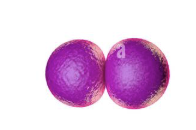
staphylococci
What is the bacteria shape?

streptococci
What is the bacteria shape?

vibrio
What is the bacteria shape?
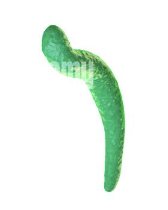
sarcinae
What is the bacteria shape?

tetrad
What is the bacteria shape?

streptobacili
What is the bacteria shape?

coccobacilli
What is the bacteria shape?

True
True or False:
Most bacteria are monomorphic, meaning they maintain the same shape throughout their life cycle
nucleoid
the area of the cell where most DNA is concentrated
protoplasts
bacterial cells that have had their cell walls removed
the detergent will cause cell lysis (since the protoplast lacks a protective cell wall) and only the nucleoid will remain intact
What happens when detergent is added to protoplasts?
closed DNA
circular
double-stranded
some DNA attaches to the cell membrane
millions of nucleotides in length
Describe prokaryotic chromosomes:
False
Prokaryotic DNA is double-stranded
True or False:
Unlike Eukaryotic DNA (which is double-stranded), Prokaryotic DNA is single-stranded
HLP (histone-like proteins)
proteins involved in the folding and compacting of DNA in the nucleoid
plasmids
a small, closed, circular ring of DNA that is present in some bacterial cells’ supercoiled nucleoid, and provide those cells with a selective advantage
False
they just don’t have the advantage the plasmid provides
True or False:
Cells without plasmids are harmed
True
plasmids may not get accurately segregated during division, causing one cell to end up with 2 plasmids and the other to end up with 0
the cell that has no plasmid is said to be “cured of plasmid”
True or False:
Bacterial cells can have 2 plasmids at the same time
True
plasmids replicate independently from the bacterial chromosome
True or False:
Plasmids have their own replication origin
R-Plasmids
plasmids that encodes for drug resistance and a pillus
F-Plasmids (Fertility Plasmids)
plasmids that encode for the building of a pillus (a protein bridge that connects two conjugating/mating cells) and allowing for easier movement of DNA (genetic exchange/mating) of one bacterium to the other bacterium
ribosomes
the site of protein synthesis in the cell
1) protein
2) rRNA
What are ribosomes made of?
False
Prokaryotes have 70S ribosomes
Eukaryotes have 80S ribosomes
the “S” stands for Svedberg which is the unit by which ribosomes are measured (determined by its buoyancy)
True or False:
Prokaryotes and Eukaryotes have the same-sized ribosomes
cytoskeleton
homologous proteins of the elements of the __________ in Eukaryotes have recently been found in from Prokaryotes
cytoskeleton
the functions of this organelle include: cell shape, cell division, protein localization
inclusion bodies
granules of organic or inorganic material that are stockpiled by the cell for future use
False
inclusion bodies are not present in all bacteria
but inclusion bodies do lack a membrane
True or False:
The inclusion bodies that are present in all bacteria have no membrane
True
True or False:
All living organisms have membranes
cell membrane
separates the cell from its environment
gram positive rod
This bacterial cell is a __________ (shape and cell wall description)

inclusion body
What is structure A?

capsule
What is structure B?
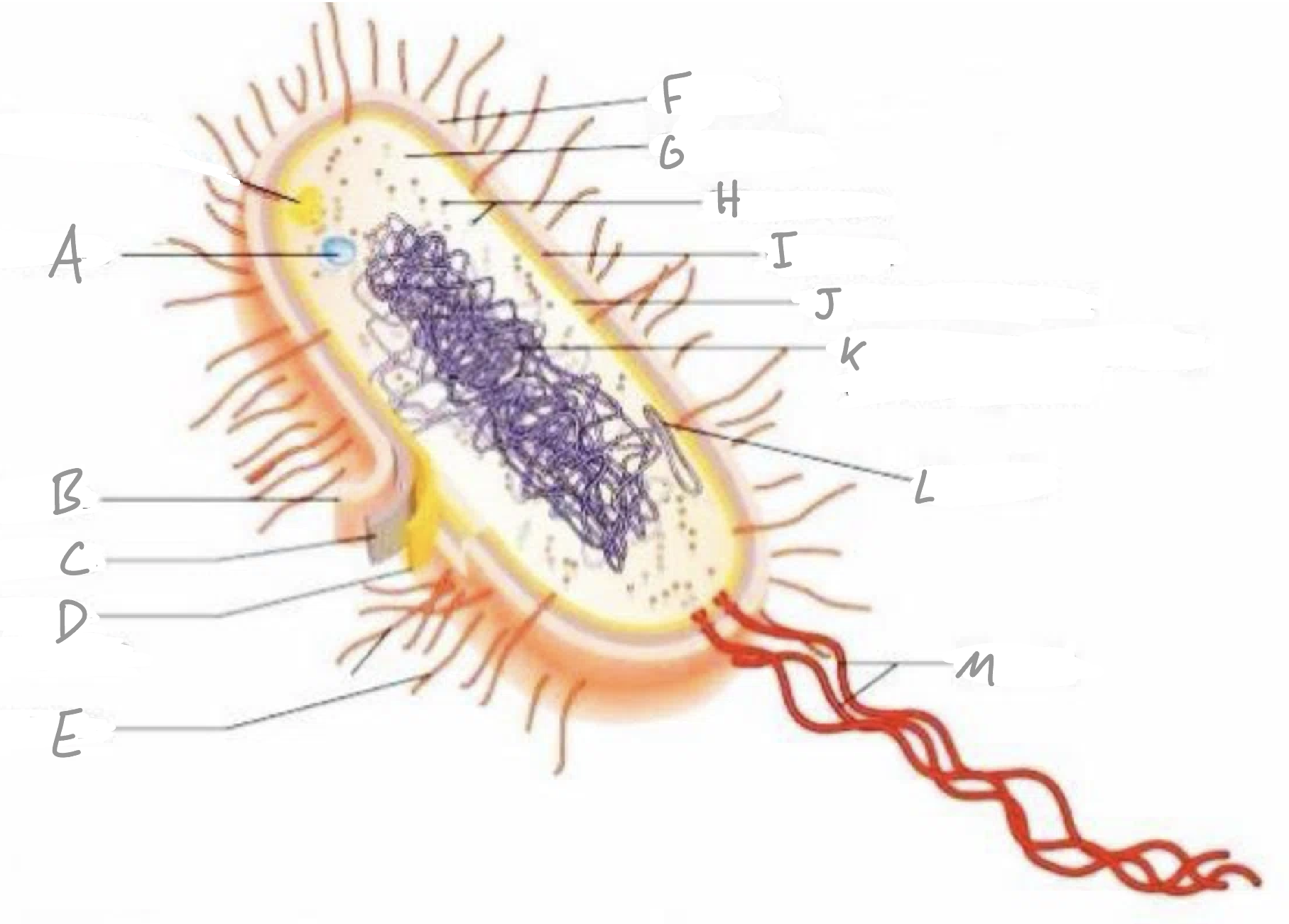
cell wall
What is structure C?

plasma membrane
What is structure D?

fimbriae
What is structure E?

capsule
What is structure F?

cytoplasm
What is structure G?

Ribosomes
What is structure H?

cell wall
What is structure I?

plasma membrane
What is structure J?

nucleoid
What is structure K?

plasmid
What is structure L?

flagella
What is structure M?

the cell membrane being a selectively permeable barrier allows for some molecules to pass into and out of the cell using the aid of transport systems
it allows for a more efficient transport of molecules
Why is it important that the cell membrane is selectively permeable?
False
The cell membrane contains receptors and allows molecules to pass through
True or False:
The cell wall contains receptors that detect chemicals to know what should and shouldn’t be allowed to pass through
the cell membrane is a phospholipid bilayer, which contains:
a phosphate head - polar and hydrophilic
a phospholipid tail - non-polar and hydrophobic
there are proteins and pores embedded in the layers
What is the cell membrane made out of? Describe it
1) Peripheral proteins - embedded on the outside of the membrane
2) Integral proteins - embedded in the membrane
3) Transmembrane proteins - type of integral protein that spans the whole membrane (reaches outside to inside)
What are the types of proteins present in the cell membrane?
cell membrane
The __________ is described as a “fluid mosaic model”
peptidoglycan
Bacterial cell walls are made of __________
cell wall
the main function of this structure is to prevent osmotic lysis
osmotic lysis
occurs when cells are placed in hypotonic solution, and the movement of water into the cell causes swelling and bursting due to the build up of pressure
penicillin inhibits the synthesis of peptidoglycan in bacterial cell walls, causing these cells to lyse
How does penicillin help antibiotic resistance?
lysozyme
the enzyme that breaks down the cell wall
peptidoglycan
polymer of disaccharides NAG (N-acetylglucosamine) and NAM (N-acetylmuramic acid) that are linked by polypeptides
Gram positive
has a thicker envelope
less complex
has lipoteichoic acid and teichoic acids embedded in the peptidoglycan
has a small periplasmic space located between the plasma membrane and the cell that’s smaller
Gram negative
has a thinner envelope but is surrounded by an outer membrane
more complex
has lipopolysaccharide in the outer membrane, lipids, and Braun’s lipoproteins, and porin (protein channels)
has a large periplasmic space
What is the difference between gram-positive and gram-negative bacteria?
False
Some archael membranes are composed of a monolayer structure
True or False:
All prokaryotes have a phospholipid bilayer membrane
glycocalyx
the network of polysaccharides extending from the surface of the cell, and its function is to protect the cell from phagocytosis and harsh environments, and to attach to surfaces
bacteria cell walls have peptidoglycan
archae cell walls vary but usually contain heteropolysaccharides
What is the main difference between bacteria cell walls and archae cell walls?
capsules and slime layers are types of glycocalyx
__________ and __________ are both types of glycocalyx
capsules
glycocalyx composed of polysaccharides and are well-organized
slime layers
glycocalyx composed of polysaccharides and are loosely-organized and easily removed
protein
fimbriae are made of __________
fimbriae
short, hair-like proteinaceous appendages on some bacterial cells
attachment to surfaces
twitching/gliding motility in some bacteria
What are the main functions of fimbriae?
sex pili
long, thick proteinaceous appendages on some bacterial cells
to create a bridge for DNA between two bacterial cells that are mating (conjugating)
What is the main function of sex pili?