Pre-Class Review Topics 2.3 + 2.4
 Call Kai
 Learn
 Practice Test
 Spaced Repetition
 Match
 Flashcards
 Knowt Play
1/27

There's no tags or description
Looks like no tags are added yet.
28 Terms
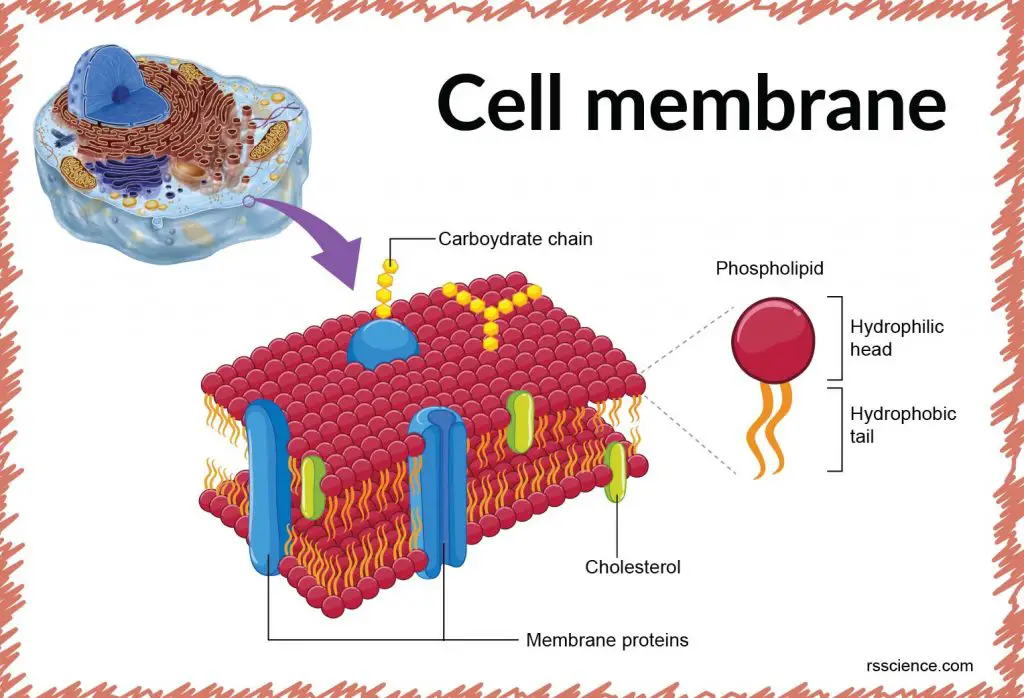
Cell Membrane Function
Acts as a protective barrier and controls what enters and exits the cell.

Amphipathic Phospholipids
hydrophilic

Peripheral Proteins
Found on the outer or inner surface of cell membranes, loosely bonded.

Transmembrane Proteins
Integral proteins that span completely across the cell membrane.

Fluid Mosaic Model
Describes the membrane as a flexible lipid bilayer with a diverse mosaic of drifting proteins.

Role of Cholesterol
Acts as a fluidity buffer across hot and cold temperatures.

Membrane Carbohydrates
Serve as cell-recognition ID tags attached to lipids or proteins on the outer surface.

Saturated Fatty Acid Chains
Straight, linear tails that pack tightly, resulting in a rigid, less fluid membrane.

Unsaturated Fatty Acid Chains
Bent or kinked tails that prevent tight packing, increasing membrane fluidity.

Hydrophilic Phospholipid Heads
Form electrostatic attractions and hydrogen bonds with surrounding water molecules.

Selective Permeability
The ability of membranes to regulate substances entering and exiting.

Integral vs. Peripheral Proteins
Integral proteins are embedded in the bilayer
peripheral proteins are loosely bound to the surface.
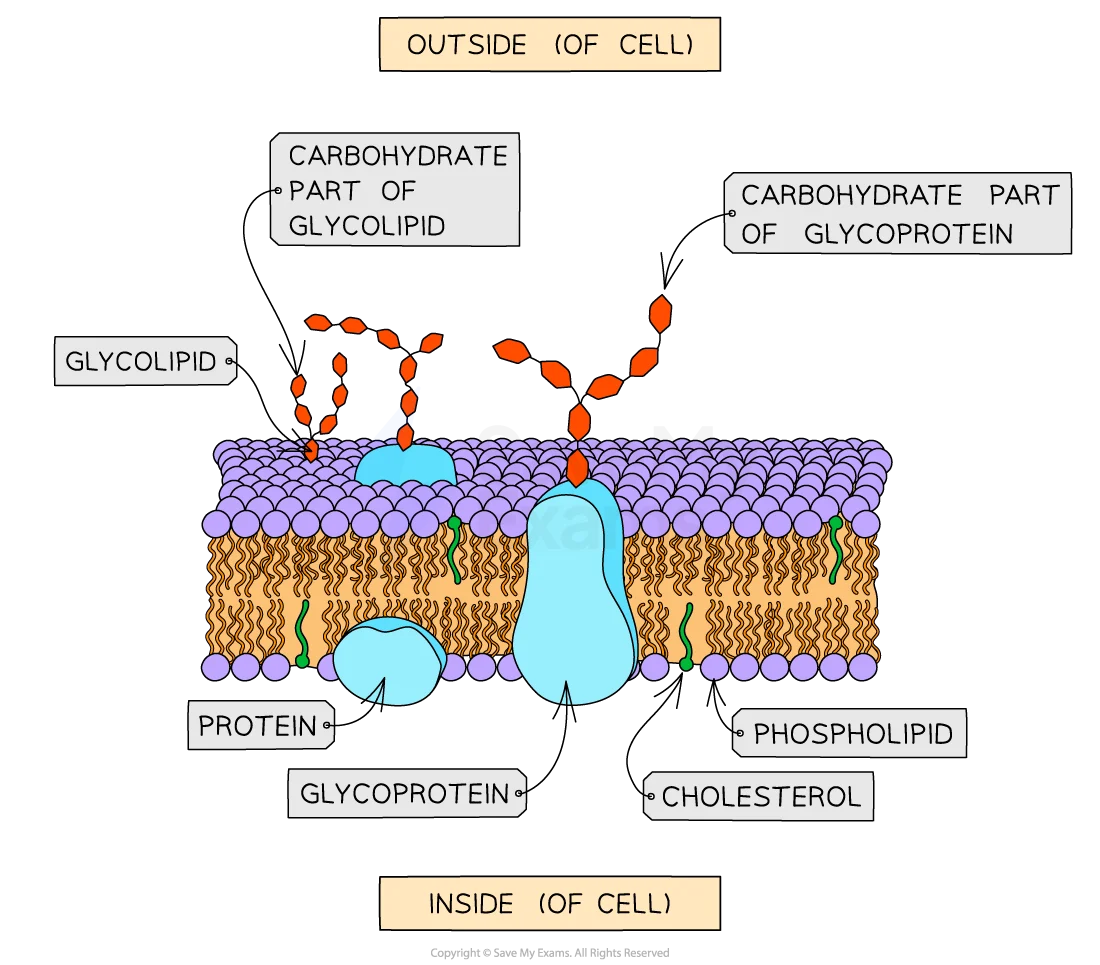
Glycoproteins and Glycolipids
Carbohydrates bonded to proteins (glycoproteins) or lipids (glycolipids).

Plant Cell Walls
Cellulose-based extracellular structures providing shape, protection, and water regulation.

Plasmodesmata
Cytosol-filled hole-like structures connecting adjacent plant cells through cell walls.

Why are phospholipids amphipathic?
Being Amphipathic allows complex structures and functions to exist in water-based environments
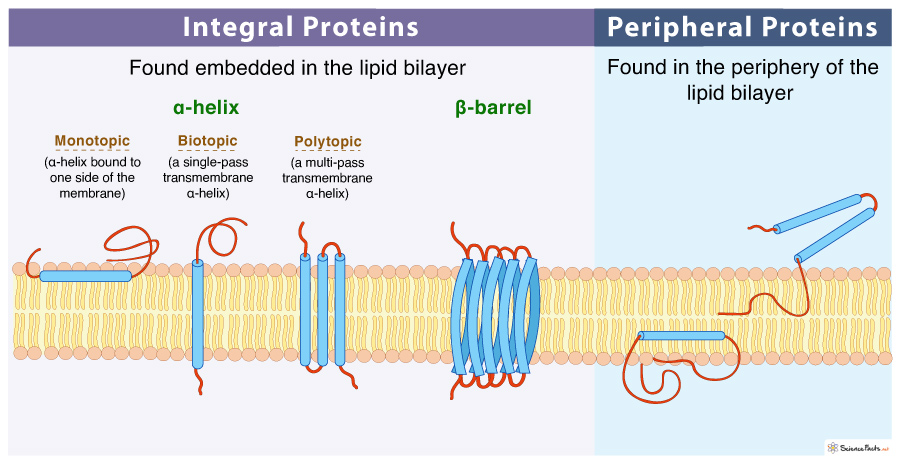
Why do peripheral proteins have amino acids with hydrophilic side (R) groups but integral proteins have both hydrophobic and hydrophilic side (R) groups?
Peripheral proteins stay exclusively on outside surface of cell membrane,
Integral Proteins cross or embed directly into membrane core
R-Groups: Match their unique environments based on “like dissolves like” rule

“like dissolves like” rule
Substances with similar types and strengths of intermolecular forces (IMFs) tend to be soluble or miscible in one another
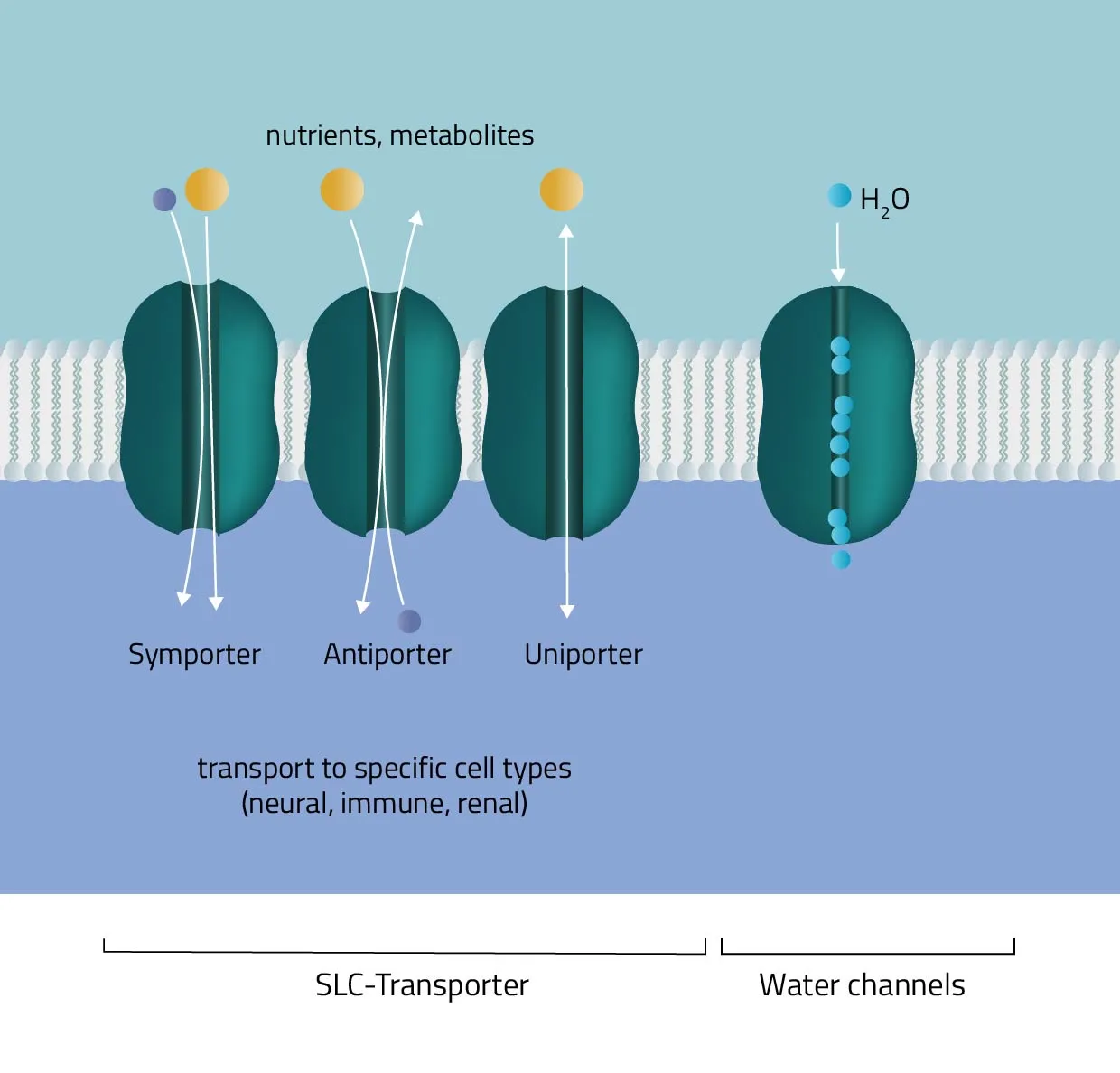
Six functions of transmembrane proteins
Transport
Enzymatic Activity
Signal Transduction
Cell-Cell Recognition
Intercellular Joining
Attachment to Cytoskeleton and Extracellular Matrix

Phospholipid Structure
Phosphate Group
Glycerol
Hydrophobic Heads
Hydrophobic Tails

Justify why the heads of phospholipids are hydrophilic (polar).
Because water (H2O) is a polar molecule with partial positive charges on its hydrogens and a partial negative charge on its oxygen, the charged and polar phosphate-glycerol head forms favorable electrostatic attractions and hydrogen bonds with surrounding water molecules

Fluid Mosaic Model Structure: Fluid
Membrane is held together by weak hydrophobic interactions and can therefore move and shift
Temperature affects fluidity
Unsaturated hydrocarbon tails help maintain fluidity at low temps
Kinked/bent tails prevent tight packing of phospholipids

Fluid Mosaic Model Structure: Cholesterol
Helps maintain fluidity at high/low temperatures
HIGH temperatures – reduces movement
LOW temperatures – reduces tight packing of phospholipids

Fluid Mosaic Model Structure: Mosaic
Diverse, patchwork-like arrangement of different macromolecules embedded in or attached to the cell's phospholipid bilayer

Glycolipids
Carbs bonded to lipids

Glycoproteins
Carbs bonded to proteins, Most abundant

Plant Cells
Cell wall composed of Cellulose that covers their plasma membranes that regulates water intake
Extracellular structure (not found in animal cells)
Contain plasmodesmata – Hole like structures in the cell wall filled with cytosol that connect adjacent cells

The Channichthyidae fish, also known as the crocodile ice fish, lives in the Southern Ocean around Antarctica. These waters are known to maintain extremely low temperatures all year, ranging from approximately -2.2°C to 1.7°C, or 28F to 35F. These fish have adaptations that allow them to live in cold low oxygen waters.
(a) If you were to examine the membrane lipid composition of cells from the Channichthyidae fish, identify what you would expect to find.
(b) Justify why you might find what you identified in part (a).
A.) A higher proportion of unsaturated fatty acids in their membrane lipids
B.) Because unsaturated fatty acids have double bonds that create rinks, it prevents the lipids from packing tightly together. This increases membrane fluidity in the cold Antarctic waters, allowing cellular functions to continue.