Art History fall 2026 | Lori Neuenfeldt TCU Exam 1
 Call Kai
 Learn
Learn Practice Test
 Spaced Repetition
 Match
Match Flashcards
 Knowt Play
1/87

There's no tags or description
Looks like no tags are added yet.
Name | Mastery | Learn | Test | Matching | Spaced | Call with Kai | Chat |
|---|
No analytics yet
Send a link to your students to track their progress
88 Terms
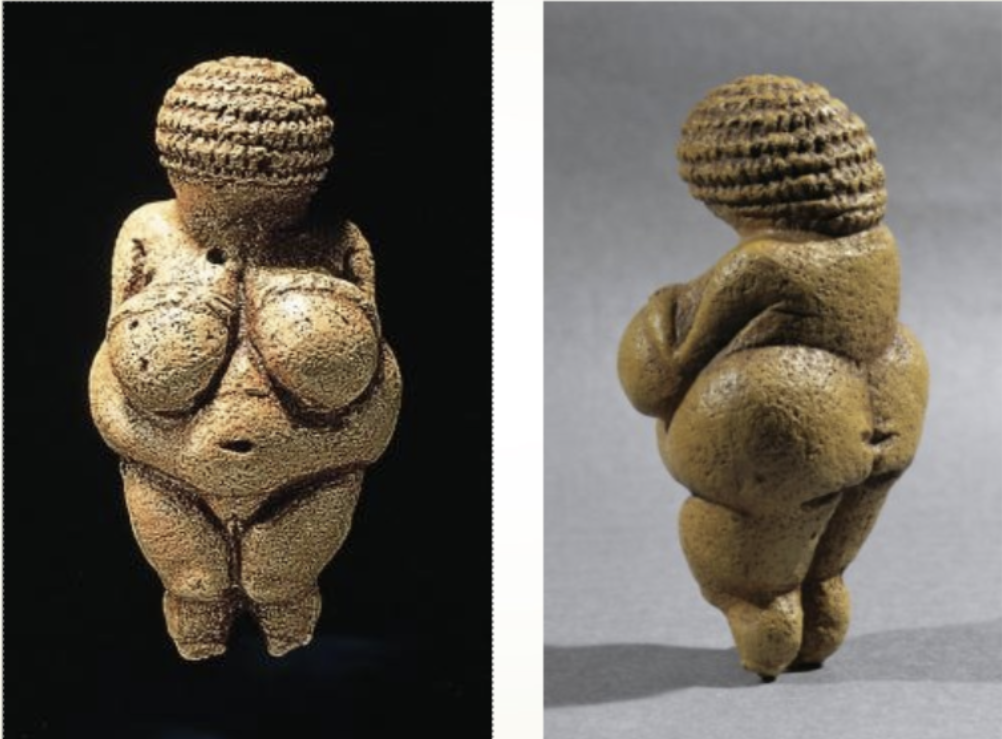
What is the name of this figure
Nude Woman "Venus" of Willendorf

What culture/period is this from
Paleolithic/Prehistoric. Austria, 28,000-25,000 BC

What is this made of, and how big is it?
Limestone, small, 4.5” meaning it wasn’t made where it was found
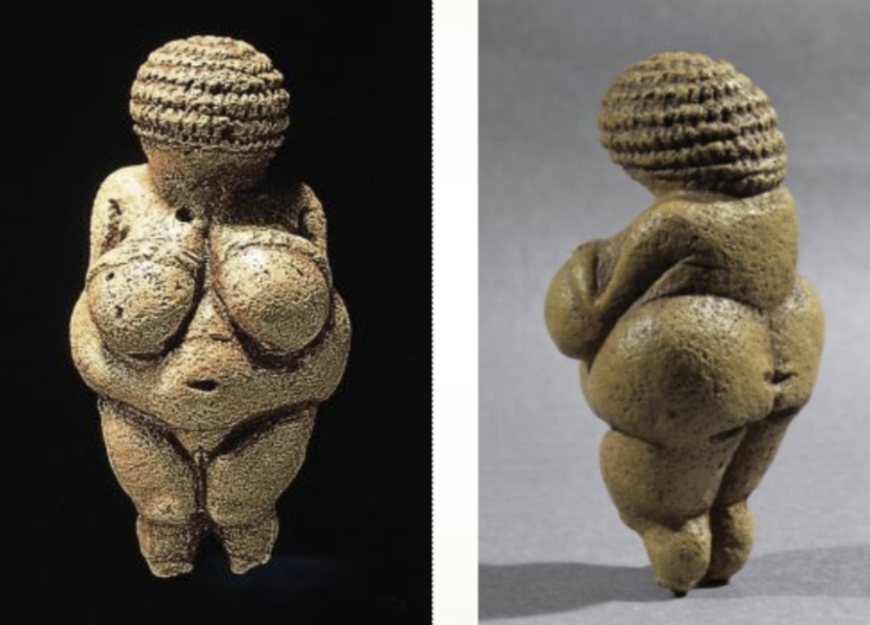
What stylistic term describes how her body
Exaggeration

Describe her pose/composition
Frontal, in the round, closed composition

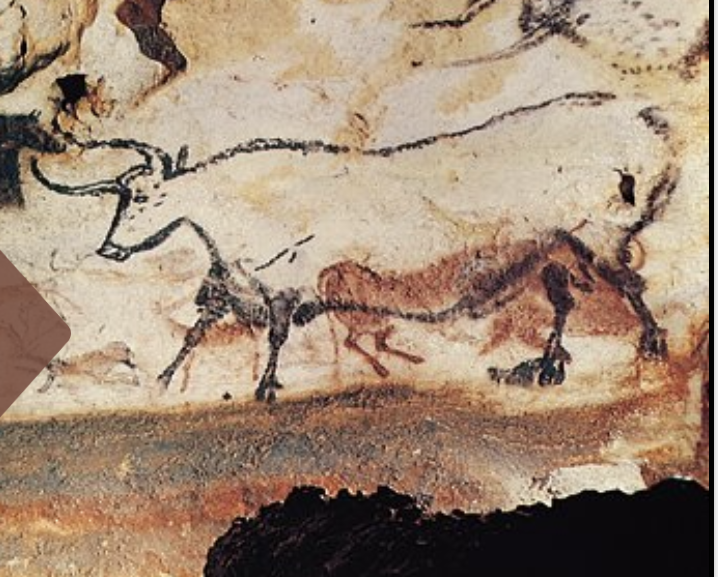
What is this work called?
The Hall of Bulls, Lascaux
What culture/period is this from
Paleolithic/Prehistoric, France, ~16,000-14,000 BC

Describe the composition
Twisted perspective or composite pose
Pose / viewpoints
Frontal
Profile
Twisted perspective (composite view)
Frontal (pose/view point)
acing straight out at the viewer (Venus of Willendorf)
Profile (pose/view point)
shown from the side
Twisted perspective or composite view (pose/view point)
combines viewpoints in one image, e.g. head/body in profile but horns shown frontally (Lascaux animals)
Carving/sculpture type
In the round
Relief
In the round (Carving/sculpture type)
fully three-dimensional, freestanding, walkable-around (Venus of Willendorf)
Relief (Carving/sculpture type)
attached to a background, not fully freestanding
High relief — projects out significantly
Low relief — barely projects, close to flat
Style/treatment of form
Naturalistic
Exaggerated
Naturalistic (Style/treatment of form)
close attention to real anatomical detail (Lascaux animals)
Exaggerated (Style/treatment of form)
features enlarged/shrunk for emphasis (Venus's body)
Architecture/construction
Megalith
Post-and-lintel
Trilithon
Megalith (Architecture/construction)
the broad category, just means "great stone" (any monumental stone structure)
Post-and-lintel (Architecture/construction)
The construction method: two upright supports + a horizontal beam across the top
Trilithon (Architecture/construction)
A specific instance of post-and-lintel construction (literally "three stones") — this is the term for Stonehenge's actual paired-stone units
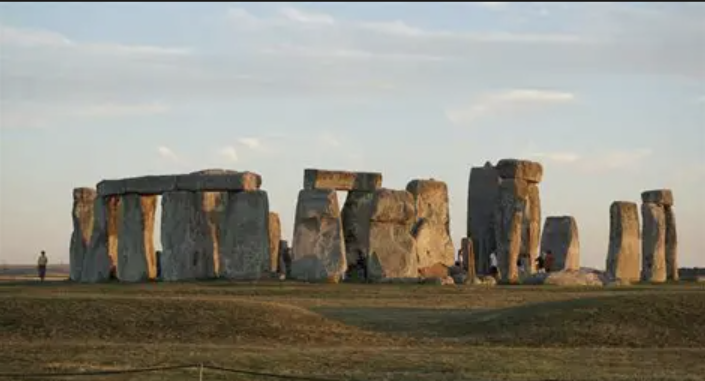
What culture and time period is stone hinge from?
England, ca. 2550-1600 BC, Neolithic
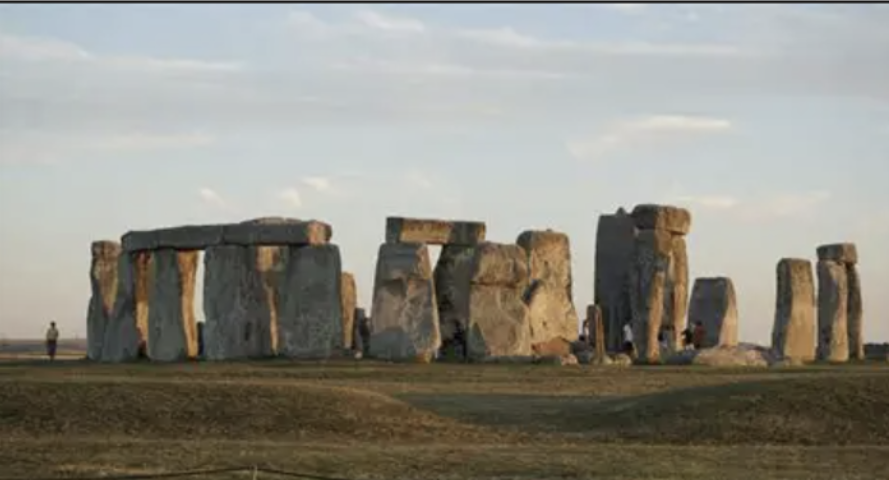
What two types of stone were used at Stonehenge, and where did they come from?
Bluestones (hauled 145+ miles from southern Wales) and Sarsen stones
Prehistory
Before written communication, ca. 35,000-2,000 BC It's an umbrella term covering both the Paleolithic and Neolithic periods.
Paleolithic
'Old Stone Age' — ca. 40,000-9,000 BC
Paleolithic means 'Old Stone Age' (Greek paleo = old, lithos = stone), It's the earlier, longer sub-period within Prehistory.
Neolithic
'New Stone Age' — began ca. 9,000 BC, tied to farming and permanent settlement
beginning around 9,000 BC when climate change drove the shift to agriculture, permanent settlements, weaving, pottery, and religious construction (like Stonehenge).
Which comes first — Paleolithic or Neolithic — and how do their date ranges relate to 'Prehistory' as a whole?
Paleolithic (40,000-9,000 BC) comes first and is the longer period; Neolithic (9,000-2,000 BC) comes after and is shorter — together they make up all of Prehistory (35,000-2,000 BC).
What's the key difference in subject matter between Paleolithic art and Neolithic art?
Paleolithic: animal-focused, isolated figures, uncertain ritual purpose.
Neolithic: humans shown controlling/hunting animals, monumental architecture, permanent settlements
Paleolithic art (Venus of Willendorf, Hall of Bulls) focuses on isolated animals and uncertain ritual purposes.
Neolithic art (Stonehenge, Catal Hoyuk) shifts to humans interacting with animals, permanent settlements, and monumental architecture.

What is the name of these figures?
Statuette of Worshipers, Tell Asmar

What culture/period is this from?
ca. 2700 BC, Mesopotamian/Sumerian

What is this made of, and how big is it?
Gypsum, shell, black limestone, or bitumen
8- 30inches

What stylistic term describes their bodies
Abstracted — built from cylinder and cone shapes, form manipulated but not fully unnatural
The figures are abstracted — not fully abstract, but their forms are manipulated away from natural proportions, built from basic shapes: cylinders and cones.
Symmetry — communicates balance and control
The symmetry of the figures communicates balance and control — reinforcing their role as composed, ever-ready stand-ins for worship.

Describe her pose/composition
Frontal pose, carved in-the-round
Their pose is frontal (facing straight out) and they're carved in-the-round (fully three-dimensional, freestanding)

Where was this figure found?
On the temple floor at ‘Tell Asmar’
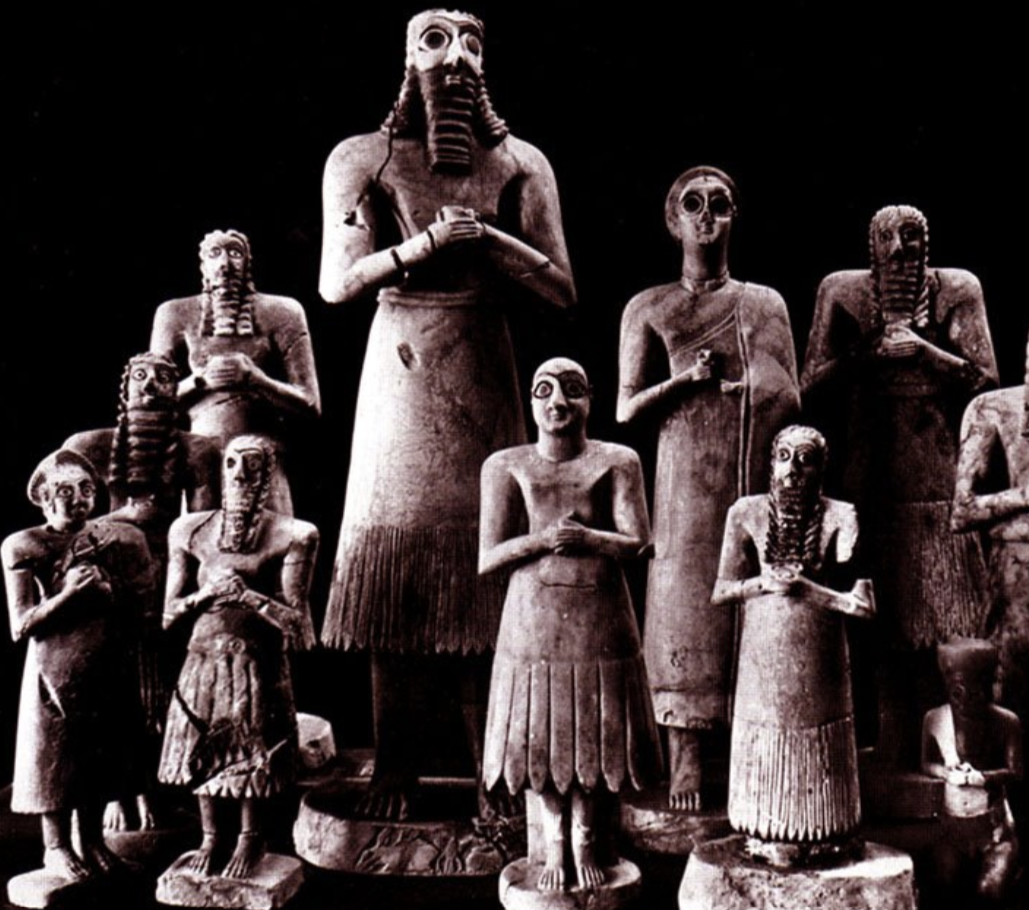
What is the purpose of these figures
To stand in for worshipers who weren’t allowed in the temple. Everyday wear: sheep's wool/fleece, belts, fringe, a skirt — no special accessories
The statuettes wear everyday clothing — sheep's wool and fleece, belts, fringe, a skirt — with no special accessories, indicating they represent ordinary people, not gods or royalty.

What is the name of this piece?
Stele with the Law Code of Hammurabi
The Stele with the Law Code of Hammurabi, ca. 1780 BC, black basalt, found in Susa, Iran. Mesopotamian/Babylonian culture.

What culture/period is this from?
ca. 1780 BC, Mesopotamian/Babylonian

What is this made of/how tall?
black basalt, about 7'4" high
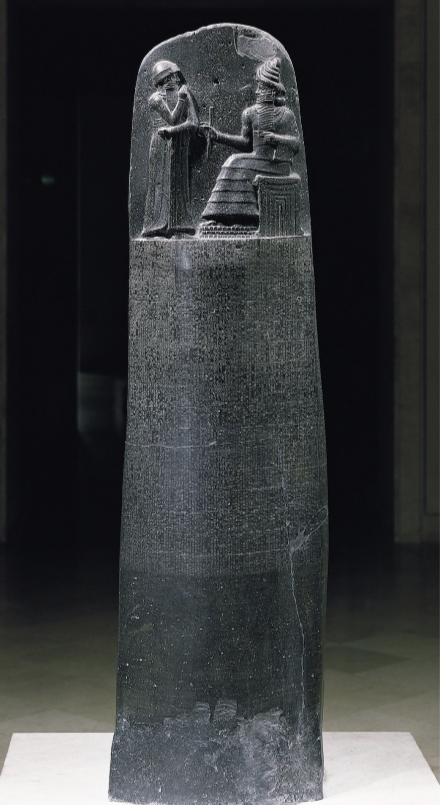
Where was this figure found?
found in Susa, Iran. Mesopotamian/Babylonian culture.

Describe her pose/composition
Head shown in profile, but the eye is shown frontally
In the relief at the top, Hammurabi's head is shown in profile, but his eye is rendered frontally — combining viewpoints, similar to the twisted perspective seen in earlier Mesopotamian/Prehistoric art.
Composite view/profile combined with foreshortening
The figures combine composite view/profile with foreshortening — techniques used to make the figures as clear and recognizable as possible within the relief.
What is the purpose of this?
Over 300 laws, based on action and consequence, meant to unify the kingdom
The stele records over 300 laws. Carving them in hard, permanent stone reinforced that the laws were lasting and unified the kingdom under one legal code, framed around action and consequence.

Who and what is depicted in the relief scene at the top of the stele, and what are they doing?
Shamash (god of justice, shown with fire/light and feet on a mountain) handing Hammurabi a rod and rope (tools for judging/measuring law)
The top relief shows Shamash, the god of justice (identified by fire/light bolts and feet resting on a mountain), handing Hammurabi tools — a rod and rope — symbolizing the ability to judge and measure law.

What is the overall political message/purpose behind the stele's imagery and inscribed laws?
Political propaganda — shows the king as pious/humble before the gods, implying he'll provide for humble, law-abiding subjects
Hammurabi's gesture of greeting toward Shamash shows piety/humility. Combined with the laws below, the message is political propaganda: the king portrays himself as humble before the gods, implying that if the people are humble too, the king will provide for them.

high platform that the temple sits on so the temple can be the highest thing in the city
Ziggurat

Writing made by pressing a reed into wet clay; read right to left; used mainly for documentation
Mesopotamians used it mostly to document/record things rather than tell elaborate stories.
Cuneiform (ca. 2600 BC)
Independent, self-governing cities, each centered on a patron deity and ruled by a steward king
Sumer was made up of these, each centered on a patron deity and governed by a steward king who oversaw daily functions on behalf of that god or goddess.
City-states
A ritual offering of liquid, poured out to honor a god
Libations

scenes divided into horizontal bands
Registers
Most important figures being depicted as the largest
Hierarchy of scale
What's the difference between high relief and low relief?
High relief: projects significantly. Low relief: projects only slightly
A vertical stone marker, often carved with images or text
Stele
The great columned audience hall at Persepolis, used for royal ceremonies and receiving tribute
Apadana

What is this called?
Pallet of King Narmer

What culture/period is this from?
Ancient Egypt/predynastic, Ca 3000

What is the purpose
A ceremonial palette for mixing kohl (eye makeup); also served as a votive/temple offering

Where was this figure found? Describe her pose/composition
Composite view, registers, and hierarchy of scale — with strict order symbolizing control and power

What major historical event does the Narmer Palette represent?
The unification of Upper and Lower Egypt under King Narmer

what do they items represent
Falcon (Horus binding an enemy), papyrus (Lower Egypt), cow (Hathor/sky goddess), felines (unification), bull (Narmer crushing an enemy)
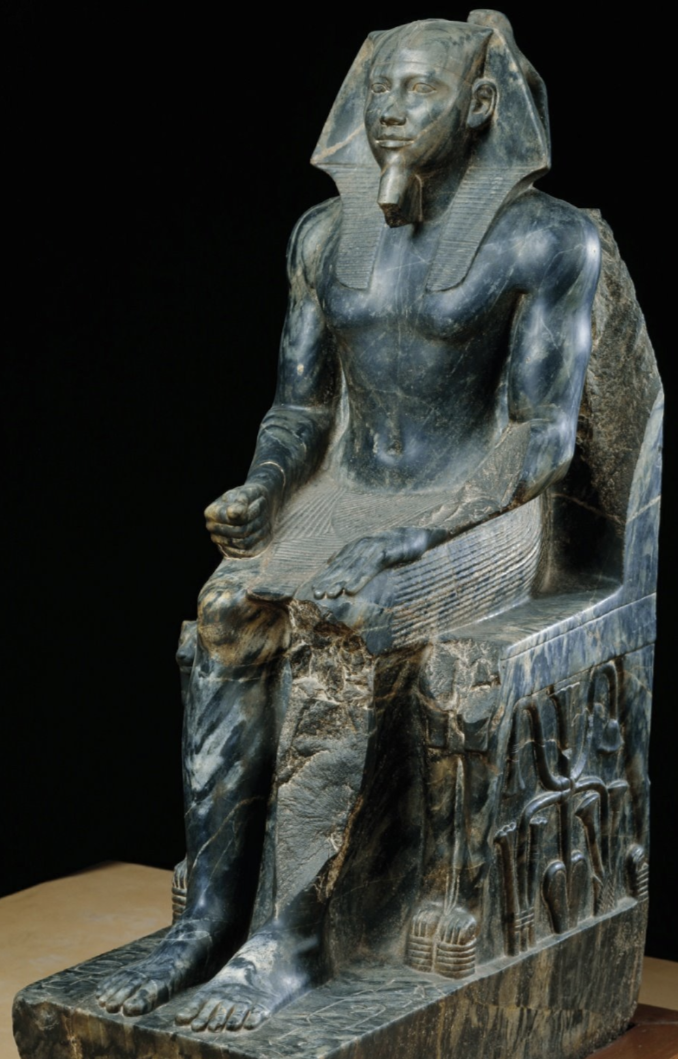
What is the name of this
Kafre Enthroned

What time period/culture is this from?
Ancient Egypt/old kingdom ca. 2520

What is it made of/size
Diorite — hard black stone symbolizing power, wealth, and a link to Osiris (god of the underworld) 5’6”

What are the key formal characteristics of Khafre Enthroned's pose and style?
Frontal, rigid, bilateral symmetry, idealized, no movement, calm/serene expression.

What specific symbolic details/regalia appear on Khafre Enthroned?
Details include the falcon god Horus (protectively positioned behind/around his head), the Nemes headdress (a striped cloth headdress reserved for the pharaoh), and a false beard — a ceremonial symbol of kingship, not real facial hair.

What do the lotus and papyrus plants carved into Khafre's throne symbolize?
Nature, and the Nile's role in uniting Egypt

What is this statue called
Akhenaton, colossal statue

What culture/time period
Egypt/new kingdom, Ca. 1350

What was it made of/how tall
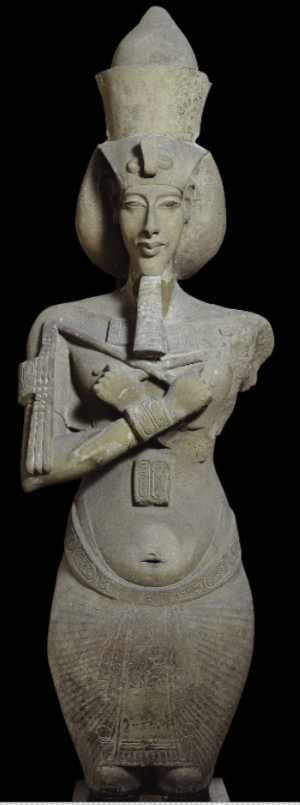
What religious revolution is Akhenaton known for?
He promoted monotheistic worship of Aton (the sun disk), replacing Egypt's traditional many gods
Akhenaton overturned traditional polytheistic Egyptian religion (centered on gods like Amen) by promoting Aton, the sun disk, as the one god. He removed Amen's name from inscriptions, closed traditional temples, moved the capital to Akhetaton, and declared himself Aton's sole prophet.

Describe this figure
Frontal pose, symmetry, false beard, kilt, and headdress

What happened to Akhenaton's religious/artistic revolution after his death?
It reversed — traditional religion returned, Amen's temples were restored, and his city was abandoned. Akhenaten's religious and artistic revolution did not last: after his death, traditional polytheistic religion returned, Amen's temples were restored, and his capital city was largely abandoned.

Who was Nefertiti, and what is she best known for artistically?
Nefertiti, Akhenaton's wife — famous for her bust by the artist Thutmose, shown with idealized beauty
Nefertiti, Akhenaton's influential wife, is known for her famous bust (attributed to the artist Thutmose) — elegant curves, a long neck, delicate features, a thoughtful expression, and idealized beauty. She was represented unusually prominently, sometimes nearly as much as Akhenaton himself.
Aton
The sun disk; the single god Akhenaton promoted during his religious revolution
Ka
A person's spiritual 'other self'/life force, which needed the body (or a statue) preserved to survive

Ashlar (block) construction
Precisely measured and cut stone laid in cores
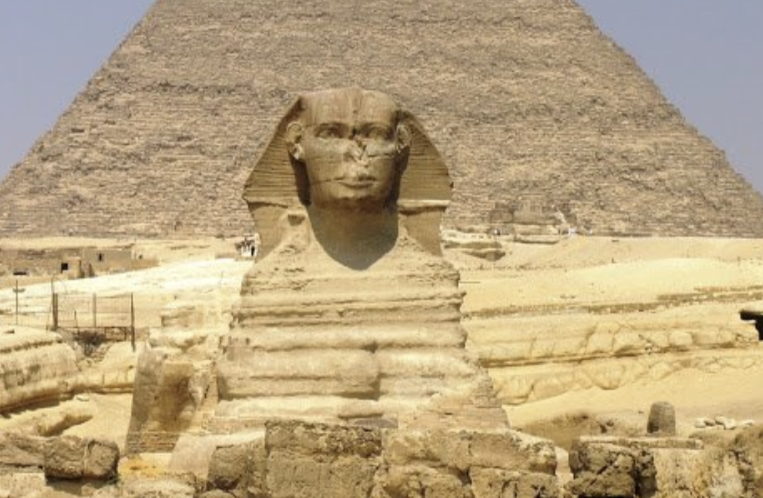
Lion's body (strength) + king's head (intelligence), probably representing Khafre; first Egyptian colossal statue
Sphinx
Nemes headdress
A striped cloth headdress worn exclusively by the pharaoh

Horus
God of the skies, protector of the pharaoh (often shown as a falcon)
Horus is the god of the skies and protector of the pharaoh, often shown as a falcon; the Eye of Horus was even used as a protective amulet during mummification.
Idealism / Idealized
Showing a 'perfect,' improved version of someone rather than their true appearance
Idealism/idealized means showing a 'perfect,' improved version of a person rather than their true, individual appearance — seen in Khafre Enthroned's calm, flawless, eternal image of kingship.
Amarna period
The era of upheaval under Akhenaton — new religion (Aton) and a radical break in art style
The Amarna period was the era of upheaval in Egyptian society and art under Akhenaton, when traditional religion was replaced by Aton worship and royal art style broke from tradition (curved, elongated, androgynous figures).
Elongated
tretched out/lengthened beyond natural proportions (e.g. Akhenaton's long face and features)
Elongated means stretched out or lengthened beyond natural proportions — used to describe Akhenaton's statues, which show a long face and stretched features as part of his era's stylistic break from tradition.
All movement is suppressed in Egyptian funerary statues to express the eternal nature of divine kingship
True
Hall of Bulls — approaches to depicting the animals
Not frontal reliefs (they're paintings in profile, not relief carvings)
Not additive sculptures in the round (these are paintings, not sculptures)
Not geometric (they're naturalistic, the opposite of geometric abstraction)
Who hands items to Hammurabi?
The sun god Shamash
Eshnunna/Tell Asmar statuettes
They hold small beakers used for libations,
Posing, standing with heads tilted upwards,
Inscriptions similar to other statuettes with names of donors, deities, or prayers,
Their eyes are oversized and exaggerated
Hall of Bulls
Date: ca. 16,000–14,000 BCE,
Medium: Pigments,
Period: Paleolithic,
Location: Lascaux, France
Artwork recording the unification of Upper and Lower Egypt
Pallet of King Narmar
Objects handed to Hammurabi and their symbolism
A measuring rod and the ring (coiled rope),
builders' tools that symbolize authority
Hfammurabi's ability to build the social order and measure people's lives