year 11 textiles ATAR units 1, 2
 Call Kai
 Learn
 Practice Test
 Spaced Repetition
 Match
 Flashcards
 Knowt Play
1/76

There's no tags or description
Looks like no tags are added yet.
77 Terms
spun staple yarns
made by twisting together short fibres to create a continuous length of yarn. typically natural grown from plants like cotton or wool.
characteristics of spun staple yarns and common end uses
fuzzy appearance, softer handle, less lustrous, may pill, good absorbency common uses include Tshirts, towels and knitwear
filament yarns
a textile yarn made from one or more long, continuous strands of filament fibres twisted together or bundled without twisting. (note silk is the only natural filament fibre)
characteristics of filament yarns/ examples
smooth surface, lustrous appearance, strong, reduced pilling, lower absorbency (synthetics) examples silk and polyester filaments used in activewear lining fabrics , evening wear.
decorative techniques used to enhance appearance
dyeing- the process of applying a permanent colour to a fibre, yarn or fabric in a dye bath (identical)
printing- is the textile art of adding a design via a pigment- based paint that allows for greater flexibility in colouration of patterned fabrics. can be applied to yarns and fabrics
chemical resistance in textiles
the ability of a fabric to withstand degradation, penetration, or staining when exposed to harsh chemicals, acids, bases, solvents, or bodily fluids.
aesthetic properties (fabric property testing)
pilling resistance
crease recovery
drape and stiffness
colourfastness to light
physical properties (fabric property testing)
tensile strength
abrasion resistance
dimensional stability
what is a sewing machine
is a mechanical or electronic device used to stitch fabrics, leather, or other materials together using a needle and thread.
what is a sewing machine used for
to join pieces of fabric, or other textiles together by created fast precise and durable stitches
key parts of a sewing machine what are these parts used for
needle- pierces fabric
presser foot- holds fabric flat and stable
hand wheel- manually raises and lowers the needle
feed dogs- automatically move and pull the fabric forward
reverse stitch lever- makes the machine sew backwards
bobbin- holds the lower thread in source
bobbin case- holds bobbin in place
spool pin- holds the main spool of thread
tension dial- regulates the tightness or looseness of the upper thread
spool of thread- provides upper thread source
what is an overlocker/ serger
specialised machine that trims the fabric edge, encases the raw edges with thread, prevents fraying, produces a professional finish
what is an overlocker/ serger used for
finishing seam allowances, constructing knit garments, professional garment construction, prevent fabric edges from unraveling
an overlocker does not replace a sewing machine but can add value to seam strengthening and edge finishing
construction textiles
the process of joining, shaping and assembling textile materials into a finished product using appropriate techniques, tools and machinery
construction is quality judged by accuracy, strength, durability, neatness, suitability for the product and fabric
examples of construction
seams, hems, darts, gathers, fastenings, overlocking, edge finishes.
manufacturing methods
seams, shaping techniques/ darts, closures/zips, finishing techniques/hems edges.
effect of acids, alkalis (bases) bleach, detergenton and solvents/ dry cleaning on cotton fibres
broken down by strong acids, resistant to alkalis, can be cleaned by bleach due to it’s resistance on alkalis, can be cleaned with strong detergents, not harmed by organic solvents so can be dry cleaned
effects of acids, alkalis, bleach, detergents and solvents on polyester
resistant to acids, resistant to alkalis, bleach can be used, strong detergents can be used and can be dry cleaned as organic solvents do not cause harm
fibre morphology and characteristics
refers to the physical appearance and structure of a fibre including. shape, surface texture, diameter, length, crimp
what does fibre morphology encourage
strength, comfort. durability, moisture absorption, appearance
wool appearance under microscope
longitudinal view, smooth surface rod like structure
cross sectional view, round circular, medulla may appear
wool reaction to burning
approach- shrinks away from flame
inside flame- smoulders and burns slowly
remove of flame- self extinguishing
residue- crushable black ash
smell- similar to burning hair
cotton microscopic appearance
looks like a twisted ribbon or a collapsed, flat, convoluted tube
cotton burn test rayon is similar
approach- doesn’t shrink away
inside flame- burns quickly
removal from flame- continues to burn
residue- light grey ash
smell- similar to burning paper
polyester burn test
approach- fuses and shrinks away from flame
inside flame- burns slowly, some melting, thick black smoke
removal- typically self extinguishing
residue- hard black bead
smell- sweet smell
classifications of fibres
manufactured - regenerated and synthetic
natural- animal, inorganic and vegetable
regenerated fibres
rayon and acetate
synthetic fibres
polyester, nylon, acrylic and elastomeric
animal fibres
wool, silk
inorganic fibres
metallic, asbestos, fiberglass
vegetable fibres
linen, hemp, cotton and rubber
fibre properties
aesthetics, durability, comfort and care
aesthetic properties
lusture- gloss sheen, caused by light reflecting on surface
drape- how the fabric hangs or falls
durability properties
abrasion resistance- ability to withstand rubbing wear or tear
strength- ability to resist breaking
comfort properties
absorbency- ability to absorb
elasticity- ability to return to normal shape after being stretched or compressed
thermal properties - ability to withstand and transfer heat
dimensional stability- inability to shrink or stretch
care properties
effect of chemicals- ability to withstand acids, alkalis and solvents
sun resistance- withstanding discolouration when exposed to sunlight
colour fastness- withstanding colour change after exposure to heat or water
shrinkage resistance- inability to contract
fibre structure
fibre properties are determined by the external, chemical composition and internal or molecular structure of the fibre
external structure aka fibre morphology
length, diameter, cross section and surface characteristics
chemical composition
what the fibre is made from e.g cotton is made from cellulose and wool is made from protein
internal structure/ molecular structure
a monomer is the basic unit of a fibre. polymerisation is the process of joining monomers to form a chain polymer
amorphous structure
a region that occurs when polymers are in a random arrangement and there are large distances between them resulting in a weak fibre. e.g wool and rayon
crystalline structure
occurs when polymers are packed closely together and in a parallel arrangement resulting in a stronger fibre. e.g nylon
cotton properties appearance and form
Lustre: Naturally dull, but can be treated with a "mercerisation" finish to add a low sheen.
Drape: Poor on its own, though fabric construction can improve how it hangs.
Sun Resistance: Resists sunlight well (great for curtains/tents), but prolonged UV exposure causes yellowing and loss of strength.
Colour Fastness: Easily dyed because it loves water (hydrophilic); any fading is due to the specific dye used, not the cotton itself.
cotton properties strength and durability
Durability: Moderate to good, largely depending on how the fabric is woven.
Abrasion Resistance: Varies by structure; twill weaves (like denim) offer very high resistance to rubbing.
Tensile Strength: Relatively strong due to a highly crystalline (70%) fiber structure, and gets even stronger when wet.
cotton properties thermal and comfort
Absorbency: Highly absorbent, holding up to 27 times its own weight in water.
Wearability: Smooth fibers mean it is non-irritating, hypoallergenic, and highly comfortable in hot weather.
Thermal Behavior: A cool fiber that conducts heat and breathes easily; it ignites and burns quickly since it is made of cellulose.
cotton properties elasticity and stability
Elasticity: Very inelastic due to its high crystallinity; it does not bounce back if stretched out.
Dimensional Stability: Holds its shape well because it lacks stretch, but if it does get pulled out of shape, it stays stretched.
Shrink Resistance: Tends to shrink when dried after washing, though this is a result of fabric construction rather than the fiber itself (can be fixed with pre-shrinkage finishes).
cotton properties care and chemicals
ironing: High heat resistance allows it to be safely ironed with a hot iron.
Chemical Resistance: Easily damaged and broken down by strong acids (food acids do minimal harm if washed quickly).
Cleaning: Highly resistant to alkalis (safe for strong detergents/bleach) and unharmed by organic solvents (safe for dry-cleaning).
rayon properties appearance and form
Lustre: Naturally highly lustrous and shiny
Drape: Good drapeability, meaning it hangs and flows beautifully.
Sun Resistance: Resists sun damage well.
Colour Fastness: Dependent entirely on the specific dyestuff used, rather than the fiber itself.
rayon properties strength and durability
Durability: Fair overall, with the added benefit of resisting pill formation
Abrasion Resistance: Generally fair, but requires gentle handling.
Tensile Strength: Low to medium strength; critically, it loses 40–70% of its strength when wet, making it highly prone to stretching out of shape during washing.
rayon properties comfort and thermal
Absorbency: Highly absorbent because it is an amorphous fiber; this structural layout also allows it to absorb dyes easily.
Wearability: A cool fiber that acts as a good conductor of heat, making it excellent for summer clothing.
Flammability: Highly flammable due to its cellulosic nature.
rayon properties elasticity and stability
Elasticity: Poor elasticity due to its high percentage of amorphous regions
Dimensional Stability: Poor; garments easily lose their shape
Shrink Resistance: Poor shrink resistance; it will shrink significantly more than cotton fabrics.
rayon properties care and chemicals
Chemical Resistance: Easily damaged by acids and may completely disintegrate when exposed to strong alkalis.
Bleach: Generally resistant to bleaching agents, but will be attacked and damaged at high concentrations.
polyester properties appearance and form
Lustre: Variable; depends entirely on the fiber's cross-sectional shape and whether delustering agents are added.
Drape: Good overall, but varies by construction; for example, polyester microfibre has exceptional drape.
Sun Resistance: Excellent resistance to sunlight degradation
Colour Fastness: Excellent color fastness because it resists fading
polyester properties strength and durability
Durability: Excellent overall performance, making it one of the toughest textile fibers.
Abrasion Resistance: High resistance to surface rubbing and wear.
Tensile Strength: Relatively strong due to its highly oriented molecular structure and highly crystalline regions; its wet strength is identical to its dry strength.
polyester properties comfort and thermal
Absorbency: Poor absorbency, which can lower comfort since moisture and sweat cannot easily escape (frequently blended with cotton to fix this).
Thermal Insulation: A poor conductor of heat but an excellent insulator
polyester properties elasticity and stability
Elasticity: Relatively elastic due to its high percentage of crystalline regions, meaning it stretches and recovers well.
Dimensional Stability: Excellent stability; it holds its size perfectly and resists warping.
Shrink Resistance: Excellent shrink resistance; it retains its original shape and size perfectly after washing.
polyester properties care and chemicals
Chemical Resistance: Highly resistant to most common chemicals, including acids, alkalis, and organic solvents.
Washing & Ironing: Very easy-care fiber that dries quickly and requires minimal to no ironing

plain weave properties and end uses
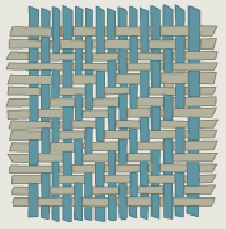
plain weave simplest weaves, weft yarns pass over one warp yarn then under warp alternating e.g poplin
smooth handle, poor drape, good durability
shirting, summer dresses, children’s clothing
twill weave properties and end uses
weft yarns pass over two or more warp yarns and then under one. most durable weave e.g denim
good durability and abrasion resistance
, home furnishings, work clothes and jeans

satin weave properties and end uses
the warp yarn goes over four weft yarns and under one. e.g satin
high lustre, excellent drape, snagging may occur
formal wear

jacquard weave properties and end uses
may be combinations of plain, twill and satin weaves. e.g damask
hard wearing, soft to medium handle, good absorbency
home furnishings, table cloths

pile weave properties and end uses
includes plain or twill weave and extra warp or weft yarns over the base e.g velveteen
lustrous, good absorbency
apparel and home furnishings
crepe weave properties and end uses
created by random arrangements of floats that achieve an all over pebble effect e.g wool crepe
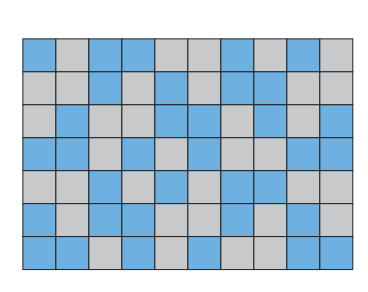
medium drape, low strength limited durability
apparel and home furnishings
the value fabric testing
Quality & Consistency: Matches bulk production to approved samples and fiber blends.
Safety & Compliance: Meets laws like garment flammability and toxic dye bans.
Predict Performance: Proves how material handles real-world wear and washing.
Save Money: Catches shrinkage or weak seams early to avoid costly recalls.
what properties are test for and how are tests carried out
Strength & Durability
Tensile Strength: Pulling fabric until it snaps using a Tensile Tester.
Abrasion Resistance: Rubbing fabric to count cycles before a hole forms (Martindale).
Pilling Resistance: Tumbling fabric to check for fuzzy fiber balls.
Comfort & Breathability
Air Permeability: Measuring airflow speed through the weave.
Moisture Management: Testing liquid absorption speed, wicking, and drying time.
Aesthetics & Appearance
Drape: Analyzing fabric folds over a pedestal (Cusick Tester).
Crease Recovery: Measuring the angle fabric bounces back after being crushed.
Dimensional Stability
Shrinkage: Measuring dimensions before and after laundering.
Differences in Tests of Commonly Known Fabrics/Fibres cotton
tensile strength when dry- moderate
tensile strength when wet- increases gets stronger ‘
crease recovery- poor wrinkles badly
shrinkage- moderate/ high fibre compacts
air permeability- moderate
Differences in Tests of Commonly Known Fabrics/Fibres wool
tensile strength when dry- poor
tensile strength when wet- decreases/ gets weaker
crease recovery- excellent
shrinkage- very high felts/ matts
air permability- very high
Differences in Tests of Commonly Known Fabrics/Fibres polyester
tensile strength when dry- excellent
tensile strength when wet- remains unchanged
crease recovery- excellent
air permeability- low
how fabric testing helps to fabric selection
End-Use Match: Pairs fabric traits to needs, like wicking for activewear or abrasion resistance for upholstery.
Care Instructions: Dictates accurate clothing labels by checking for shrinkage and color bleeding during laundry.
Cost vs. Value: Guides material swaps, like replacing fragile silk with durable, high-drape polyester.
environmental impact of the textiles industry
Water: one cotton top uses so much water.
Oil: Synthetics (polyester) use crude oil.
Pollution & Waste
Chemicals: Toxic dyes pollute freshwater.
Microplastics: Washing synthetics releases marine microfibres.
Landfills: Millions of tonnes dumped/burned yearly.
Carbon Footprint
Emissions: Up to 10% of global carbon.
stages of a products life cycle
raw material extraction and processing
1- extraction
2- processing of synthetic fibres
manufacturing/ packaging and distribution
3- fabric production
4- finishes
5- apparel production
product use
6- consumer use of product
end of life
7- manufacture from renewable or recycled materials
8- safe disposal of textile products
environmental impacts of a product in each stage/ cycle
raw extraction and processing
displaces land of crops, leaches nutrients from soil, wastes water and energy
uses petroleum and oil, toxic byproducts, chemical pollution of air and water
manufacturing/ packaging distribution
uses finite resources, dust, fumes
toxic byproducts, handling health hazards
waste from cut offs, chemical residue, plastic packaging waste
product use
packaging waste, excess of changing fashion, chemical care
end of life
reduced amount of landfill
increase in landfill
fundamentals/ elements of design
line- guides the eye connects points
shape- 2d shape/ enclosed area
form- 3d or illusion of 3d depth using shading etc
texture- tactile or visual
colour/ value- tints, shades, contrasts
principles of design
proportion- size and scale of different elements
balance- symmetrical or asymmetrical of size shapes etc
rhythm- repetition of various elements
emphasis- focal point captures viewers attention
constrast and harmony- constrast unexpected change in visual elements Harmony similarities and repeated design features are consistent
unity- composition that has completeness of design
non woven fabric examples
felt
Structure of a fabric
refers to how a fabric is made by the way the fibres and yarns are held together to make a fabric.- ie woven, knit, non woven.
pattern markings
grainline - parallel to selvedge straight line with arrow
cutting line- where to cut unbroken black line
seamline- broken line typically 1.5cm
notches- joining pieces diamond shaped
circles, squares, triangles- additional construction
darts- intake of fabric sometimes circles or broken line
centre front and back
hem allowance