AOL 1 - Lipid Molecule names and cell structures
 Call Kai
 Learn
Learn Practice Test
 Spaced Repetition
 Match
Match Flashcards
 Knowt Play
1/48

There's no tags or description
Looks like no tags are added yet.
Name | Mastery | Learn | Test | Matching | Spaced | Call with Kai | Chat |
|---|
No analytics yet
Send a link to your students to track their progress
49 Terms

cholesterol

triglyceride

fatty acid (unsaturated)

phospholipid (one unsaturated fatty acid and 1 saturated fatty acid)

Integral membrane protein & transmembrane protein

peripheral membrane protein
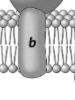
integral membrane protein & transmembrane protein

peripheral membrane protein

integral membrane protein
Transmembrane protein
a membrane protein spanning entire phospholipid bilayer
Fluid Mosaic model (Fluid)
Lipid bilayer allowing lipid molecules and embedded proteins to move laterally
Fluid Mosaic model (Mosaic)
Lipid bilayer includes multiple varieties of molecules such as lipids, proteins, and carbohydrates
Organelle
Component dividing eukaryotic cells into smaller area for different functions
cytoplasm
all content of cell within cell membrane except nucleus
cytosol
Fluid surrounding organelles in cell membrane
Smooth endoplasmic reticulum
ER membrane lacking ribosomes but creates lipids fatty acids phospholipids) and steroid hormones, and contains enzymes to detoxify harmful products (drugs/metabolic products)
Rough endoplasmic reticulum
ER membrane that synthesis transmembrane proteins, proteins for organelle interiors, and proteins for cellular secretions
Endoplasmic reticulum
Organelle with flattened sacs, interconnected tubules, and continuous interior lumen between outer membrane and nuclear envelope that produces proteins and lipids
Nucleus
Organelle enclosed by nuclear envelope, housing cell’s genome and is primary transcription site. It has pores to regulate protein, RNA, and molecule movement between nucleus and cytoplasm
Nuclear envelope
double membrane enclosing nucleus
Nucleolus
non-membrane organelle within nucleus where rRNA is concentrated and transcribed and ribosome subunits are made
Golgi apparatus
organelle with flattened membrane cisternae sacs surrounded by small transport vesicles disconnected from ER that receives lipids and proteins from Er and modifies them, then sorts and dispatches them
Lysosome
Membrane-bound vesicle from Golgi Apparatus that use hydrolytic enzymes degrade unneeded/damaged macromolecules (proteins, nucleic acids, lipids, carbohydrates) for intracellular digestion, recycling, and cell maintenance
Mitochondrion
Double membraned, highly folded membrane with circular genome that is primary site for aerobic cellular respiration, converting chemical energy from sugar to ATP

mitochondrion

rough ER

smooth er

Golgi apparatus

lysosome
Animal cell
Has a nucleus, membrane-bound organelles, and larger linear chromosomes
prokaryotes
Have 1 circular chromosome, no membrane membrane bound organelles, smaller, and no nucleus
Animal cell vs plant cell
former lacks a cell wall, chloroplasts for solar energy conversion to ATP, plasmodesmata to connect endomembrane systems, and vacuoles to contain water while latter does not have centrosomes, lysosomes, and gap junctions
Gap junctions
intracellular channels in animal cells that connect cytoplasm of adjacent animal cells for small molecule movement
ribosomes
translate mRNA and produce proteins
cytoskeleton
internal structure composed of protein filaments in cytoplasm made from micro/intermediate filaments, and microtubules or provide cell shape, anchor organelles, and support cell and vesicle movement.
peroxisome
membrane-bound organelle include enzymes for metabolic breakdown and synthesis (lipids/cholesterol, and phospholipids)
centrioles
located in centrosome and organizes microtubules for mitotic spindle during nuclear division
ribosomes
translates mRNA to make proteins
plasma membrane
phospholipid bilayer boundary (embedded proteins, carbohydrates, and lipids) that separate interior and exterior environments. It is a selectively permeable molecule regulating molecule movements to maintain internal homeostasis
Red blood cell shape
Greater SA > V for greater oxygen transportation
muscle cells
has actin and myosin for contraction
plasma membrane
has long extensions for neural communication with other cells
phagocytes
type of white blood that eats foreign invaders and old RBCs
B cells
secretes antibodies
Phospholipids
hydrophilic/polar head and nonpolar/hydrophobic tails
What do unsaturated hydrocarbon tails do?
Increases fluidity by preventing tight packing, occurs due to double bond in phospholipids
Cholesterol
If in phospholipid membrane, acts as a stabilizer, reducing fluidity at high temperatures and increasing fluidity at low temperatures
Phospholipid fatty acid tail length
When fatty acids are longer, it takes more energy to break Van der Waals forces as their surface area is larger when connected to each other
DHA
component of algae membranes with multiple kinks to increase fluidity