Ansc Lab final
 Call Kai
 Learn
 Practice Test
 Spaced Repetition
 Match
 Flashcards
 Knowt Play
1/133

There's no tags or description
Looks like no tags are added yet.
134 Terms
Inspection
USDA FSIS (food safety and inspection service)
Mandatory
checks safety, wholesomeness, and humane handling
Grading
USDA graders
voluntary
describes quality (eating experience) and yield (amount of lean)
Ante-mortem inspection
Before harvest
looks at live animals for signs of diseases, injury, or abnormal behavior animals that fail dont enter food supply
Post mortem inspection
After harvest
inspectors check the head, organs, and carcass for disease or contamination
beef quality grade
grades palatability
juiciness, tenderness, flavor (fat= flavor)
quality grading is based on
maturity and marbling
beef quality scale from highest to lowest
prime, choice, select, standard, commercial, utility, cutter, canner
skeletal maturity
based on ossification cartilage turning into bone
young cattle have soft white cartilage with age it harden into bone
lean maturity
based on the color and texture of the ribeye
young beef is light cherry red and fine textured older beef is darker red a coarser
maturity A
9-30 months
maturity B
30-42 months
maturity C
42-72 months
maturity D
72-96 months
Maturity E
over 96 months
marbling
intramuscular fat
scored between the 12th and 13th rib
more marbling means more juiciness and flavor and a high quality grade
taint
an off odor or off flavor in meat
can be safe to eat but is undesirable to consumers
beef yield grade
estimates the percentage of boneless closely trimmed retail cuts from the 4 main primals (round, loin, rib, chuck)
scale 1-5 1 leanest and 5 fattest
4 main primals
round loin rib and chuck
four measurements that go into yield grade
fat thickness over the ribeye ay the 12th rib
ribeye area (REA)
% KPH (kidney pelvic and heart fat)
hot carcass weight (HCW) used to look up the required ribeye area
pork carcass evaluation
1-4 predicts % yield of the 4 lean cuts (hame loin boston butt and picnic shoulder)
grading scores
1 thin - 4 thick
Beef harvest to retail
harvest then hang about 10 days to dry age then fabricated into primal and retail cuts and sent to retail store
dry aging makes beef more tender flavorful and juicier
Pork Harvest to retail
chilled to safe temp and cut next day (not dry aged)
has lower water holding capacity than beef
Poultry harvest to retail
trick questions cant be processed in the same plant as red meat
BSE (mad cow disease)
lives in the central nervous system (brain and spinal cord)
tissues removed during harvest and kept out of food supply go to rendering plant or are disposed of
humane slaughter
by law livestock must be made unconscious (unable to feel pain) before they are hoisted and bled
beef slaughter
captive bolt stunning then bleed out (exsanguination)
Pig slaughter
electric stunning then bleeding out
kosher and religious slaughter
trained person make a single quick cut across throat with knife following religious rules
is an exception to the stunning rule
what is a horse
Equus caballus
large grazing prey animal
Horse herd animal
feel safest in a group and follow pecking order
when alone may get abxious call out or try to get back
horse vision
eyes on side of head almost 360 view
mostly monocular (each eye sees separately)
narrow binocular zone straight ahead where both eyes overlap
blind spots
directly in front of nose, under the head, directly behind the tails
flight before fight
scared horses first reaction is to run if not they will kick strike or bite instead
ears show attention
horse points ears towards whatever it is focused on
ears pinned means anger
pecking order
higher ranking horses move lower ones away from feed and water
handlers act as leader so horse doesnot push them around
grazers
in wild horses graze 114-18 hrs a day have small stomach and digest fiver in the hind gut so best on frequent small meals of forage
cannot vomit why colic so serious
foal
under 1 years old either sex
weanling
foal that has been weaned 4-6 months to 1 year
yearling
horse 1-2 years old
filly
female under 4 years old
colt
intact male under 4 years old
mare
female 4 years or older
stallion
intact male 4 years or older
gelding
castrated male of any age
sire/dam
father/mother
thoroughbreds bday
January 1st no matter what its real bday is
hot blooded
energetic sensitive built for speed
thoroughbred arabian
cold blooded
calm heavy built for pulling
draft breeds: clydesdale
warm blooded
cross of two athletic but steadier
Hanoverian, dutch warmblood
gaited horses
breed with smooth extra gait between walk and canter u
Tennessee walking (running walk)
paso fino
flat racing
thoroughbred
ridden by jockey at gallop
5 furlongs to 1.5 miles long (kentucky derby 1 ¼ miles)
harness racing
standardbred
horse pulls a two wheeled cart (sulky) at a trot or pace
sprint racing
quarter horse
short straight races up to a quarter mile
pace
2 beat gate where two legs on the same side move together
measuring height horses
measured in hanfs from ground to top of withers
one hand= 4in
minature horse
34-38in
bred to look like a scaled down full size horse
american miniature horse
pony
under 14.2 hands
stockier- thicker mane and coat, shorter legs and wider body
shetland, welsh
mule
male donkey x female hose
hinny
male horse x female donkey
weight distribution horse
60% carried on front end 40% on hind end
Body condition score BCS
1 thin -9 fat 5 ideal
rates how much fat a horse carried by looking at and feeling the enck withers ribs back tailhead and behind the shoulders
colors horses
two base colors either black or red then other genes dilute or restrict color
ponts are mane tail lower legs and ear rims show what color they are
sorrel vs chestnut
sorrel- lighter brughter copper red common term in western and stock breed
chestnut- darker deeper red to liver color common term in english breeds
roughages
bulky high in fiber >18% crude fiber
lower in energy
hay pasture silage hulls straw
base of ruminant and horse diets
concentrates
low in fiver dense in nutrients
high energy or protein
grains and protein meals
main part of pig and poultry diets
energy feeds
concentrates with <20% crude protein and <18% crude fiber
mostly cereal grains
energy comes from starch
protein supplements
feeds with 20% or more crude protein
plant sources protein supplement
soybean meal (44-48% CP)
cottonseed meal
canola and peanut meal
animal sources protein supplemtents
fish meal blood meal
meat and bone meal
not fed to ruminants BSE rule
non protein N (NPN)
urea
ruminants only
too much is toxic
silage
chopped forage packed airtight so bacteria turn sugars into acid which preserves it
sealed without oxygen it ferments lactic acid bacteria make acid keep stable pH of 4

Bermudagrass
warm season perennial

Bahiagrass
warm season perennial

dallisgrass
warm season perennial

fescue
cool season perennial

Ryegrass
cool season annual/perennial

orchardgrass
cool season perennial

alfalfa
cool season legume
perennial

red clover
cool season legume
winter annual short lived perennial in temperate areas
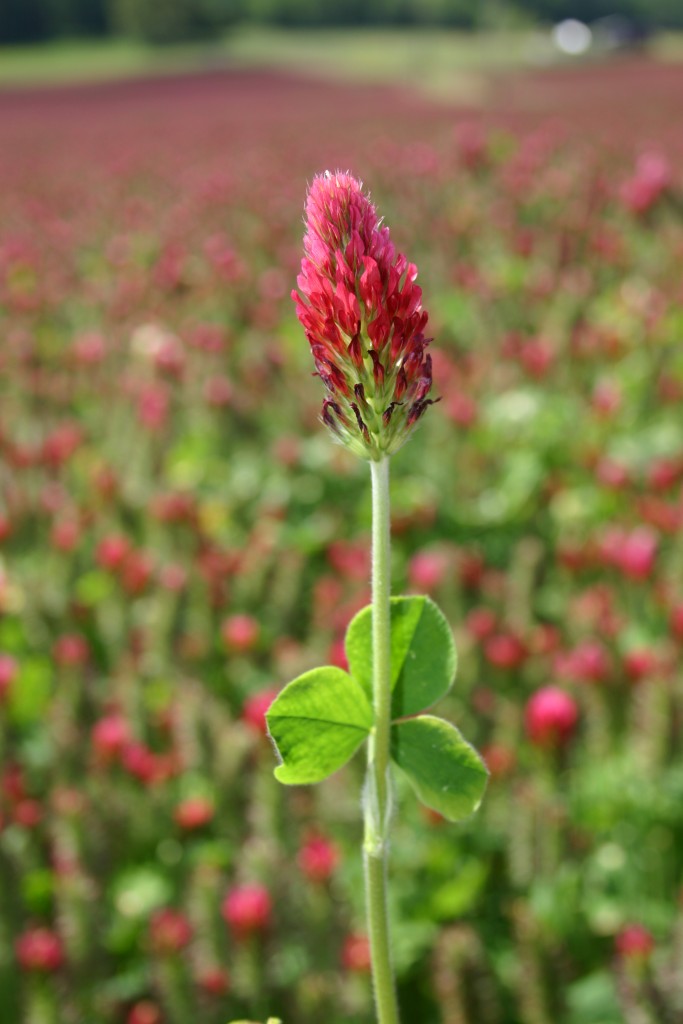
crimson clover
cool season legume
winter annual
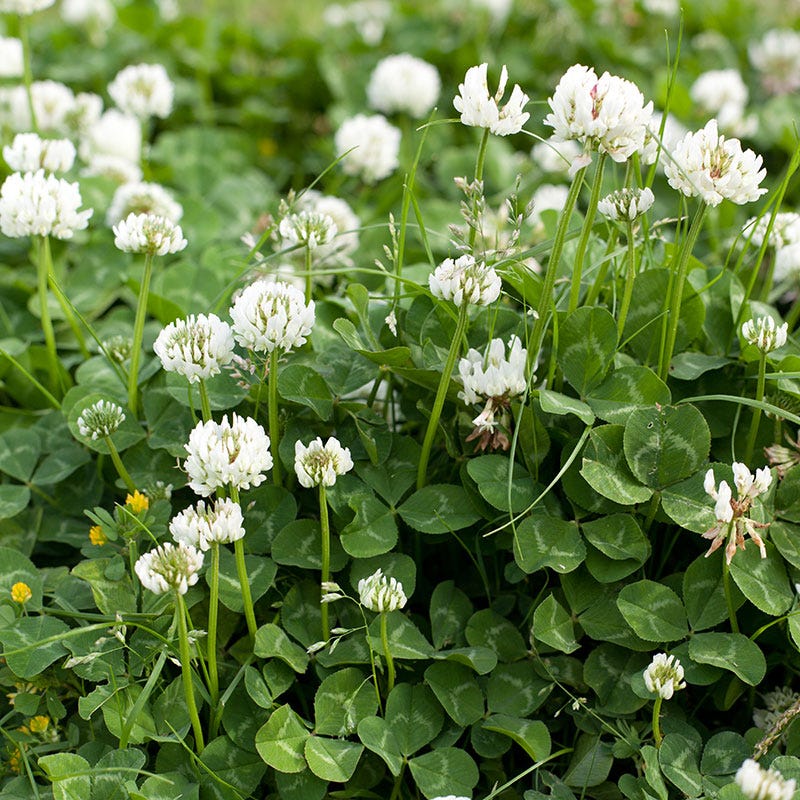
white clover
cool season legume
perennial in temperate winter annual in deep south
annual forages
complete life cycle in one growing season
myst be replanted each year
perennial forages
live for multiple growing seasons
cool season
grow best during cooler temps (spring and fall)
reduced growth during hot summer months
warm season
grow best during warmer temps (late spring and summer)
growth stops when temps drop
early vegetative stage
plants young leafy actively growing
higher crude protein and digestibility
lower fiber content
inc forage consumption due to palatability
mature stage
plants develop stems and seed heads
crude protein and digestibility dec
fiber and lignin inc
less palatable
1st cutting
highest yield coarser thicker stems more seeds heads/weeds
highest in fiber lower in protein moderate in digestibility
2nd cutting
moderate yield from plant regrowth finer stems more leaves green softer texture
balanced protein and energy lower in fiber than 1st cut higher palatability
3rd cutting
smallest yield of season soft leafy fine stemmed dark green
lowest fiver highest protein highest calorie/sugar density
continuous grazing
unlimited access to single pasture
minimal overhead cost, less management
lower stocking rate and pasture productivity, more forage loss from trampling, uneven manure distribution, uneven pasture use, weed growth
simple rotational grazing
moving cattle between a few pastures
higher fence and water system costs, lower forage production and pasture use then intensive rotation grazing
20% inc in forage production and pasture condition compared to cont grazing, allows for pasture rest and regrowth, better manure distribution
intensive rotational grazing
moving cattle between many pastures
30-50% inc in forage production and use per acre compared to cont grazing, better weed and brush control, reduces the need for harvested forages, stocking rates may be inc, more even manure distribution
requires more management, required close monitoring of forage supply, higher initial cost for fence and water system
macrominerals
need in large amounts
calcium, phosphorus, magnesium, salt, potassium, sulfur
microminerals
needed in tiny amounts
copper, zinc, selenium, manganese, iodine, cobalt
grass tetany
low magnesium on lush spring grass
feed a high mg mineral
urinary calculi
too much P compared to Ca
add limestone to grain diets
white muscle disease
low selenium/vitamin E
much of the southeast in low Se