Dendrology Species/Family List
 Call Kai
 Learn
Learn Practice Test
 Spaced Repetition
 Match
Match Flashcards
 Knowt Play
1/112

There's no tags or description
Looks like no tags are added yet.
Name | Mastery | Learn | Test | Matching | Spaced | Call with Kai | Chat |
|---|
No analytics yet
Send a link to your students to track their progress
113 Terms
Ginkgo (Ginkgo biloba)
Ginkgoaceae
Only genus and species in the Ginkgoaceae
Living trees can be incredibly old 3500 years (china)
Fossils date back 200 million years

Pinaceae: Pine Family
11 genera, 234 species
1 genus, 2 species (possibly 3) native to Arkansas
Mostly N. Hemisphere; warm temperate to above tree limit N. of Arctic Circle
Trees (some shrubs)
Tissues aromatic from abundant resin canals
(wood and leaves)
Leaves acicular (needle-shaped) or linear (flat or square)
deciduous or persistent (45 years)
alternate; may be twisted
solitary or in fascicles (Pinus)
Plants monoecious (both male and female cones on single individual)
Pollen usually saccate (bladders)
Male cones are deciduous after pollen release
Pinus Genus
Evergreen shrubs and trees
Cones conic or cylindric; scales armed or unarmed
Hybridization and introgression common
Longleaf Pine (Pinus palustris)
Pinaceae
Non-native in AR
Needles 20-50 cm long, seed cones 15-25 cm long

Eastern White Pine (Pinus strobus)
Pinaceae
Non-native in AR
Needles 4-23 cm long, seed cones up to 15 cm long
Needles grouped in fascicles of 5, seed cones lacking a prickle at the tip of each scale

Shortleaf/Yellow Pine (Pinus echinata)
Pinaceae
Native to AR
Needles 7-12 cm long, seed cones 4-6 cm long, bark plates with conspicuous resin pockets, majority of fascicles with 2 needles

Loblolly Pine (Pinus taeda)
Pinaceae
Native to AR
Needles 13-23 cm long, seed cones 6-15 cm long, bark plates lacking resin pockets, majority of fascicles with 3 needles

Virginia Pine (Pinus virginiana)
Pinaceae
Non-native to AR
Needles grouped only in fascicles of 2
Needles 4-8 cm long, strongly twisted

Spruce Pine (Pinus glabara)
Pinaceae
(Possibly) Native to AR
Needles grouped only in fascicles of 2
Needles not twisted
Tight bark
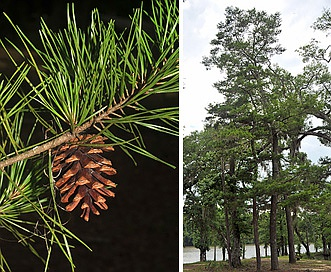
Cupressaceae: Redwood and Cypress Family
Cosmopolitan; mostly Northern Hemisphere; warm to cold temperate
30 genera, 152 species
2 genera, 3 species native to Arkansas
Shrubs to large trees (112m tall & 11.4m in diameter at base);aromatic; wood may be rot-resistant
Leaves alternate, opposite or whorled, Linear or scales (minute)
Plants monoecious or dioecious (Juniperus)
Female cones woody, leathery or fleshy
Bald Cypress (Taxodium distichum)
Cupresseaceae
Monoecious
Leaves simple, alternate
Deciduous
Often dominate flooded forests
Individual trees can be up to 2500 years old!!!!!
Buttress roots
Pneumatophores (Cypress knees)

Juniperus Genus
Shrubs to small trees
Bark reddish-brown
Dioecious
Leaves heteroblastic (juvenile leaves differ from mature leaves)
Juvenile leaves: needles
Mature leaves: scales
Cones globose; fleshy, small; with few fleshy scales fused into a berry-like cone
Eastern Redcedar (Juniperus virginiana)
Cupresseaceae
Native to AR
Turns brownish red during the winter
Pollen cones (male)
Seed cones (female)

Ashes Juniper (Juniperus ashei)
Cupresseaceae
Native to AR
Not as common in Arkansas, often restricted to areas of shallow soils with exposed bedrock
Remains green throughout the winter
Seed cones are larger than J. virginiana (6-9mm wide)

Black Cherry (Prunus serotina)
Rosaceae
Native to AR
bark w/ lenticels
leaves alternate, simple
finely serrated leaves
white flowers (look like Honey-Suckles)

Southern Red Oak (Quercus falcata)
Fagaceae
Native to AR
Leaves alternate, simple
sharp bristles at ends of leaves, bell-shaped base
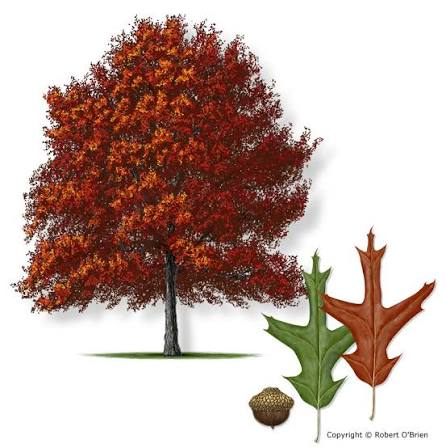
Blackjack Oak (Quercus marilandica)
Fagaceae
Native to AR
Leaves alternate, simple
sharp bristles

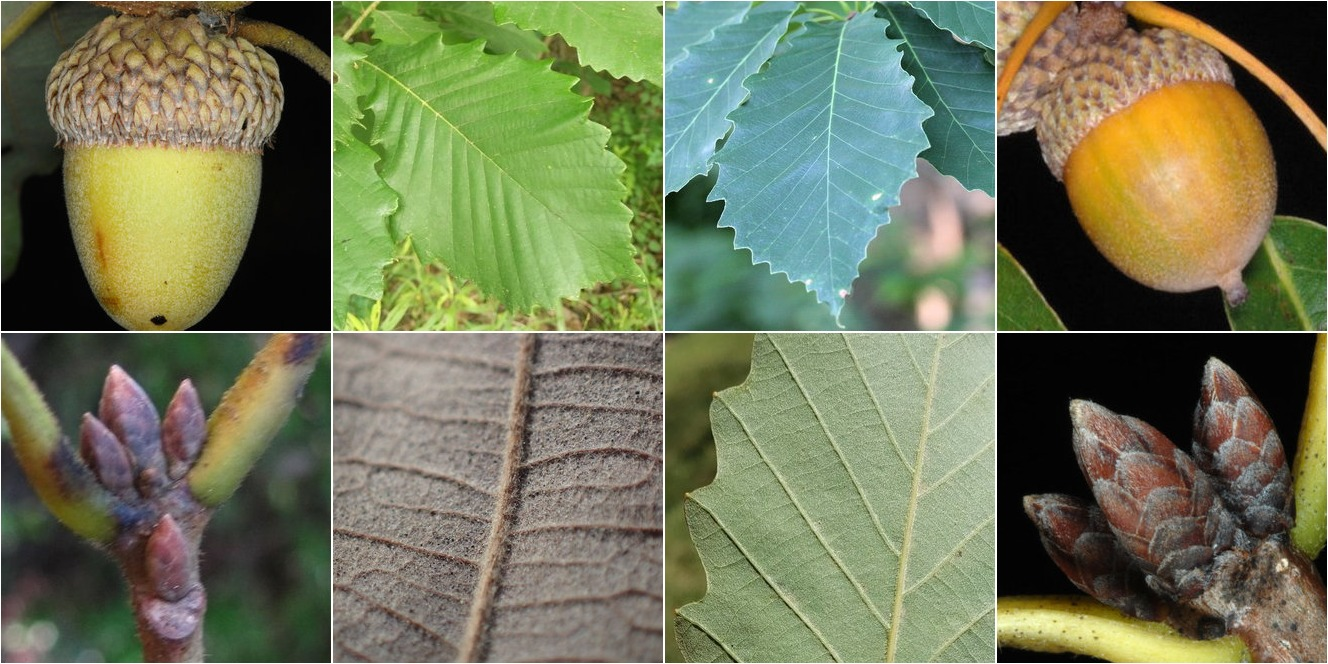
Swamp Chestnut Oak (Quercus michauxii)
Fagaceae
Native to AR
Leaves alternate, simple
unlobed, 10-15 rounded teeth on each side
oblong acorns
fuzzy leaves
Flowering Dogwood (Cornus florida)
Cornaceae
Native to AR
Leaves opposite, simple
blocky bark

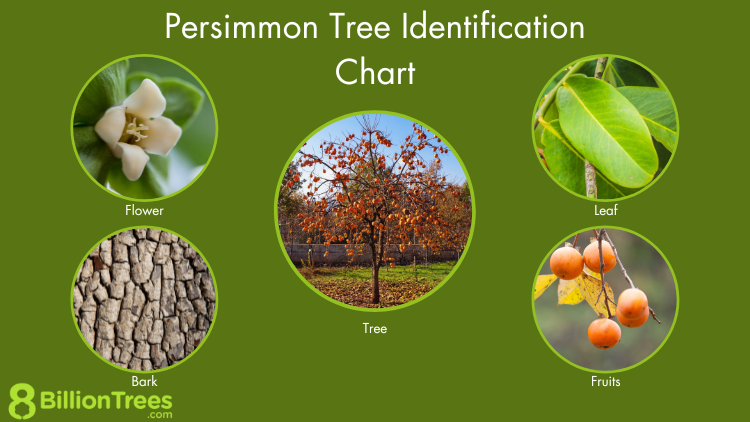
Persimmon (Diospyros virginiana)
Ebenaceae
Native to AR
leaves simple, alternate
bulbous flowers
blocky bark
White Oak (Quercus alba)
Fagaceae
Native to AR
leaves simple, alternate
loose, flakey light bark
long acorns

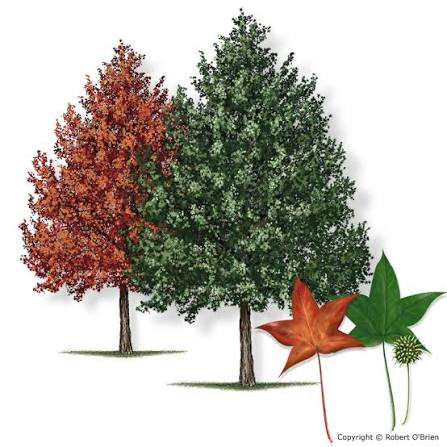
Sweetgum (Liquidambar styraciflua)
Altingiaceae
Native to AR
leaves simple, alternate
looks like maple leaves
spikey balls
Winged Elm (Ulmus alata)
Ulmaceae
Native to AR
leaves simple, alternate
twigs have corky wings

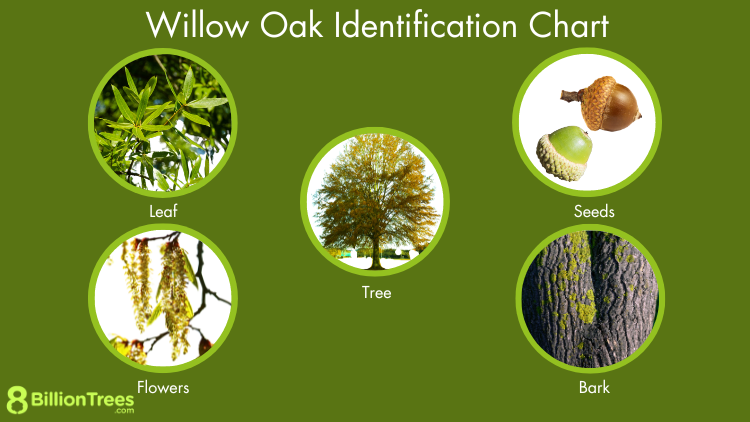
Willow Oak (Quercus phellos)
Fagaceae
Native to AR
leaves simple, alternate
thin and unlobed leaves
Eastern Redbud (Cercis canadensis)
Fabaceae
Native to AR
leaves simple, alternate
legumes
pink/purple flowers in the early spring

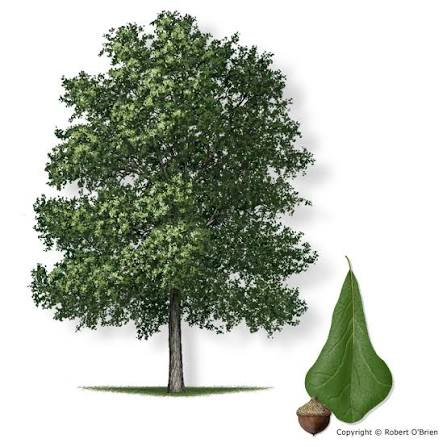
Water Oak (Quercus nigra)
Fagaceae
Native to AR
leaves simple, alternate
leaves unlobed/barely lobed at top
Sassafras (Sassafras albidum)
Native to AR
leaves simple, alternate
smells like fruitloops
some leaves lobed, some unlobed

Post Oak (Quercus stellata)
Fagaceae
Native to AR
leaves simple, alternate
T-shaped lobed leaves
very few lobes beneath 2 main lobes
lighter bark, parallel furrows

Winged Sumac (Rhus copallinum)
Anacardiaceae
Native to AR
Leaves oddly-pinnately compound, alternate
twigs with red lenticels
rachis winged
red or green berries
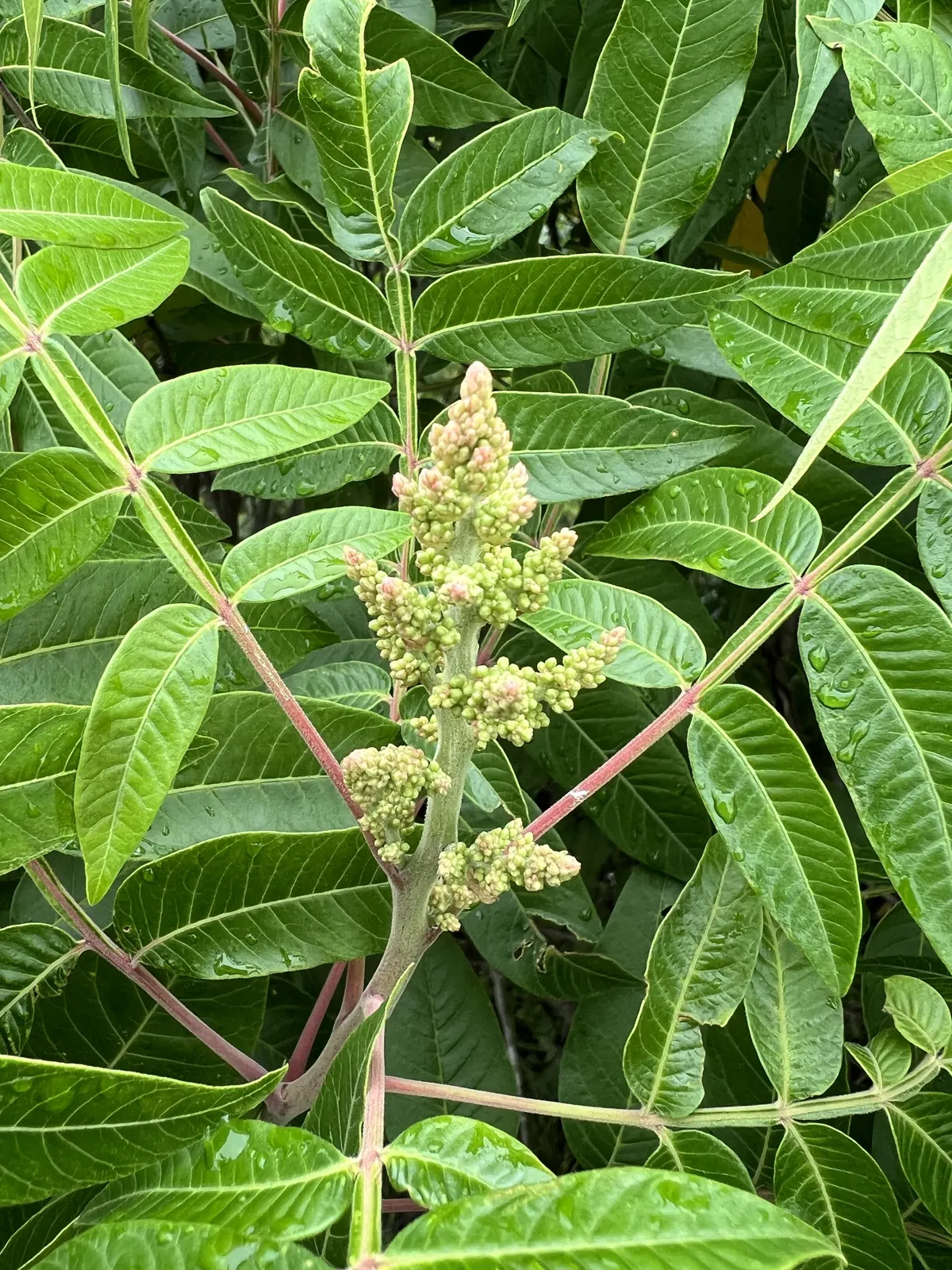
Smooth Sumac (Rhus glabra)
Anacardiaceae
Native to AR
Leaves oddly-pinnately compound, alternate
red or green berries

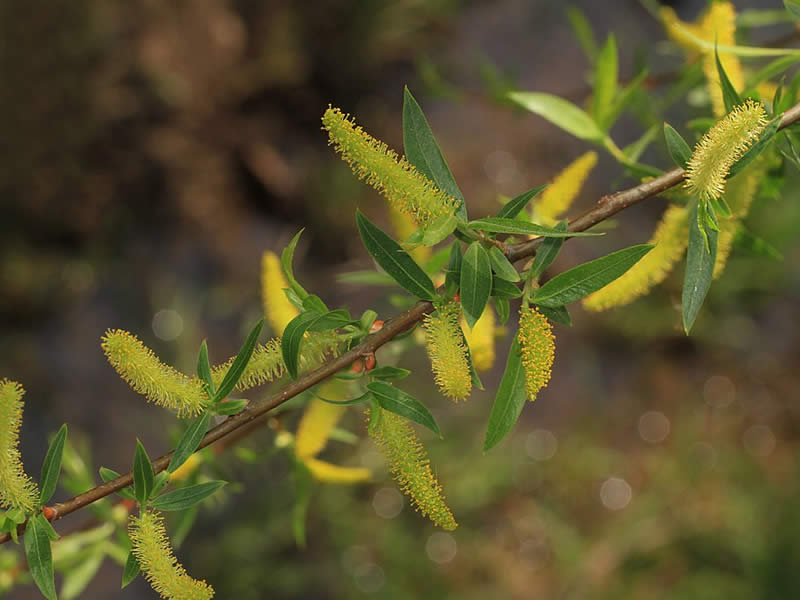
Black Willow (Salix nigra)
Salicaceae
Native to AR
Leaves alternate, simple
many narrow, pointed leaves, unlobed
long yellow flowers
Pecan (Carya illinoinensis)
Juglandaceae
Native to AR
Leaves alternate, odd pinnately compound (9-17 leaflets)
pecan shells have winged sutures

Silver Maple (Acer saccharinum)
Sapindaceae
Native to AR
Leaves simple, opposite
paired samaras

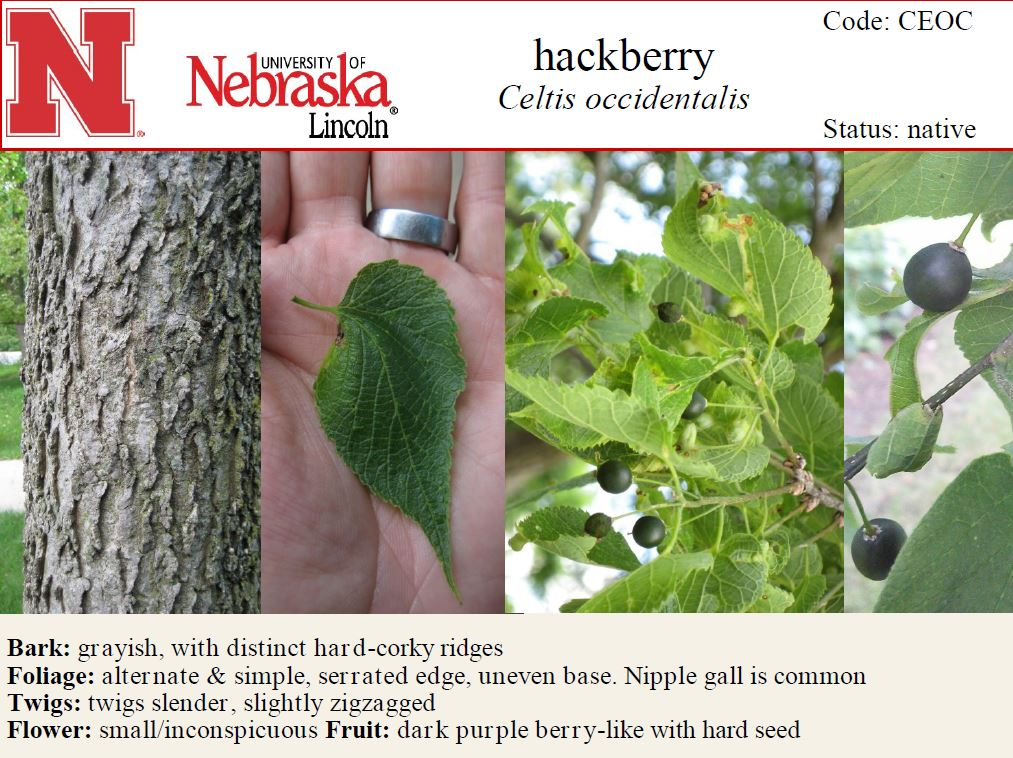
Hackberry (Celtis occidentalis)
Cannibaceae
Native to AR
Leaves simple, alternate
base of leaves asymmetrical
bark w/ blocky protrusions
Sweetbay Magnolia (Magnolia virginiana)
Magnoliceae
Native to AR
Leaves simple, alternate (sometimes whorled)

Tulip Poplar (Liriodendron tulipifera)
Magnoliceae
Native to AR
Leaves simple, alternate
4-lobed leaves, look like tulips

Sycamore (Platanus occidentalis)
Plantanaceae
Native to AR
Leaves simple, alternate
leaves are toothed and look like maple
bark comes off in sheets, white underneath

Black Walnut (Juglans nigra)
Juglandaceae
Native to AR
Leaves alternate, pinnately compound (15-23 leaves)
green, round fruits

River Birch (Betula nigra)
Betulaceae
Native to AR
Leaves alternate, simple
peeling bark
toothed leaves

Honey Locust (Gleditsia triacanthos)
Fabaceae
Native to AR
Leaves alternate, pinnately compound and double-pinnately compound
thorns on trunks/branches
large seed pods

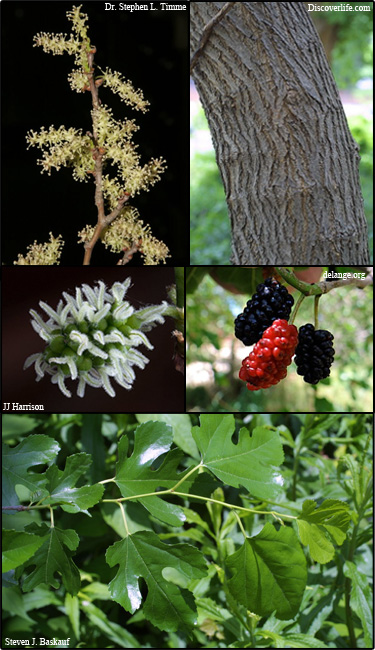
White Mulberry (Morus alba)
Moraceae
Native to AR
Leaves alternate, simple
leaves are asymmetrical, toothed
Sawtooth Oak (Quercus acutissima)
Fagaceae
Non-native to AR
Leaves alternate, simple
leaves narrow (like Willow Oak), many sharp teeth w/ bristles
acorns have stringy attachments

Fagaceae: Beech Family
Global Diversity: 927 species, 8-10 genera
Habitat: mainly Northern Hemisphere (temperate & tropical)
3 genera native to AR, 30 species
Fagus:1 spp
Castana: 2 spp
Quercus: 27 spp
2 non-natives: Chinese Chestnut and Sawtooth Oak
American Beech (Fagus grandifola)
Fagaceae
Native to AR, only true Beech in AR
leaves simple, alternate
bark smooth, lighter color
spikey cupule fruit (bur)

Ozark Chinquapin (Castanea ozarkenis)
Fagaceae
Native to AR
leaves alternate, simple
dry upland woodlands, bluffs, glade margins

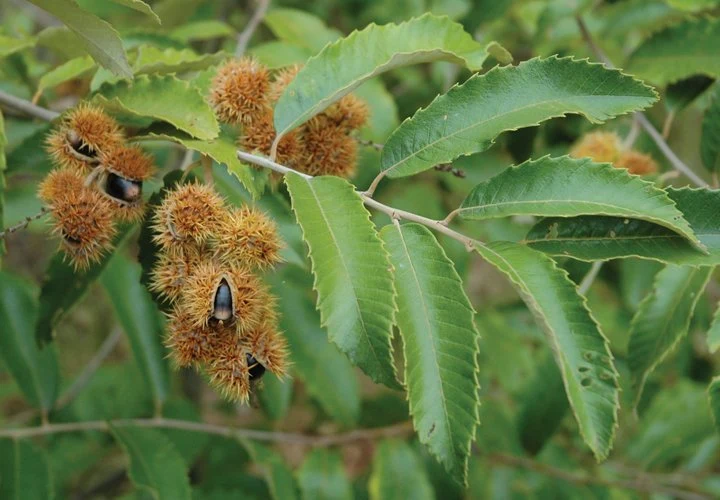
Allegheny Chinquapin (Castanea pumila)
Fagaceae
Native to AR, not in Craighead CO
leaves/spines on cupules smaller than Ozark Chinquapin
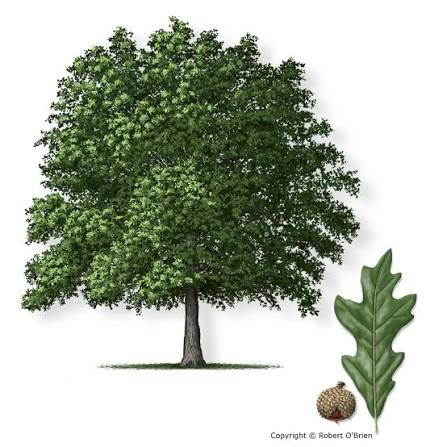
White Oak Group
10 Species native to AR
6 Species native to Craighead/surrounding CO
no bristles
acorns have less tannins, preferred by mammals
Overcup Oak (Quercus lyrat)
Fagaceae
Native to AR
Leaves alternate, simple
similar to Post Oak, sharper margins, thinner leaves
acorn has top covering most of nut
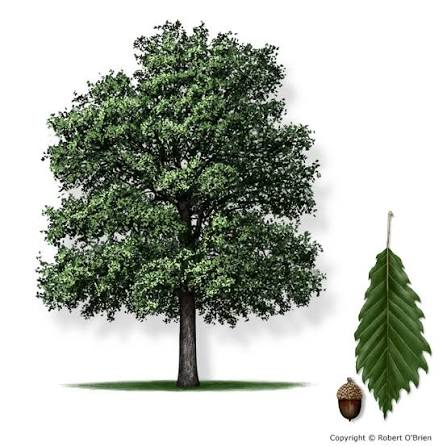
Chinquapin Oak (Quercus muehlenbergii)
Fagaceae
Native to AR
leaves alternate, simple
dry to mesic forests
serrated like a swamp chestnut, more sharp edges and smaller leaves
lack hairs on leaves
Bur Oak (Quercus macrocarpa)
Fagaceae
Native to AR, not in Craighead
leaves simple, alternate
thick, protruding bark
acorns have stringy tops
leaves similar to Overcup Oak

Northern Red Oak (Quercus rubra)
Fagaceae
Native to AR
leaves simple, alternate
bark has light stripes
large acorns
prominent bristles (Red Oak)

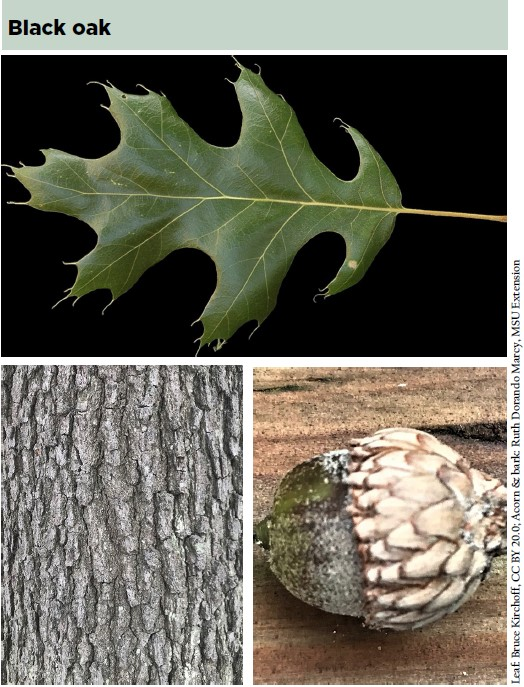
Black Oak (Quercus veluntina)
Fagaceae
Native to AR
leaves alternate, simple
leaves are very variable
hairs on undersides of leaves
very dark bark
acorn cap covers most of nut
Fagaceae
Native to AR
leaves alternate, simple
bark has less furrows than other oaks
smaller leaves, very prominent bristles
Pin Oak (Quercus palustrus)
Fagaceae
Native to AR
leaves alternate, simple
small, striped acorns
lower branches droop down

Cherrybark Oak (Quercus pagota)
Fagaceae
Native to AR
leaves alternate, simple
3 main triangle-shaped lobes w/ deep furrows
branches have lenticels
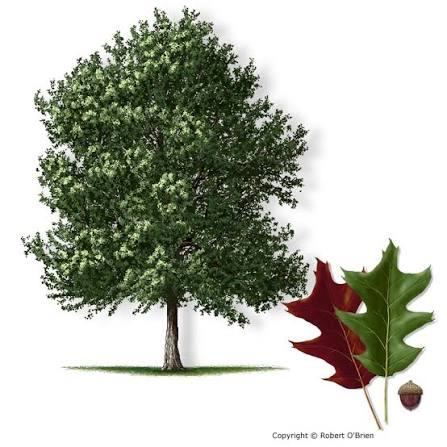
Nuttall Oak (Quercus texana)
Fagaceae
Native to AR
leaves alternate, simple
acorns longer than wide, often w/ vertical stripes
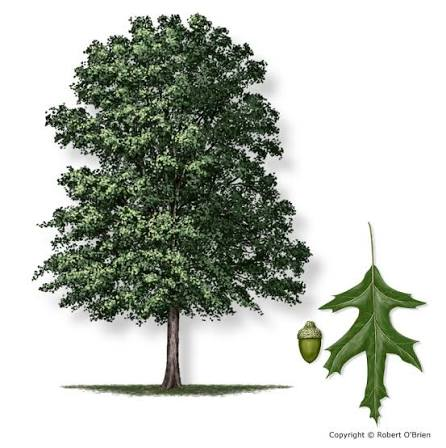
Laurel Oak (Quercus laurifolia)
Fagaceae
Native to AR
leaves alternate, simple
swamp/bottomland forest
similar to Willow Oak/Water Oak, wider leaves

Scarlet Oak (Quercus coccinea)
Fagaceae
Native to AR
leaves alternate, simple
leaves are bright orange/red
acorns have “halos“ at the base

Red Oak Group
bristles present
Total number of species native to AR: 17
Total species in Craighead/adjacent Counties: 7
Maple Leaf Oak: endemic to AR (not in Craighead CO), conservation concern
Ulmaceae: Elm Family
6-7 genera, 45 species
Siberian Elm and Chinese Elm invasive in AR
Water Elm (Planera aquatica)
Ulmaceae
Native to AR
only species in genus Planera
bottomland habitat
drupe fruits ripe in april, corky protrusions
leaves simple, alternate
irregularly serrated
shaggy bark
samara fruits
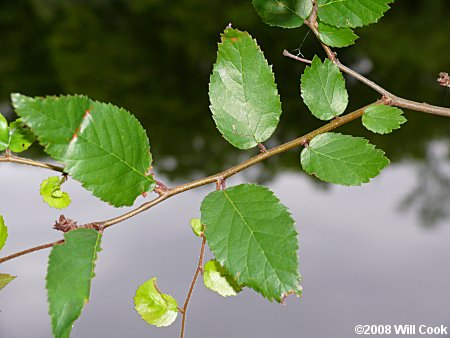
Genus Ulmus
35-45 accepted species
AR: 6 species, 1 species of concern
4 species in Craighead CO
1 additional species in Poinsett CO
Cedar Elm (Ulmus crassifola)
Ulmaceae
upper sides of leaves are scabrous (sandpapery)
can also have wings
apex is more rounded than Winged Elm
fruits in fall (Sept.-Nov.)
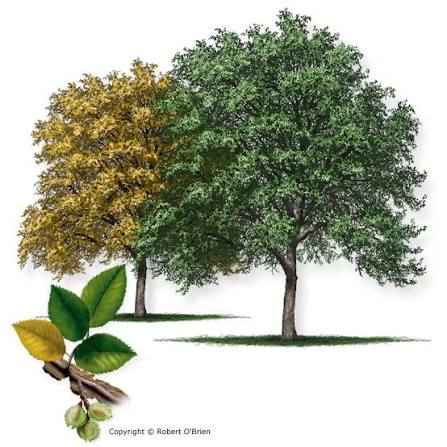
American Elm (Ulmus americana)
Ulmaceae
large leaves
leaf base asymmetrical, double-serrated
leaf vein does not have prominent forks, 3 or less if present
samara fruits
bark is red and tan in cross section

Slippery Elm (Ulmus rubrus)
Ulmaceae
leaves same size of American Elm
forked veins @ leaf margins
samara fruits (March & April)
bark layered, not as contrasting
sandpapery
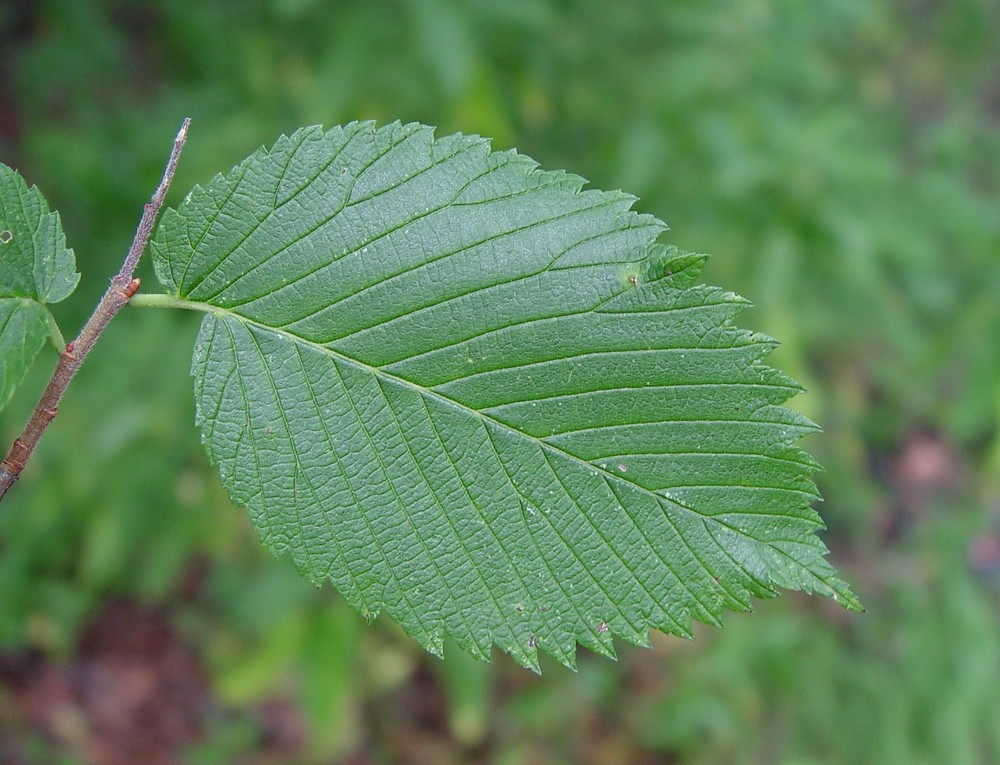
September Elm (Ulmus serotina)
Ulmaceae
native to Craighead CO
only Elm that flowers in Fall
samaras ripe in Oct.
leaves very similar to American/Slippery Elm

Salicaceae: Willow Family
Ulmaceae
woody shrubs/trees
Catkin fruits
2 genera, 8 species native to AR
Populus and Salix genera
1 invasive and 2 species of concern
Genus Populus
30-34 species
variety of diff habitats in N. hemisphere
2 species native to AR, 1 invasive
large leaves, simple, alternate
Swamp Cottonwood (Populus heterophylla)
Salicaceae
native to AR
capsule fruits in catkins
leaves serrated
base is uneven, heart-shaped
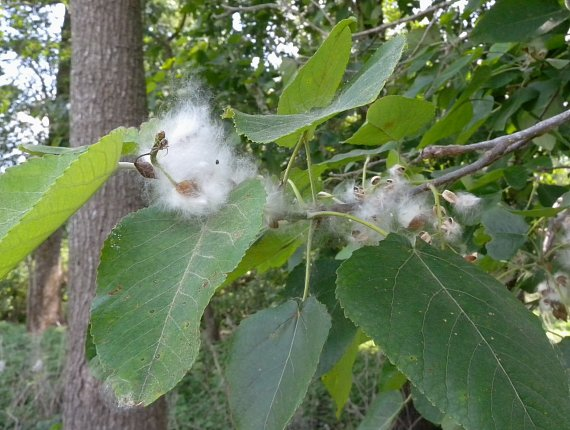
Eastern Cottonwood (Populus deltoides)
Salicaceae
native to AR
rounded serrations
round, heart-shaped

White Poplar (Populus alba)
Salicaceae
invasive in AR
bark very light, look like Aspens

Sandbar Willow (Salix interior)
Salicaceae
Native to AR
lower leaf surface green
leaf margins with teeth widely spaced
capsules arranged in catkins
shrubs/trees
wetland species

Prairie Willow (Salix humilus)
Salicaceae
Native to AR
prairies, dry forests, glades
shrubs
lower leaf surface lighter
wavy margins
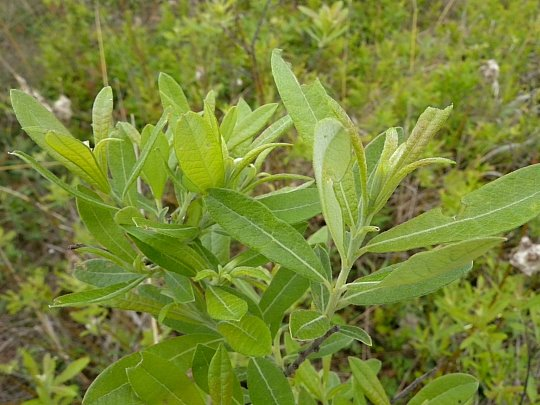
Silky Willow (Salix sericia)
Salicaceae
Native to AR, conservation concern
lower leaf surface pubescent, white
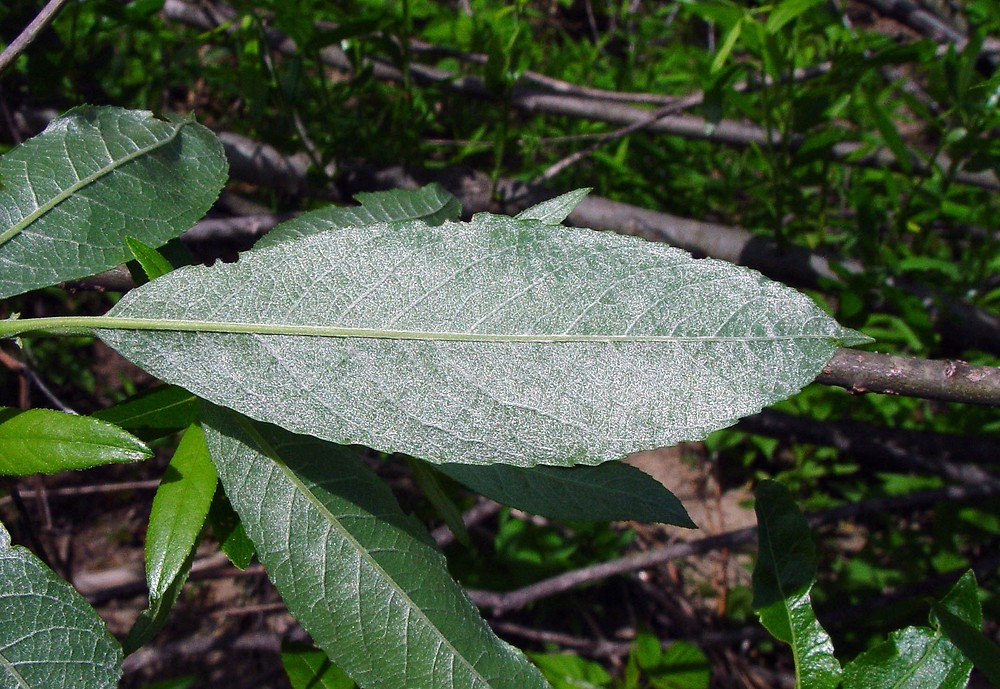
Carolina Willow (Salix caroliniana)
Salicaceae
Native to AR
lower leaf surface white
glabrous (no hairs)
simple, alternate
stipules present and showy

Missouri Willow (Salix humilis)
Salicaceae
Native to AR, not Craighead CO
lower leaf surface bluish-grey
leaves elliptic to ovoid, wider than most willows
stipules present and showy
areas of running water

Annonaceae: Custard Apple Family
108 genera, 2400 species
largely tropical and subtropical
2 species native to AR
Soursops and Paw Paws
PawPaw (Asimina tribola)
Annonaceae
Native to AR
small trees
flowers Aug-Oct, smells like rotten flesh to attract flies
large leaves, simple, alternate
fruits-berry

Dwarf PawPaw (Asimina parviflora)
Annonaceae
Native to AR, only southwest region (conservation concern)
small leaves, simple, alternate
very small flowers/fruits
dry upland

Cannibaceae: Hemp Family
11 genera, 170 species
Celtis genus is the only woody genus
Sugarberry (Celtis laevigata)
Cannibaceae
Native to AR
Leaves simple, alternate w/ 3 prominent veins
corky worts
drupe fruits (Apr-May)

Moraceae: Mulberry Family
37 genera, 1200 species
AR: 2 genera, 2 species, 1 invasive genera/species
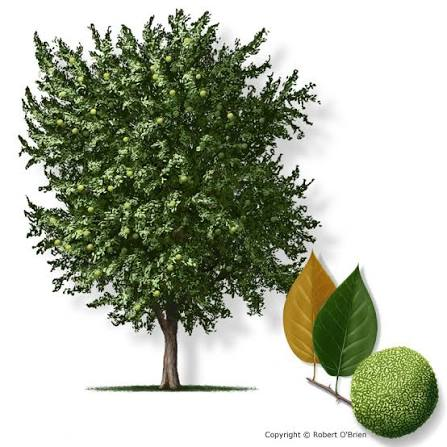
Osage-Orange (Maclura pomifera)
Moraceae
Native to AR, only in southwest region
bark is orange-brown, furrowed
leaves simple, alternate
fruits multiples of achenes, bright green (not edible)
Red Mulberry (Morus rubra)
Moraceae
Native to AR
leaves simple, alternate, leaf lobes very variable
leaves serrated
fruits multiple of achenes

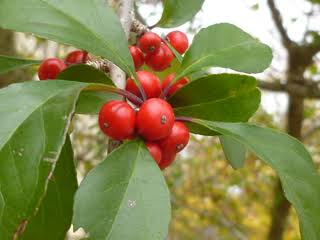
Possumhaw (Ilex decidua)
Aquifoliaceae
Holly
Native to AR
leaves simple, alternate
Southern Sugar Maple (Acer floridanum)
Sapindaceae
Native to AR
Opposite, simple, and palmately lobed (usually 3 to 5 lobes)
smooth, entire margins lacking sharp serrations
green above and paler, fuzzy below.

Hophornbeam (Ostrya virginiana)
Betulaceae
Native to AR
leaves simple, alternate
rough bark

Green Ash (Fraxinus pennsylvanica)
Oleaceae
Native to AR
opposite, pinnately compound leaves (usually 5 to 9 leaflets)

Muscadine (Vitis rotundifolia)
Native to AR
simple unbranched tendrils
leaves simple, alternate, glossy, nearly rounded leaves with thick teeth
grape-like berries

Trumpet Creeper (Campsis radicans)
aerial rootlets along stem (not tendrils) and mature woody vines
opposite, odd-pinnately compound leaves (7-11 leaflets)
orange/red trumpet-shaped flowers, pollinated with hummingbirds

Crossvine (Bignonia capreolata)
leaves opposite, compound with 3 leaflets
tendrils

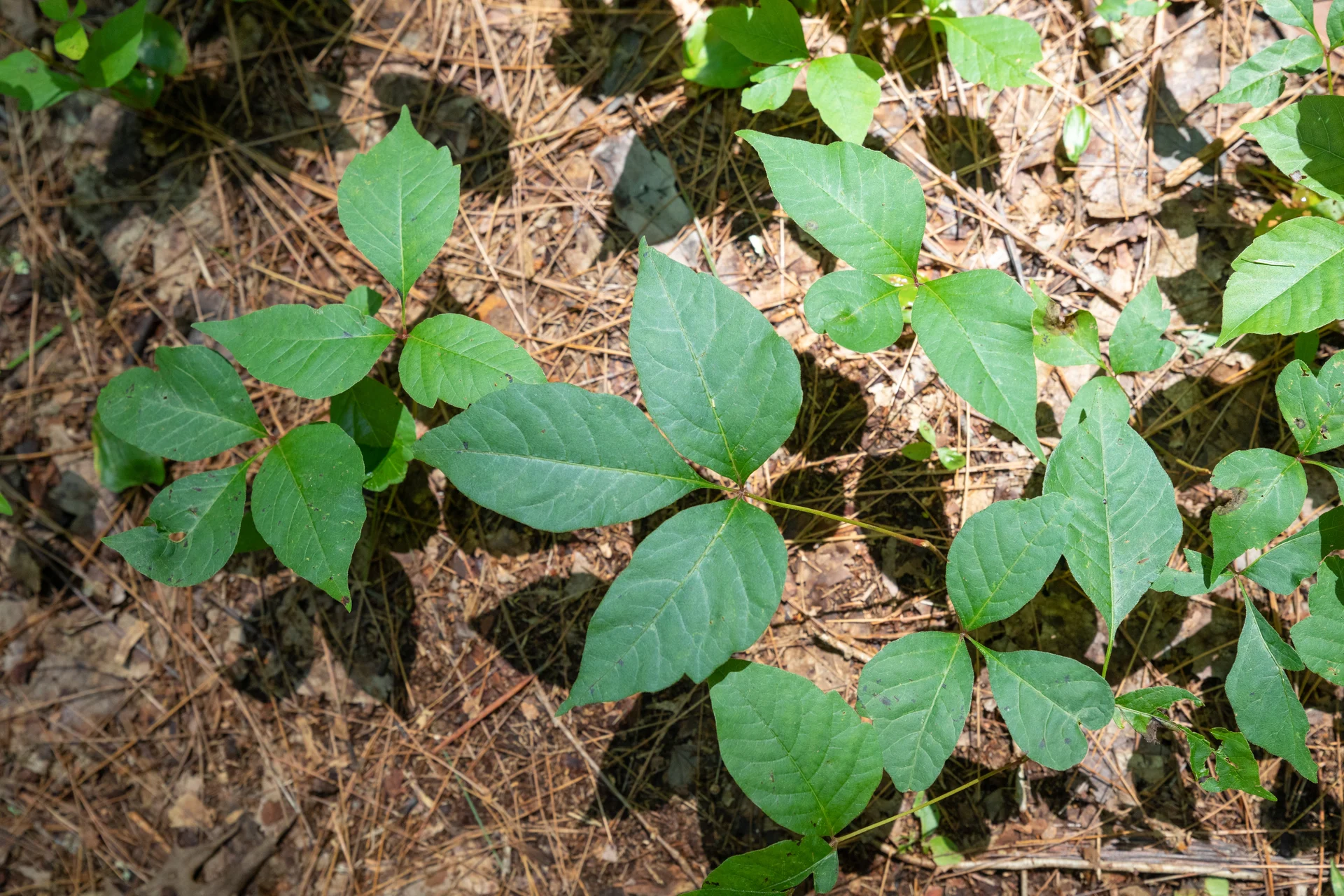
Poison Ivy (Toxicodendron radicans)
alternate, compound leaves w/ 3 leaflets
middle leaflet has longer stem
can be vines or shrubs
uneven
urushiol compound causes reaction
confused w/ poison oak/sumac
Virginia Creeper (Parthenocissus quinquefolia)
alternate, palmately compound leaves w/ 5 leaflets
leaflets coarsely toothed

Japanese Honeysuckle (Lonicera japonica)
opposite, simple
highly invasive
paired leaves not fused around stem

Rattan Vine (Berchemia scandens)
twining
very long when mature (can be 60 ft long)
leaves simple, alternate
wavy margins

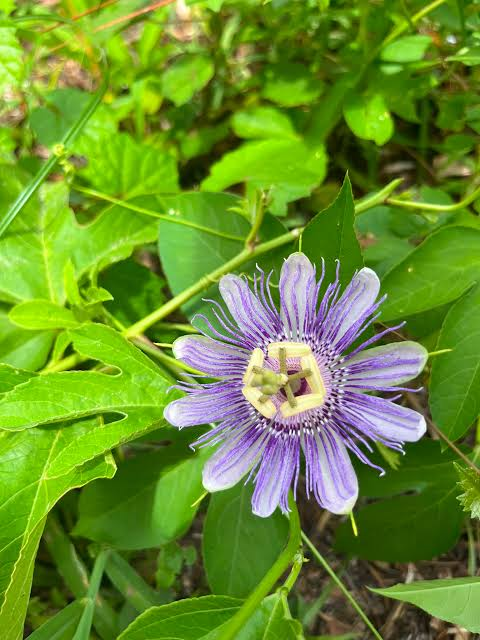
Purple Passionflower (Passiflora incarnata)
fast-growing native
alternate leaves, deeply lobed (3 lobes)
Yellow Passionflower (Passiflora lutea)
alternate leaves, not as deeply lobed

Roundleaf Greenbriar (Smilax rotundifolia)
leaves simple, alternate, with 3 prominent veins
prominent tendrils
dioecious
prickles w/ dark tips
rounded leaves
leaves underside green

Cat Greenbriar (Smilax glauca)
leaves simple, alternate, with 3 prominent veins
prominent tendrils
dioecious
triangular
leaves underside white
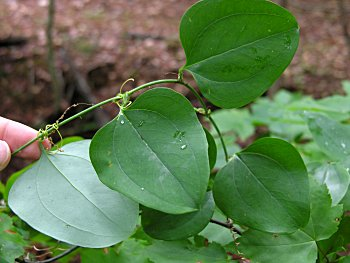
Saw Greenbriar (Smilax bona-nox)
leaves simple, alternate, with 3 prominent veins
prominent tendrils
dioecious
variable shape, mostly triangular
leaves have prickles
white mottling