bones and muscles PNB Lab practical
 Call Kai
 Learn
Learn Practice Test
 Spaced Repetition
 Match
Match Flashcards
 Knowt Play
1/59

There's no tags or description
Looks like no tags are added yet.
Name | Mastery | Learn | Test | Matching | Spaced | Call with Kai | Chat |
|---|
No analytics yet
Send a link to your students to track their progress
60 Terms
skull
suture joints between cranial bones
cranium
upper part of skull that consists of that encases the brain

frontal (1)

occipital (1)
occipital condyles

parietal (2)
the bones located on either side of the head, forming part of the cranium.

temporal(2)
mastoid process, mandibular fossa, zygomatic process, external auditory medius

sphenoid(1)
greater and lesser wings
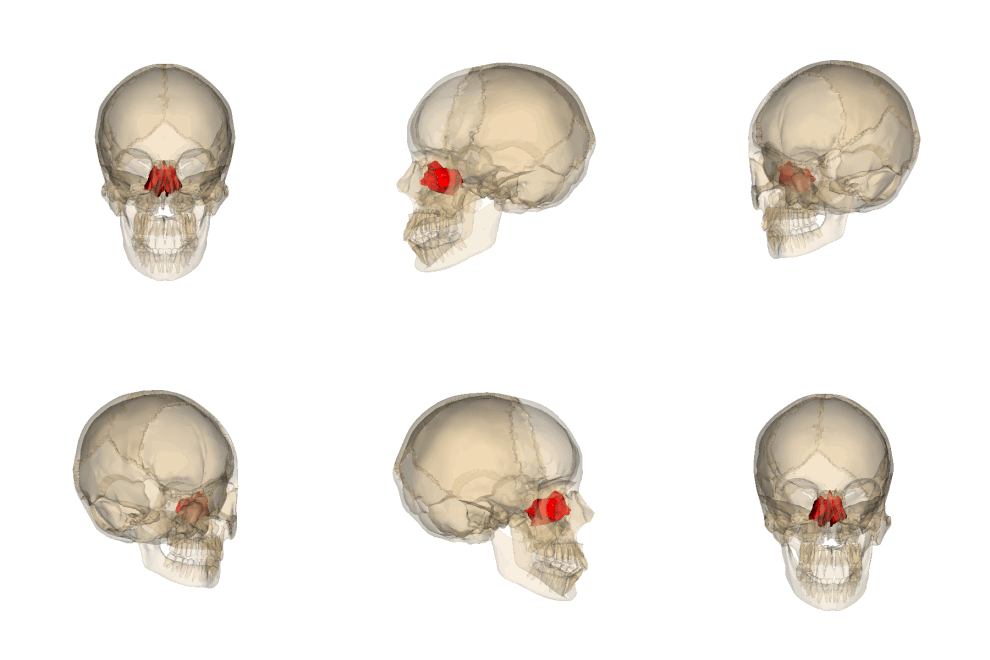
ethmoid (1)
cribriform plate, cristia galli

maxillae
upper jaw bone

zygomatic

lacrimal (2)
small bone forming part of the eye socket

nasal(2)
bridge of nose

mandible (1)
lower jaw bone, only moveable part of the skull

palatine (2)
fused bones that form posterior part of the hard palate
coronal
joins frontal and parietal bones
sagittal
joins parietal bones
lambdoid
joins parietal bones with occipital bones
squamous (2)
joins temporal bones with parietal bones
ear ossicles
malleus, incus, stapes

hyoid bone
does not articulate with any other bone
foramen magnum
big hole that allows the spinal cord to connect to the brain

jugular foramen
between temporal and occipital bones, entry of cranial nerves glossopharyngeal, vagus, accessory


carotid canal
anterior and medial to the jugular foramen, entry of internal carotid artery

superior orbital fissure
between the greater and lesser wings of the sphenoid bones, oculomotor, trochlear, abducens
cervical vertebrae (7)
c1-c7 support head and movement

atlas (c1)
doesn’t have a body

axis (c2)
has dense that modify the body
thoracic vertebrae (12)
supports the rib cage and facilitates breathing, allowing for rotation of the upper body.
lumbar vertebrae (5)
provide support for lower back while allowing flexion and extension

sacrum
5 fused bones

coccyx
3-5 fused bones

sternum
manubrium, body, xiphoid process
ribs (24)
1-7 true. 8-10 false, 11 and 12 floating

rectus abdominus
flexes lumbar portion of vertebral column
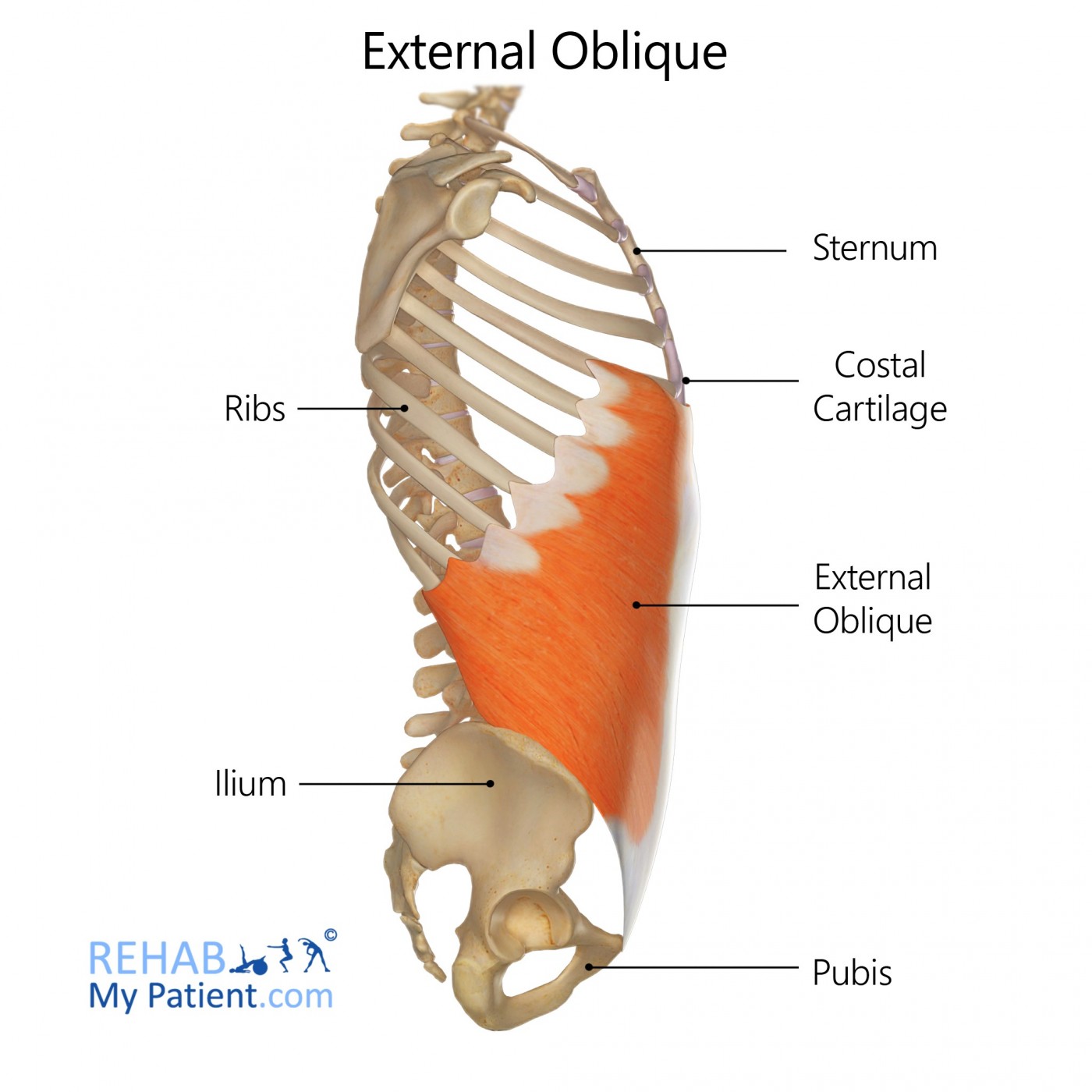
external oblique
Most superficial lateral abdominal muscle. Fibers run down and medial (hands in pocket direction)

internal oblique
unilateral: lateral flexion and rotation of vertebral column on same side
bilateral: flex vertebral column and compress abdominal wall
transverse abdominus
deepest of the 3 lateral abdominal wall muscles, lying under the internal oblique. Fibers run horizontally, support lumbar spine

gluteus maximus
adducts, extension, and lateral rotation of hit (femur)
gluteus medius
abducts and medially rotates hip (femur), stabilize pelvis


gluteus minimums
abduction and medial rotation of hip

semimembranosus
extends hip (femur), flexes knee

psoas major (deep)
flex hip (femur)

sartorius
flexes, abducts, and laterally rotates hip, flexes knee

gracilis
adducts hip and flexes knee

rectus femoris
flexes hip, extends kneee

vastus medialis, lateralis, intermedius
extend knee

semitendinosus
extends hip (femur), flexes knee

bicep femoris
extends and laterally rotates hip (femur), flexes knee

tibialis anterior
dorsiflexion and inversion of ankle

gastrocnemius
plantarflexion of ankle and flexion of knee
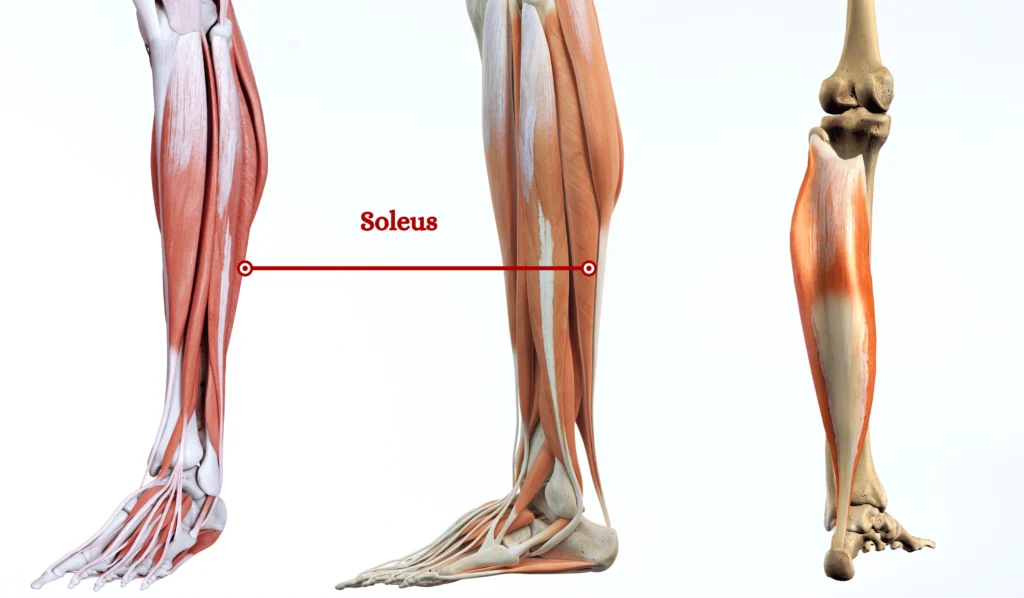
soleus
plantar flexes ankle, stabilizes leg when standing
4 muscles of rotator cuff
supraspinatus, infraspinatus, teres minor, and subscapularis

supraspinatus
abduction/elevates shoulder

infraspinatus
externally rotates shoulder

teres minor
externally/adduction of shoulder

subscapularis
internally/medially rotate shoulder

deltoid
flexion, abduction, rotation
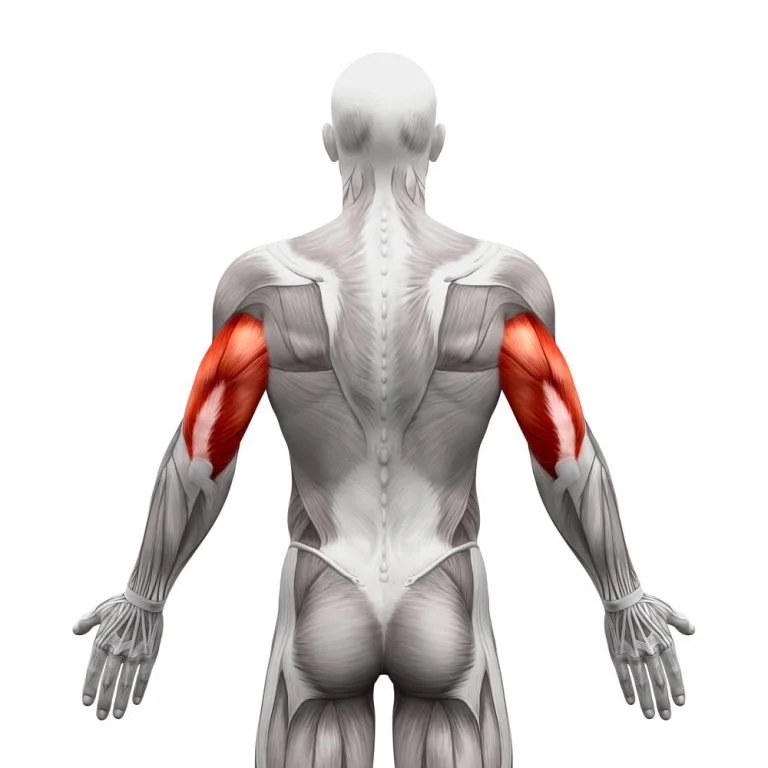
triceps
extension
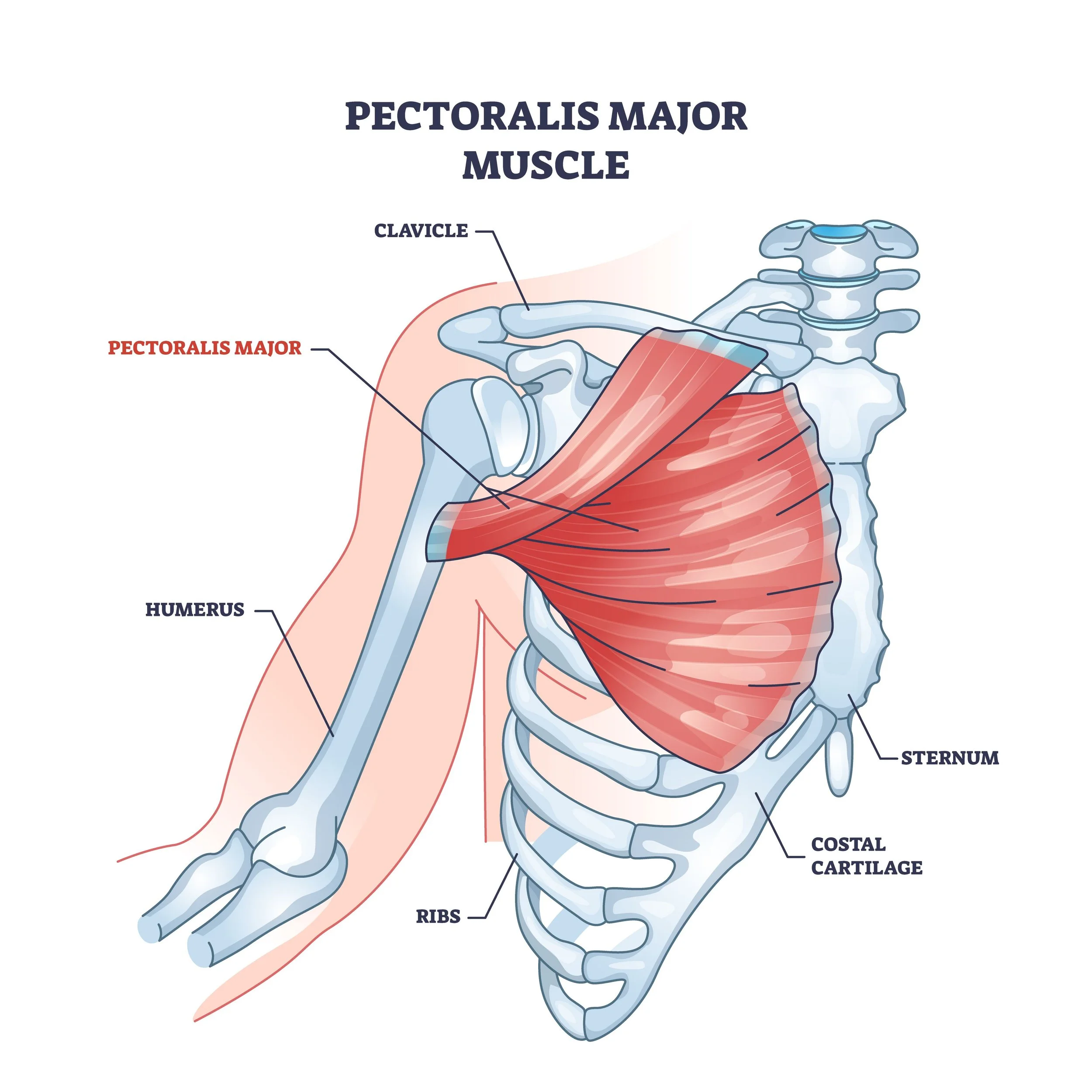
pectoralis major
flexion, medial rotation, adduction

biceps brachii
flexion and supination