Veterinary Pharmacology: Drug Standards, Prescriptions, and Administration Methods
 Call Kai
 Learn
 Practice Test
 Spaced Repetition
 Match
 Flashcards
 Knowt Play
1/43

There's no tags or description
Looks like no tags are added yet.
Name | Mastery | Learn | Test | Matching | Spaced | Call with Kai | Chat |
|---|
No analytics yet
Send a link to your students to track their progress
44 Terms
Are pharmacy and pharmacology the same thing?
False
What is pharmacy?
The preparation and dispensing of medications.
What is pharmacology?
The study of how drugs work.
What does USP stand for in drug names?
United States Pharmacopeia.
What is the role of the United States Pharmacopeia?
It sets standards for drug manufacturing, quality, and purity in the U.S.
What does the USP designation on a drug label indicate?
Identity, potency, purity, and performance.

What is required for a veterinarian to prescribe medication?
A veterinary-client-patient relationship (VCPR).
What is a legend drug?
A prescription drug that can only be prescribed by a veterinarian.

What information is included on a prescription?
Clinic information, date, client and patient details, drug name, dosing instructions, refills, and veterinarian's signature.
What does 'Sig' mean on a prescription?
It indicates the directions for use.
How many milliliters are in a tablespoon?
15 mL.
What is the conversion from kilograms to pounds?
1 kg = 2.2 lbs.
What is the formula for determining drug dosage?
Dosage = mass of drug needed per unit of weight of the animal.
What is the difference between dose and dosage?
Dose is the specific amount given, while dosage is the amount needed per unit weight.
What is the rounding rule for decimals in veterinary medicine?
Round to the nearest tenth or hundredth.
What is the dosage range for Buprenorphine in rabbits?
0.01-0.05 mg/kg.
What is the dosage for a 10 kg dog if the dosage is 10 mg/kg?
100 mg.
What should you always remember to do with decimal points?
Put a zero in front of any decimal point (e.g., 0.5 mg, not .5 mg).
What is the dosage for a 25-pound dog?
250 mg.
How much do cats receive per kg?
4 mg/kg.
What is the dosage for a 1000-pound horse?
50 grams.
What does 'PRN' mean in prescriptions?
As needed.
What does 'STAT' mean in prescriptions?
Immediately.
What are the two main components of most drugs?
Active and inactive components.
What is the role of diluents in drug formulations?
Diluents increase bulk or volume.
What is the active ingredient in a drug?
The part of the drug that causes the desired action.
What are common dosage forms for solid drugs?
Pills (tablets and capsules) and bolus pills.
What are aqueous solutions and suspensions?
Aqueous solutions are liquid mixtures, while suspensions contain solid particles that need remixing before use.
What is enteral administration?
The most common out-patient drug therapy that involves oral administration.
What are the advantages of enteral drug administration?
Relatively easy to administer, inexpensive, and available as liquid or pill.
What is a disadvantage of enteral administration?
Slower onset of action due to absorption through the GI tract.
What is first-pass metabolism?
The process where the drug is metabolized by the liver before it can take effect.
What are parenteral medications?
Drugs delivered via injection, such as IV, IM, SC, and ID.
What is the fastest route of drug administration?
Intravenous (IV) administration.
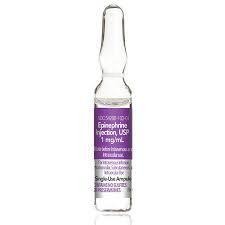
What are the advantages of parenteral administration?
Rapid action, complete bioavailability, predictable absorption, and avoids GI issues.
What are the disadvantages of parenteral administration?
Invasive, higher risk of infection, risk of overdose, and higher cost.
What is the difference between IM and SC injections?
IM injections are quicker than SC but can cause more damage to tissues.
What is the purpose of intraosseous (IO) catheters?
To deliver fluids and medications directly into the bone marrow when IV access is difficult.
What is rectal administration useful for?
It is a convenient method for delivering medications when a dog cannot swallow oral medications.
What should always be noted when administering drugs?
The route of administration and the amount administered.
What is the significance of recording drug administration?
If it isn't written down, it didn't happen.
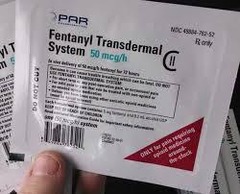
What is the role of transdermal administration?
It allows for non-invasive delivery of medications through the skin.
What is the risk associated with inhalation administration?
It can have very rapid effects but is specific to the respiratory system.
What should be observed after drug administration?
Outcomes carefully, whether problems are expected or not.