micro lab quiz 2 microscopy
 Call Kai
 Learn
 Practice Test
 Spaced Repetition
 Match
 Flashcards
 Knowt Play
1/22

There's no tags or description
Looks like no tags are added yet.
23 Terms
Microbiology
The study of organisms too small to be seen without magnification
what is studied in microbiology
Bacteria
Viruses
Fungi
Protozoa
Helminths (worms)
Algae
Magnification
the number of times an image is enlarged
Contrast
how an image stands out against the background
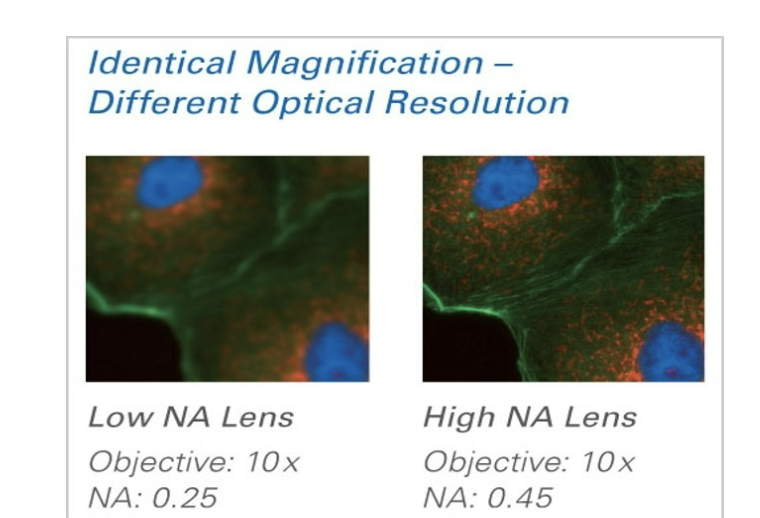
Resolution/Resolving Power
the ability of a lens to show small, close together objects as being separate
resolving power formula
RP=λ/2 (NA)

Numerical Aperture
Represents the angle of light refracted and the quantity of light gathered by the lens
(The higher the numerical aperture the greater the resolution)
Working Distance
the distance between the tip of the objective and the stage
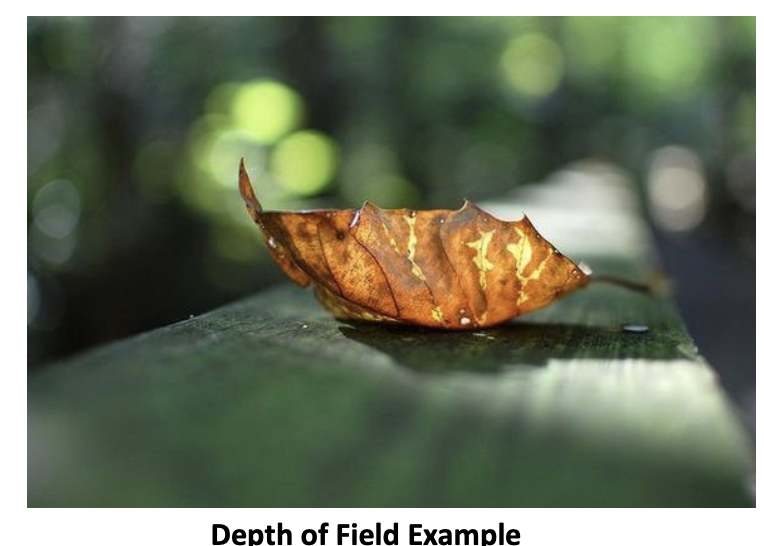
Depth of Field
The vertical top to bottom distance that is in focus

Diameter of Field
Portion of the slide that is visible in the circle of light
Parfocal
lenses maintain relative focus of a specimen as objective lenses are switched
Parcentral
a specimen in the center of the field of view will stay relatively close to the center of the field of view when objective lenses are switched
Wavelength (λ)
distance between 2 adjacent peaks. Smaller one=more energy and increase resolving power. Resolution is limited by it
Reflection
light bounces back off the object

Refraction
as light passes from one medium to another it changes speed, and this makes the light bend
Absorption
light waves that are taken up by an object
Transmission
light passing through an object
Objective Magnification


Light Microscopes
Uses a series of lenses to collect and focus light as it is transmitted through the specimen on a slide
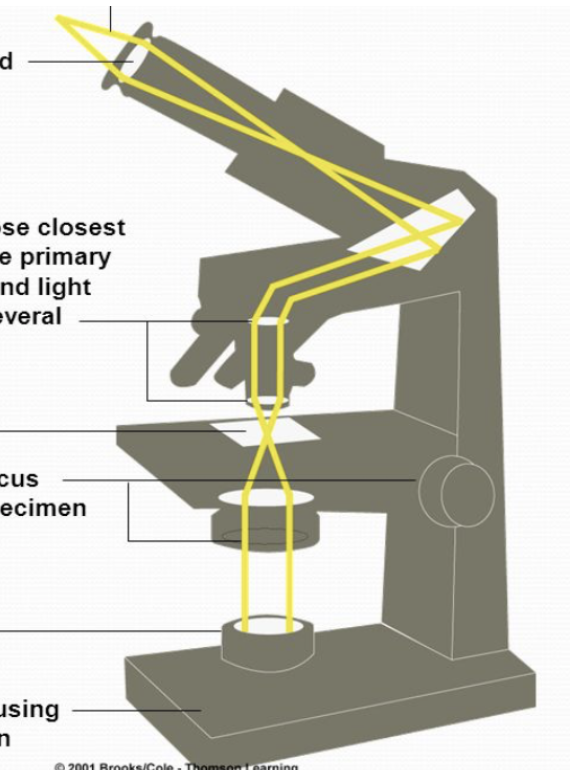

Compound Light Microscopes
Uses the Wavelength of Visible Light
• Can Observe Living/Non-living Specimens
• Thin Specimens
• Color images
• Max Magnification 1000x


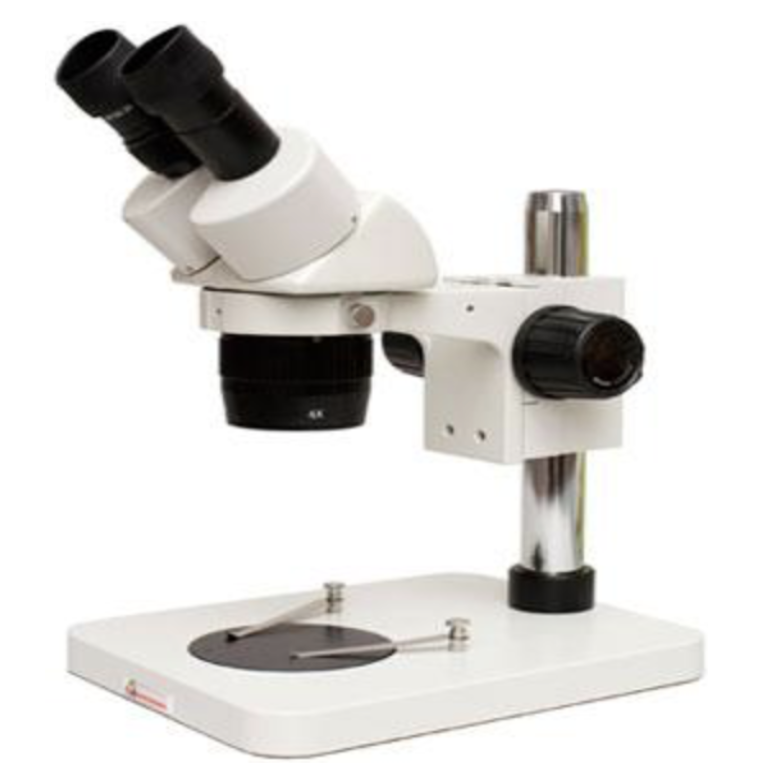
Stereo Dissecting Light Microscopes
Uses the Wavelength of Visible Light
• Can Observe Living/Non-living Specimens
• 3-D Specimens
• Color images
• Max Magnification 20-80X

Transmission Electron Microscopes
• Manipulates electrons to travel in
wavelike patterns
• Used to view Internal Structures
• Non-living Specimens (Metal Dyes)
• Black and White Images
• Max Magnification 10,000-100,000X


Scanning Electron Microscopes
• Manipulates electrons to travel
in wavelike patterns
• Used to view External Structures
• Non-living Specimens (Metal Dyes)
• Black and White Images
• Max Magnification 10,000-50,000X
