CB.6 Prokaryotic cell structure. Comparison with eukaryotic cell structure. Biochemistry of bacterial cell walls including LPS, teichoic acids, proteins.

0.0(0)
Studied by 0 people
call kaiCall Kai
learnLearn
examPractice Test
spaced repetitionSpaced Repetition
heart puzzleMatch
flashcardsFlashcards
GameKnowt Play
Card Sorting

1/6

flashcard set

Earn XP

Description and Tags

CB1.5 Comprehend the structure and function of key biochemical components of bacterial cells walls.

Last updated 1:28 PM on 10/5/26
Name
Mastery
Learn
Test
Matching
Spaced
Call with Kai
Chat

No analytics yet

Send a link to your students to track their progress

7 Terms

1
New cards

How is dental plaque an example of a biofilm?

  • Dental plaque allows a microbial biofilm to form on the tooth surface which is full of different microorganisms: Bacteria, archaea, viruses, protozoa, fungi (e.g. Candida). 

  • The biofilm forms a extracellular matrix to protect the microrganisms. The ECM is less rigid than matrices in eukaryotic tissues.  

  • This film can be either above (supragingival) or below (subgingival) the gumline -->microbial biofilms on teeth digest the carbohydrates and cause caries.  


<ul><li><p class="Paragraph SCXW233841090 BCX0" style="text-align: left;"><span style="line-height: 16.2167px;">Dental plaque allows a microbial biofilm to form on the tooth surface which is full of different microorganisms: Bacteria, archaea, viruses, protozoa, fungi (e.g. Candida).&nbsp;</span></p></li></ul><ul><li><p class="Paragraph SCXW233841090 BCX0" style="text-align: left;"><span style="line-height: 16.2167px;">The biofilm forms a extracellular matrix to protect the microrganisms. The ECM is less rigid than matrices in eukaryotic tissues.&nbsp;&nbsp;</span></p></li></ul><ul><li><p class="Paragraph SCXW233841090 BCX0" style="text-align: left;"><span style="line-height: 16.2167px;">This film can be either above (supragingival) or below (subgingival) the gumline --&gt;microbial biofilms on teeth digest the carbohydrates and cause caries.&nbsp;&nbsp;</span></p></li></ul><p></p>
2
New cards

According to evolution which cell type has been around longer eukaryotes vs prokaryotes?

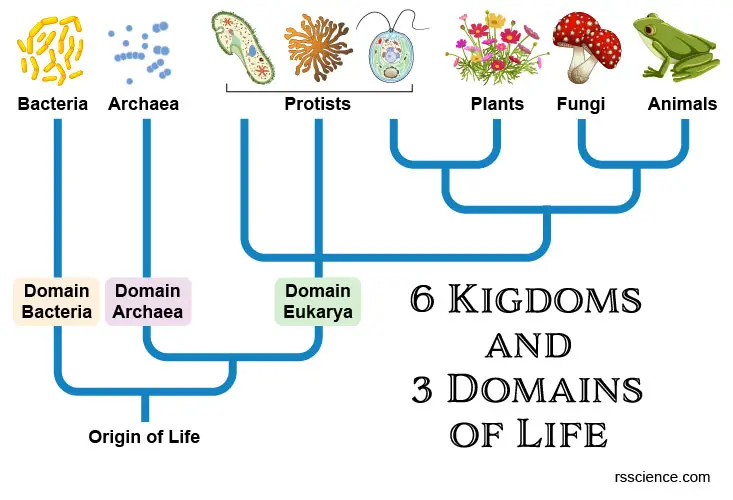
  • Prokaryotes have been around for much longer than eukaryotes. Within prokaryotes archaea and bacteria are evolutionary very different classes of microorganisms 

  • It is thought eukaryotes have arose through the internalisation of bacteria by archaea – so are a combination of the different groups.  

<ul><li><p class="Paragraph SCXW176620934 BCX0" style="text-align: left;"><span style="line-height: 16.2167px;">Prokaryotes have been around for much longer than eukaryotes. Within prokaryotes archaea and bacteria are evolutionary very different classes of microorganisms&nbsp;</span></p></li></ul><ul><li><p class="Paragraph SCXW176620934 BCX0" style="text-align: left;"><span style="line-height: 16.2167px;">It is thought eukaryotes have arose through the internalisation of bacteria by archaea – so are a combination of the different groups.&nbsp;&nbsp;</span></p></li></ul><p></p>
3
New cards

What is molecular phylogenetics?

  • Molecular phylogenetics is the study of evolutionary relationships among organisms by analysing hereditary molecular differences, mostly in DNA, RNA, and protein sequences.

  • —> How are organisms grouped: depends on how similar they are on a molecular level!  E.g. Ribosomal RNA genes are particularly useful to compare/contrast because they are present in all cells (prokaryotic and eukaryotic) --> Regions of variable sequence can distinguish between species.  


<ul><li><p class="Paragraph SCXW200817693 BCX0" style="text-align: left;"><span style="line-height: 16.2167px; color: windowtext;"><strong>Molecular phylogenetic</strong>s is the study of evolutionary relationships among organisms by analysing hereditary molecular differences, mostly in DNA, RNA, and protein sequences. </span></p></li><li><p class="Paragraph SCXW200817693 BCX0" style="text-align: left;"><span style="line-height: 16.2167px; color: windowtext;">—&gt; </span><span style="line-height: 16.2167px;">How are organisms grouped: depends on how similar they are on a molecular level! </span><span style="line-height: 16.2167px; color: windowtext;">&nbsp;</span><span style="line-height: 16.2167px;">E.g<strong>. Ribosomal RNA genes </strong>are particularly useful to compare/contrast because they are present in all cells (prokaryotic and eukaryotic) --&gt; Regions of variable sequence can distinguish between species.&nbsp;&nbsp;</span></p></li></ul><p></p>
4
New cards

What is a phylogentic tree?

A branching diagram that shows the evolutionary relationships and history among various biological species or entities based on shared characteristics.

<p><span style="background-color: rgba(0, 0, 0, 0); line-height: 16.2167px;">A branching diagram that shows the evolutionary relationships and history among various biological species or entities based on shared characteristics.</span></p>
5
New cards

What are archaea? Where do you find them?


What diseases do archaea cause?


What is there cell structure and DNA structure like?

  • Single-celled prokaryotic microorganisms that form an independent primary domain of life, separate from bacteria and eukaryotes 

  • They are extremophiles – live in extreme environments  


  • They are NOT pathogenic!


  • Unique cell membranes – lipid bonds instead of ester bonds in bacteria.  

  • DNA replication/transcription/translation is similar to eukaryotes. However, like prokaryotes lack membrane bound nucleus.  


<ul><li><p class="Paragraph SCXW233202187 BCX0" style="text-align: left;"><span style="line-height: 16.2167px; color: windowtext;">Single-celled <strong>prokaryotic </strong>microorganisms that form an independent primary domain of life, separate from bacteria and eukaryotes&nbsp;</span></p></li></ul><ul><li><p class="Paragraph SCXW233202187 BCX0" style="text-align: left;"><span style="line-height: 16.2167px; color: windowtext;">They are extremophiles – live in extreme environments&nbsp;&nbsp;</span></p></li></ul><p class="Paragraph SCXW233202187 BCX0" style="text-align: left;"></p><ul><li><p class="Paragraph SCXW233202187 BCX0" style="text-align: left;"><span style="line-height: 16.2167px; color: windowtext;">They are NOT pathogenic!</span></p></li></ul><p class="Paragraph SCXW233202187 BCX0" style="text-align: left;"></p><ul><li><p class="Paragraph SCXW233202187 BCX0" style="text-align: left;"><span style="line-height: 16.2167px; color: windowtext;">Unique cell membranes – lipid bonds instead of ester bonds in bacteria.&nbsp;&nbsp;</span></p></li><li><p class="Paragraph SCXW233202187 BCX0" style="text-align: left;"><span style="line-height: 16.2167px; color: windowtext;">DNA replication/transcription/translation is similar to eukaryotes. However, like prokaryotes lack membrane bound nucleus.&nbsp;&nbsp;</span></p></li></ul><p></p>
6
New cards
<p>Compare/contrast the structure of prokaryotes (dividing archaea and bacteria) with eukaroytes. </p><p>For the cytoplasm section - comment on the RNA and the organelles found. </p>

Compare/contrast the structure of prokaryotes (dividing archaea and bacteria) with eukaroytes.

For the cytoplasm section - comment on the RNA and the organelles found.

knowt flashcard image
7
New cards

What is the cell membrane structure for archaea, bacteria and eukaryotic cells?



