PSYC 100 - Human Evolution
 Call Kai
 Learn
 Practice Test
 Spaced Repetition
 Match
 Flashcards
 Knowt Play
1/33

There's no tags or description
Looks like no tags are added yet.
34 Terms
Nature
genetics, what you're born with
Nurture
environment, how you're raised
Interactionism
some things are innate, but can be changed or moderated by experience, which can also change which innate behaviors are expressed.
currently supported by evidence
Nativism
knowledge of the world is mostly innate and determines certain abilities
Plato for example was strong nativist and thought even ideas were innate
associated with idea that nature determines behavior
Empiricism
at birth the mind is a tabula rasa (empty slate) and nothing in terms of behavior or knowledge is inherited
John Locke was strong empiricist
associated with idea that nurture determines behavior
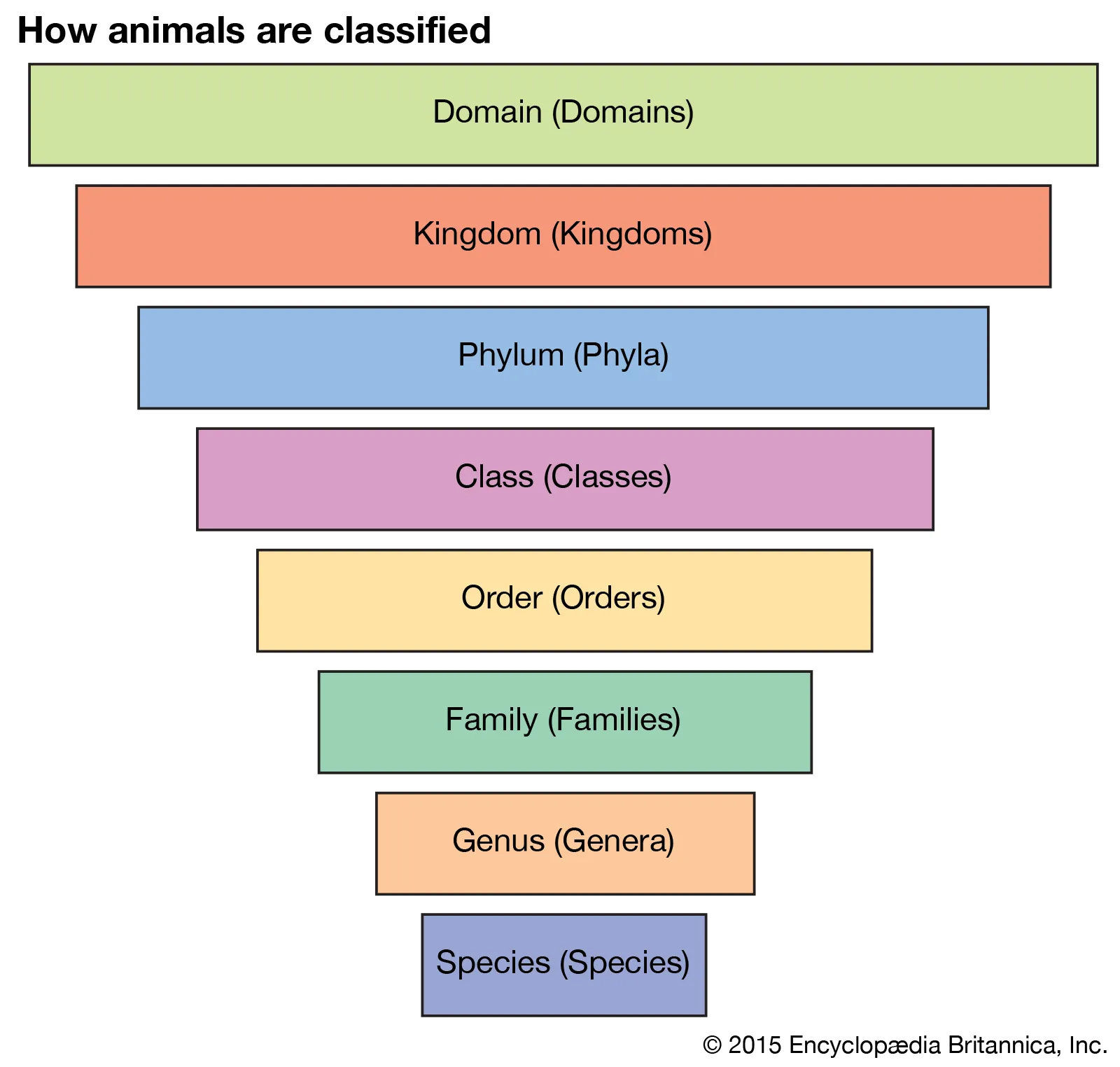
Species
basic unit of biological classification and most detailed rank in taxonomy living things.
they share common characteristics and can successfully interbreed
Genus
taxonomic rank
below family and above species
Homo erectus
stand upright
discovered fire
homo form before neanderthalensis
first species to leave africa
homo neanderthalensis
homo form before homo sapiens sapiens
used specialized tools
first burials
closest extinct human relative
humans were able to breed with them
homo sapiens
humans
means wisest
made tools and communicated with each other
out of Africa hypothesis
modern humans originated in Africa (Rift Valley near the equator)
dispersal happened in waves: archaic hominins leave repeatedly and run into different populations from earlier migrations
there was a replacement of archaic humans with modern ones as they left Africa
all came from Africa then split into different regions and interbreeding still happened
multiregional hypothesis
homo sapiens formed over time through interbreeding while migrating
still came from Africa, spread and changed into homo sapiens at the same time through interbreeding
cognitive revolution
~300k years ago
symbolic thinking, art, long-distance exchange, complex tools
social identity and need for expression
theory of mind and highly cooperative
brain size increase (which had other effects): spending more time looking for food, premature birth (babies are so malleable when they’re born but they can't stay too much longer bc of their big brains, cooking, friendliness)
agricultural revolution
~12k years ago
domestication of animals (no longer hunt till exhaustion)
diet changes, less variety bc we could only grow so much
more sedentary lifestyle
idea of ownership as glue of communities over kinship
scientific revolution
~500 years ago
development of the scientific method
boom in scientific thinking and advancement
aim to understand and control nature
anthropocene
~12k years ago or 1960s
human ability to modify the entire biosphere, ecosystem, and climate
human dominated era
gene
basic unit of heredity passed from parent to child—DNA
genotype
complete collection of an organisms genes
phenotype
overt characteristics of an organism; the product of its genotype
epigenetics
how environmental factors influence gene expression without modifying DNA
chromosome
DNA structures that are stored in nucleus and contain your genetic instructions
nucleus
organelle that stores genetic information in eukaryotes and is essential to cell functions
DNA
genetic instructions in cells
allele
one of two or more versions of a genetic sequence at a particular region on a chromosome
innate behaviors of humans
grasping reflex (babies have strong grip from primate days when would cling to mom's fur)
moro reflex (baby tries to hug something when they fall over or think they're falling
rooting reflex (baby using mouth to move towards something, helps them with breastfeeding)
crying
laughter (even for deaf child)
baby scheme/kinchenschema
how cute baby is
we like round faces, high protruding foreheads, large eyes, and small nose/mouth
we're programmed to see this as cute so we protect babies
piloerection
goosebumps
in animals they raise their hair to seem bigger when threatened
for us strong emotional reaction can cause this or just temperature
innate social behaviors
wanting to create cover (like forts)
social behaviors like grooming
trait
characteristics determined by genes
twin IQ studies
monozygotic twins raised together have most similar IQ
monozygotic twins raised apart second most similar
traits that help you perform on an IQ test can be genetic
nature more important than nuture
heritability
how important genetics is to a trait
dizygotic twins
twins that do not have identical DNA (fraternal)
monozygotic twins
twins with the same DNA (identical)
natural selection
organisms best adapted to their environments have an easier time surviving and reproducing to pass the trait on to the next generation