Japan: Notable Architects and their Architecture
 Call Kai
 Learn
Learn Practice Test
 Spaced Repetition
 Match
Match Flashcards
 Knowt Play
1/16

There's no tags or description
Looks like no tags are added yet.
Name | Mastery | Learn | Test | Matching | Spaced | Call with Kai | Chat |
|---|
No analytics yet
Send a link to your students to track their progress
17 Terms
574 - 622 - Prince Shotoku: Horyuji Monastery (All Facts)
Established during the reign of Empress Suiko
Located in Nara, it was the seat of Buddhist power in Japan, especially by and during the Nara period
Known for its five-tiered pagoda and octagonal “Pavilion of Dreams”
688 - 763 - Jianzhen / Gaijin: Toshodaiji Temple (All Facts)
Located in Nara, it was a Buddhist Temple
It has a center of studies and ordination platform for the namesake architect
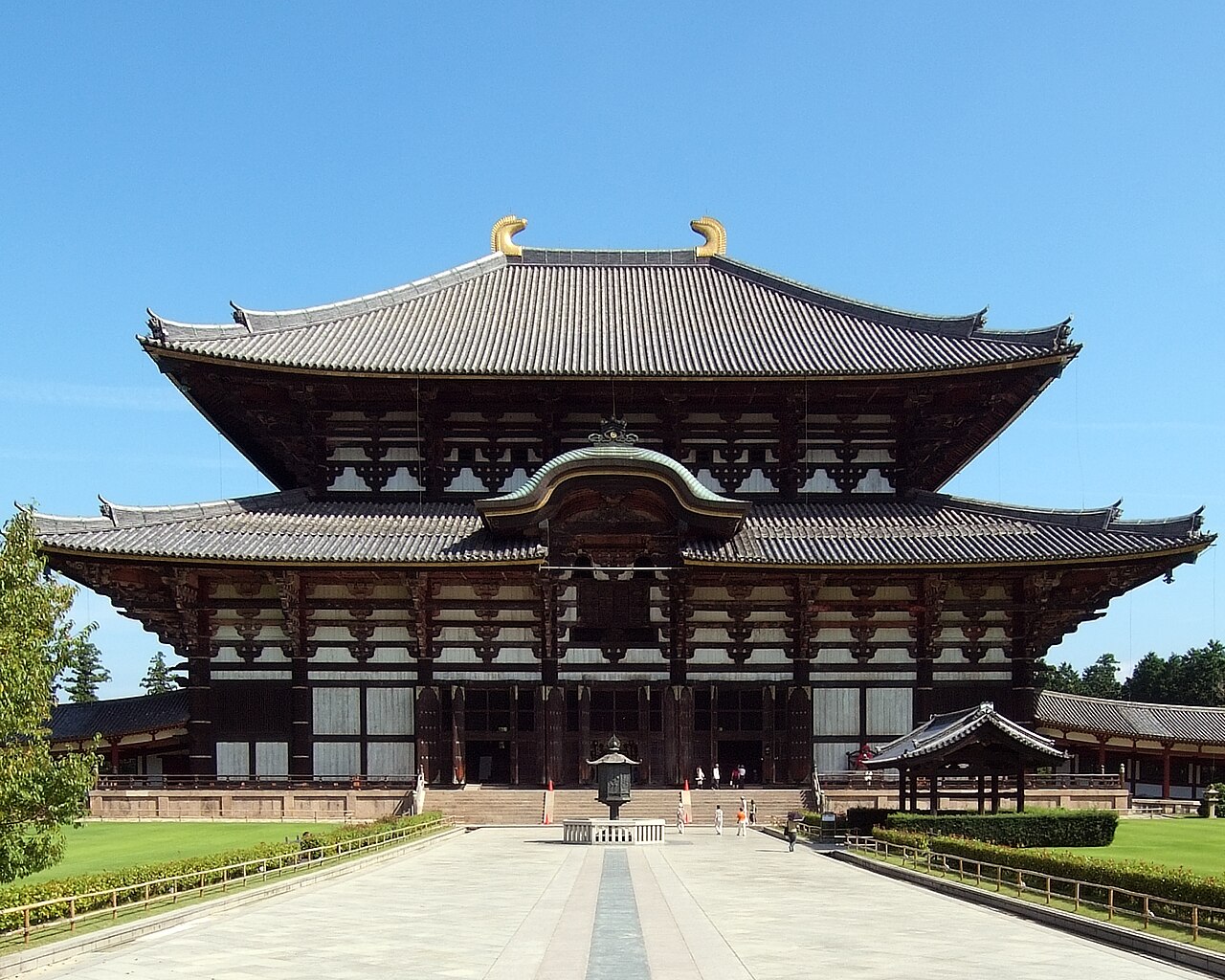
700s - Todai-ji Temple (All Facts)
Built during the reign of Shomu
Located in Nara, Japan
It features the well-known “Daibutsu Buddha” (Daibutsuden)
It was burnt down in fighting in 1567
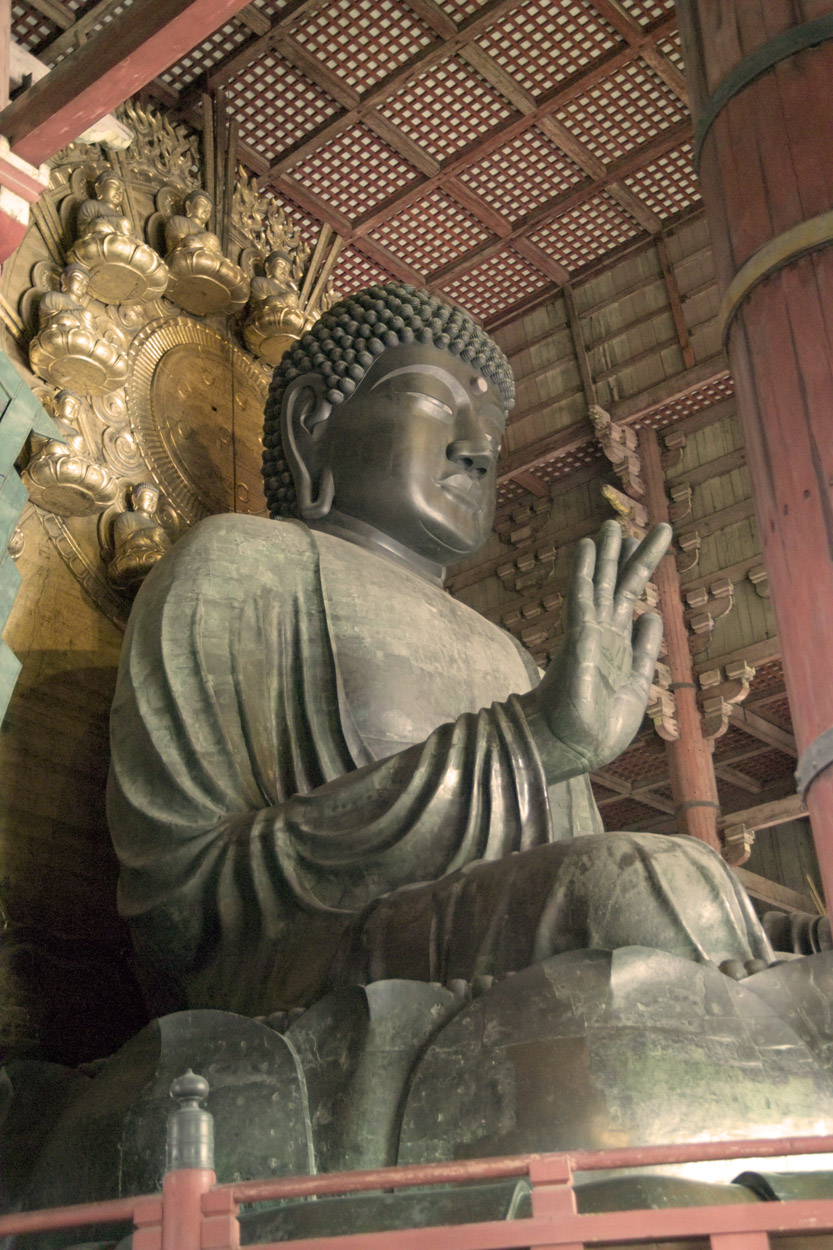
700s - Daibutsu Buddha (All Facts)
Built during the reign of Shomu
Located in Nara, Japan
It is included in the well-known “Todai-ji Temple”
788 / 1642 - Saicho: Enryakuji Temple (All Facts)
Was home to a large number of soldier-monks

Shosoin (All Facts)
House of the treasure of Emperor Shomu built near the Toshodaiji Temple in Nara
In it were many objects which travelled the Silk Road from the Near East including
Silk Kimonos
Lacquered vessels
Musical instruments
Swords
Furniture
Items used in dramatic performances
1052 - Byodo-in Temple (All Facts)
Built during the rule of Fujiwara no Yorimichi
It features the “Amitabha Buddha” by Jocho in its “Phoenix Hall” (depicted)
Its delicacy of ornament is typical of the Fujiwara culture
1164 - Sanjūsangen-dō Temple (All Facts)
Located in Kyoto
Contains 1,001 gilded wooded status of the Japanese deity Kannon

Ashikaga Shogunate Period (All Facts)
Historical Period of Japan during which painters followed previous traditions such as continuous narrative scrolls
However, renewal of contact with China and Korea during this period introduced new techniques into its painting
1450 - Ryōan-ji Temple (All Facts)
Zen Buddhist Temple in Kyoto with a garden of contemplation, which was laid out on its grounds
Its garden was a haven of tranquility
Its garden is oblong and contains 15 rocks of varying sizes arranged in an abstract composition on a bed of carefully raked white sand

1483 - Ginkaku Temple (All Facts)

1579 - 1582 - Azuchi Castle (All Facts)
Stone castle built and demolished shortly after the reign of Oda Nobunaga
Castle which overlooked Lake Biwa
Castle which was erected as a barrier to invaders from the eastern provinces
Castle which was not only a fortress but was also a place of elegance, which, as regards architecture, strength, wealth and grandeur was the equal of anything in Europe
Castle which was surrounded by immensely strong walls
Castle which made entirely of wood and was richly painted in various colors
Castle which was surrounded by exquisite houses decorated with gold
Castle which lay beneath it a prosperous town which was built to serve the castle’s defenders

1580s - Honnō-ji Temple (All Facts)
Site of Oda Nobunaga’s assassination

1586 - Hokoji Temple (All Facts)
Temple constructed to house the rebuilt Great Image of the Buddha after it was previously destroyed
Temple built in Kyoto during the reign of Toyotomi Hideyoshi

1333 / 1618 - Himeji Castle (All Facts)

1620 - Katsura Imperial Villa (All Facts)
Built in Kyoto, on the banks of the namesake river, which supplies the water for the ponds and streams in its gardens
