math + physics
 Call Kai
 Learn
 Practice Test
 Spaced Repetition
 Match
 Flashcards
 Knowt Play
1/23

There's no tags or description
Looks like no tags are added yet.
24 Terms
vectors
have magnitude and direction

scalars
amounts without direction

vector addition/subtraction

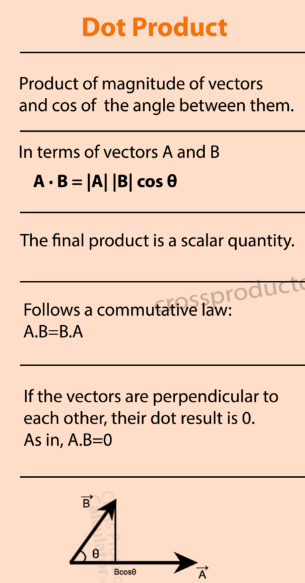
dot product vector multiplication
A.B = |A|x|B|x cos(angle) usually used to find angle between vectors
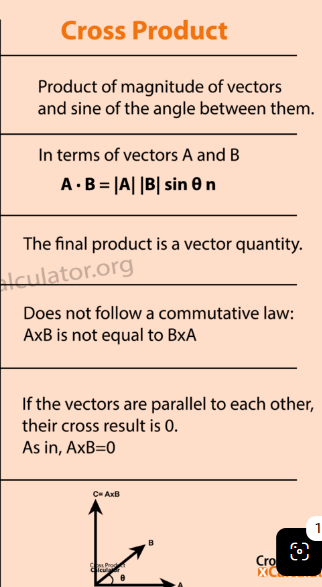
cross product vector multiplication
A x B = |A| |B| sin (angle)
used if looking for area, torque, perpendicularity, or an up vector
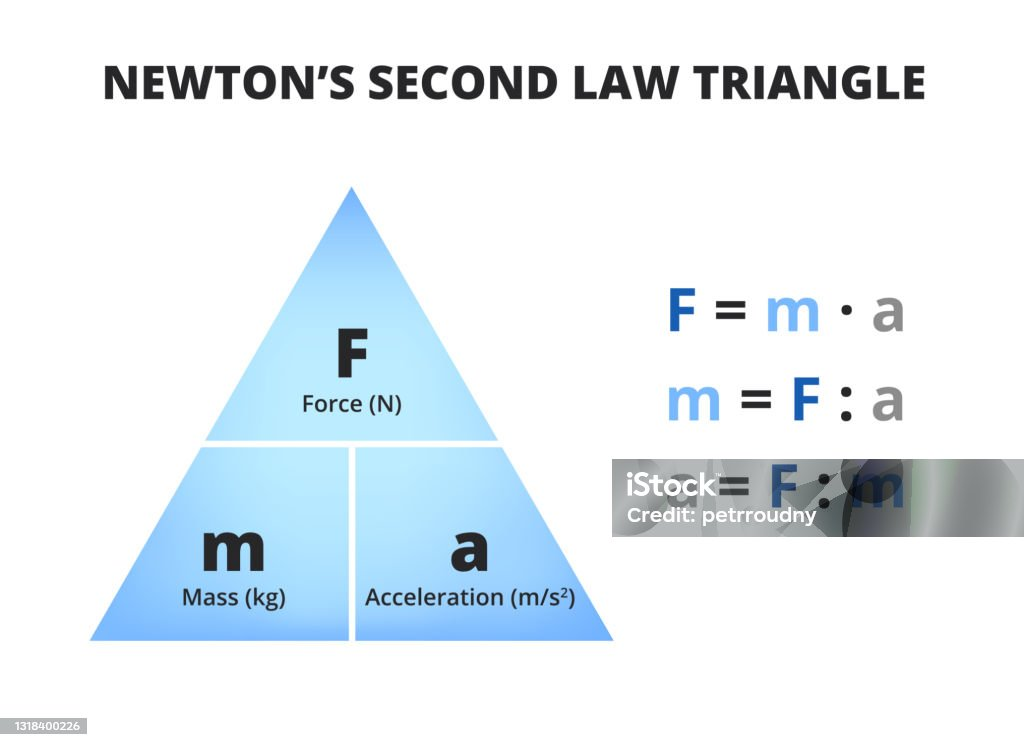
Force
a push or pull that causes acceleration
gravity
attraction between two objects due to their mass

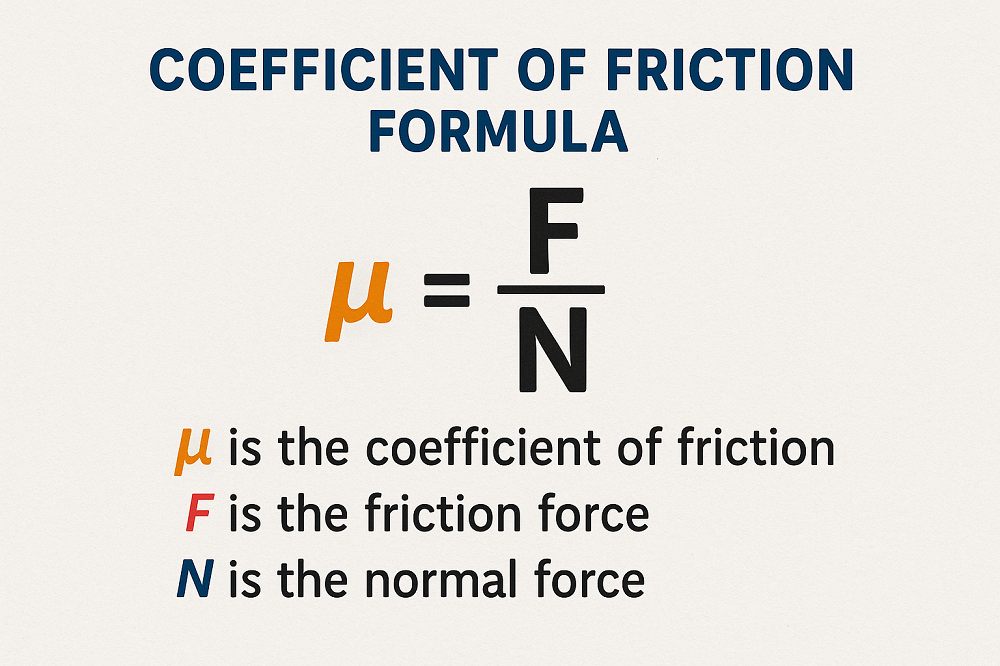
friction
force that opposes motion
mass
amount of material something is made of
weight
force on an object’s mass due to the earth’s gravity
acceleration
change in velocity over time (vector)

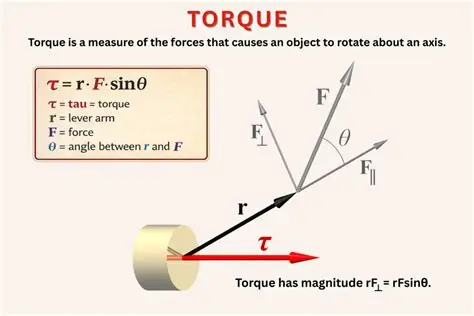
torque
force that causes rotation POS= counterclockwise NEG= clockwise
Newtons laws
1: object at rest will stay unless acted on
2: acceleration is net force > 0
3: equal and opposite reactions
free body diagram
shows forces acting on an object

translational equilibrium
the forces should equal 0

rotational equilibrium
all forces and torques are 0

displacement
vector representation in changing position
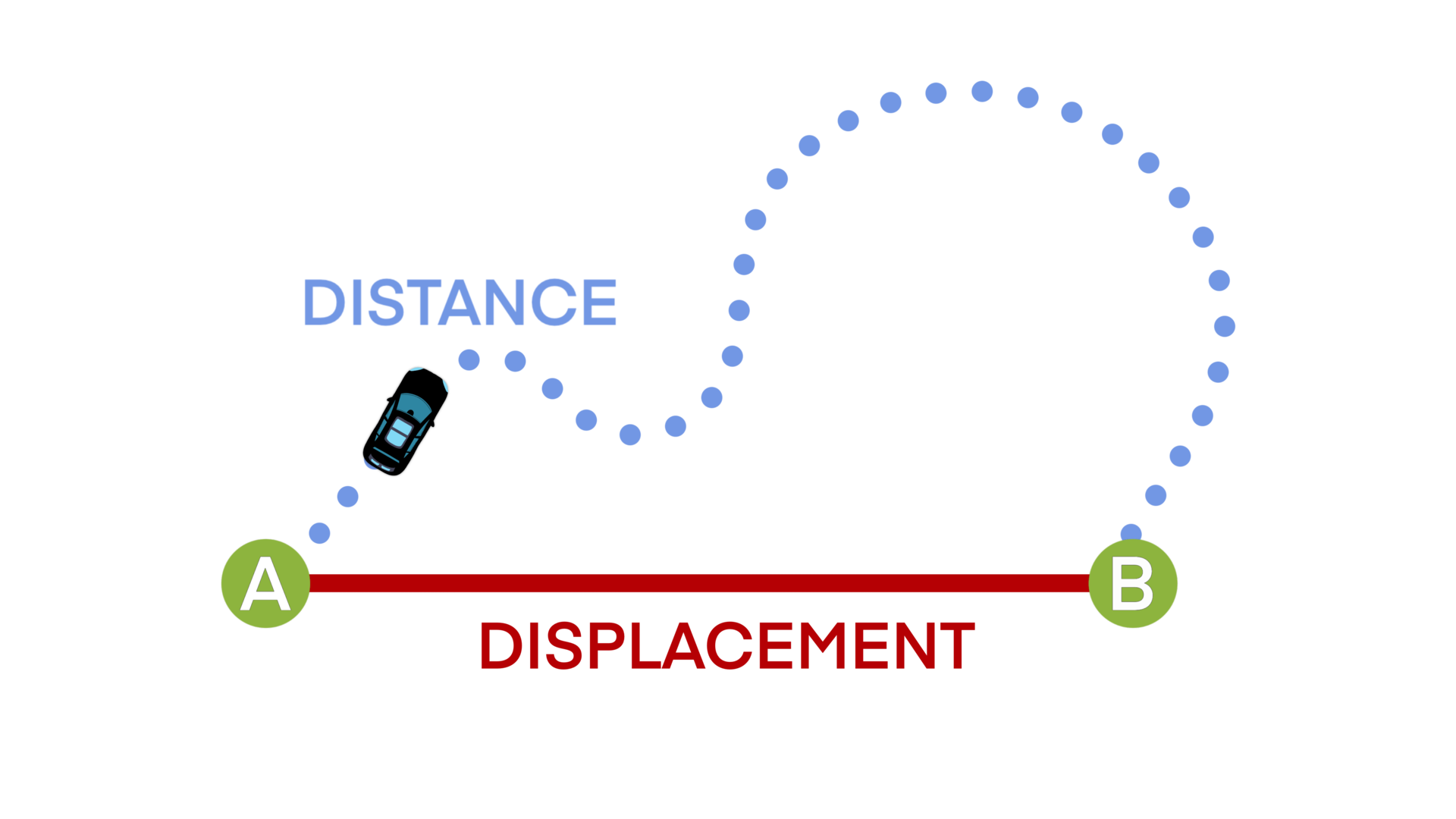
distance
scalar amount that tells the path traveled
velocity
change in displacement over time

speed
all distance traveled over time

linear motion equations (4)

projectile motion

inclined planes

circular motion
