Alcohol UNIT 9 reagants and products
 Call Kai
 Learn
Learn Practice Test
 Spaced Repetition
 Match
Match Flashcards
 Knowt Play
1/11

There's no tags or description
Looks like no tags are added yet.
Name | Mastery | Learn | Test | Matching | Spaced | Call with Kai | Chat |
|---|
No analytics yet
Send a link to your students to track their progress
12 Terms
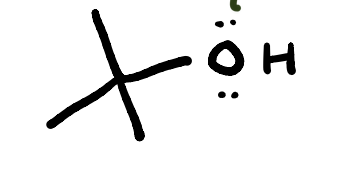
2o/3o alcohol + HX (1. What mechanism 2. what product)
SN1 (because forms a stable carbocation)
quite literally youre substituting the alcohol for a Br, first got to make OH weak through the acid
which means it would have both configurations (wedge and dash)
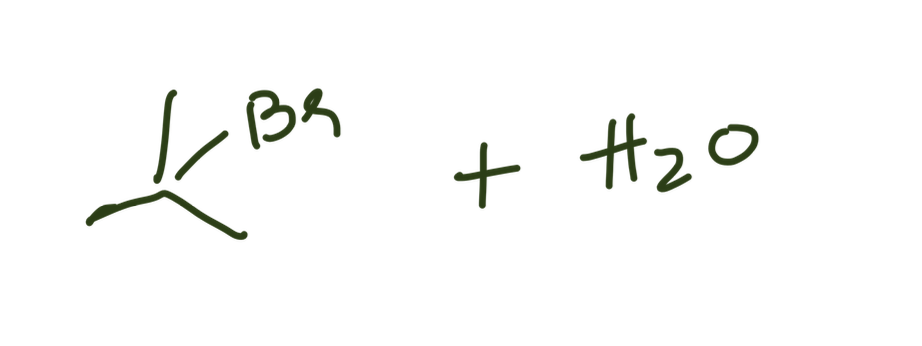
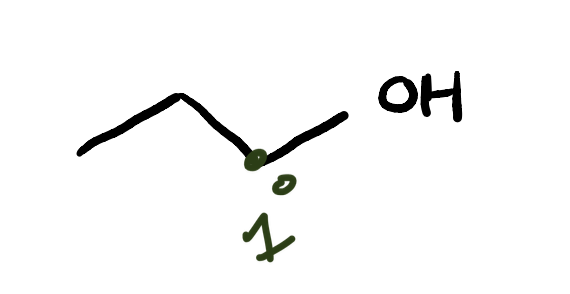
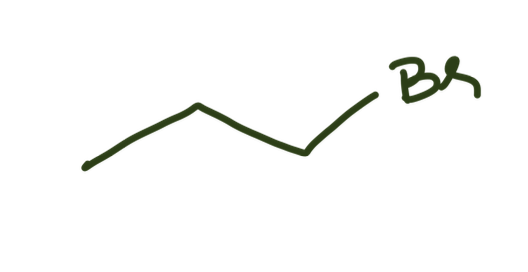
1o alcohol + HX (1. What mechanism 2. what product)
SN2 (primary no stable carbocation)
Adopts the OPPOSITE configuration as the alcohol (with on the plane being an exception)
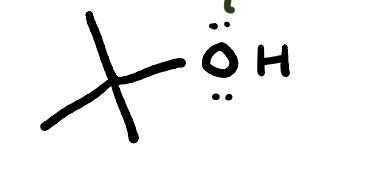
2o/3o alcohol + H2SO4 / TsOH (1. What mechanism 2. what product)
E1 (again carbocation stability; this also means there could be hydride and methyl shifts)
forms an ALKENE no substitution business
most substituted alkene
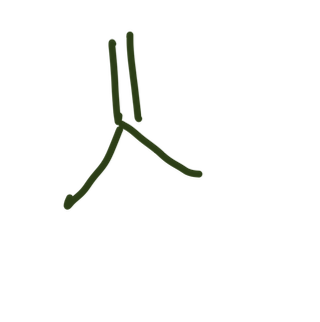
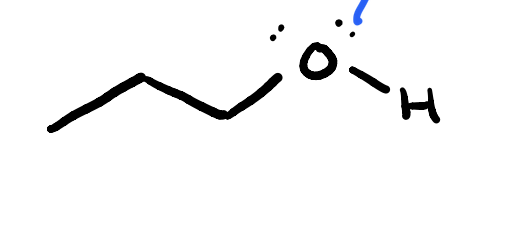
1o alcohol + H2SO4 / TsOH (1. What mechanism 2. what product)
E2 (make sure the hydrogen and forged leaving group are anti but remember with free rotation a hydrogen can become anti with the leaving group)
ALKENE
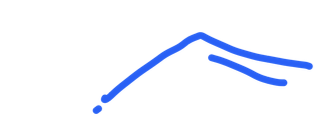
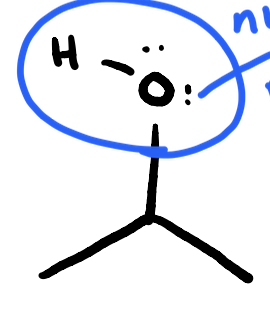
ANY alcohol + POCl3 and pyridine (1. what mechanism 2. what product)
E2
pyridine is NOT polar protic and basic as fuck meaning no substitutions and carbocations (E1)
ANOTHER F*KING ALKENE
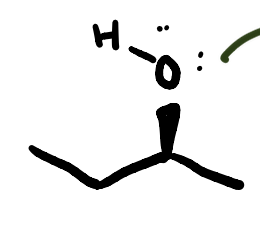
alcohol + SOCl2 and pyridine (1. what type of alcohol 2. mechanism 3. what product)
1o/2o because its a
SN2 mechanism; can’t happen on a tertiary
Cl- (from the SOCl2) acts as a good nucleophile + OSOCl acts as a good leaving group
the pyridine is acting as a base yes, but its for the hydogen thats’s on the oxygen after the SOCl2 attaches to the alcohol and loses the chlorine
Cl substituted for OH on the OPPOSITE configuration as the alcohol
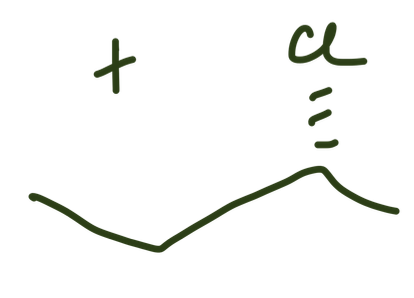
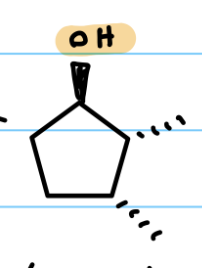
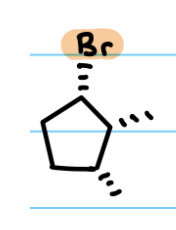
alcohol + PBr3 (1. what type of alcohol 2. mechanism 3. what product)
ALSO 1o/2o because its ALSO a
SN2 mechanism; can’t happen on a tertiary
Br- just kicks out the OHPBr2 (nothing to remove the hydrogen)
because its SN2 the Br has the OPPOSITE configuration as OH
HOW DOES TsCl look like?
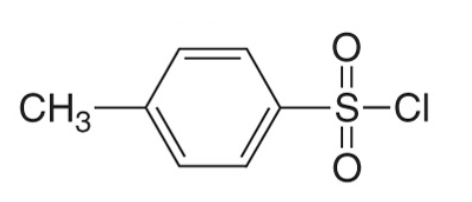
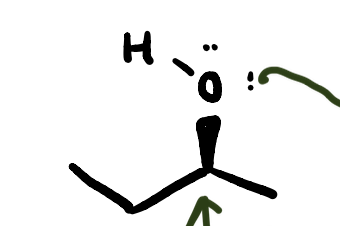
alcohol + TsCl
WE’RE NOT DOING ANY SN1/SN2/E1/E2 here
first the TsCl attaches to the OH through the Pi bond
then it kicks out the Cl, regains the pi bond
loses the H on the H—O—Ts complex
hence you’re left with OTs
RETENSION OF CONFIGURATION
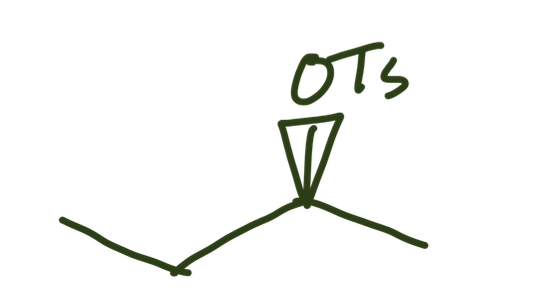
You have an alcohol on a wedge and that turns into CN with a dash. What regeant are you using for this switch in configuration?
TsCl Because it retains the same configuration as the OH and chages configuration when the NaCN attacks
You have a secondary alcohol on a wedge and that turn into a CN with a wedge also. What reagant are you using?
either SOCl3 or PBr, because either forms a Cl/ Br on a dash, then gets changed to a wedge when the NaCN attacks