Psychology 460
 Call Kai
 Learn
 Practice Test
 Spaced Repetition
 Match
 Flashcards
 Knowt Play
1/302

There's no tags or description
Looks like no tags are added yet.
303 Terms
What are the reasons to learn about child development
Raising children
Choosing social policies
Understanding human nature
Be informed consumers
Raising children
involves understanding child developmental stages to provide appropriate care and support for growth.
Spanking is not effective as a disciplinary tactitive since it can lead to negative outcomes like increased aggression and behavioral problems in children.
Choosing social policies
Be able to make informed decisions about the many social policy questions that affect and involve children in general
Should we trust the eye witness testimony of children in child abuse questions
Do violent video games affect aggression in children
Understanding Human Nature
knowing the shared psychological, biological, and social traits that define what it is to be a human being.
Why we are the way we are
Be informed consumers
about psychological research and its applications to everyday life, enabling better decision-making.
The scientific method
A way to test our beliefs through the process of choosing a question, formulating a hypothesis, testing a hypothesis, and finally drawing a conclusion.
Scientific inquiry
A systematic approach to exploring questions and acquiring knowledge by testing hypotheses and drawing conclusions based on evidence.
Gathering questions, gathering evidence, and seeking answers
What are the 4 main categories of research methods
Observations
Questionaaires
Interviews
Experiments
Observations
Naturalistic: Environments where we would usually find children
Play ground, schools, homes
Makes it difficult to know if outcomes would be achieved in lab settings since there are many factors occuring
Structured: Lab or researcher designed environment
Allows researchers to be more confident
Hard to know if the action/reaction of the children would occur in their normal environment due to the artificial settings
Questionnaries and Interviews
Questionaaries: Written questions about specific tops
Usually asked to parents and kids
Gather information from large group of people
Interviews: Conducted in real time, rather than via writing
Open ended continue to ask about the questions
Highly structured questions
Retrospective: past
Prospective: Current or future
Experiments
Experimental group: Special treatment or revelant attention
Control group: Some attention, but not revelant attention
Cross-sectional design
Compares children of different ages on given behavior or characterstics at the same time
Ex: Bring different age groups of children to lab to test them on building a Lego set
Longitudinal Design
Follows children as they age over a substantial period of time (1 year+), at long intervals (few check-ins)
Ex: Bring 3, 4, 5 years old every year to test them building a Lego set
Microgenetic designs
Follows children as they age over a substantial period of time (1 year+), at rapid intervals (many check-ins)
Much greater number of check-ins = more in depth view of process that produces change
Ethics
Children are a special population in research, so high standards apply
Can’t provide consent and waive the benefits so they rely on parent to make that choice for them
Society for Research in Child Development ethical cold for investigators
Aristotle and Plato
Early thinkers in child development
Had curiosity in child development. Because they wanted to learn more about children to benefit society ensuring children were brought up in such a way that it would sustain the long term welfare of society
Brought nature and nurture into play
Plato
Nature
Believed that children were born with knowledge (innate)
Aristotle
Nurture
Children didn’t come in the world with knowledge they had to learn about it through experiences and interactions
John Locke
Nurture
Proposed that the mind is a blank slate (tabula rasa) at birth, and knowledge is gained through experience and sensory input.
What are the seven themes we will see in the course
Nature and nurture
The active child
Continuity and Discontinuity
Mechanisms of change (how change occurs)
Sociocultural context
Individual Differences
Promoting well-being through research
Nature and nurture
The relationship between genetic inheritance (nature) and environmental factors (nurture) in shaping human development and behavior.
The active child
Understanding children and how THEY shape their own development
How they choose to interact in their own environment = shape own development
Continuity and Discontinuity
The debate regarding whether development is a gradual and continuous process or a series of distinct stages. Continuous development suggests that skills and traits develop gradually, while discontinuous development proposes that children progress through clearly defined stages.
Mechanisms of change (how change occurs)
Processes that underlie development, including both biological and environmental influences that drive growth and transformation in behavior or skills.
HOW and WHY that change happens.
Sociocultural context
The influence of cultural and social factors on a child's development, highlighting how interactions with their culture and community shape their learning and behavior.
Individual Differences
Variations among individuals in their thoughts, feelings, and behaviors, which can be influenced by genetic, environmental, and cultural factors.
4 major factors: Due to how parents/others treat each sibling, genetic differences, differences in reactions to similar experiences, and different choices of environments
Promoting well-being through research
The application of psychological principles and findings to enhance children and community health, resilience, and overall quality of life.
Researchers ultimate goal
Meta-analysis
A method that combines results from many studies to find an overall conclusion
Leading question
A question that suggests or pushes a person toward a certain answer.
Why are leading questions a problem for children?
They can cause children to remember events inaccurately.
NICHD Investigative Interview Protocol
A research-based method for interviewing children accurately.
Nativist
Believes some knowledge and abilities are present at birth.
Empiricist
Believes knowledge comes mainly from experience and learning
Romanian Adoption Study
Studied children adopted from deprived Romanian orphanages to understand effects of early experiences.
Main finding of the Romanian Adoption Study
Experiences can have different effects depending on when they occur in a child's life. Earlier intervention usually leads to better outcomes.
Key principle from the Romanian Adoption Study
The timing of experiences influences their effects.
Prefrontal cortex
Part of the brain responsible for planning, reasoning, and problem-solving.

Amygdala
Part of the brain involved in emotions and emotional reactions.

Jean-Jacques Rousseau
Believed children learn best through freedom and exploration rather than strict instruction.
Age of Reason (Rousseau)
Around age 12, when children can begin judging ideas for themselves.
Evolutionary Theory
The theory that traits develop through variation, natural selection, and inheritance.
Why was Darwin important to child development?
His theory of evolution helped researchers study how development relates to human nature.
humans developed certain traits because they helped our ancestors survive.
Innate Moral Sens
The idea that some moral abilities are present at birth.
What did Kagan argue?
Children have an innate moral sense that even close primate relatives do not have.
Epigenetics
The study of how experiences and environments can affect gene activity without changing DNA.
Schizophrenia
A serious mental disorder influenced by both genetics and environment.
Crib Speech
When toddlers talk to themselves to practice language.
Fantasy Play
Pretend play that helps children learn about themselves and others.
Stage Theories
The idea that development occurs through distinct stages.
Jean Piaget
Proposed that children move through stages of cognitive development.
Conservation Task
Piaget's test that examines whether children understand that quantity stays the same despite changes in appearance.
Effortful Attention
The ability to control thoughts, emotions, and behavior.
Cross-Cultural Comparison
Comparing children from different cultures to understand development.
Socioeconomic Status (SES)
A measure of social class based on income and education.
Cumulative Risk
The buildup of multiple disadvantages that increase developmental challenges.
Resilience
The ability to overcome difficulties and adapt successfully
Hypothesis
A testable prediction about what will happen.
Reliability
The consistency of a measurement
Interrater Reliability
Different observers give similar ratings of the same behavior.
Test-Retest Reliability
A test gives similar results when taken again.
Validity
Whether a test measures what it is supposed to measure.
Internal Validity
Whether the results were caused by the factor being studied.
External Validity
Whether findings can be applied to other people and situations.
Replicability
The ability to get the same results when a study is repeated.
Replication Crisis
The discovery that many research findings cannot be repeated successfully.
File-Drawer Problem
Studies with non-significant results are often not published.
Correlation
A relationship between two variables.
Positive Correlation
As one variable increases, the other also increases
Negative Correlation
As one variable increases, the other decreases.
Correlation Does Not Equal Causation
Just because two things are related does not mean one caused the other.
Clinical Interview
a purposeful conversation between a mental health professional and a client used to gather information, understand a problem, make a diagnosis, and plan treatment
Direction-of-Causation Problem
happens when two variables are statistically related, but it is impossible to know whether the first variable causes the second, the second causes the first, or a mix of both
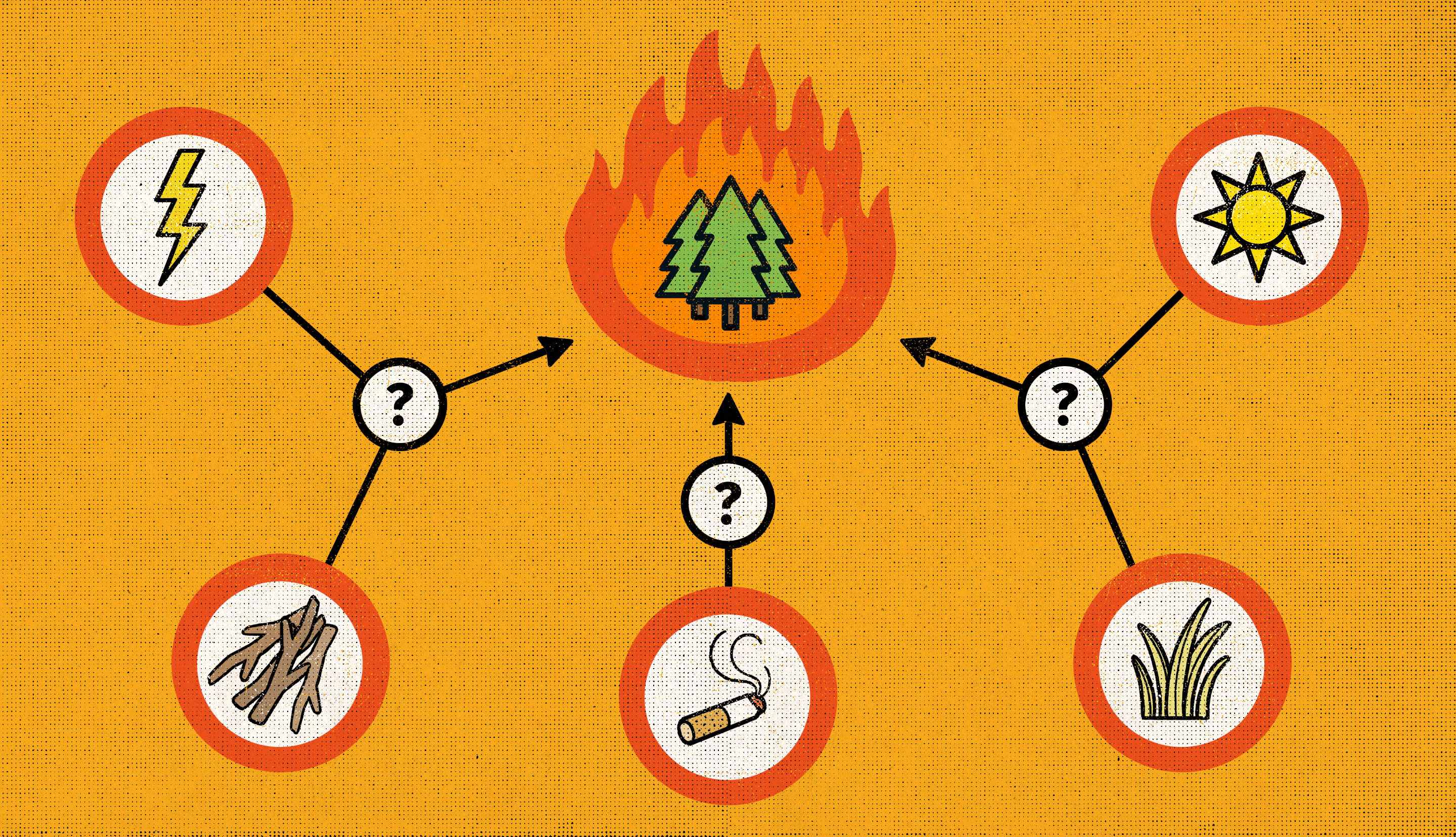
Third-Variable Problem
A different factor may be causing both variables.
Variable
A quantitative or qualitative characteristic that can change or vary, often measured or categorized in research.
Random Assignment
Assigning participants to groups by chance.
Experimental Control
Keeping conditions the same except for the variable being tested.
Independent Variable
The factor the researcher changes.
Dependent Variable
The variable that is measured in an experiment to assess the effect of the independent variable; it is expected to change in response to manipulations (outcome)

What are the stages for prenatal development?
Germinal stage
Embryonic stage
Fetal stage
Stages
Separate periods of development
Germinal stage
Begins at conception and ends in attachment to the uterus wall, which occurs at 0-2 weeks. It involves rapid cell division and formation of the blastocyst. (tiny ball of cells)
The first stage of prenatal development characterized by cell division and implantation.
Embryonic stage
Begins at the attachment of the uterine wall and ends with the formation of bone cells, which occurs during 2-8 weeks of being pregnant.
Cell differentiation occurs and major organs are formed
Apotosis (cell death) occurs too, which helps us to form fingers and toes.
This stage is critical for organogenesis, where vital systems such as the heart, brain, and spinal cord begin to develop.
Fetal Stage
Begins at the formation of bone cells and ends at birth, which occurs 8 - approx. 40 weeks.
During this stage, rapid growth and maturation of organs and systems occur, alongside continued brain development.
Fetus grows from 3 inches to around 20 inches
What senses does the fetus experience
The fetus experience all 5 senses before they are born
Touch, hear, taste, smell, and sight.
Spontaneous abortion (aka miscarriage)
Spontaneous abortion, also known as miscarriage, is the unintentional loss of a pregnancy before the 20th week. It frequently occurs in the early stages and can be caused by a variety of factors, including genetic anomalies and exposure to teratogens.
1/3 end in miscarriage and 2/3 of this miscarriages women don’t know about it until they realize they’re pregnant.
25% of women experience a miscarriage (sometimes even 50%)
Even if a miscarriage didn’t occur the fetus can experience teratogens
Teratogens
External agents that can cause damage or death during prenatal development.
There are two types of them: illegal and legal
Substances and infections that can lead to physical or developmental abnormalities in a fetus.
Legal teratogens
Alcohol: Drinking during pregnancy can lead to fatal brain injury and later intellectual impairments
Cigarettes: Smoking during pregnancy deprives the fetus from oxygen
Sensitive periods of development
They differ per system
The central nervous system, heart, arms, eyes, legs, and ears are all subject to major structural abnormalities exposed to teratogens during those weeks (first 5 weeks)
These early weeks are the times the mother and dad doesn’t even know shes pregnant…so how would she know to not smoke or drink during this time?
Therefore all pregnancies should be planned
Environmental and maternal factors
Mom = prenatal environment
Mom’s emotional state & quality of life = development can be impacted
If the mom doesn’t have food and her weight is low the development of the fetus can be incomplete resulting in underdeveloped organs at birth
When does birth typically occurre?
40 weeks gestation
Early term
37 weeks through 38 weeks and 6 days
Lungs, liver, and brain grow
Making a large impact in infants’s postnatal life
Childbirthing practices across cultures
Can vary significantly based on cultural beliefs, access to healthcare, and societal norms. These practices influence maternal and infant health outcomes.
From natural home births to medicalized hospitals births they’re wide ranging
Apgar test
A quick assessment of a newborn's health performed at 1 and 5 minutes after birth, evaluating appearance, pulse, grimace response, activity, and respiration.
Appearance: gray/blue (lack of oxygen) = 0, pink = 2
Pulse: No heart rate = 0, less than 100 beats per min = 1, and 100-140 beats per min = 2
Grimace (response to stimulation such as birth or suctioning of mouth and nose): No response = 0, moderate/low = 1, and a facial grimace like a cough = 2
Activity: Completely limp = 0, some movement but minimal = 1, lots of movement and flexing of limbs = 2
Respiration: No breathing = 0, slow breathing = 1, and good strong breathing or crying = 2
Usually administered twice at 2 minutes and then again at 5 mins after birth
Scores greater than 7 = no medical intervention needed
Scores 4 or less = medical intervention
Negative outcomes after birth to infants
Infant mortality
low birth weight
multiple births = 55% of twins and 95% of triplets are born with low birth weight
Kangaroo care
Helps infant keep their temperature through skin-to-skin contact with the caregiver due to their low weight.
crucial for early development of infants
Cumculative risk
Refers to the increased likelihood of negative outcomes due to multiple risk factors, such as low birth weight, environmental hazards, and lack of healthcare access.
The more risks that an infant endures prenatatlly the lower the chances are of a good outcome
Developmental resilience
Refers to the successful development in spite of multiple and seemingly overwhelming developmental hazards.
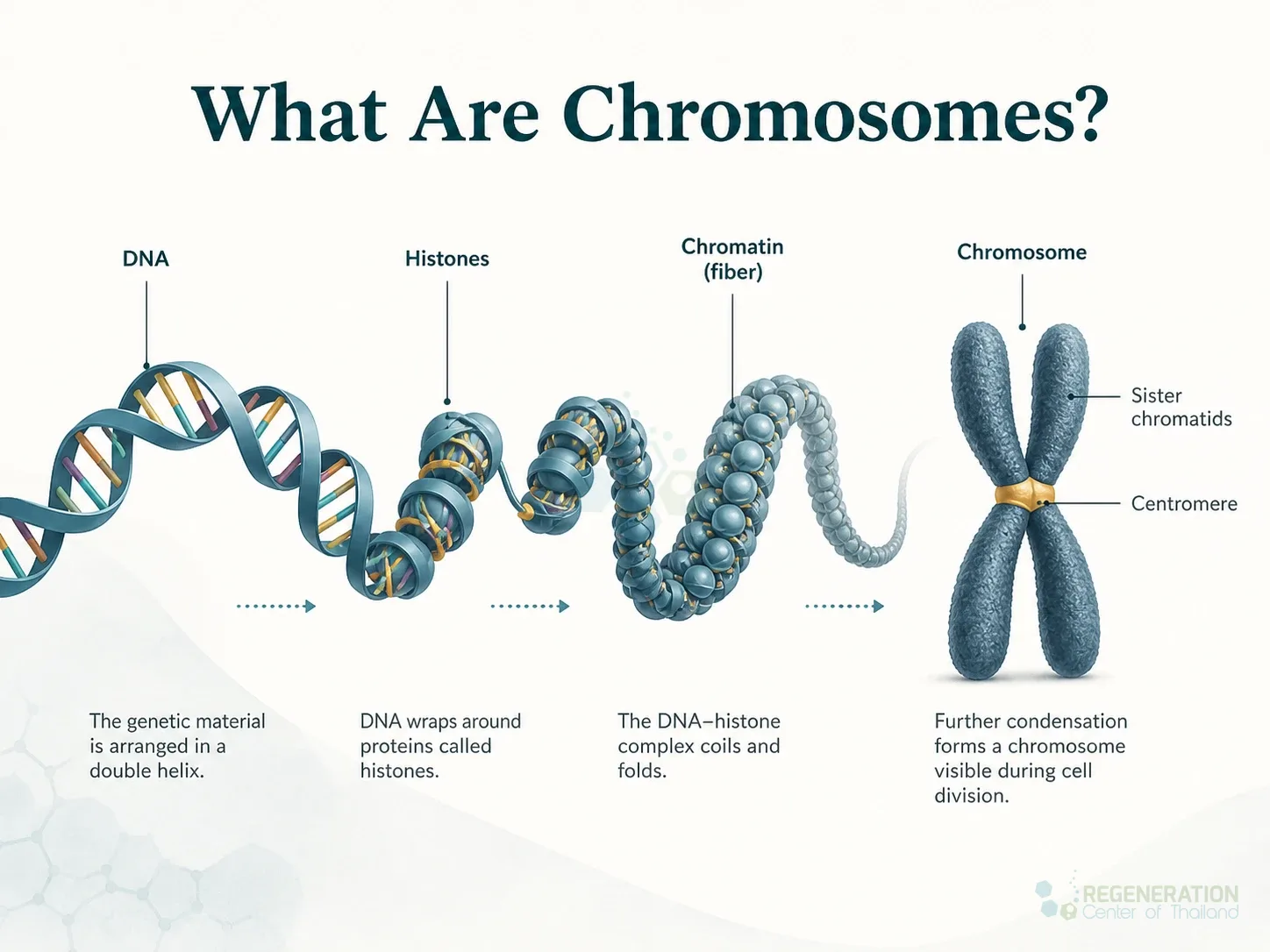
Chromosomes
Thread-like structures made of DNA that carry genetic information, organized in pairs within the nucleus of cells.
Genes
Segments of DNA that code for proteins and influence inherited traits.

Genome
An individual's complete set of DNA and genes that carry all the hereditary information for that organism.
