DP1 Unit 1 - Design for People ALL (A1.1, B1.1, C1.1, C1.2, C1.3)
 Call Kai
 Learn
 Practice Test
 Spaced Repetition
 Match
 Flashcards
1/106

There's no tags or description
Looks like no tags are added yet.
107 Terms
Adjustability
The ability of a product to change size, usually to increase the range of percentiles that the product can fit.

Anthropometrics
Measurement of human body sizes (height, weight, reach).

Clearance
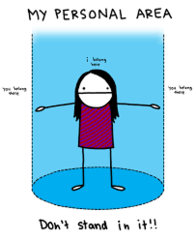
The physical space between two objects, or the space between a person and their objects or environment
Ergonomics
The interaction between people and products/systems to improve comfort, safety, and efficiency.

Percentile Range
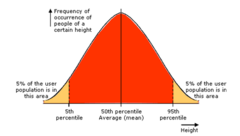
The number of people that fit into a statistical group of values to compare data within a population (5th, 50th, 95th).
Psychological Factors
Human data related to psychological interpretations (perception) of the senses caused by light, smell, sound, taste, temperature and texture.

Physiological factors
Biomechanical data related to physical characteristics that affect a user's safety, healthy, comfort and performance (for example temperature, grip strength, effects of fatigue, etc)

Percentile
A term that describes how data compares to all data in a set, if you divide it into 100 equal parts.

Range of sizes
A selection of sizes for a product that allows it to fit most users

Static data
Measurements of the human body when at rest in a standard position

Dynamic data
Measurements of the human body when moving

Reach
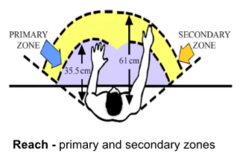
The range that a person can stretch to touch or grasp an object

Workspace envelope
A 3D space around a person that the user can comfortably reach
Functional (Effective)
Usability objective - how well the product meets the performance requirements of most users
Error Tolerance
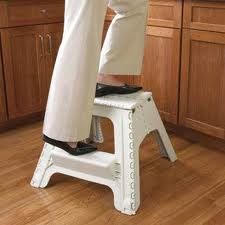
Usability objective - how frequently and how severely a user makes mistakes when using the product. Products that are error tolerant allow for fewer errors.

Learnability (Easy to learn)
Usability objective - how easy is it for a new user to begin using the product without excessive help or add-ons

Memorability (Efficient)
Usability objective - how well a user can remember how to use the product after they have not used it for a period of time

Satisfaction (Enjoyability)
Usability objective - how pleasant and enjoyable it is to use a product, based on the user's needs and preferences

Anti-Persona
A fictional profile of a user who might misuse the product and how that can affect the product

Field Research
A first-hand observation of users in their real environment

Five stages of UCD
Research, Concept, Design, Develop, Launch

Focus Group
A research method in which a small group of users sit together with a moderator (researcher) who guides a discussion about the product. Users discuss their preferences, impressions, and opinions of the product.

Interview
A research method that uses one-on-one questions to gain insight into a user's preferences, needs and limitations

Primary Persona
A fictional profile of the primary user for a product that outlines the needs, preferences and pain points of the typical user.

Qualitative Data
Descriptive data, such as quotes, that conveys how the users think and feel in words
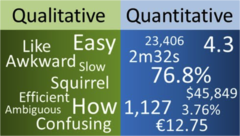
Quantitative Data
Data that can be measured in numbers, such as statistics, percentiles and sizes

Survey
A research method that uses both open-ended and closed questions to collect data from a large number of users.

Task Analysis
A research method that observes a user carrying out a specific action to understand how they do it.

Inclusive / Universal Design
Designing products to be usable for the widest range of people

Design for extremes
A strategy to design products for the most abnormal users. For example, designing for the 2.5th - 97.5th percentile instead of 5th - 95th

Principles of Inclusive Design
Seven principles that guide designers to create inclusive products: 1. Equity in use, 2. Flexibility in use, 3. Simple & intuitive operation, 4. Perceptive information, 5. Tolerance for error, 6. Low physical effort, 7. Size & space for use

ACT Model - Attract, Converse, Transact
A framework for creating designs that improve the relations of users with the product to trigger an emotional response.

Attract
First impression, aesthetics - Is the product desirable?

Converse
Interaction with the product - Is the product useful?

Transact
Commitment to product - Does the product accomplish was it was designed for?
Four Pleasure Framework
A framework by Lionel Tiger (1992) that encourages design for emotion and pleasure, including Physio-pleasure, Socio-pleasure, Psycho-pleasure and Ideo-pleasure

Physio-Pleasure
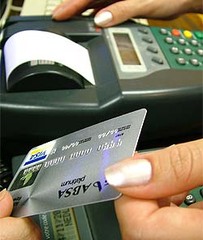
Physical comfort, sensory pleasure from product

Psycho-pleasure
Cognitive satisfaction, ease of use

Socio-pleasure
Social connection, belonging, and social identity
Ideo-pleasure
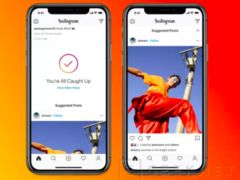
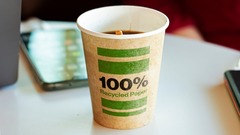
Values, ethics and moral identity
Norman's Three Levels of Design
Don Norman identifies three components of emotional design: 1) Visceral - sensory appeal (correlates to Physio-pleasure), 2) Behavioral - function and performance (correlates to Psycho-pleasure), 3) Reflective - meaning and identity (correlates to Socio-pleasure and Ideo-pleasure)

User-centered design (UCD)
Focuses on understanding the needs, preferences and limitations of end-users throughout the product development process, involving actively engaging users in an iterative process, gathering feedback and using that information to prioritise the user when creating products and services that are usable, accessible and enjoyable.
Field research
Involves observing people in their natural environment to obtain an understanding of their needs and normal behaviour, typically carried out early in the design process. Techniques include field trials, ethnographic interviews, and observation of everyday activities.

Ethnographic interviews
The scientific description of peoples and cultures with their customs, habits and mutual differences.
Method of extremes
Looks at the extremes of the user population distribution, using these positions along with the mean to design equipment for general use.
Universal design
Aims to create designs that are usable by all people to the greatest extent possible, without the need for adaptation or specialised design, contrasting with 'designing for extremes'.
Observation (research method)
Involves watching users as they use a product, either in a controlled laboratory or in their normal environment, to gather information on how a product is used and any usability problems encountered.

Interviews (research method)
Involve the observer interacting directly with the user to ask questions regarding issues of usability, taking forms such as structured, semi-structured, or unstructured.
Unstructured interviews
Use predominantly open-ended questions that require more than one or two words to answer and allow the interviewee to answer in their own words.
Structured (standardised) interviews
Ask closed questions for which a set of fixed responses are provided or only a simple yes or no reply is required, with the primary purpose of ensuring a fair, objective and consistent evaluation using a standardised set of questions and evaluation criteria.

Likert type scale
A scale typically ranging from 1 to 5, used in questionnaires to measure attitudes and opinions by asking for an evaluation (e.g., 'strongly dislike' through to 'strongly like').
Reliability (questionnaires)
Relates to the repeatability of the response to a question in a questionnaire.
Validity (questionnaires)
Concerned with the degree to which a question in a questionnaire measures what is intended.
Questionnaires (research method)
Self-administered lists of questions provided to a respondent to be read and completed without any outside interference, which can be fixed-response or open-ended.

Fixed-response questions
Questions aimed at obtaining quantitative data, consisting of a selection of responses from which the respondent is asked to choose, or a rating scale for agreement/disagreement.
Open-ended questions
Questions that allow respondents to answer in their own words, potentially uncovering previously unexpected information and gathering qualitative data, useful in early design stages.
User population
A group defined in terms of common characteristics (age, gender, physical condition, handedness, ethnicity) or common goals/needs.
Primary persona
A fictional construct representing the core target users whose needs the design prioritizes, including their goals, needs, and preferences, to guide design decisions.
Secondary persona
A fictional construct representing extended user groups whose needs are incorporated into the design where possible, after satisfying the primary persona's requirements.
Anti-persona
A representation of a user group that could misuse a product in ways that negatively impact target users and the business, or non-target groups a design does not serve, used to test for potential safety issues, security loopholes, product damage, and marketing mistakes.

Use case
A written description of how a user will interact with a product/design as seen from the user's perspective, used to gain insight into the product's usability.
Functionality (Efficiency)
A usability goal that ensures the product allows users to complete their intended tasks accurately and completely, meeting the performance requirements of the majority of users.
Efficient (Memorability)
A usability goal where, after learning the system, users can finish tasks quickly and with minimal effort.
Engaging (Satisfaction)
A usability goal where the interface creates a positive, satisfying user experience, holding attention, feeling pleasant to use, and matching user expectations.
Error tolerant (Errors)
A usability goal where the system prevents user mistakes where possible, and when errors do occur, it provides clear feedback and simple ways to undo or recover, avoiding serious consequences.
Easy to learn (Learnability)
A usability goal where new or first-time users can understand basic operations rapidly, without long training or complicated manuals, guided by intuitive design that is predictable.
Learnability
How easily a new user can learn to use a product and reach an acceptable level of proficiency.
Memorability
How easily a user can remember how to use the product after not using it for some time.
Task analysis
A strategy used to develop empathy and gain understanding of how users perform a task to achieve their intended goal, deconstructing complex user interactions into discrete, manageable units of analysis.

Task analysis process (iterative)
An ongoing process used by designers to understand how users perform tasks, involving identifying tasks, breaking them into smaller steps, evaluating problems, documenting results, improving on mistakes, and retesting.
Poka-yoke
Translates from Japanese as mistake-proofing or error prevention; a system or product design that shapes user behavior to prevent accidents, mistakes, and errors.

Empathy (in task analysis)
Developed as designers understand the user’s experience more completely by breaking down activity into individual steps, making potential pain points and frustrations clearer.
UCD advantages
Products are usable, accessible, enjoyable, and more intuitive.
UCD disadvantages
Can be expensive, difficult to interpret different types of data, and time-consuming.
Developing Personas (steps)
Includes collecting data (interviews, surveys, observations, focus groups), analyzing data (flow charts, identifying patterns, analyzing success rates), and identifying key user groups (creating small groups with common traits).
UCD Research Plan components
Includes identifying research questions, choosing research methods, developing a persona, identifying the product focus, and listing design specifications or considerations.
Kaizen
A Japanese philosophy and term meaning 'continuous improvement' or 'change for the better', based on the idea that small, gradual changes over time lead to significant product and service improvements. Also related to the PDCA cycle (Plan, Do, Check, Act)

Sustainable Development
Development that meets present needs without compromising the ability of future generations to meet theirs (1987 UN World Report)

Microplastics
Very small plastic particles that persist in the environment, harming ecosystems and human health.

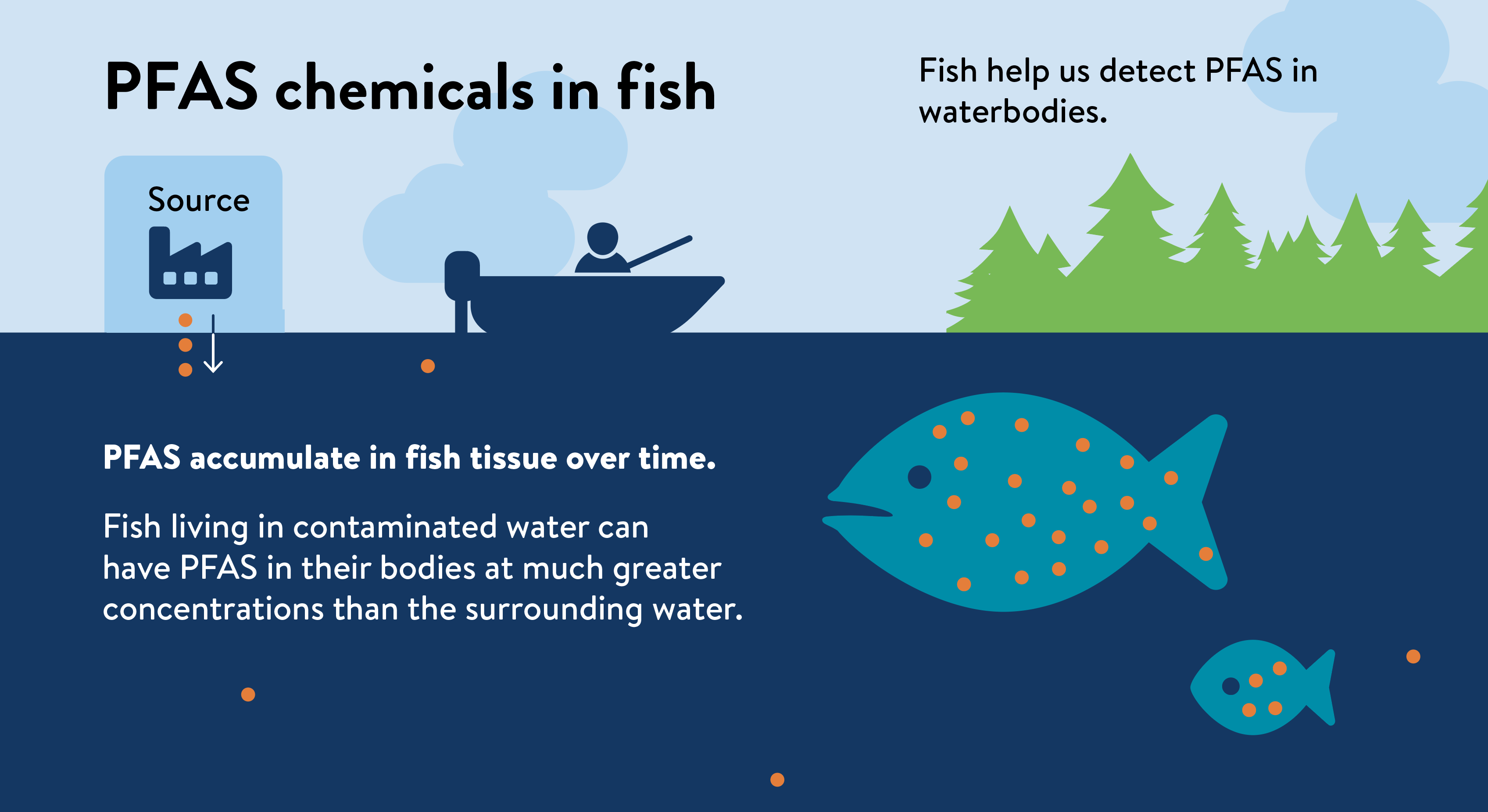
PFAS (Per- and Polyfluoroalkyl Substances)
Synthetic chemicals known as 'forever chemicals' due to their resistance to heat, water, and oil, which resist degradation, accumulate in groundwater, and cause health problems.
Fast Fashion
The rapid production and sale of cheaply made clothing mimicking current trends, contributing huge CO2 emissions and resulting in tons of textile waste going to landfills each year.

Standardisation
The establishment and use of uniform components, practices, methods, or formats to ensure consistency, compatibility, quality assurance, and reduced variability across products and markets.

Product Standards
Documented guidelines that specify technical requirements for a product to ensure its safety, quality, consistency, and suitability for its intended use across manufacturers and markets.

Interchangeability
The ability for identical parts to be easily swapped between products without modification, facilitating mass production, field repairs, and maintenance efficiency.

Planned Obsolescence
A deliberate tactic employed by manufacturers and designers to create products with a limited lifespan to force repeat consumer purchases and boost sales.

Style Obsolescence
When a functional product becomes no longer desirable due to changes in fashion trends, aesthetics, and consumer preferences.

Functional Obsolescence
When a product becomes less useful or less desirable due to outdated functionality, even if the underlying technology still functions properly.

Technological Obsolescence
When a product or technology is replaced because newer, more efficient, or more effective technology emerges to perform the same task.

Inclusive Design
An extension of User-Centred Design (UCD) that seeks to eliminate barriers by ensuring products and environments are accessible and usable by everyone, regardless of age, ability, or background.

50th Percentile
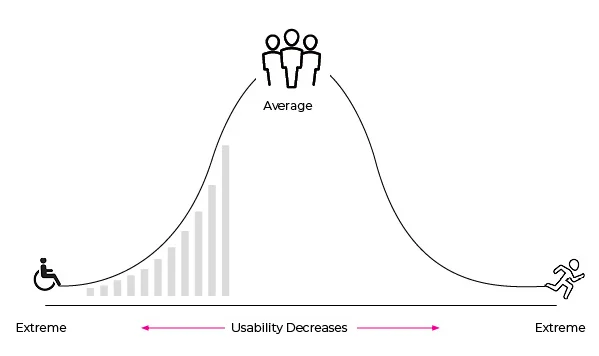
The statistical median below which 50% of a population falls for a specific body dimension; designing exclusively for this point can exclude significant populations at the extremes.

Design for Extremes
A strategy of designing products tailored to extreme user needs (such as individuals with physical, sensory, or cognitive impairments) to develop solutions that benefit all users.
OXO Good Grips Vegetable Peeler
An iconic example of design for extremes developed in the 1990s by Sam Farber for his wife who suffers from arthritis. The peeler was designed to be comfortable for her hands, but has useful features (non-slip handle and a flexible swivel blade) that are comfortable for everyone.

Text to Speech (TTS) Technology
An assistive digital feature that reads text aloud to help users with visual impairments or learning difficulties such as dyslexia.

Principles of Inclusive Design
Equity in use
Flexibility in use
Simple & intuitive operation
Perceptive information
Tolerance for error
Low physical effort
Size & space for use

Four Pleasure Framework
A user-centered design model developed by anthropologist Lionel Tiger (1992) that categories product enjoyment into four parts: Physio-, Socio-, Psycho-, and Ideo-pleasure.

Physio-pleasure
Pleasure derived from direct physical and sensory interaction with a product, such as its tactile feel, smell, taste, or visual appearance.

Socio-pleasure
Pleasure derived from social interaction and social relationships facilitated by a product, such as status, communication, and feeling a sense of belonging.

Psycho-pleasure
Pleasure derived from cognitive and emotional satisfaction during product use, such as ease of understanding and intuitive operation.

Ideo-pleasure
Pleasure derived from how a product resonates with a user's values, ethics, personal identity, and philosophical beliefs.

Visceral Level of Design
Don Norman's initial level of design appeal outlined in 'Emotional Design' (2003) focusing on immediate sensory reactions and visual aesthetic first impressions.
