PCC exam 3
 Call Kai
 Learn
 Practice Test
 Spaced Repetition
 Match
 Flashcards
 Knowt Play
1/154

There's no tags or description
Looks like no tags are added yet.
155 Terms
Transdermal Patch
Skin assessment, hairless area, rotate sites, remove previous patches before applying a new one
Eye administration
Drops are patient specific
Dropper must remain sterile
Instill drops or ointment in conjunctival sac
Drops must be administered before ointment
Punctal occlusion (60 seconds)
Ear administration
Clean procedure unless eardrum is not intact (sterile)
Drops should be room temperature
Pinna positioning: adults up and back, children down and back
Vaginal medications
irrigations (douches), foams, gels, creams, tablets, suppositories
Rectal medication
Irrigations (enemas), suppositories
Insert suppositories
4 inches
Intradermal injection sites
Forearms, upper chest, upper back
Subcutaneous injection sites
back of upper arm, upper back, lower back, abdomen, top of thighs
Intramuscular injection sites
Deltoid, vastus lateralis, ventral gluteal
Ventilation
Inhalation and exhalation
Respiration
Chemical- Internal vs external, exchange of oxygen and carbon dioxide in the alveoli and capillary membrane
Eupnea
Normal breathing
Bradypnea
Slow breathing
Tachypnea
Fast breathing
Kussmauls Respirations
Fast, deep, and labored breathing
Biots respirations
Chaotic, irregular breathing pattern
Oral medications
Pills, enteral, syrups, liquids, elixirs, suspensions
Peds consideration
Topical medications
Lotions, creams, ointments, sprays, powder, patches
What is required for all topical medications?
Gloves
Respiratory medications
Assessment is required before and after administration
Patient specific
Larger needle gauge
Smaller diameter
Standard syringe
1 mL, 5 mL, 10 mL, etc
Insulin syringe
0.3 mL, 0.5 mL, 1 mL
For insulin only
Tuberculin syringe
1 mL capacity
For TB testing
Luer Lock syringe
Twist on needle tip
Pre filled syringe
Single dose, prescribed medication
Safety syringw
Retractable or shielded needle
Labeling for injectables
Date, time, initials, contents
Intradermal injections
Insert 5-15 degrees just below the skin surface, usually only 0.1 mL, uses small 1 mL syringe with a fine 26-28 gauge needle
Subcutaneous injections
Use a 25-30 gauge 3/8-1 inch needle, max amount to be injected is 1 mL at a 45-90 degree angle
Mixing insulin
Clear before cloudy
Intramuscular injections
Use a 21-23 gauge 1-1.5 inch needle, syringe depends on the amount and the maximum amount depends on the site, inject at a 90 degree angle
Cheyne-Stokes respirations
Abnormal cycle of breathing characterized by periods of gradual increase and gradual decrease in depth and rate, followed by a period of apnea
Apnea
Temporary pause of breathing
Hypoxemia
<90% in arterial blood
Early signs of hypoxia in adults
Tachypnea, tachycardia, restlessness, anxiety, confusion, pale skin and mucous membranes, elevated blood pressure, use of accessory muscles, nasal flaring, adventitious lung sounds
Late signs of hypoxia in adults
Stupor (almost unresponsive), cyanotic skin and mucous membranes, bradypnea, bradycardia, hypotension, cardiac dysrhythmias
Nursing interventions for hypoxia
Confirm probe placement
Confirm delivery system is working and the patient is receiving the prescribed amount
Raise the head of bed and encourage pursed lip breathing
Stay with patient to provide support and decrease anxiety
Nasal cannula
1-6 L/min, 24-44%
Advantages of nasal cannula
Safe and easy to apply, comfortable and well tolerated, patient can eat, talk, and ambulate
Disadvantages of a nasal cannula
FiO2 varies with flow rate, and rate/depth of breathing, skin breakdown and dry mucous membranes long term
Nursing actions for nasal cannula
Assess patency and tubing, ensure proper fit, use water-soluble gel to prevent dry nares, humidification for flow rates of 4 L/min and greater

Nasal cannula
Simple face mask
5-10 L/min, 35-60%
Advantages of a simple face mask
Good for mouth breathers, humidified oxygen
Disadvantages of a simple face mask
Flow rates less than 5 L/min can result in rebreathing CO2, anxiety or claustrophobia, eating, drinking, and talking are impaired, risk of skin breakdown, risk of aspiration
Nursing actions for simple face mask
Assess proper fit, client wears nasal cannula while eating, monitor for skin breakdown, use with caution for patients with high risk of aspiration or airway obstruction

simple face mask
Venturi mask
5-10 L/min, 24-60%
Advantages of a venturi mask
Delivers the most precise oxygen concentration with humidity added
Disadvantages of venturi mask
Can be noisy, eating, drinking, and talking impaired, risk of skin breakdown
Nursing actions for venturi mask
Assess equipment and patient frequently to ensure an accurate flow rate, asses proper fit, assess for skin breakdown, ensure the client wears a nasal cannula during meals

Venturi mask
Partial rebreather
10-15 L/min, 60-90%
Advantages of a partial rebreather
Patient can rebreathe up to 1/3 of exhaled air together with room air, humidified oxygen
Disadvantages of a partial rebreather
Complete deflation of the bag during inspiration causes CO2 buildup, FiO2 varies with the client’s breathing pattern, anxiety or claustrophobia, eating, drinking, and talking impaired, risk of aspiration and skin breakdown
Nursing actions for partial rebreather
Keep the reservoir bag 1/3 to ½ full on inspiration by adjusting flow rate, assess proper fit, monitor for skin breakdown, ensure the client uses a nasal cannula during meals, use with caution for clients who have a high risk of aspiration or airway obstruction

partial rebreather
Non rebreather
10-15 L/min, 80-95%
Advantages of non rebreather
Delivers the highest O2 possible (besides intubation), one-way valve between the mask and reservoir allows the client to inhale maximum O2 from the reservoir bag, flaps prevent room air from entering the mask
Disadvantages of a non rebreather
A good seal is required around the face for effectiveness
Nursing actions for a non rebreather
Assess proper fit and skin breakdown, make sure client uses a nasal cannula during meals
Airway clearance
Positioning and postural drainage, incentive spirometer, mobilize secretions
Ways to mobilize secretions
Chest physiotherapy
Turn, cough, and deep breathing
Hydration
Humidification of oxygen
Medications (expectorants, decongestants, bronchodilators, steroids
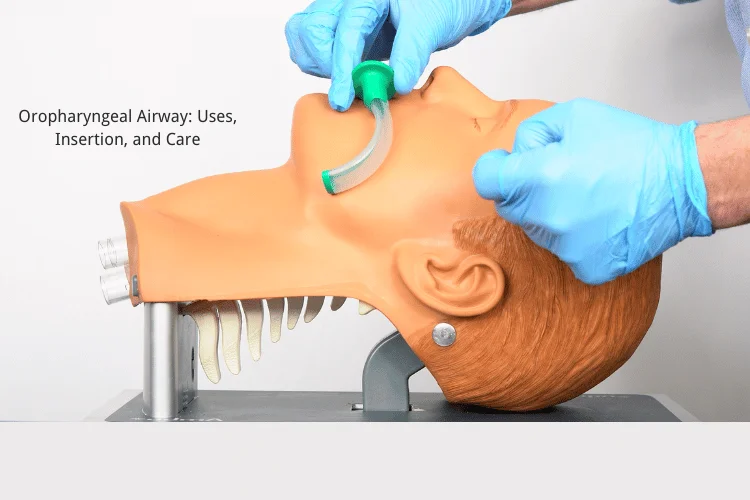
Oropharyngeal airway
Inserted into the mouth to the pharynx

Nasopharyngeal airway
Inserted in the nostril to the pharynx, patient can tolerate this consciously because it does not stimulate the gag reflex

Endotracheal tube
Tube inserted into the trachea
Orotracheal
mouth to trachea
Nasotracheal
Nose to trachea
Tracheostomy
Directly opened into the trachea
Cuffed
Used for patients who are being ventilated or have trouble swallowing
Chest tube
Inserted into the pleural space to evacuate air or fluid
3 types of chest tubes
Water-seal, dry-seal, or portable
Nursing assessments required for chest tubes
Vitals, spO2, Pulmonary assessment, color, consistency, amount of drainage, pain
Purpose of urination
Waste elimination, maintain fluid balance, maintain electrolytes and acid/base balance, regulate blood pressure
Bladder can hold
500-1000 mL
When does the brain signal the need to urinate
250-400 mL
Pale straw colored urine
Expected
Red urine
Bleeding or diet related
Bright orange or rust colored urine
May be due to medications
Dark amber urine
High level of bilirubin from liver dysfunction, muscle breakdown
Ammonia smell of urine
Stagnant urine
Sweet, fruity odor of urine
Ketones (diabetes mellitus)
Initially cloudy uring
Protein or bacteria
Adults normally void
1500-2000 mL a day; 30 mL/hour
COCA of urine
Color, odor, consistency, amount
Causes of retention
Obstruction, inflammation and swelling, neurological conditions (SCI), medications, anxiety
Risk factors of urinary incontinence
Advanced age, history of UTIs, neuroloigcal disease obesity, smoking/drinking, immobility, perimenopause, childbirth, benign prostatic hyperplasia, diabetes
Complications of urinary incontinence
infection (UTI and/or bacteremia) and inflammation (prostatitis, epididymitis, cystitis, pyelonephritis)
Stress incontinence
Involuntary loss of urine with increased intra-abdominal pressure in the absence of an overactive bladder
Causes of stress incontinence
Pregnancy, childbirth, obesity, chronic constipation and straining, physical activity, laughing, sneezing, coughing, lifting
Treatment for stress incontinence
Kegel exercises, sling/pessary procedure, injection of synthetic materials
Urge incontinence
Inability to stop urine flow long enough to reach the bathroom due to increased bladder pressure
Causes of urge incontinence
Overactive detrusor muscle, UTI
Treatment of urge incontinence
Bladder retraining, medications, neuromodulation (nerve stimulation), botox injection
Overflow incontinence
Frequent loss of small amounts of urine due to overdistension or retention
Causes of overflow incontinence
SCI, MS, impaired detrusor muscle, obstruction (enlarged prostate), or fecal impaction
Treatment for overflow incontinence
Intermittent catheterization, bladder training, medications, surgery, neuromodulation
Reflex incontinence
“unconscious” incontinence, loss of urine when the person does not realize the bladder is full and has no urge to void
Causes of reflex incontinence
CNS disease, SCI, tissue damage from radiation, cystitis, bladder inflammation, radical pelvis surgery