Carbohydrates and Lipids Review
 Call Kai
 Learn
 Practice Test
 Spaced Repetition
 Match
 Flashcards
 Knowt Play
1/44

There's no tags or description
Looks like no tags are added yet.
45 Terms
Dehydration Synthesis
An anabolic reaction that takes small molecules and makes them into larger molecules by removing water
Hydrolysis
A type of catabolic reaction that breaks larger molecules into smaller molecules by adding water
Carbohydrate
A source of immediate energy, energy storage, or structural support. Known as sugars, starches, and fibers
Monosaccharide
Monomers of carbohydrates, “simple sugars” that provide energy. Examples: glucose, galactose, fructose
Disaccharide
Forms when two monosaccharides undergo dehydration synthesis w/ glycosidic bond. Examples: sucrose, lactose, maltose
Polysaccharide
Complex carbohydrate that forms when simple sugars bind together in a chain through dehydration synthesis. Examples: Starch, cellulose, glycogen, chitin
Glucose
Product of photosynthesis and directly used in energy production (ATP)
Fructose
Found in fruits, contains carbonyl, used in sucrose, has 5 sides
Galactose
Found in dairy, contains carboxyl, used in lactose
Sucrose
Table sugar, glucose + fructose
Lactose
Dairy, glucose + galactose
Maltose
“Malt” sugar, glucose + glucose
Starch
Plants store carbohydrates in the form of starch, made of glucose monomers. Amylose - spiral, Amylopectin - long branches
Amylose
Spiral chain of starch
Amylopectin
Long branches of starch
Glycogen
Stores energy for animals and other organisms, glucose monomers create highly branched molecule. Stored in liver and muscle in humans
Cellulose
Provides structural support for plant cells, can’t be digested by most animals - source of fiber. Most abundant polysaccharide, not very soluble. In grid/straight shape.
Chitin
Provides structural support in fungi and exoskeletons, long chain of modified glucose, insoluble due to hydrogen bonds
Glycosidic bond
Bond that joins 2 monosaccharides together into a polysaccharide
Lipid
Fats and oils that are composed of C, H, O, and some P or N. Hydrophobic, insoluble, largely nonpolar
Glycerol
3 carbon molecule with 3 -OH, known as the “head” of a triglyceride
Triglyceride
Formed through dehydration synthesis of glycerol and 3 fatty acids, forms ester bond. Provides long term energy storage, insulation, and cushions organs.
Phospholipid
Formed through dehydration synthesis, 1 phosphate head (polar and hydrophilic), glycerol, and 2 fatty acids. Makes up cell membranes known as phospholipid bilayer.
Phospholipid bilayer
Cell membrane, polar head and nonpolar tails
Steroid
4 ringed structure, acts as a “messenger", helps hormones, and a vitamin precursor. Examples: estrogen, testosterone, cholesterol
Cholesterol
Most common steroid, precursor to vitamin D, estrogen, and testosterone. Increases fluidity of cell membrane, can be either good or bad
Wax
Long chain fatty acid attached by ester bond to long chain alcohol, solid at room temp, protects and waterproofs (hydrophobic)
Saturated fatty acid
All single bonds and packed tightly with linear structure, solid at room temp, max # of hydrogen, source: animal fats and tropical plant oils, raises cholesterol
Unsaturated fatty acid
Has one or more double bond and fewer hydrogen, liquid at room temp, source: healthy oils, lowers cholesterol
Cis fatty acid
H same side of double bond which creates a bend
Trans fatty acid
H opposite side which makes it nearly straight, created by mankind, led to increased cholesterol through LDL
Ester bond

Hydrocarbon chain
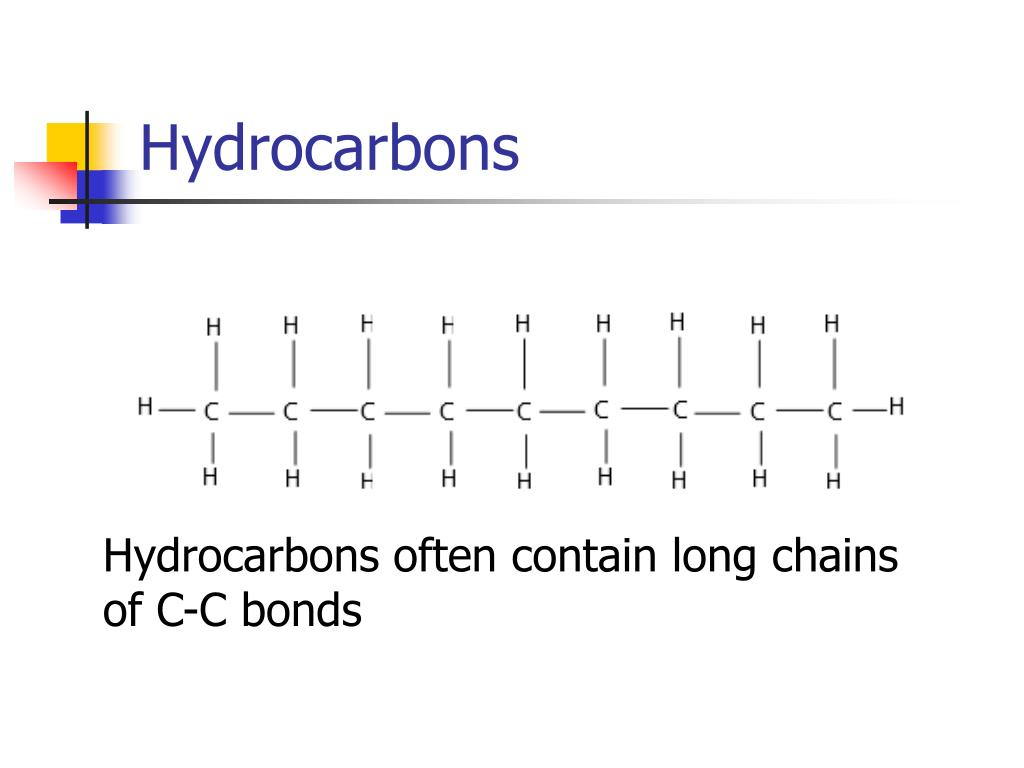
Carboxyl group

Hydrophobic
Repelling and not mixing with water
Hydrophilic
Tendency to mix with, and interact with water
Amphipathic
Having both hydrophobic and hydrophilic parts
LDL (low density lipoprotein)
Transports cholesterol through the body and builds up in arteries, making them harder and narrow.
HDL (high density lipoprotein)
Picks up excess cholesterol and takes it back to your liver for disposal
Lipase
Breaks down triglycerides into glycerol and fatty acids
Anabolic reaction
Building larger molecules from small ones, requiring energy input
Catabolic reaction
Breaking down of larger molecules into smaller molecules with release of energy
Cellular respiration
Process in which cells break down molecules to release energy, transfers energy from food molecules
ATP (adenosine triphosphate)
The cell’s primary energy‑carrying molecule, used to power processes like muscle contraction, active transport, and chemical synthesis.
Isomer
Molecules with the same chemical formula but different arrangement