The Gilded Age
 Call Kai
 Learn
 Practice Test
 Spaced Repetition
 Match
 Flashcards
1/20

Earn XP
Description and Tags
Module 4
21 Terms
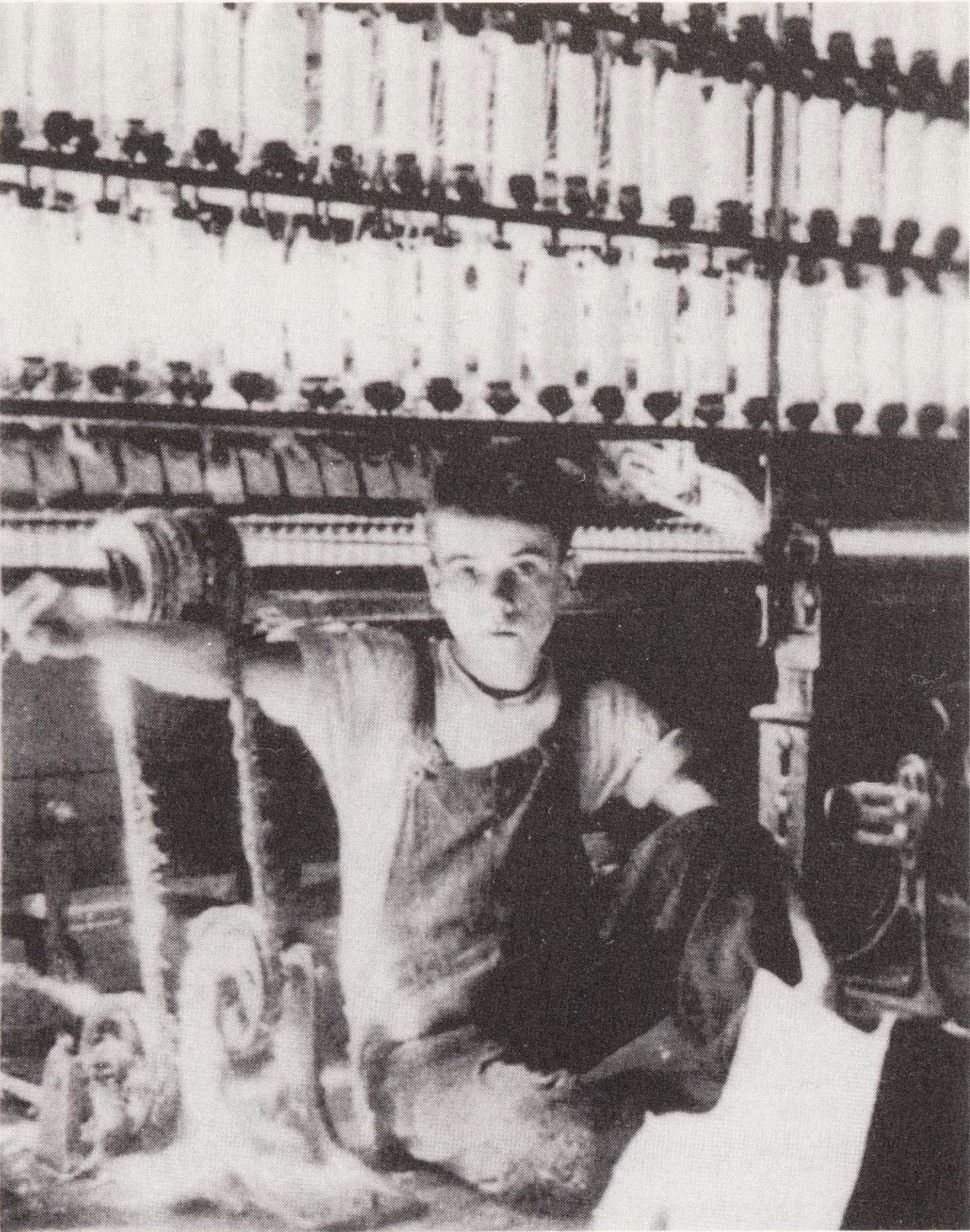
Why did Labor Unions arise?
dangerous, long hours, no benefits

Collective bargaining
The negotiation process between organized workers and their employer to determine terms of employment, including wages, hours, and workplace safety rules.This process allows labor unions to advocate for fair treatment and improved conditions.
Reasons why immigrants came to America?
better jobs, American dream of making money, religious persecution, political persecution, freedom
Triangle Shirtwaist Factory Fire
A 1911 industrial disaster in New York City where 146 garment workers died due to locked doors and inadequate fire escapes, galvanizing the labor movement and prompting major reforms in workplace safety and factory inspection laws.

“New” immigrants came from what countries or areas of the world?
Eastern and Southern Europe, Asia
What form of transportation did immigrants arrive to America?
by steamship
Ellis Island
immigration station in New York Harbor that processed millions of immigrants arriving in the United States from 1892 to 1954.

Angel Island
immigration station in San Francisco Bay that processed immigrants, primarily from Asia, between 1910 and 1940.

Push Factors
conditions that drive people to leave their home country, such as economic hardship or political instability.
Pull Factors
conditions that attract individuals to move to a new country, such as job opportunities and political freedom.

Melting Pot
a term used to describe a society where various cultures and ethnicities blend together, particularly in the context of the United States during the late 19th and early 20th centuries.
Nativism
the political policy of promoting the interests of native inhabitants over those of immigrants. It often includes hostility towards immigrant groups and was particularly prevalent in the U.S. during the late 19th century. “America for Americans”
Chinese Exclusion Act
a federal law enacted in 1882 that prohibited the immigration of Chinese laborers to the United States, reflecting the growing nativist sentiments and anti-Asian racism of the time.

Gentlemen’s Agreement
a diplomatic agreement between the United States and Japan in 1907, which aimed to limit Japanese immigration to the U.S. in exchange for the repeal of discriminatory laws against Japanese immigrants.
Urbanization
the process by which cities grow as populations migrate from rural areas
Americanization Movement
a social campaign aimed at assimilating immigrants into American culture, promoting English language, and adopting American values.
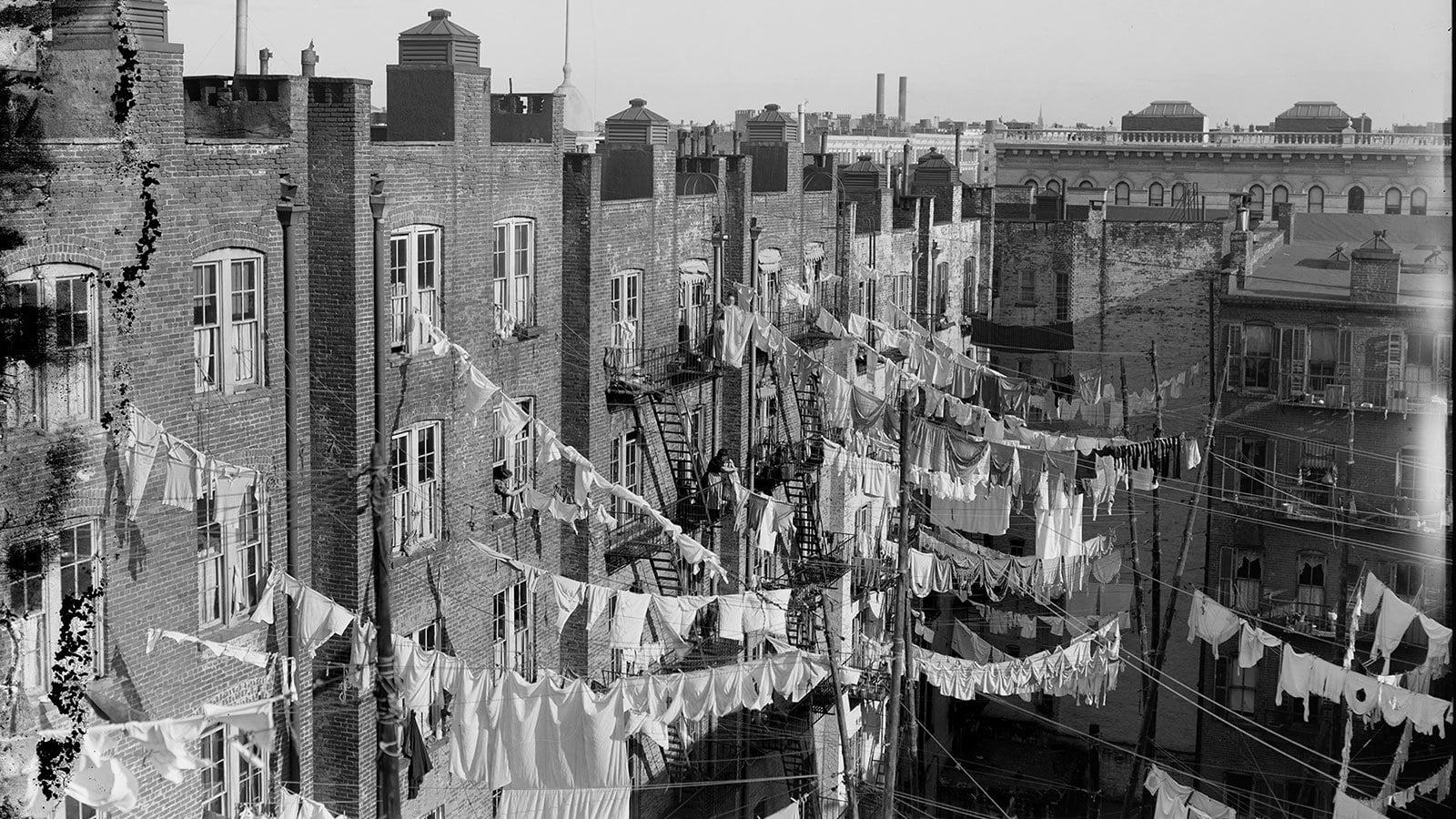
Tenements
Cramped, low-quality apartment buildings often found in urban areas, housing primarily immigrant families during the Gilded Age.
Social Stratification
The arrangement of individuals in society based on factors such as wealth, income, education, and occupation. The rich, middle class, and lower class
What were some of the major problems in cities?
crime, sanitation, overcrowding, fire, poverty and poor housing conditions.