Dendrology leaves
 Call Kai
 Learn
 Practice Test
 Spaced Repetition
 Match
 Flashcards
 Knowt Play
1/63

There's no tags or description
Looks like no tags are added yet.
64 Terms

Alternate, simple, ovate to oblong-ovate, pointed at apex, base rounded or heart-shaped
yellow birch

Opposite, simple, ovate to oblong-lanceolate, acuminate, rounded at base, entire
redosier, redstemmed dogwood

Alternate, bipinnately compound, to 36” long by 24” wide
Kentucky coffeetree
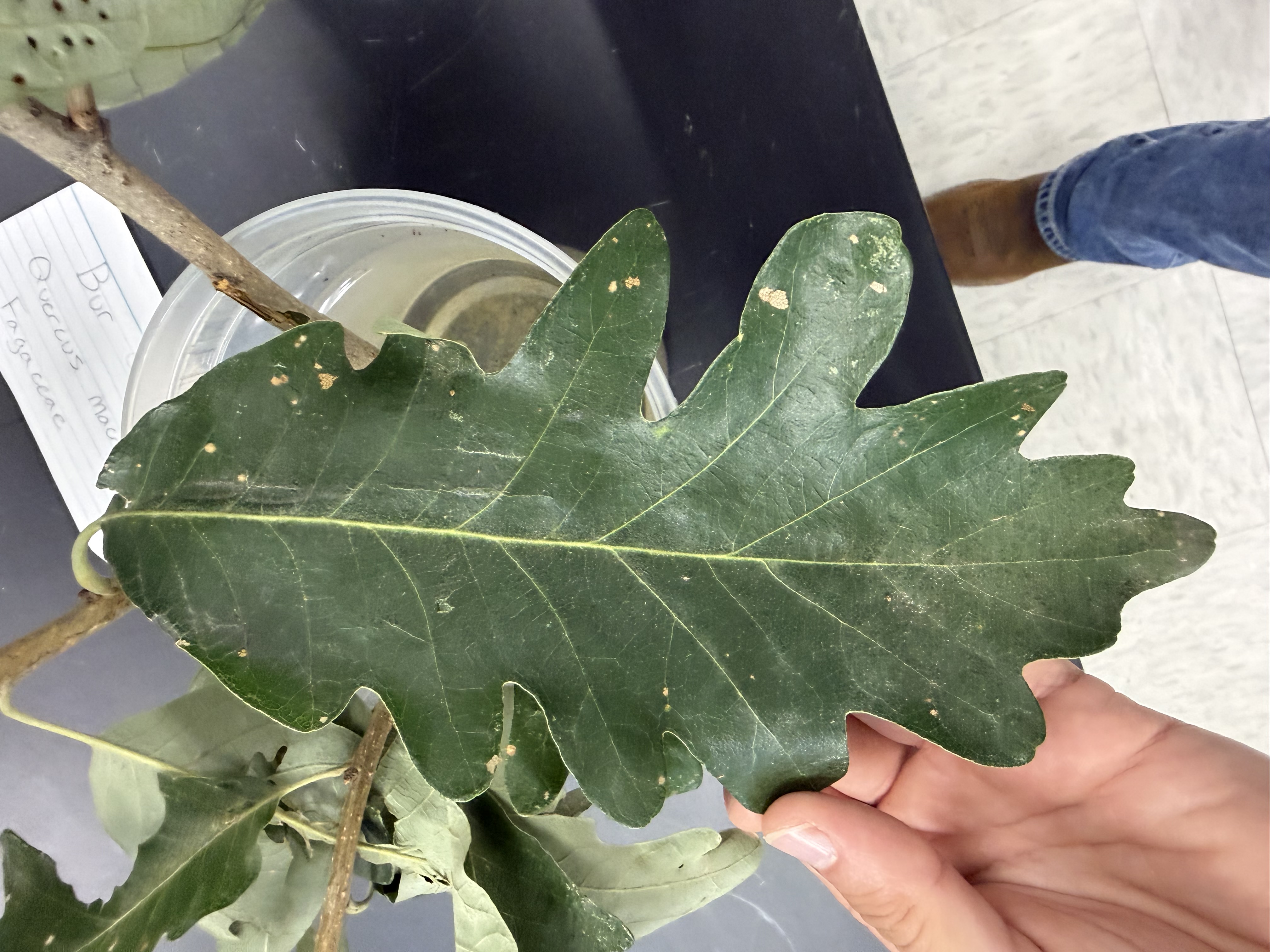
Alternate, simple, rounded lobes, 5 to 7 pairs
ovate to obtuse lobes, often deeply lobed at middle of leaf, whitish tomentulose below; Bud –
Imbricate, pubescence covers entire bud, often stipular structures arising from buds
bur oak

Linear needle, two-ranked, ½ to 1” long, slight notch at
apex, stomatal bands below, persistent; Cones – Erect, 1½ to 3¼” long, oblong-cylindrical,
deciduous
balsam fir

4-sided needle, ½ to ¾” long, tip acute not sharp, on
sterigmata, pungent odor to crushed foliage; Cones – Pendent, 1¼ to 2½” long, narrowly
oblong, truncate to slightly rounded scale
white spruce

acicular, 5 needles per fascicle, 2½ to 5” long,
slender and flexible, persist 2-3 years; Cones – Long-staked, 3 to 8” long, pendent, narrowly
oblong-conic, umbo terminal unarmed
Eastern white pine

Opposite, simple, palmately-veined, 5-7 lobed,
sharp pointed "teeth", milky white sap from petiole when removed, green and purple forms;
Buds – Plump, ¼ to 3/8 inch long
Norway maple

Opposite, simple, palmately 3 or 5-lobed (usually 3),
acute sinuses, serrate leaf margins
red maple

Opposite, simple, usually palmately 5-lobed,
deep sinuses, silvery underneath, serrate leaf margins
silver maple

Opposite, simple, usually palmately 5-lobed,
lacks milky sap
sugar maple

Opposite, palmately compound, 5-7 elliptic to obovate leaflets
buckeyes and horsechestnuts

4-sided needle, ¾ to 1¼”
long, sharp-pointed, stiff, on sterigmata; Cones – Pendent, 2½ to 4” long, cylindrical, sessile or
short-stalked, apex of scale toothed
blue spruce or Colorado blue spruce

Linear needle, ½ to 1” long, persistent; Fruit – Ovoid, seed
surrounded by fleshly and reddish aril, ¼” long
yew

Opposite, simple, leaves leathery, ovate to oblong-ovate; Buds – Naked, long, round, thin. Fruit – Green to red to black; Habit – 10 to 15’ by 10 to 15’ wide; Flowers –White
Nannyberry

Alternate, simple, doubly serrated; finely branched twig texture; Buds – Imbricate, small < ¼”, 12 4-ranked scales, more or less hairy
Musclewood

Opposite, finely toothed, 1-1½” long, both ends tapered, obovate or elliptic, autumn color fiery red or bright pink. Fruit – seed coat purple, seed bright red, ovoid; Habit – medium shrub to small tree, many cultivated varieties; can be invasive in wooded areas when escaped from plantings
Burning bush

Arcuately veined leaves, alternate but grouped near ends of branches, elliptic-ovate. Fruit – Bluish black fruit on red pedicels; large shrub or small tree; Habit – Distinct, layered (=pagoda) branching, spreading, large shrub or low-branched tree, 15 to 25’ tall by 1.5 times wide
Alternate-leaved dogwood

Leaf – 1/16” long, opposite pairs, awl-shaped juvenile spiny, pointed, scale-like adult with pointed apex, dark bluish-green becoming yellowish-brown in winter; Fruit – Berry-like, ¼” long, pale green turning blue, glaucous
Eastern red cedar

Leaf – Linear, 5/8 to 1¼” long, somewhat 2-ranked, rounded apex, stomatiferous below, persistent; Cones – Pendent, 1 5/8-4” long, ovoid-cylindric, 3-lobed bracts; Pointed bud
Douglas fir

Leaf – Linear, 3/8 to 5/8” long, tapered base to apex, 2 prominent rows stomata, persist 3 years; Cones – Short-stalked, 5/8 to 3/4” long, pendent, oblong-ovoid, persistent
Eastern hemlock

Leaf – Alternate, simple, ovate, pinnately-veined, 1½ to 3 inches long, finely serrate, may be pubescent below when young; Buds – up to ½ inch long, pointed, covered with scales, usually with hairy margins, light yellow-green to red in color. Flower – late March to June before or with leaves, showy white, 5 petals; Fruit – Ripen June to August, ¼ to 3/8 inch in diameter, rounded, red to dark purple when ripe, edible and many tasty; Bark – Smooth when young, ashy-gray with dark stripes, becoming rough with long splits and furrows; Habit – A shrub or small tree with a narrow crown
Serviceberry

Leaf – Alternate, simple, flattened petiole, D-shaped leaf, coarsely crenate/dentate margin, entire at base
Eastern cottonwood
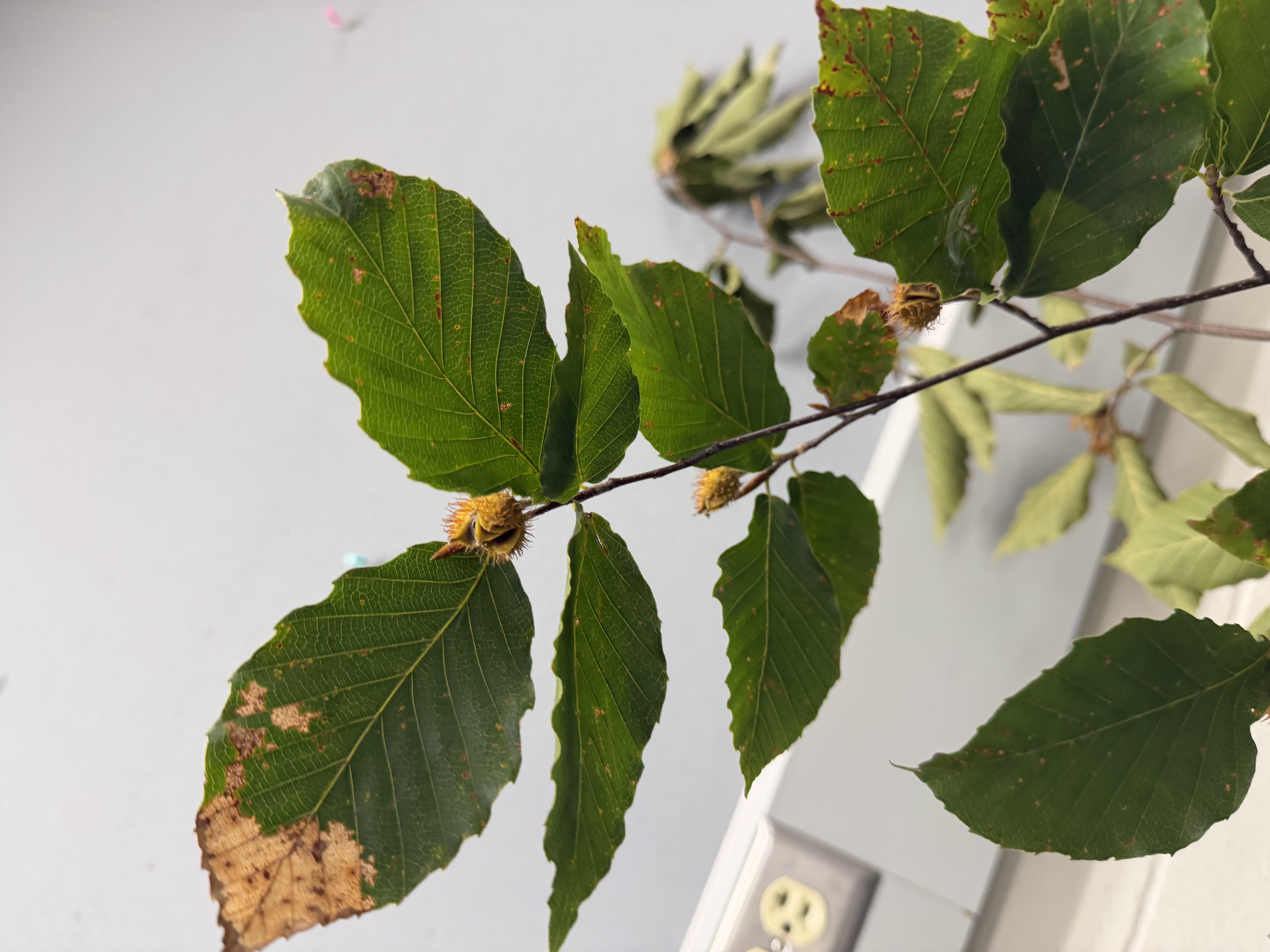
Leaf – Alternate, simple, 2½ to 6” long, elliptical to oblong, acuminate apex, serrate with incurved teeth, retains on young trees in dormant season; Bud – Long pointed, ¾ to 1” long, imbricate, pseudoterminal bud. Fruit – Nut in a husk with weak spines; Habit – Wide spreading crown, 70 to 80’ tall
American beech

Leaf – Opposite, pinnately compound, 5 to 9 leaf; Buds – Rusty to dark brown to almost black, inset in leaf scar.
White ash

Leaf – Opposite, pinnately compound, 3 to 7 leaflets, variable shape, lobed leaflets; Buds – ¼” long, scales covered silky hairs. Fruit – A dioecious tree, female trees with a V-shaped double samara; Habit – 30 to 50’ (up to 70’) and often multi-stemmed or branching nearground
Boxelder
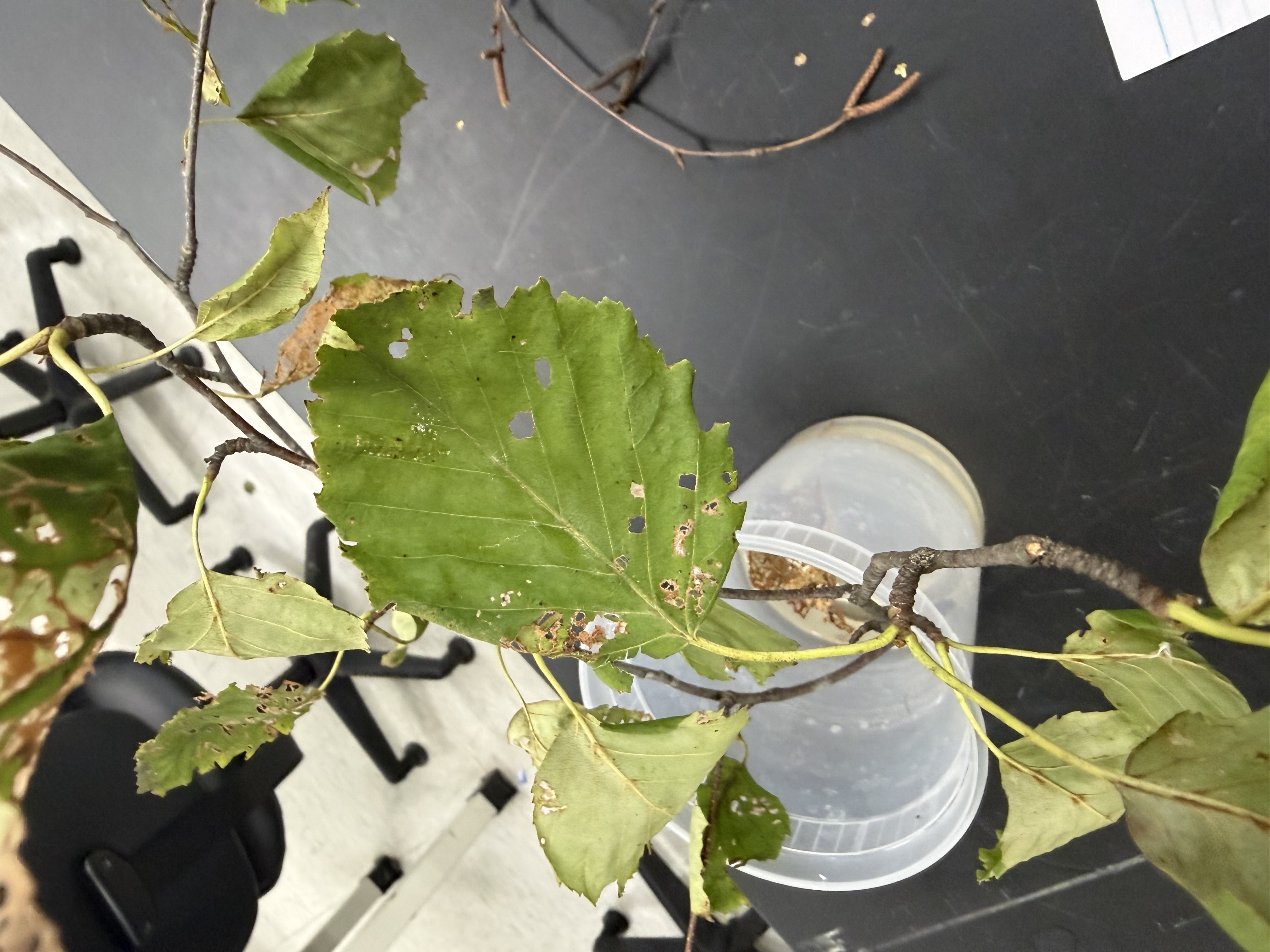
Alternate, simple, ovate to narrow-ovate, doubly serrated, acuminate, wedge-shaped or rounded at base; Buds – Imbricate, ¼ to ½” long, pointed, divergent
White birch
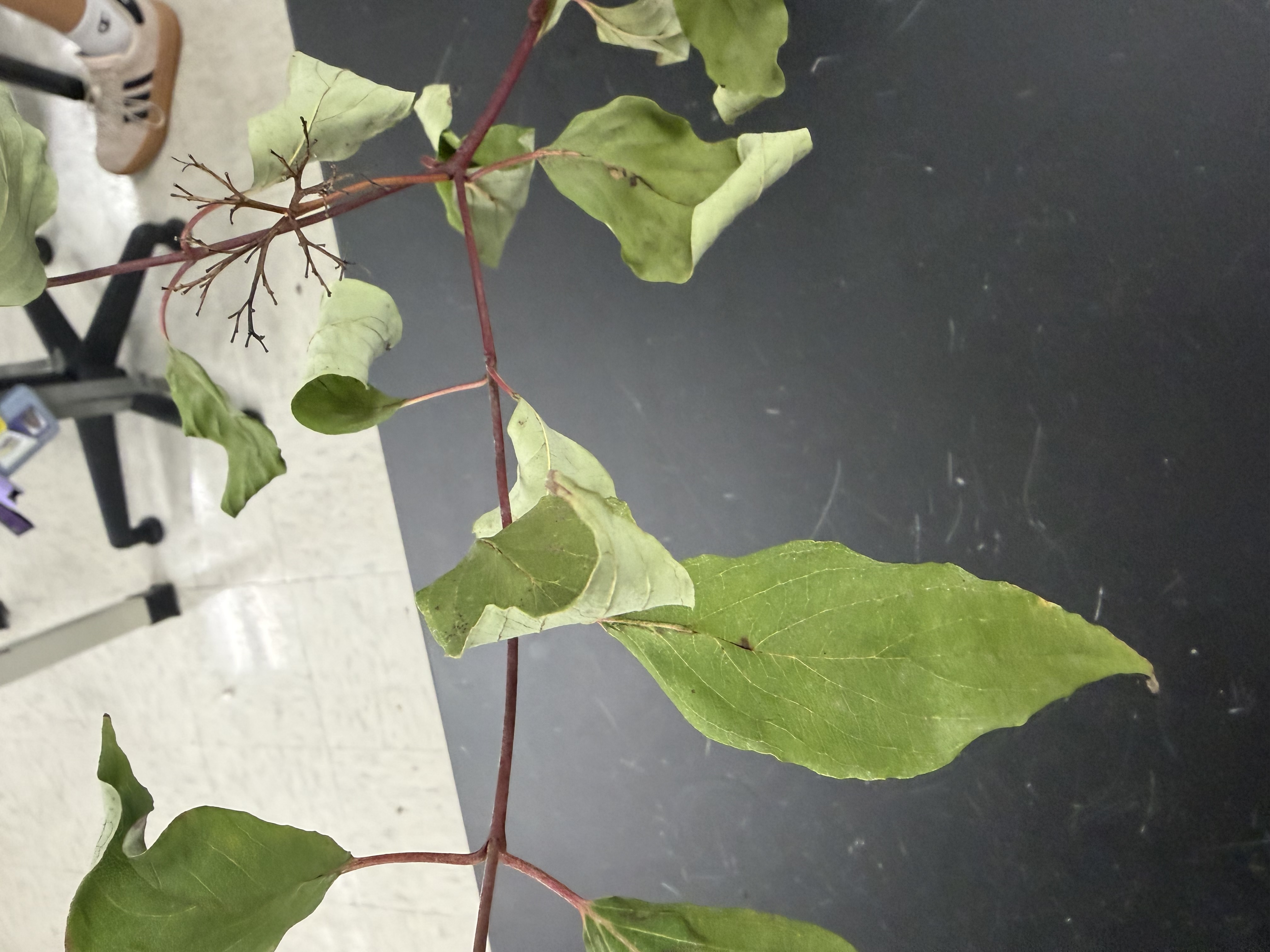
Opposite, Arcuately veined leaf, entire simple
leaf, multi-stemmed, not restricted found on dry sites
Silky dogwood

alternate, simple, entire with wavy margins, elliptic to oblong-obovate, dark green on top, silvery and shiny beneath; Fruit – small, fleshy, egg-shaped, pink-red with silver scales, bird-dispersed
Autumn-olive

Alternate, simple, round lobes, entire, deeply lobed with5 to 9 pairs of oblong lobes
White oak

Alternate, simple, sharp pointed bristles at end of lobes, 5 to 7 lobed, deeply lobed
Northern pin oak

2 needles per fascicle, small needles 0.75 to 2”, divergent; Cones – serotinous, mostly unarmed
Jack pine

acicular, 2 needles per fascicle, 4 to6” long, brittle and break clean, persist 4-5 years; Cones – Sub-sessile, 1½ to 2½” long, pendent, ovoid-conic, umbo dorsal unarmed
Red pine

Alternate, simple, subopposite branching, crenate-serrulate leaf margin
Common buckthorn

Alternate, simple, underside with orangish pubescence (sun leaves), oblong lanceolate, glands on petiole, finely toothed
Black cherry

Alternate, simple, flattened petiole, coarsely dentate leaf margin, 3 to 4” wide, nice yellow fall color
Bigtooth aspen

Alternate, simple, flattened petiole, 1½ to 3” long, finely crenate/serrate leaf margin, ovate to orbicular form
Trembling aspen

Alternate, simple, rhombic-ovate at apex, base wedge- shaped, sharp pointed, doubly serrated, glaucous beneath
River birch

alternate, often in clusters, simple, entire, obovate to oblong, small, narrow base, autumn color scarlet
Japanese barberry
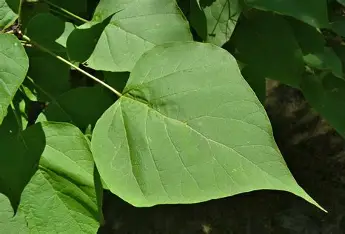
Whorled (typically in 3’s), simple, 6 to 12” long, truncate to cordate leaf base, entire margin, densely pubescent beneath
Northern catalpa

Yellow-green, fan-like 1/16-1/8” long, scale-like and flattened
Northern white-cedar

Alternate, pinnately compound, 7 to 11 leaflets, lanceolate and serrate leaflets, slender and pubescent rachis
Bitternut hickory

Opposite, pinnately compound, 7 to 13 leaflets, sessile leaflets
Black ash

Opposite, pinnately compound, 5 to 9 leaflets
Green ash

4-sided needle, ½ to 1” long, tip blunt, on sterigmata
Norway spruce

Alternate, simple, entire, lustrous green above
Glossy buckthorn
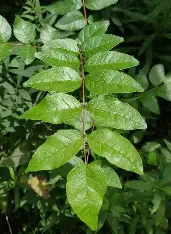
pinnately compound, 5 to 11 leaflets, egg-shaped to lance-elliptic; Leaflets, small prickle underside of leaf, citrus lemony smell
Prickly-ash

Alternate, simple, broad and deeply heart-shaped at the base, often 3-lobed; edges toothed
Wild grape

Leaf – alternate, simple, deciduous, margin sharply toothed, elliptic to egg-shaped (variable), dark green above, paler generally hairy below, 2 to 3 inches long
Winterberry

Leaf -- opposite, simple, entire, ovate (can vary depending on species and cultivar)
Honeysuckle

Leaf – Alternate, pinnately compound, entire leaflet, 6 to 14” long, 7 to 19 leaflets
Black locust

Leaf – Alternate, simple, round lobes, 6 to 10 pairs of coarse teeth, sometimes lobed halfway to midrib, velvety beneath
Swamp white oak

Leaf – Alternate, simple, 7 to 11 lobes, pointed bristles at end of lobes
Northern red oak

Leaf – Alternate, pinnately compound leaf, 11 to 17 nearly sessile leaflets, pubescent rachis, terminal leaflet usually present, margin serrate
Butternut

Leaf – Acicular, in 2’s, twisted, 1 to 3” long, persistent
Scotch pine

Leaf – Alternate, simple, variable among species
Hawthorn

Leaf – Alternate, simple, broad elliptic to obovate, 1½ to 5” long by 2/3rds as wide, acuminate tip, finely serrated, glabrous except for auxiliary tufts of hair, glandular at leaf base, dark green becoming purplish in cultivars like ‘Canada Red’
Choke cherry

Leaf – Alternate, simple, 3 to 6” by 1 to 3” wide, sharply doubly serrated leaf, unequal at base
American elm

Leaf – Alternate, simple, doubly serrated leaves
American hazelnut

Leaf – Alternate, simple, ovate to ovate-oblong, doubly serrated, acuminate, rounded or heart-shaped at base
Ironwood

Leaf: Alternate, simple, oblong-lanceolate, long- pointed; coarsely toothed, teeth ascending or incurved, a vein extending beyond each tooth forming a short, curved bristle
American chestnut

Alternate, simple, coarsely crenate- dentate, basically wavy, obovate to elliptical
Common witchhazel

Leaf – Alternate, pinnately compound leaf, 9 to 23 nearly sessile leaflets, pubescent rachis, aromatic foliage, terminal leaflet often lacking, margin finely serrate
Black walnut

Leaf – Lance-shaped leaf, shiny, glands on petiole
Pin cherry