Architecture Interim Exam
 Call Kai
 Learn
 Practice Test
 Spaced Repetition
 Match
 Flashcards
 Knowt Play
1/43

There's no tags or description
Looks like no tags are added yet.
44 Terms
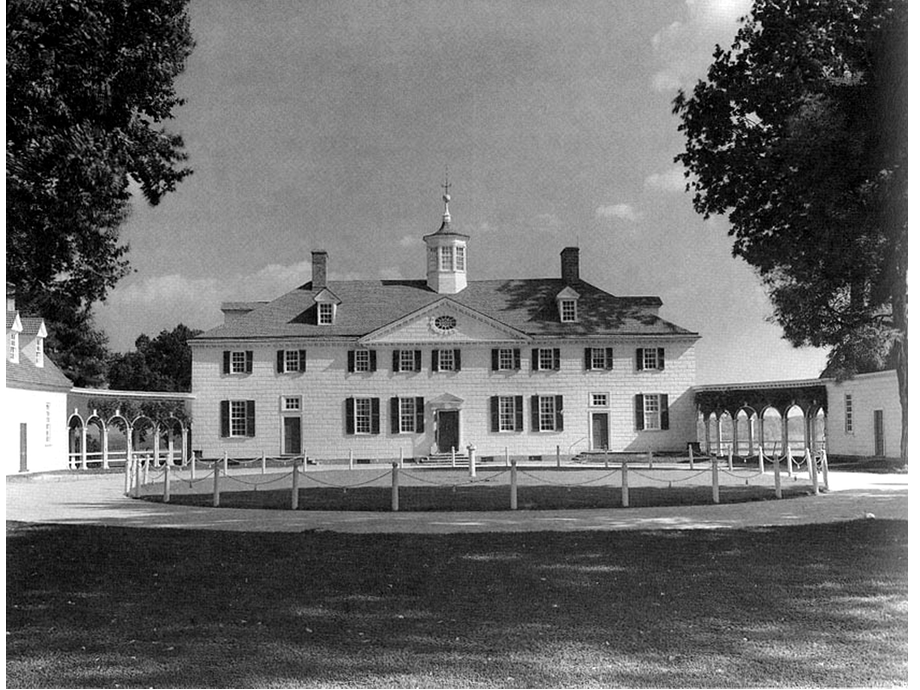
Mount Vernon
Style: classical
Material: brick, light wood
Used materials of the New World because they were available, home of George Washington
Monticello & UVA
Style: classical
Material: brick, light wood
Thomas Jefferson, columnar

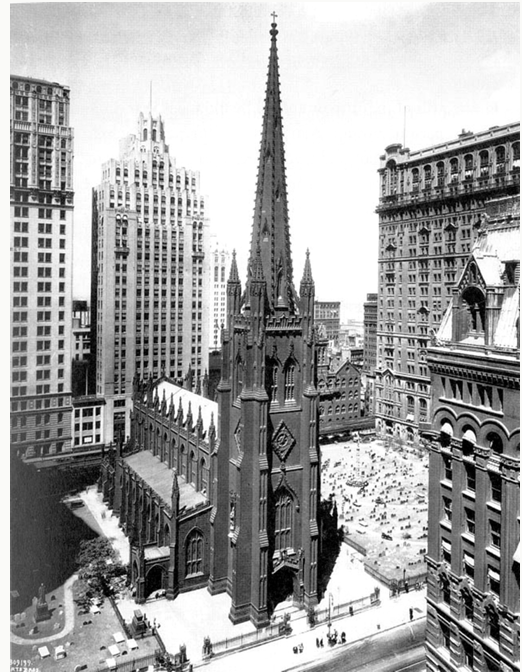
Trinity Church Boston
Henry Richardson
Ornate, gothic-esque, punched openings
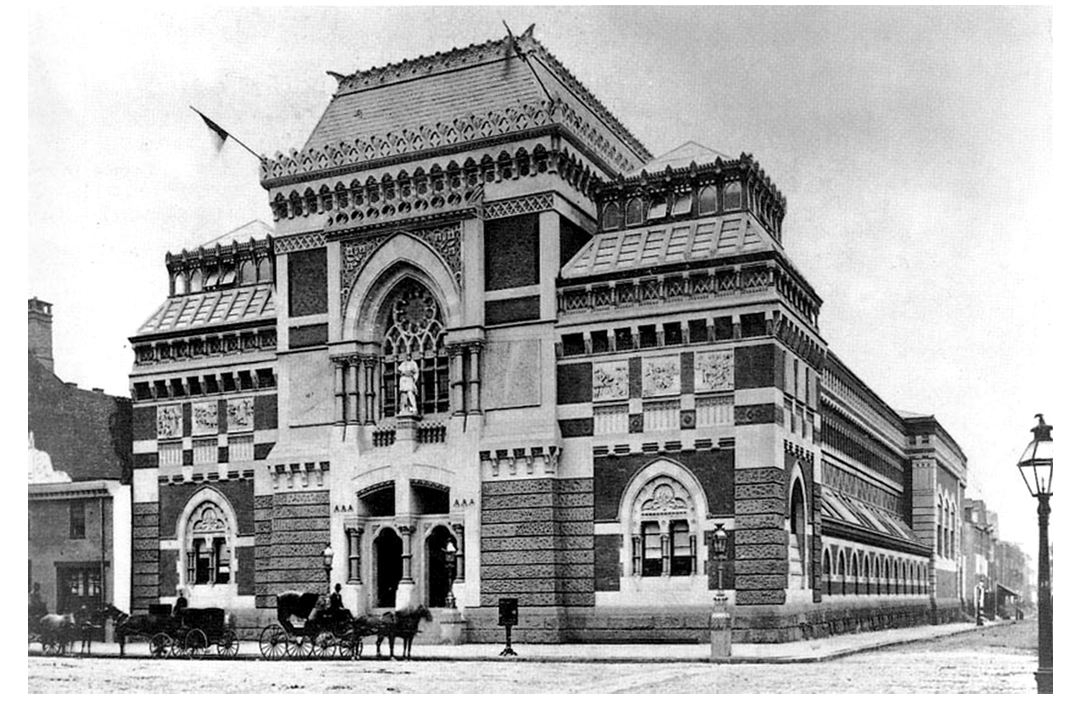
Pennsylvania Academy of Fine Arts
Frank Furness
Combination of gothic, eastern, slavic, and classical western european styles in kind of a mishmash
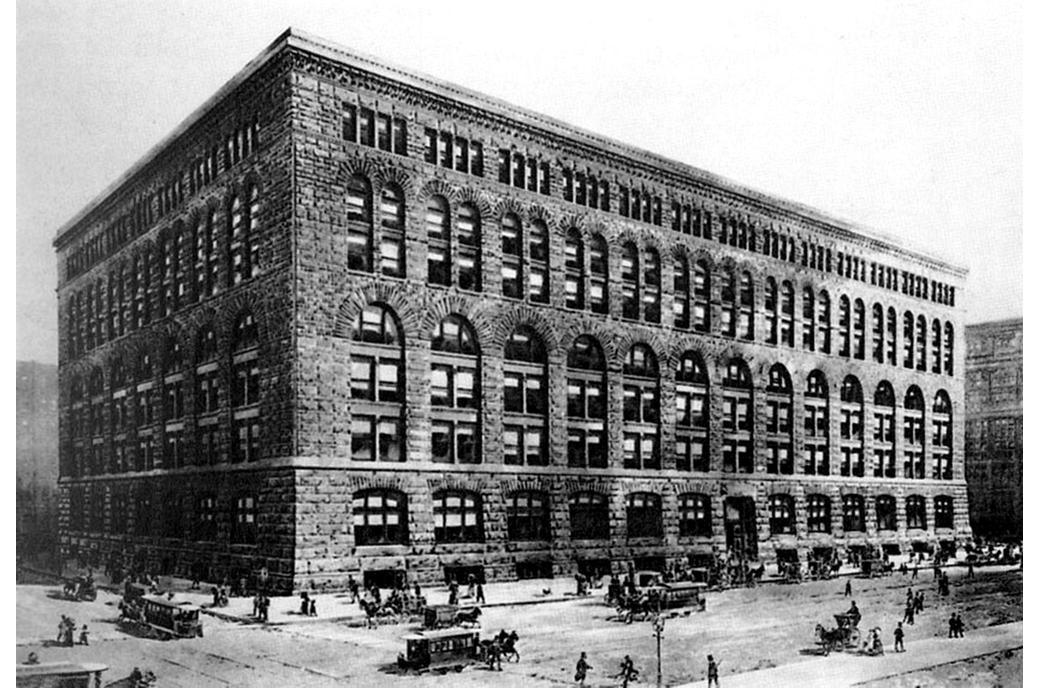
Marshall Field Wholesale Store
Bottom - middle - top
Structural masonry
Punched openings
Imitating classical style in ornamentation but not shape
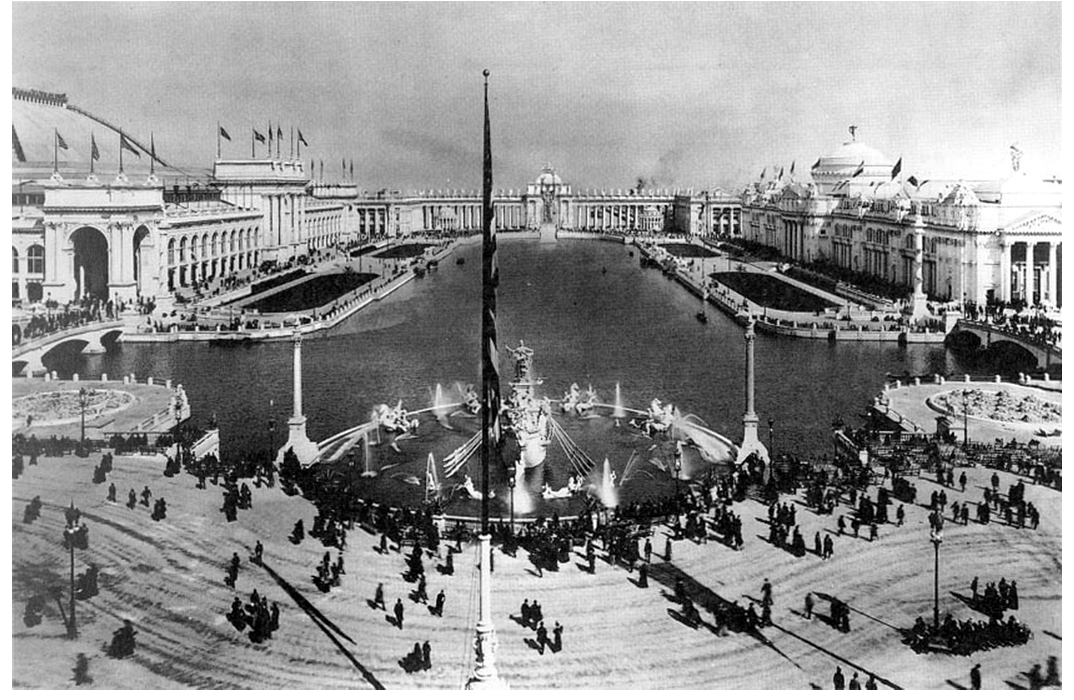
World’s Columbian Exposition
Chicago post-fire
Decision point between tradition and innovation, and tradition was chosen
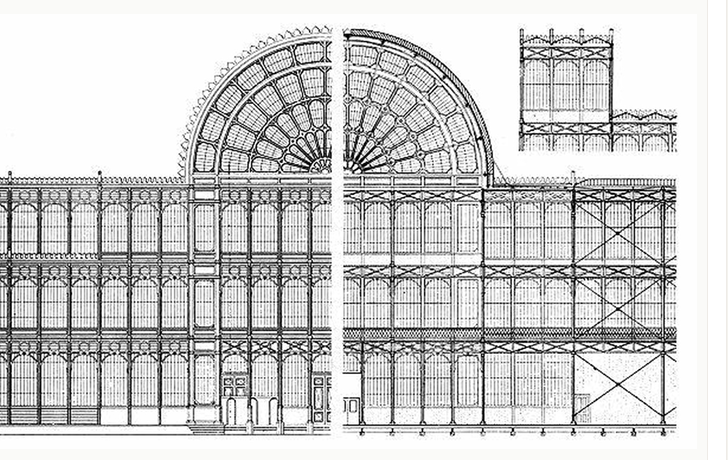
Crystal Palace
Joseph Paxton
Brooklyn Bridge
John Roebling, suspension bridge

Eiffel Tower
Gustave Eiffel
Experimental in terms of materials and form

Monadnock Building
Chicago, Burnham and Root
Bottom, middle, and top
Less ornamentation than Marshall Field store
Load bearing masonry (six feet thick)

Reliance Building
Chicago
Innovation in earthquake design for skyscrapers
Bottom, middle, and top
Innovation in steel skeleton/ non-load-bearing exterior wall

Chrysler Building
New York, William van Alen
Divorce of skeleton and skin
Tapered shape

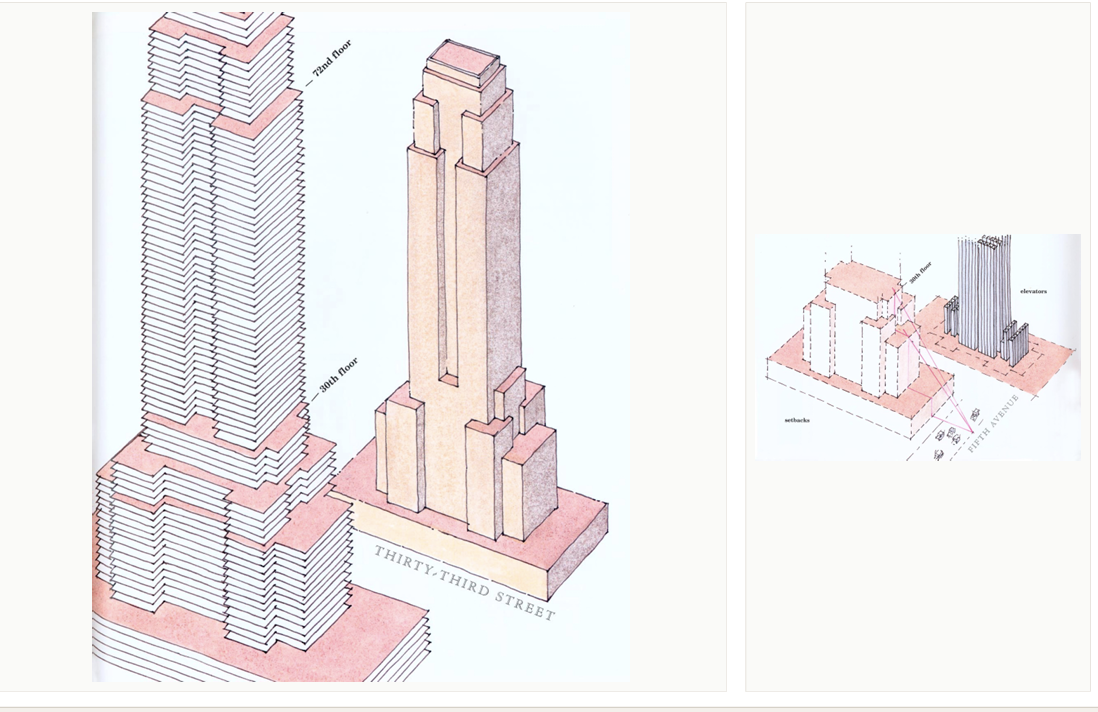
Empire State Building
New York
Tapered shape
Mies van der Rohe
Farnsworth House, Seagram Building (glass curtain wall skyscraper that preserves top middle bottom somewhat)
Raleigh Arena
Severud & Corbelletti, hyperbolic sine steel cables support roof and open span

Fallingwater
Frank Lloyd Wright, cantilever
Johnson Wax Building
Frank Lloyd Wright, mushroom column canopy

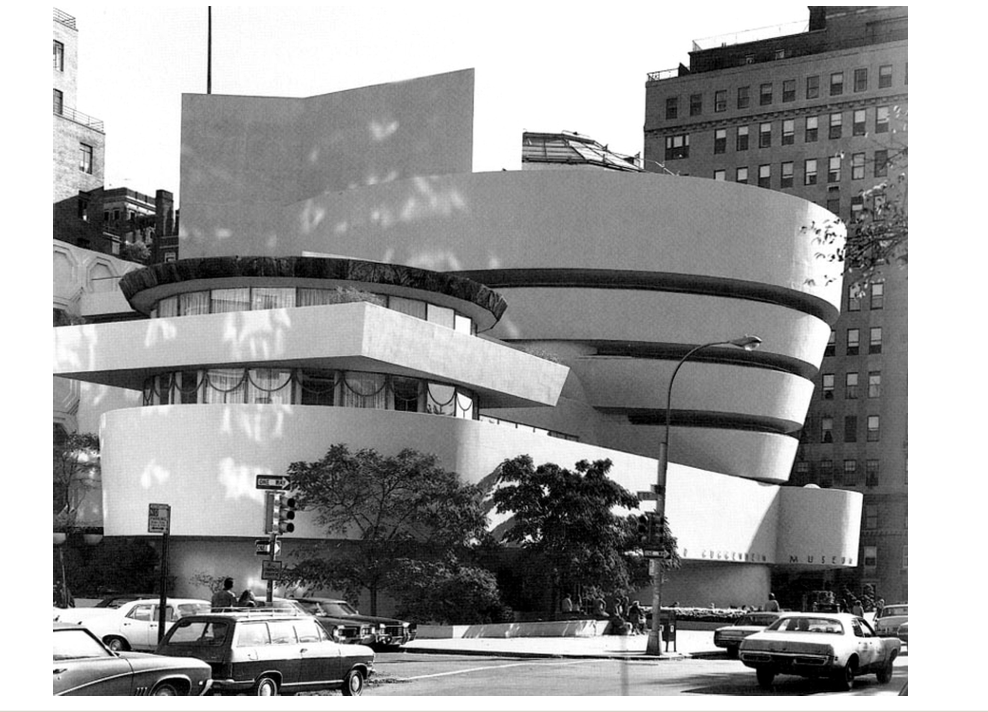
Guggenheim Museum
Frank Lloyd Wright, reverse of load bearing walls being thicker at the bottom, concrete with cracks/penetrations in it
Sydney Opera House
Jorn Utzon, precast concrete → repeated shapes used in new ways
Dulles Airport TWA Terminal

Yale Art Gallery
Louis Kahn

Salk Institute
Louis Kahn

Exeter Library
Louis Kahn

Kimbell Art Museum
Louis Kahn, Darwin precedent, curved cast in place diffuses light

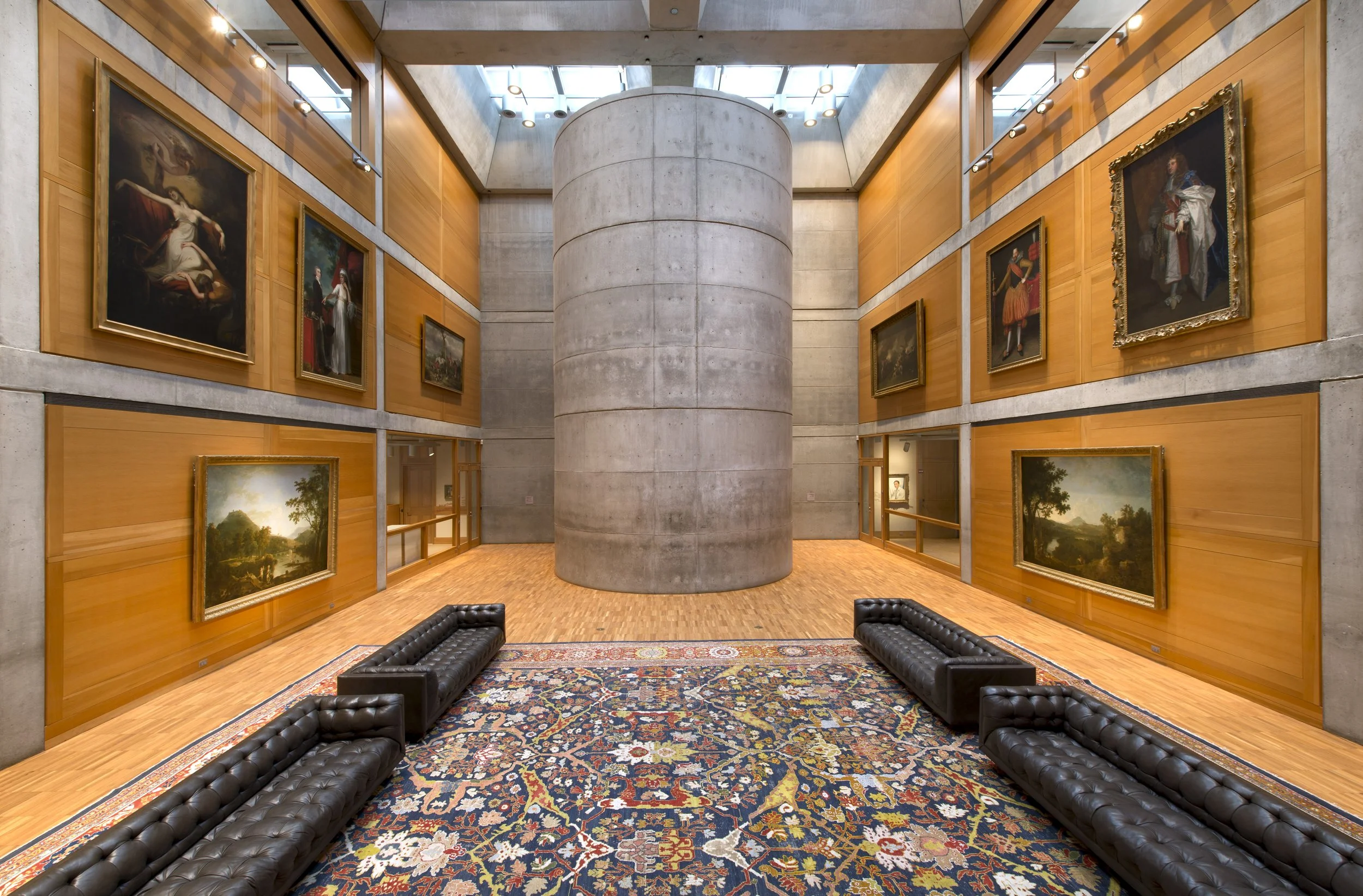
Yale Center for British Art
Louis Kahn
Piazza D’Italia
Charles Moore, New Orleans, post modernist

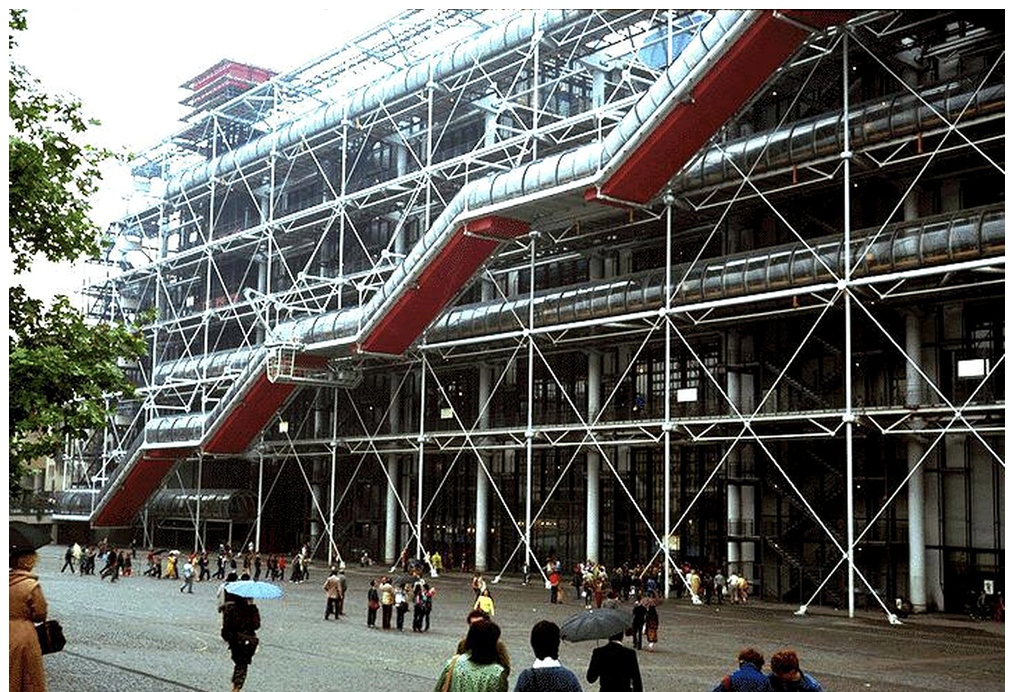
Centre Pompidou
Rogers and Piano, Paris
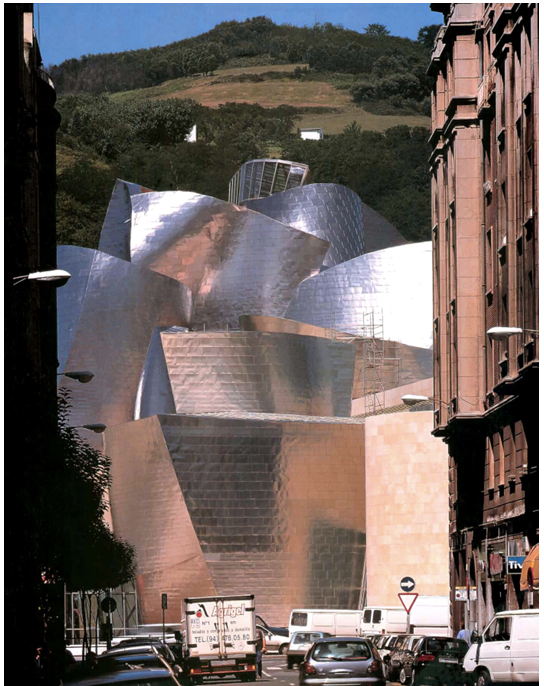
Guggenheim Museum Bilbao
Frank Gehry, Spain
Eames House
Charles and Ray Eames

MIT Chapel
Eero Saarinen, very careful hierarchy produced an unaffiliated space

Habitat 67
Moshe Safdie, precast for repeated boxes, everyone deserves their own light and nature

Jewish Museum Berlin
Daniel Libeskind, deconstructed Star of David, scarred exterior. continuity, exile, and holocaust

Congresso Nacional de Brasilia
Oscar Niemeyer

Plan Cerda
Ildefons Cerda, Barcelona. extended the city using rectangular building blocks designed for airflow, light, and walkability

Royal Saltworks at Arc-de-Senans
Claude-Nicolas Ledoux, organized around office oculus, half completed

World of Volvo
Henning Larsen, fundamental right to experience the outdoors

GC Prostho Museum
Kengo Kuma, cidori (toy)

Chapel of St. Ignatius
Tilt-up walls, seven bottles of light

Lasceaux IV
Snohetta, cave recreation in France. sandblasted walls, canyons, cast in place

Dominus Winery
Stone masonry penetrable, separation of servant and served spaces

Therme Vals
Large scale stone masonry

Gando Primary School
Francis Kere, clay masonry, start with load-bearing masonry and corrugated metal roofs that already exist and build in the airflow

Emerson College
Thom Mayne, stage, effectively opaque but zoom in and its broken and reflective skin, steel and glass

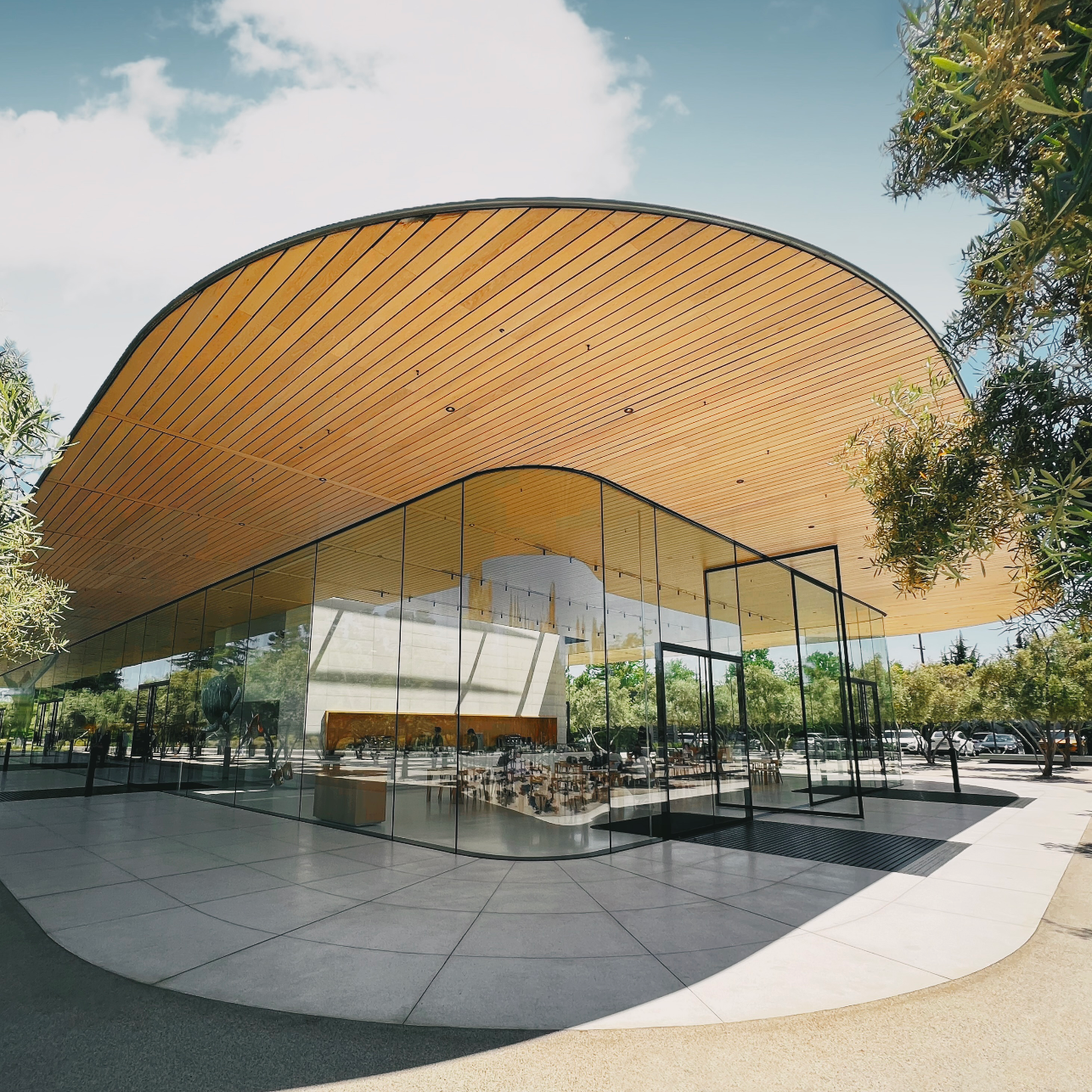
Apple Park Visitor Center
Farnsworth-style openness and floating idea, warm wood