week 7 notes ANIMALS
 Call Kai
 Learn
Learn Practice Test
 Spaced Repetition
 Match
Match Flashcards
 Knowt Play
1/27

Earn XP
Description and Tags
animal identification. words have been replaced with "dookie". also, go by common name, and make it as simple as you can. like categories pretty much
Name | Mastery | Learn | Test | Matching | Spaced | Call with Kai | Chat |
|---|
No analytics yet
Send a link to your students to track their progress
28 Terms

can be individual or in clumps, depending on moisture level in diet
size similar to chocolate covered raisins
deer

similar in size to long grain rice
chipmunk

similar in size to tic tacs
squirrel

similar in size to skittles
initial is darker + wetter, when re-digested will be dry and look like it contains fibrous material
cottontail

tubular and twisted
likely to be more plant based (berries)
gray fox
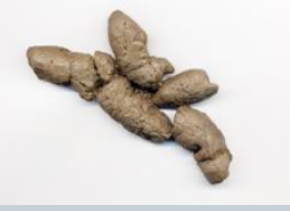
tubular, tapered, twisted
often full of bones/hair
often on trails/trail crossings
multiple scat deposits are common
“done with a good view”
coyote
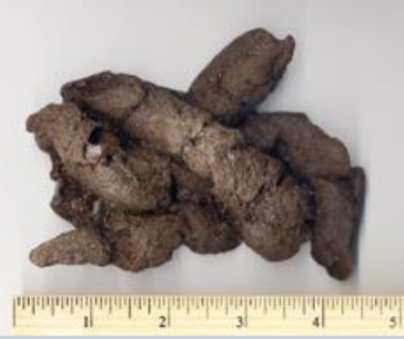
large
tubular, twisted, tapered on one or both ends
often found on trails and trail crossings
wolf

very large
multiple tubes dropped
fruit diet = seed filled deposit, lightly packed or loose
black bear

segmented
often found middle of trail/trail intersection
rarely find bones and hair (great digestion)
may be accompanied by ground scraping
bobcat

segmented, tubular, dense
tapered on one end
smooth surface
strong odor
hair and bones present
may be accompanied by ground scraping
covered with debris
cougar

segmented, tubular
found at base of trees and on trails
fruit diet = the scat becomes a seed filled deposit, either lightly packed or loose
known to carry parasitic roundworms
raccoon
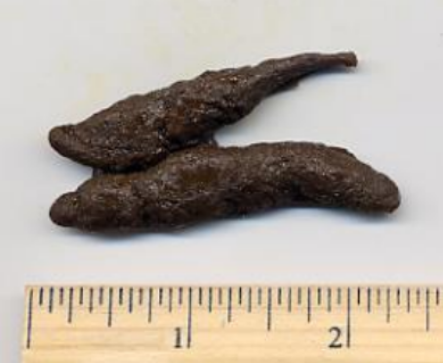
small
tubular
skunky scent
midst of trail
may be made up of insect parts, contain seeds, or be smooth
skunk
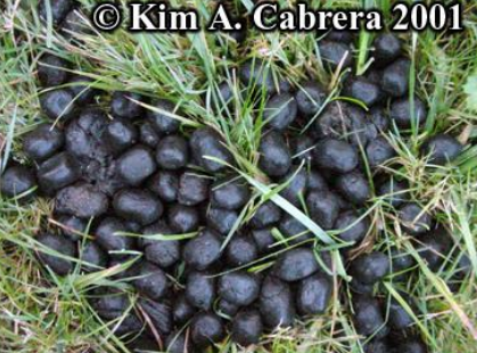
ungulates, rabbits, squirrels, chipmunks, porcupines, beaver dookie shape
pellets

5 toes
huge
claws present
black bear

4 toes
X test possible (canidae)
toes 2 and 3 basically on top of 1 and 4
claws point relatively inward and can be sharper
space between toes 2 and 3 and the metacarpal pad
coyote

4 toes
difficult to do x test, but still possible (canidae)
toes 2 and 3 sit low and close to the metacarpal pad
toes 1 and 4 point outwards
almost more “splayed” than their potential counterparts
domestic dog

4 toes
x test possible (canidae)
claws visible
size matters (will be small)
gray fox

4 toes
x test impossible (feline)
for the most part, claw prints lacking (feline)
metacarpal pad MIGHT have 2 lobes on the front of the heel (feline)
claw prints will only visible if they are using them for grip
size matters. this one will be smaller than the other option
bobcat
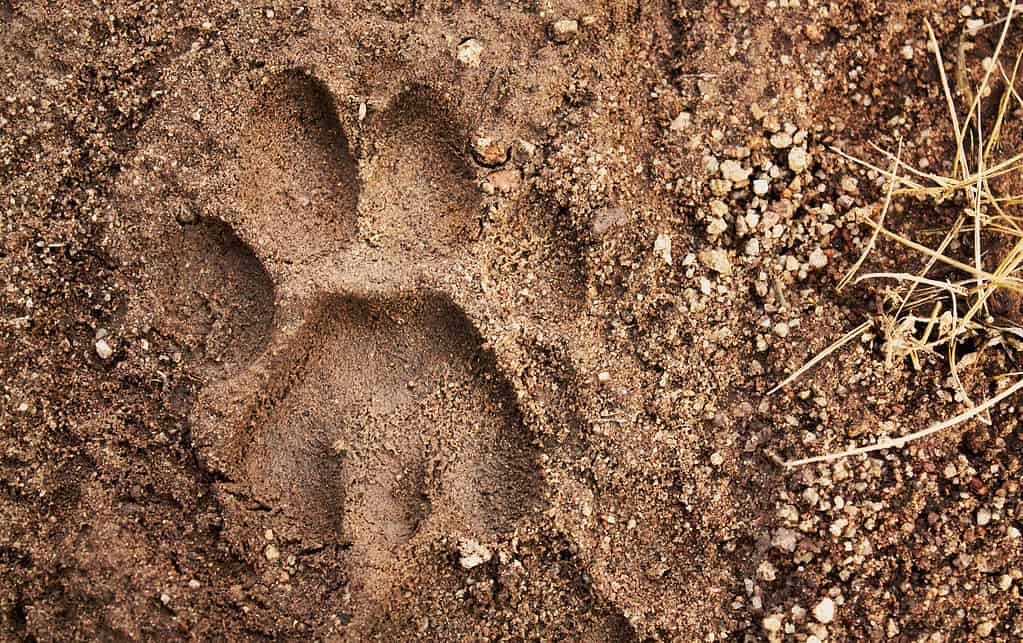
4 toes
toes asymmetrical, leading toe slightly forward (uneven)
for the most part, claw prints lacking (feline)
metacarpal pad MIGHT have 2 lobes on the front of the heel (feline)
claw prints only visible if using them for grip
size matters. this one will be bigger than the other option
mountain lion

5 toes
claws visible
fore and hind paws will look different from eachother
mini hands the loooong way
raccoon

5 toes
claws visible
fore and hind paws will look different from eachother
mini hands the weiiiird way (like if you were trying to tell L and R with your hands. it’s the same kind of shape)
opossum

cloven hoof, two main toes
wider at the rear
dewclaws may show behind the main toes as little dots
“heart shaped”, allegedly
deer

“coffee bean shaped”, allegedly
dewclaws present and point outwards
rounder, allegedly
wild boar

5 toes on HIND feet with multiple distinct palm pads
4 toes on FRONT feet
claws present
we will probably see them as pock marks
squirrel

forepaws are tiny
rear paws are huge and long
you might see the tail’s drag
kangaroo rat
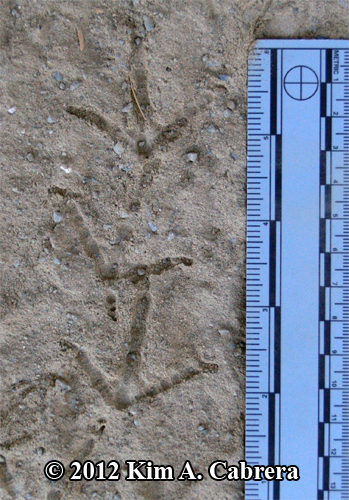
anisodactyl (3 toes in the front, one out the back)
i really dont know what else to say. thats the only bird track they listed
quail
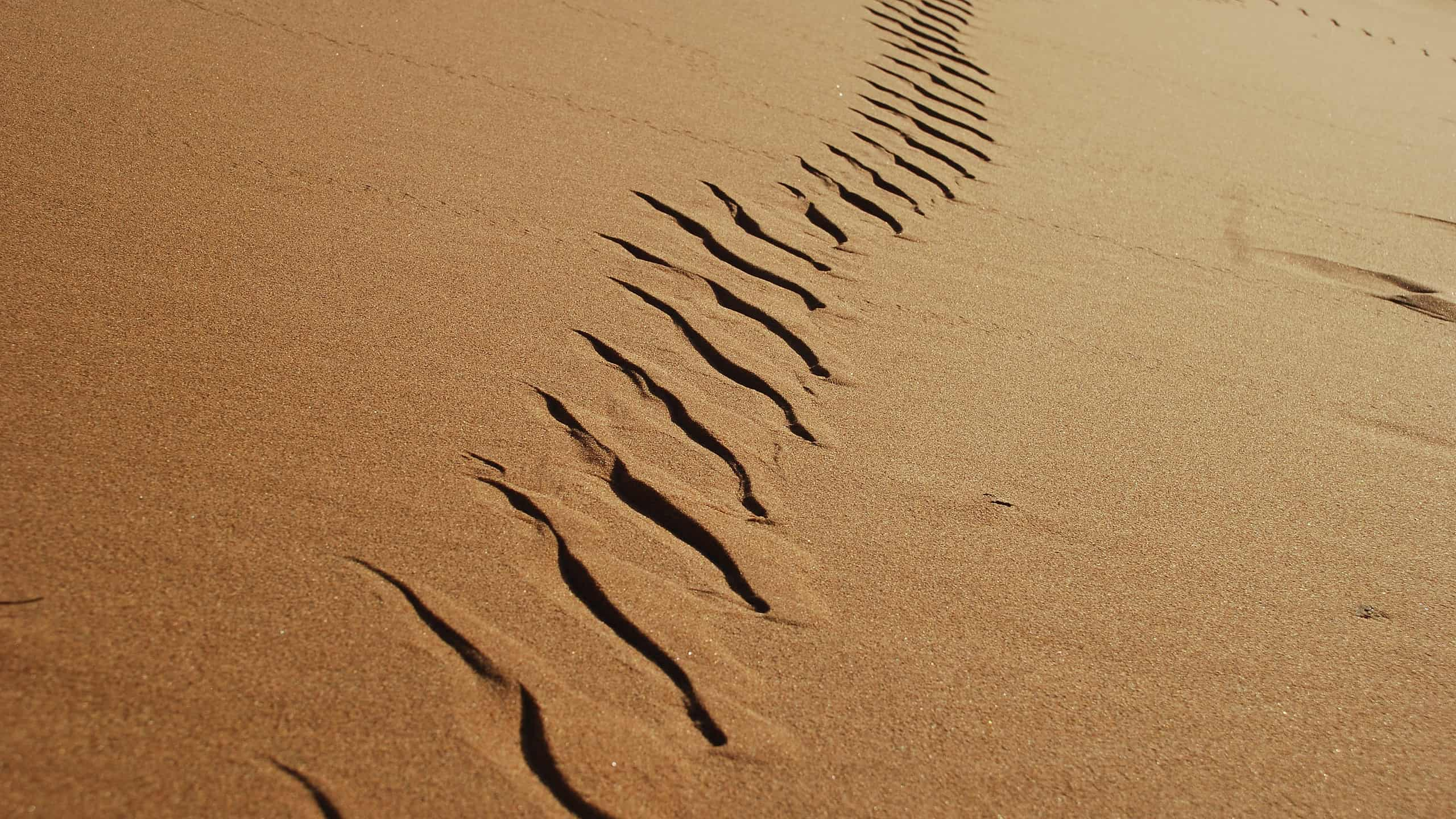
i dont know how to describe this. you tell me what you see
snake

toes present.. like, 5, maybe?
long
seemingly point outwards, idk
tail drag seems to be present pretty often
lizard