AP Calc BC Review
 Studied by 6 people
 Call Kai
 Learn
Learn Practice Test
 Spaced Repetition
 Match
Match Flashcards
 Knowt Play
1/35

There's no tags or description
Looks like no tags are added yet.
Name | Mastery | Learn | Test | Matching | Spaced | Call with Kai |
|---|
No analytics yet
Send a link to your students to track their progress
36 Terms
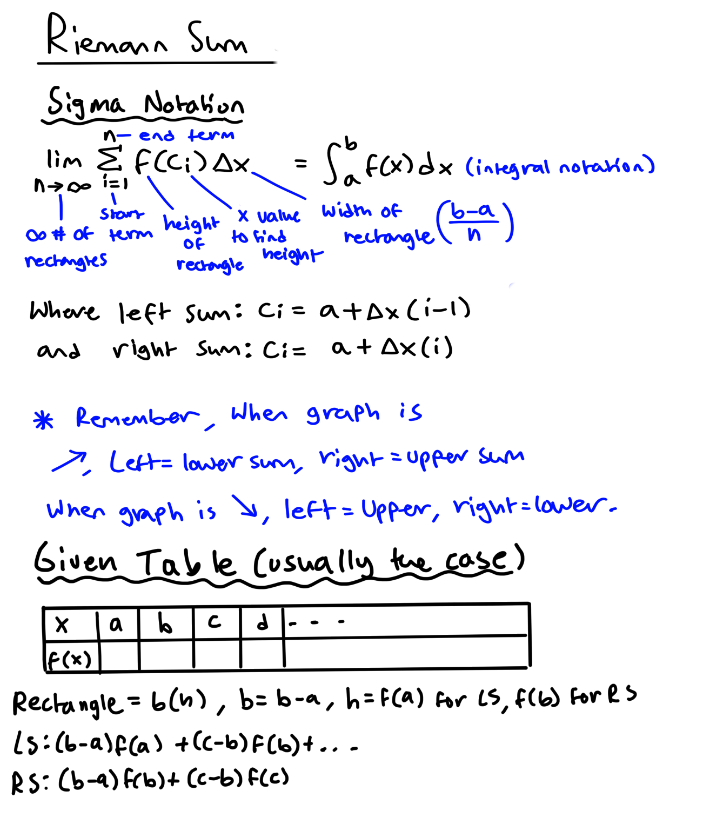
Riemann Sums
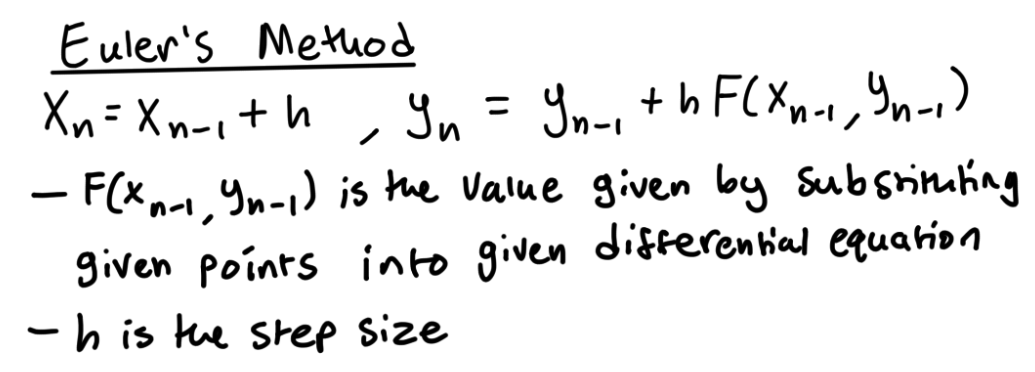
Euler’s Method
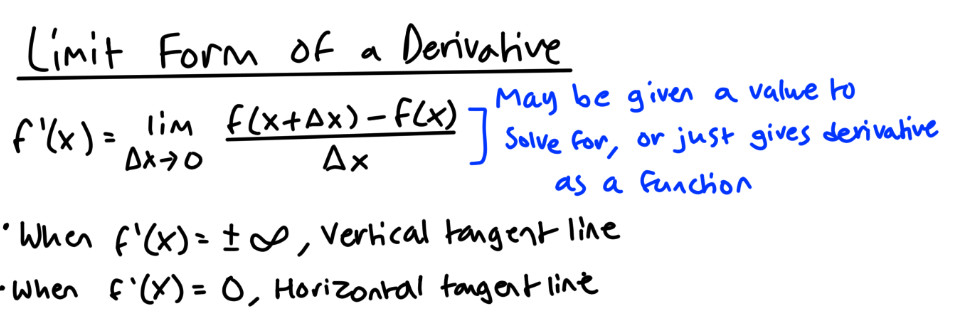
Limit Form of a Derivative (gives equation)
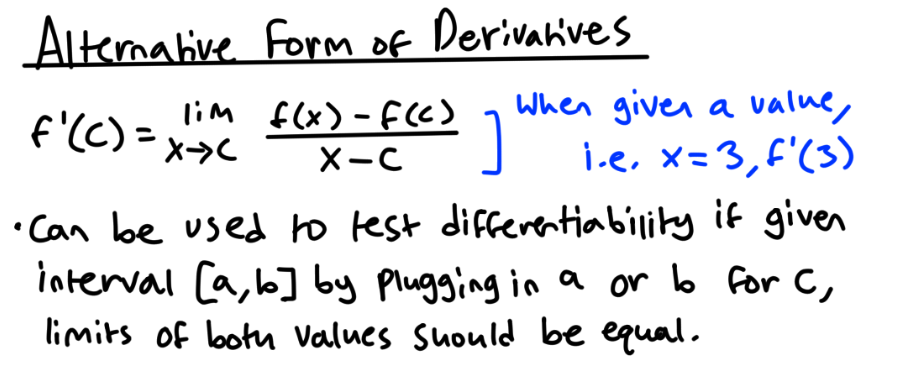
Limit Form of a Derivative at a specific value (gives specific value)
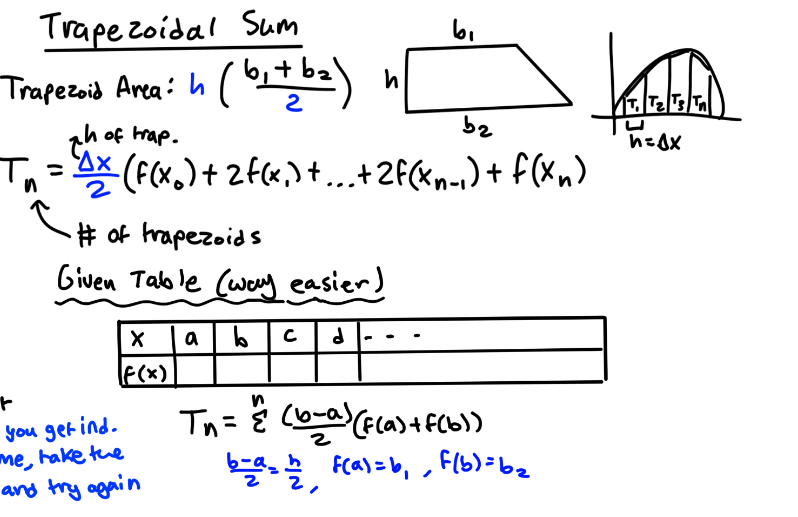
Trapezoidal Sum
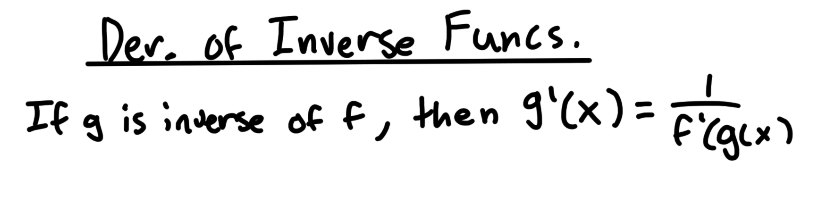
Derivatives of Inverse Functions
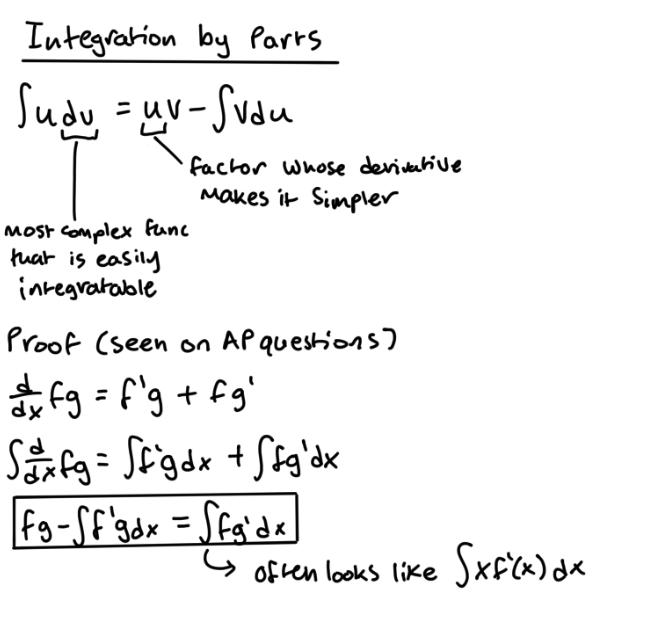
Integration by Parts
Antiderivative
Function whose derivative = given function (aka, the parent function)
Fundamental Theorem of Calculus

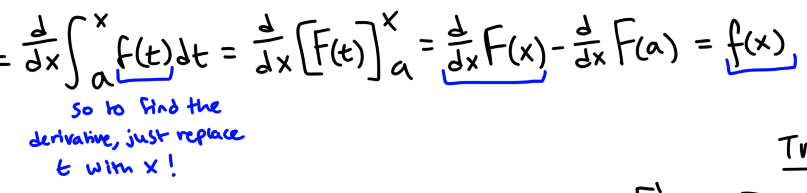
2nd Fundamental Theorem of Calculus
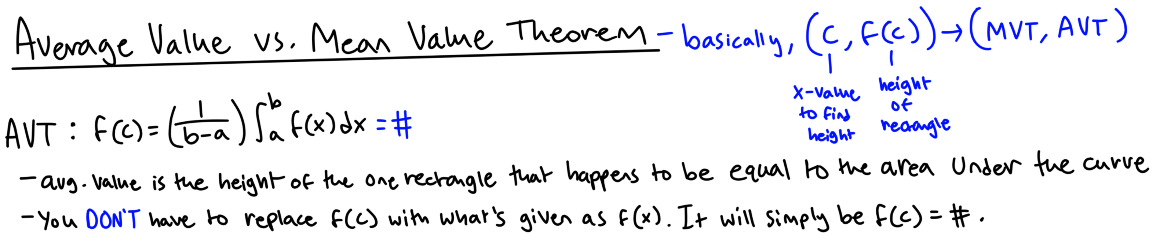
Average Value of a Function
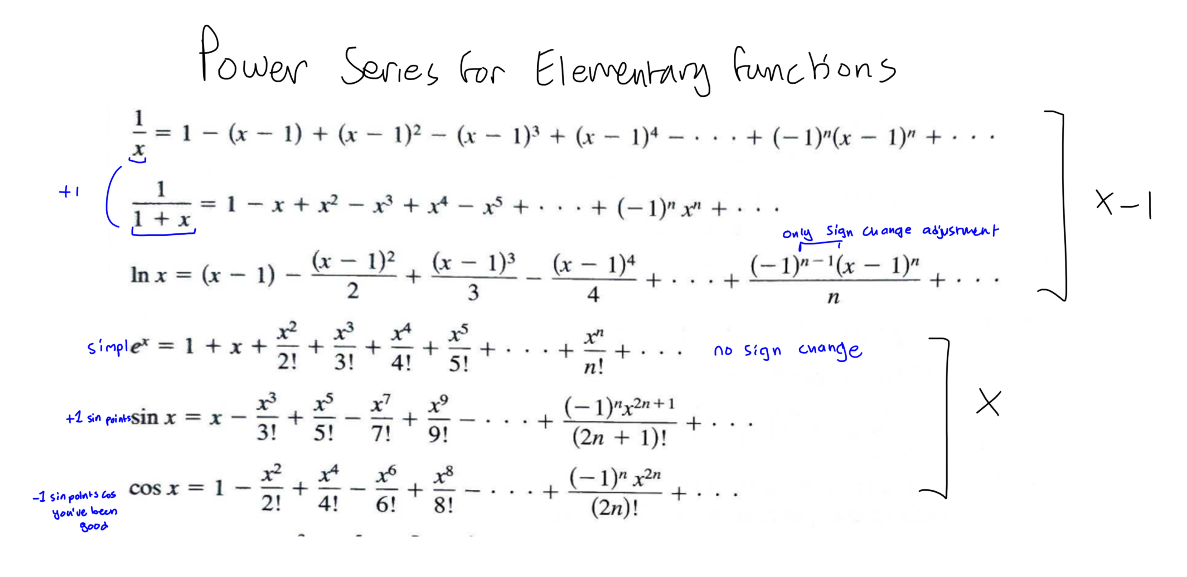
Power Series of Elementary Functions (6)
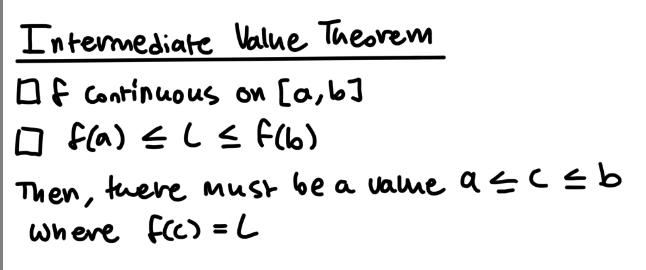
Intermediate Value Theorem
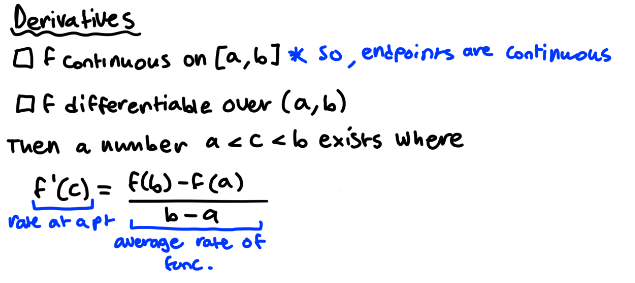
Mean Value Theorem (Derivatives)
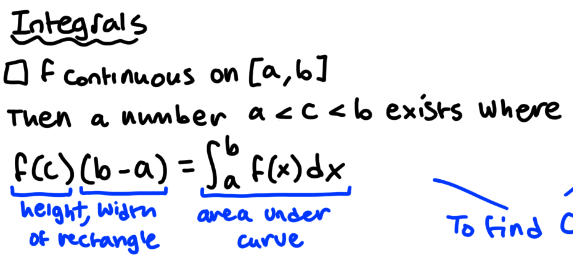
Mean Value Theorem (Integrals)
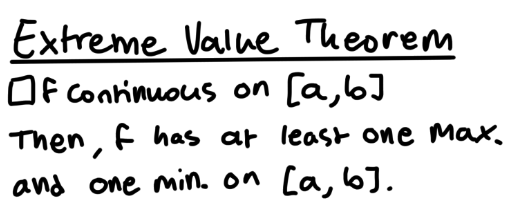
Extreme Value Theorem
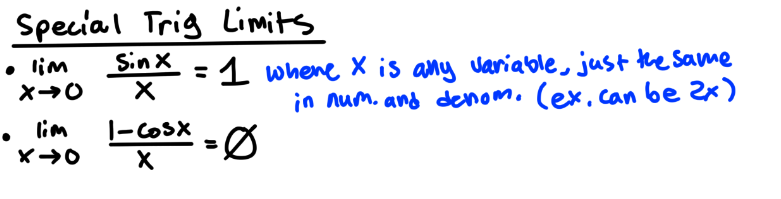
Special Trig Limits (2)
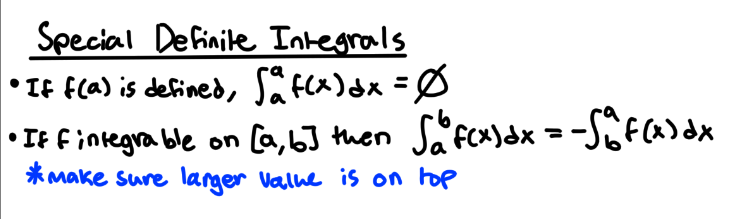
Special Definite Integrals (2)
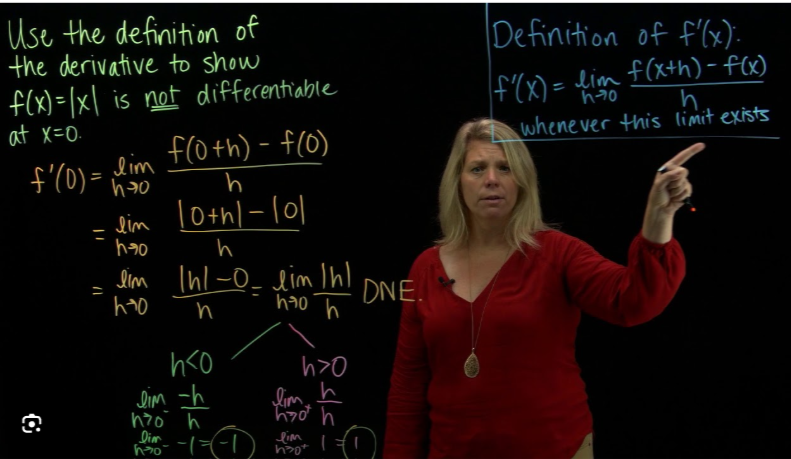
Why are Absolute Value Functions not differentiable? (explain using limits and the definition of a derivative)
Velocity Vector

Acceleration Vector

Speed
Magnitude of Velocity

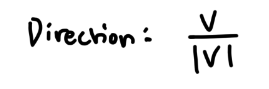
Direction
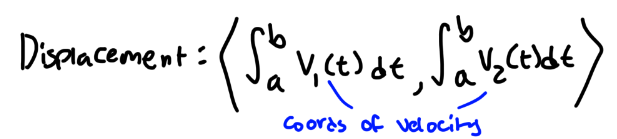
Displacement
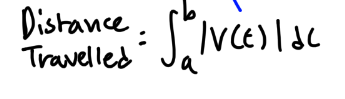
Distance Travelled
First Derivative Test
f(x) has relative max/min at x = c where f’(x) changes from ± → ∓ at x= c
Second Derivative Test
f(x) has a relative max/min at x = c where f’(x) = 0 and f’’(x) < or > 0
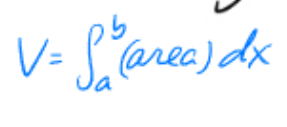
Volume of any solid
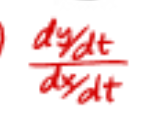
First derivative of a parametric curve given parametric equations x=f(t) and y=g(t)
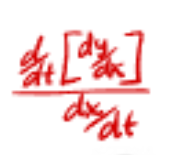
Second derivative of a parametric curve given parametric equations x=f(t) and y=g(t)
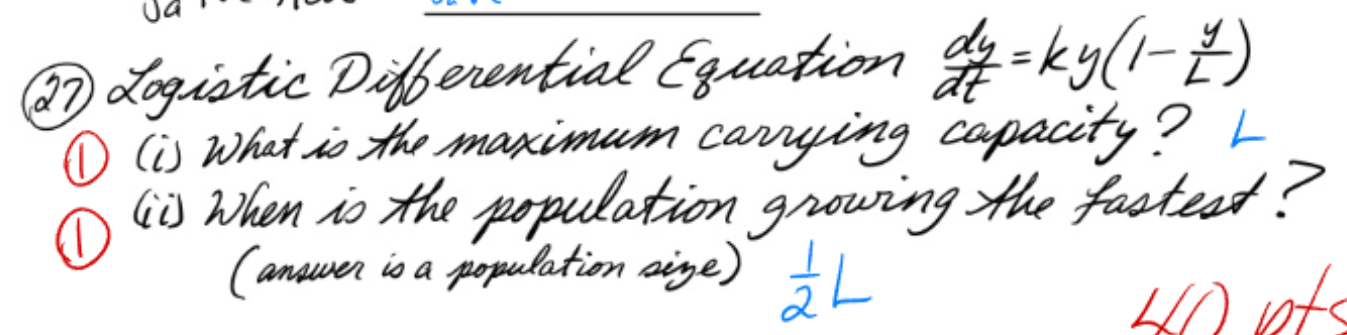
Logistic differential equation
Then, find maximum carrying capacity and where the population is growing fastest
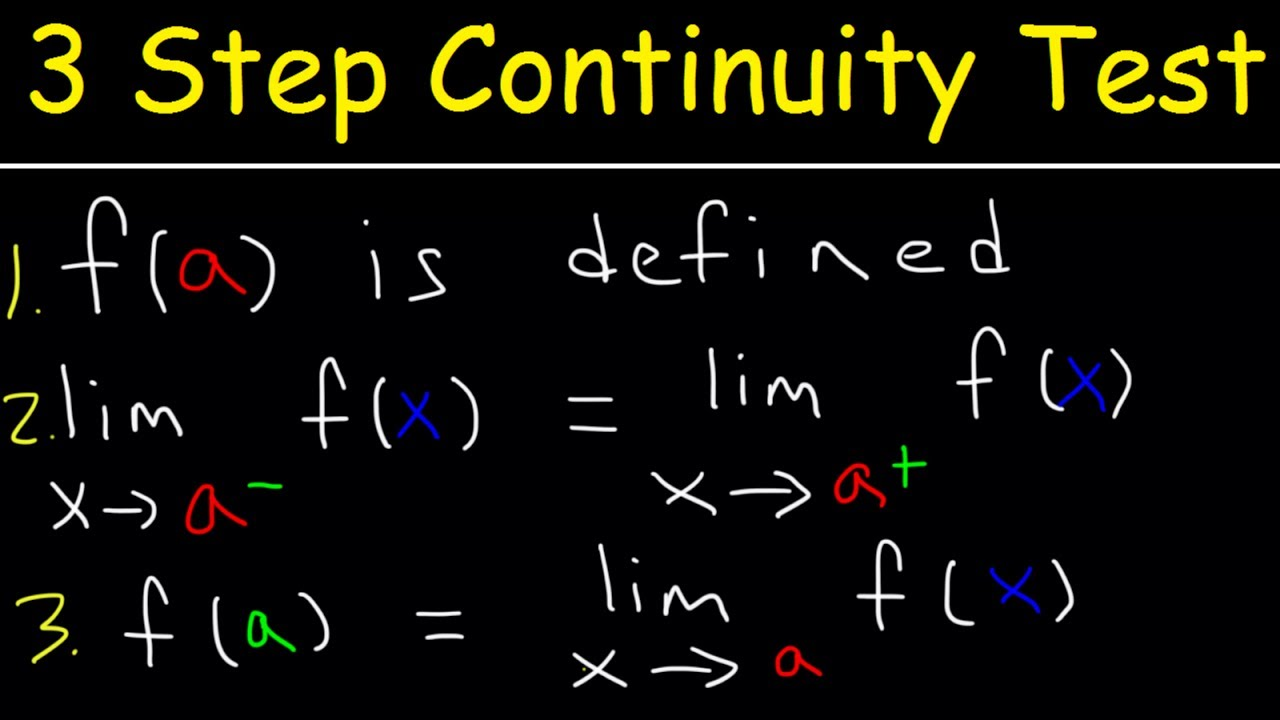
How to test for continuity at a point
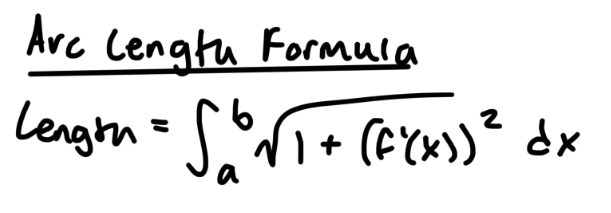
Arc Length
dy/dx of a polar curve
(dy/dθ)/(dx/dθ)
x in terms of r
rcosθ
y in terms of r
rsinθ
 Note
Note  Flashcards (57)