simple liquid dosage forms HW reading
 Call Kai
 Learn
 Practice Test
 Spaced Repetition
 Match
 Flashcards
 Knowt Play
1/25

There's no tags or description
Looks like no tags are added yet.
26 Terms
what is solution in physicochemical terms?
molecular dispersion of two or more substances (solid, liquid, gas)
what is solution in pharmaceutical terms?
liquid preparations that contain one or more substances dissolved in a suitable solvent or mixture of miscible solvents
what is solubility?
a measure of the maximum amount of a substance that will dissolve in a liquid (at a constant temperature)
what is a saturated solution?
a solution prepared at the maximum solute concentration at a given temperature
relative terms of solubility

percent weight in volume
% w/v
grams of constituent in 100 mL of preparation
(e.g., 1% w/v = 1 g constituent in 100 mL preparation)
percent volume in volume
% v/v
milliliters of constituent in 100 mL of preparation
(e.g., 1% v/v 1 mL constituent in 100 mL preparation)
percent weight in weight
% w/w
grams of constituent in 100 g of preparation
(e.g., 1% w/w = 1 g constituent in 100 g preparation)
ratio strength: weight in volume
—:— w/v
grams of constituent in stated milliliters of preparation
(e.g., 1:1000 w/v = 1 g constituent in 1000 mL preparation)
ratio strength: volume in volume
—:— v/v
milliliters of constituent in milliliters of preparation
(e.g., 1:1000 v/v = 1 mL constituent in 1000 mL preparation)
ratio strength: weight in weight
—:— w/w
grams of constituent in stated number of grams of preparation
(e.g., 1:1000 w/w = 1 g constituent in 1000 g preparation)
what is the proper administration of oral liquid dosage forms?
taken with water
measured by calibrated cups of spoons especially for potent medication
what are the solvents for pharmaceutical use?
purified water, USP
alcohol, USP
diluted alcohol, NF
rubbing alcohol
isopropyl rubbing alcohol
glycerin, USP
what is purified water, USP?
common tap water contains up to 0.1% (w/v) solids
tap water is ONLY used in cleaning, extracting, and some external use products
purified water, USP - solid content is less than 0.001% (w/v)
preparation: distillation, ion exchange, or reverse osmosis
used for aq dosage forms (except parenterals)
PARENTERALS
water for injection, USP (not sterile by pyrogen free)
sterile water for injection, USP
bacteriostatic water for injection, USP
what is alcohol, USP?
alcohol USP: 94.9 - 96% (v/v) ethyl alcohol
dehydrated alcohol, USP, no less than 99.5% (v/v)
used as solvent or co-solvent, good water miscibility, good dissolution power, antimicrobial properties
alcohol and water mixtures are called hydroalcoholic solutions
undesired pharmacological and potential effects of alcohol
FDA LIMITS OF ALCOHOL USE IN OTC PRODUCTS
for under the age of 6 years
less than or equal to 0.5%
FDA LIMITS OF ALCOHOL USE IN OTC PRODUCTS
for 6-12 years
less than or equal to 5%
FDA LIMITS OF ALCOHOL USE IN OTC PRODUCTS
for more than 12 years
less than or equal to 10%
what is diluted alcohol, NF?
50% alcohol USP in 50% purified water, USP
actual strength is slightly higher because of 3% decrease in volume upon mixing
used for pharmaceutical preparations and processes
what is rubbing alcohol?
70% ethyl alcohol by volume and the rest is water and denaturants
contains bitter substances and organic additives that cannot easily be separated
rubefacient, soothing rub, germicide for instruments, skin clearing
also used as a vehicle for topical preparations
what is isopropyl rubbing alcohol (IPA)?
70% (v/v) IPA in water with or without colors, stabilizers and perfume oils
used as a rubefacient externally and as a soothing rub
vehicle for topical preparations
for disinfecting skin before injection
less likely to be abused than ethanol & denaturation is not necessary
what is glycerin, USP?
clear syrupy liquid with sweet taste
miscible with both water and alcohol
comparable to alcohol in dissolution power
can be used to reduce alcoholic content of preparations
stabilizer - some preservative qualities
viscous - drug dissolves slowly
it is used in many internal preparations
other kinds of solutions
what are aromatic waters?
clear aq solutions saturated with volatile oils or another aromatic or volatile substance
orange flower oil, peppermint oil, rose oil, camphor
uses: perfuming or flavoring agent
no longer in widespread use for drug delivery/administration
other kinds of solutions
what are spirits?
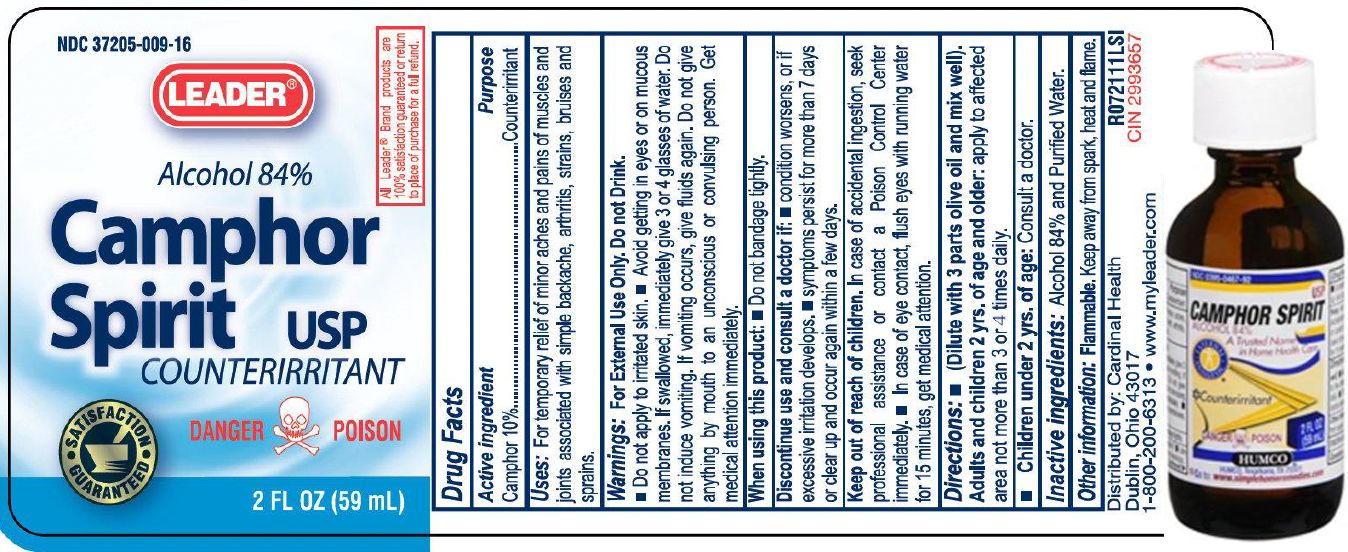
alcoholic or hydroalcoholic solutions of volatile substances
usually >60% alcohol
forms milky solution when mixed with water
used as flavoring agent, or for the therapeutic value of the oil
used orally, externally or by inhalation
prepared by simple solution, maceration or distillation
official USP spirits are:
camphor spirit, compound orange spirit, peppermint spirit
non-aq solutions
what are liniments?
alcoholic, oleaginous solutions or emulsion of medications intended to be rubbed on the skin (but not on broken skin)
vehicle choice:
based on the use: rubefacient, counterirritant or massage
based on the solubility of active ingredients
commonly used in oils: sesame, cottonseed, turpentine
must indicate clearly not to be taken orally
should be stored in tight containers
non-aq solutions
what are collodions?
clear liquid preparation composed of Pyroxylin dissolved in a solvent mixture, with or without added medication
pyroxylin - soluble gun cotton/collodion cotton, precipitates from the solution upon addition of water
when applied to the skin with a fine camel’s hair brush, the solvent rapidly evaporates, leaving a filmy residue of pyroxylin
provides occlusive protective coating on the skin
uncomfortable due to a lack of flexibility
intended for external use only