Approach to chronic colic & weight loss
 Call Kai
 Learn
Learn Practice Test
 Spaced Repetition
 Match
Match Flashcards
 Knowt Play
1/52

There's no tags or description
Looks like no tags are added yet.
Name | Mastery | Learn | Test | Matching | Spaced | Call with Kai | Chat |
|---|
No analytics yet
Send a link to your students to track their progress
53 Terms
What are the mechanisms of weight loss

List some common causes of weight loss
Dental Disorders
Parasitism
Inadequate diet —> malnutrition, inability to compete for feed
PPID (pituitary pars intermidia dysfunction)
Liver dx
Malabsorption & protein losing enteropathy —> parasitic, inflam bowel dx, neoplasia
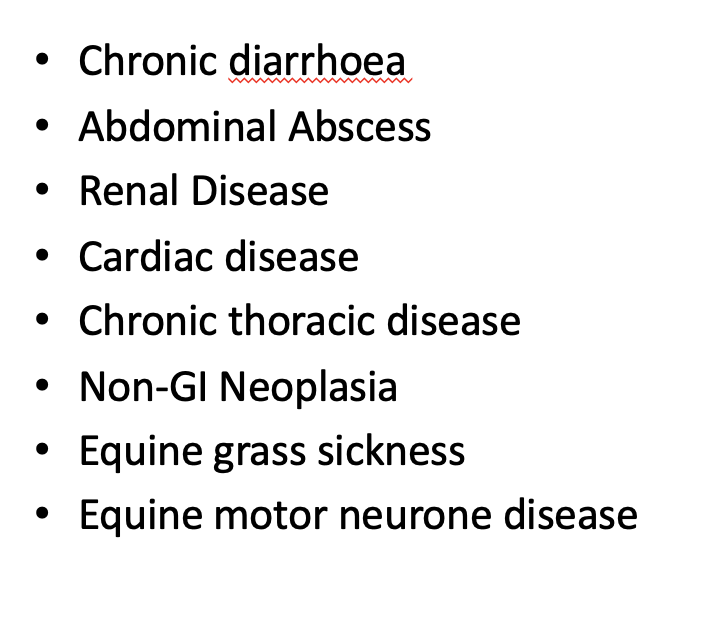
Others for reference:
What physiological processes cause the intestinal pain in colic?
1. Stretch
2. Inflam
3. Ischaemia
4. M. spasm
lead to pain & altered contractility
Define chronic colic
Colic signs of variable intensity ≥ 48 hours
Define recurrent colic
Shorter periods of colic pain which recur @ variable intervals
NB. Chronic / recurrent & weight loss can present together & have common cause
What are the causes of recurrent colic?
Tapeworms
Cyathostomins
Recurrent impactions due to dental disease
Gastric disease (EGUS)
Infiltrative bowel diseases
Sand enteropathy
What are the causes of chronic colic?
Most things that can cause abdo pain, except strangulatng lesions —> would usually deteriorate to surgical level well before 48hrs
What is involved in obtaining the hx for recurrent colic?
Characterise
Investigate risk factors for ddx
What has already been tried?
What is involved in a colic risk assessment?
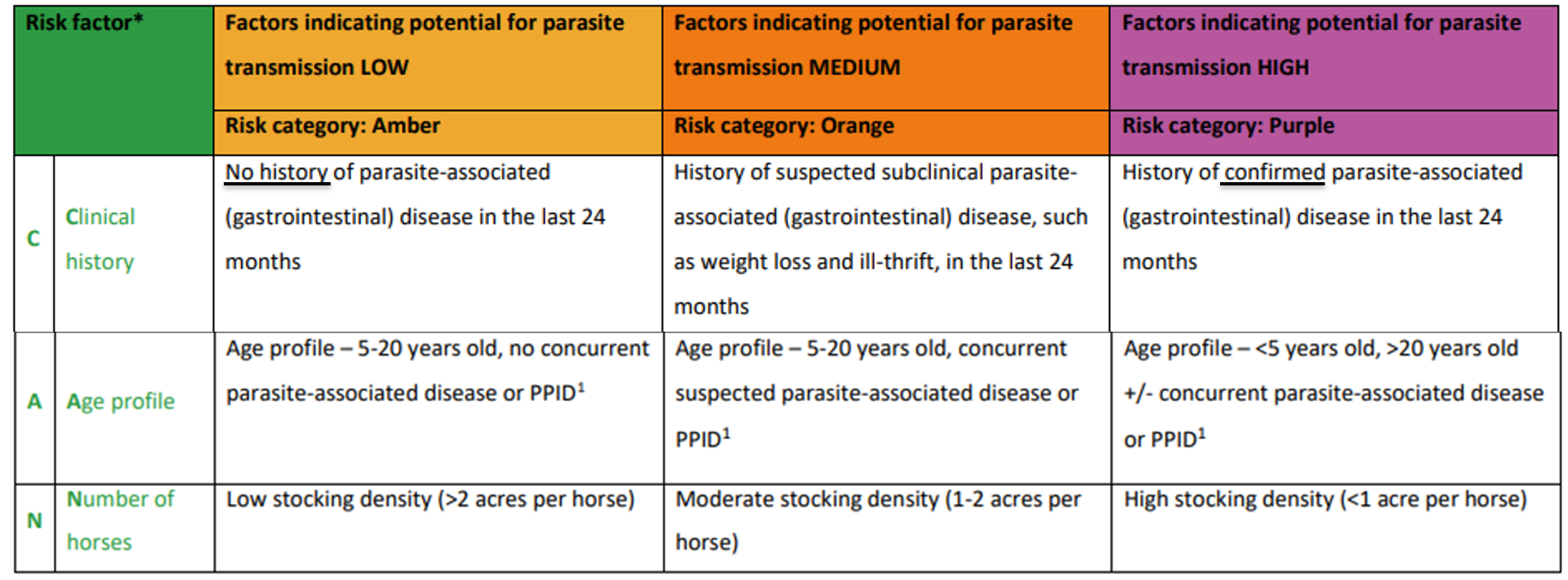


What is the systematic approach when investigating colic / weight loss?
Full clinical exam
BCS
Oedema present?
What preliminary clinical pathology tests would you do for a chronic colic and weight loss case?
Blood and faecal tests
Look for:
Specific organ disease – liver enzymes, creatinine etc.
Inflammatory processes – WCC, fibrinogen, globulins
Protein loss – esp. albumin
Occasionally indicators of malignancy e.g hypercalcaemia
FEC
ELISA test for cyathostominosis &tapeworms
What components of serum proteins can be interpreted in a weight loss case?
Total protein
Decr may be masked by concurrent dehyd or incr. globulin
Hypoalbuminaemia (GI loss > liver dx; severe peritoneal/pleural; lack of production due to malabsorption)
Hypoglobulinaemia (GI loss)
Hyperglobylinaemia (chronic inflam dx incl. cyathostominsosis; neoplasia)
Fibrinogen / SAA (goes up quicker in response to inflam)
Why is the size of albumin compared to globulin relevant to oedema?
Albumin smaller molecule so losing a gram will have a bigger affect than globulin
What analysis can you perform of the peritoneal fluid?
Nucleated cell count
Protein
Lactate
Cytology

What can you identify on an abdominal U/S in horses?
Peritoneal effusion
Intestinal wall thickness
Postion
Lumen diameter
Motility
Abnormal structures
Peritoneal structures


What other technique can be used to identify abdominal problems?
Gastroscopy

What further procedures can you do to diagnose the cause of a chronic colic/ weight loss?
Oral glucose absorption test
Absorption test (indicated SI absortion) vs. tolerance
SI only
Rectal mucosal biopsy
Gastroscopy
(Duodenal biopsy)
Exploratory laparotomy / laparoscopy
Explain how an oral glucose absorption test is carried out?
Fast overnight
Baseline blood glucose
1 gm/kg glucose as 20% solution by nasogastric tube
keep horse calm (do not sedate with alpha 2’s)
Measure blood glucose q. 30mins
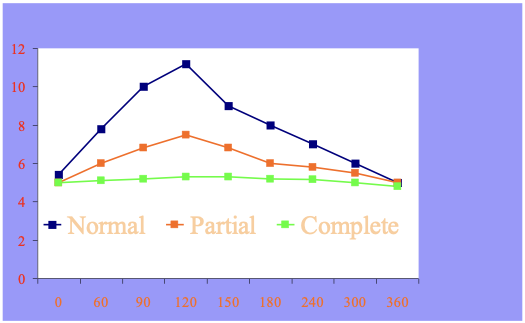
What are the parameters for a oral glucose absoprtion test? What is the limitaiton?
Indicates SI absorption
NORMAL absorption = >85% incr.
PARTIAL malabsorption = 15 - 85% incr.
COMPLETE malabsorption = < 15% incr.
Major issue w/ this test —> EMS status
How is rectal mucosal biopsy carried out?
Mare uterine biopsy instrument
20-30cm inside rectum
Submit for histo (in formalin)
Single dose of penicillin & tetanus prophylaxis
What is the limiation of GI biopsies?
Does not reflect state of the entire GI tract
List some of the conditions associated with chronic colic and/or weight loss
IBD
Multi-systemic infiltrative bowel diseases
Multisystemic eosinophilic epitheliotropic disease (MEED)
Systemic granulomatous disease
Equine Lymphoma
Chronic infection
Chronic parasitism
Equine gastric ulcer syndrome (EGUS)
Equine squamous gastric dx (ESGD)
Equine glandular gastric dx (EGGD)
What are the different classifications of IBD?
Lymphocytic-plasmacytic enteritis
Eosinophilic enteritis
Granulomatous enteritis
inflam cells in intestinal wall → malabsorption & protein loss
How is IBD diagnosed?
Poorly understood condition but thickened wall on U/S, serum biochem changes, biopsy histo
How is IBD treated?
Manage underlying cause —> parasites? (anthelmintics), sand?, salmonella?, clostridia?, dietary allergy?
Non specific treatment:
Prednilosone (monitor for signs of laminitis)
Dexamethasone
Dietary mangement
What are the multisystemic infiltrative bowel diseases that can affect horses?
Multisystemic eosinophilic eptheliotropic disease (MEED)
also often involves skin, particularly around coronary bands, pancreas, liver
tx —> dexamethasone
Systemic granulomatous dx
Skin & other organs may be affected
List some Ddxs for IBD
cyathostomosis
mixed strongyle infection
idiopathic
infiltrative bowel dxs
Neoplasia
Lawsonia (foals 3- 11 months)
What type of lymphoma affects the GI system?
Alimentary —> can be generalised or solitary
(also cr. mediastinal & cutaneous)
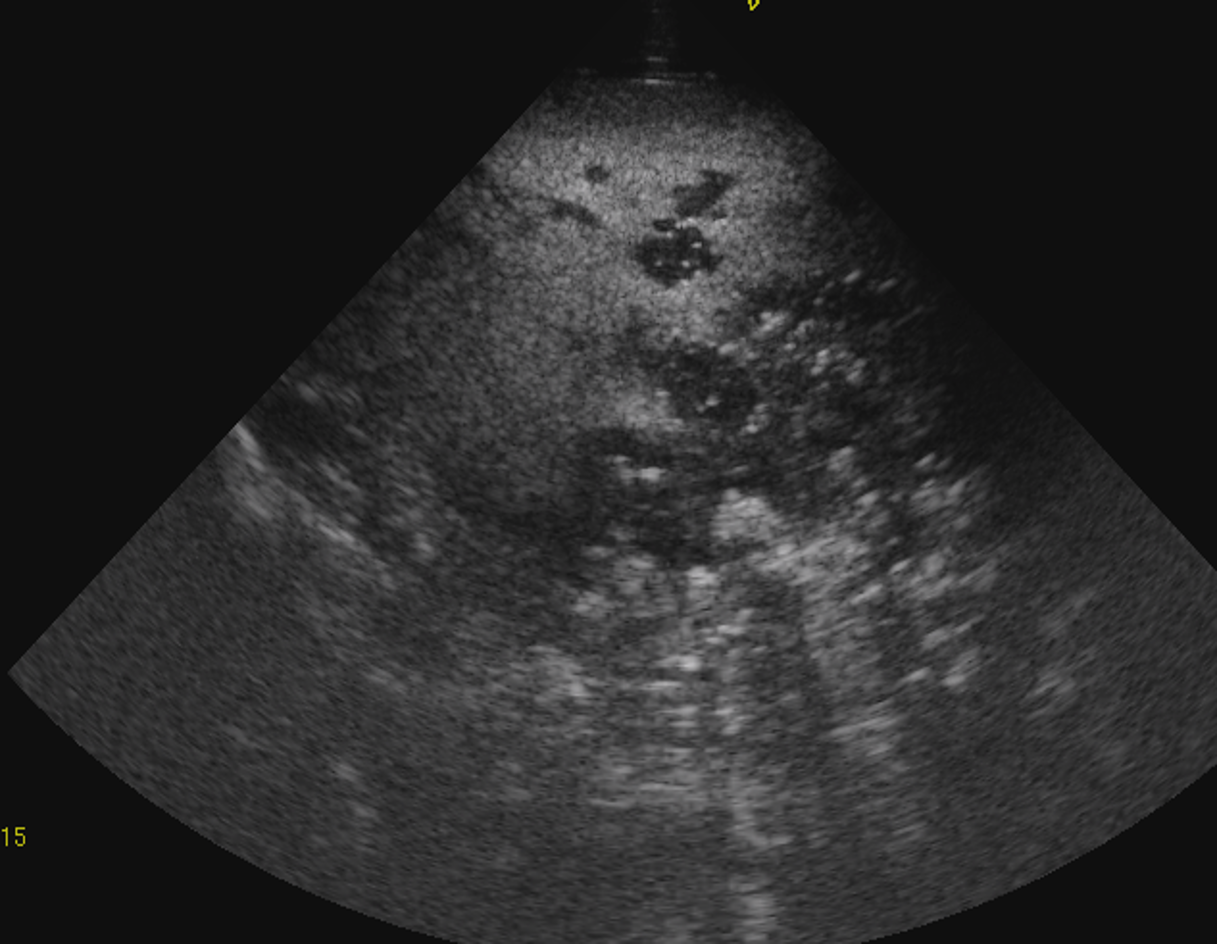

What paraneoplastic syndromes can lymphoma cause?
hypercalcaemia
haemolytic anaemia
cachexia
What are the clinical signs of lymphoma or other forms of disseminated neoplasia?
fever
wt. loss
peritonitis
pleural effusion
abdo distension
intra-abdominal mass palpable per rectum
Hypercalcaemia/haemolysis/cachexia of malignancy
List the other intestinal neoplasia other than lymphoma that can affect the horse?
Leiomyoma
Myxosarcoma
Gastric / Adenocarcinoma
Melanoma
What are the causes of chronic parasitism and what dot they lead to?
Large strongyles —> strongyus vulgaris:
overall luminal burden, wt. loss
verminous arteritis
thromboembolic colic
Small strongyles —> cyathostomins:
submucosal inflam → wt. loss, D+, colic (can be recurrent)
Parascaris equorum:
youngsters → wt. loss / ill thrift, SI impactions
What are the most common causative agents of chronic bacterial infection in the GI tract? ***
S. equi and R. equi
How do you diagnose and treat chronic infection of the GI tract? ***
Diagnosis
inflam haemogram
Treat
Long term antibiotics
What are the common haematological changes for parasitism? ***
Neutrophilia, hypoalbuminaemia, and hyperglobulinaemia
NOT eosinophillia
What are the features of equine gastric ulcer syndrome?
Widespread & common (70% of horses in training)
Hard to detect
Poor athletic perfromacne, recurrent colic/ poor behaviour, wt. loss, bruxism (involuntary grinding of teeth)
What is the most common site of gastric ulceration in horses?
Just dorsal to margo plicatus
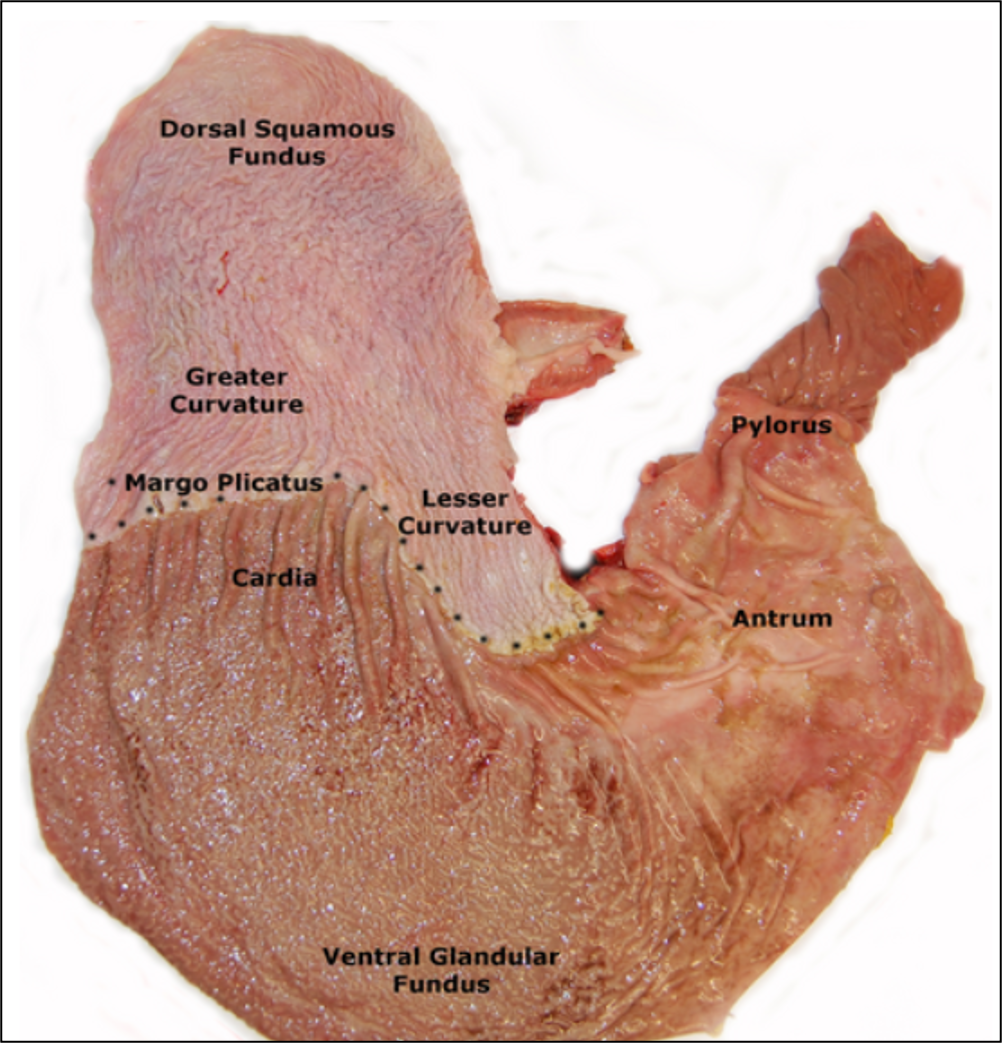
What are the two forms of EGUS?
Equine squamous gastric disease (blue)
Equine glandular gastric disease (green)
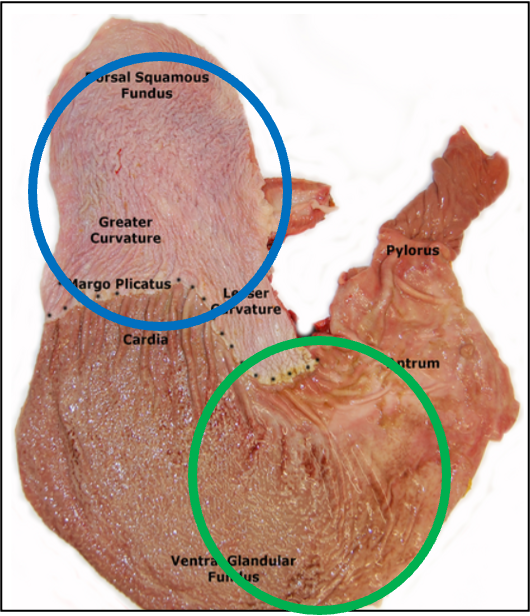
What causes equine squamouse gastric dx? What are the two types?
Acid contact w/ squamous ep.
1° = ass. w/ management factors, rest of GI tract normal
2° = 2° to delayed emptying of stomach 2° to another problem in GI tract
E.g. glandular dx
Why are horses so susceptible to gastric ulceration?
Performance horses —> incr. exercise intensity / freq
Horses evolved to contunously graze & digest fibre; grains rapidly fermentable → production of acids
If diet is high starch/ low roughage & intermittently fasted / lack of access to roughage → high risk
>2g/kg BW starch intake per day or 1g/kg BW starch per meal
What are the other risk factors of gastric ulceration?
Hypertonic electrolyte solutions
Increased stabling (?)
Lack of contact with other horses
Stress, (transport etc)
Pain e.g. lameness
What are the grades of squamous ulcers?
Grades 1-4
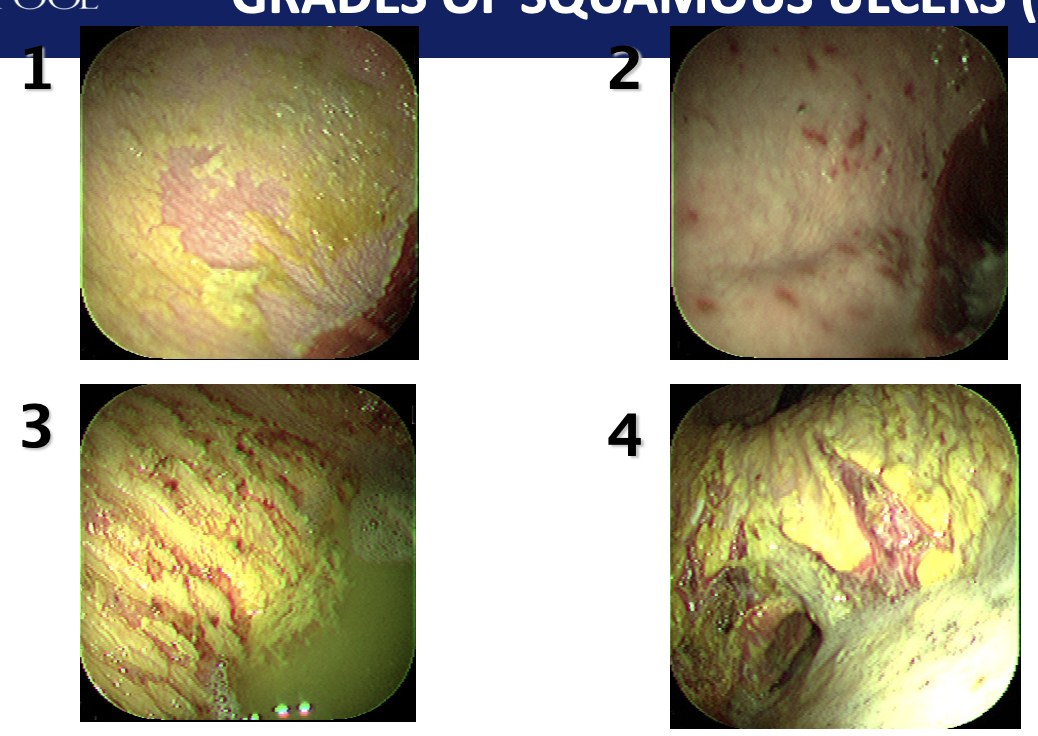
yellowing —> hyperkeritinisation
Grade based on depth & extent of ulcer
What causes equine glandular gastric dx?
It is a secretory surface of HCL & digestive enzymes
Often this disease is not an ulcer but inflam
What are the risk factors for of EGGD?
Lower prevalence than ESGD in thoroughbreds
Sports/leisure horses
Warmblood
Exercise > 5 days/week
Not intensity
Recently started training
Stereotypies
Inflam bowel dx
Reduced blood supply to stomach
Feed —> unclear
What are the management changes to prevent gastric ulceration?
High fibre, low starch diets —> incr. chewing = saliva
flax oil if needed for additional energy
Cont. roughage access
Concentrate meals should not be fed < 6hr apart
Feed small chaff feed 20min before exercise (ESGD)
Cont. access to water
Electrolyte pastes in feed, not direct
Min of 2 rest days / wk
Minimise stressors
Avoid high dose/ long courses of NSAIDs
Explain the general tx of gastric ulcers?
Management (Diet & exercise)
Medication —> acid suppression
Omeprazole (PO)
Mainstay for ESGS (supports EGGD healing)
What is the licensed dose for oral omeprazole in horses?
4mg/kg for 4wks q. 5d
V. effective against squamous ulcers —> most effective tx for EGGD
Give on empty stomach —> 30-60min before morning feed
not effective as mono-therpy for glandular dx
Other than omeprazole what other drugs can you give for glandular dx?
Oral Misoprostol
Prostaglandin E analogue —> CANNOT be handled by pregnant women & not for use in pregnant mare
Stimulates mucus and bicarb secretion
Improves blood flow to mucosa
Inhibits acid secretion
Injectable omeprazole ± oral sucrulfate
Oral esomeprazole (unlicensed) + sucralfate
Oral omeprazole + oral sucralfate
List some additional therapies that you can add to omeprazole to treat equine gastric disease?
Sucralfate
Anatacids
Pectin-lecitihin
Yeast, probiotics, antioxidants, aloe vera, sea buckthorn
Steroid drugs
Antibiotics
If bacterial infection is suspected
What is the main mechanism of sucrulfate?
Physical barrier to acid diffusion
Stim of mucus secretion
Incr. production of prostaglandin E
When would ABs be used to treat gastric ulcers?
Only where biopsy shows neutrophilic inflam & bacterial culture grows heavy growth of potensh relavent pathogen
Summarise the squamous and glandular medication

What can be done if treatment doesn’t work for gastric ulcers?
Behaviour hasn’t improved? —> if stomach has healed = revisit diag
Stomach lesions not resolves?:
squamous —> complete cure
glandular —> difficult to achieve pristine mucosa
Long duration first line tx, second line tx?
Management sufficiently changed?
Underlying drive missed?