Lab Clinical Final
 Call Kai
 Learn
 Practice Test
 Spaced Repetition
 Match
 Flashcards
 Knowt Play
1/25

There's no tags or description
Looks like no tags are added yet.
26 Terms

note: esophagus is behind the trachea, trachea is ringed
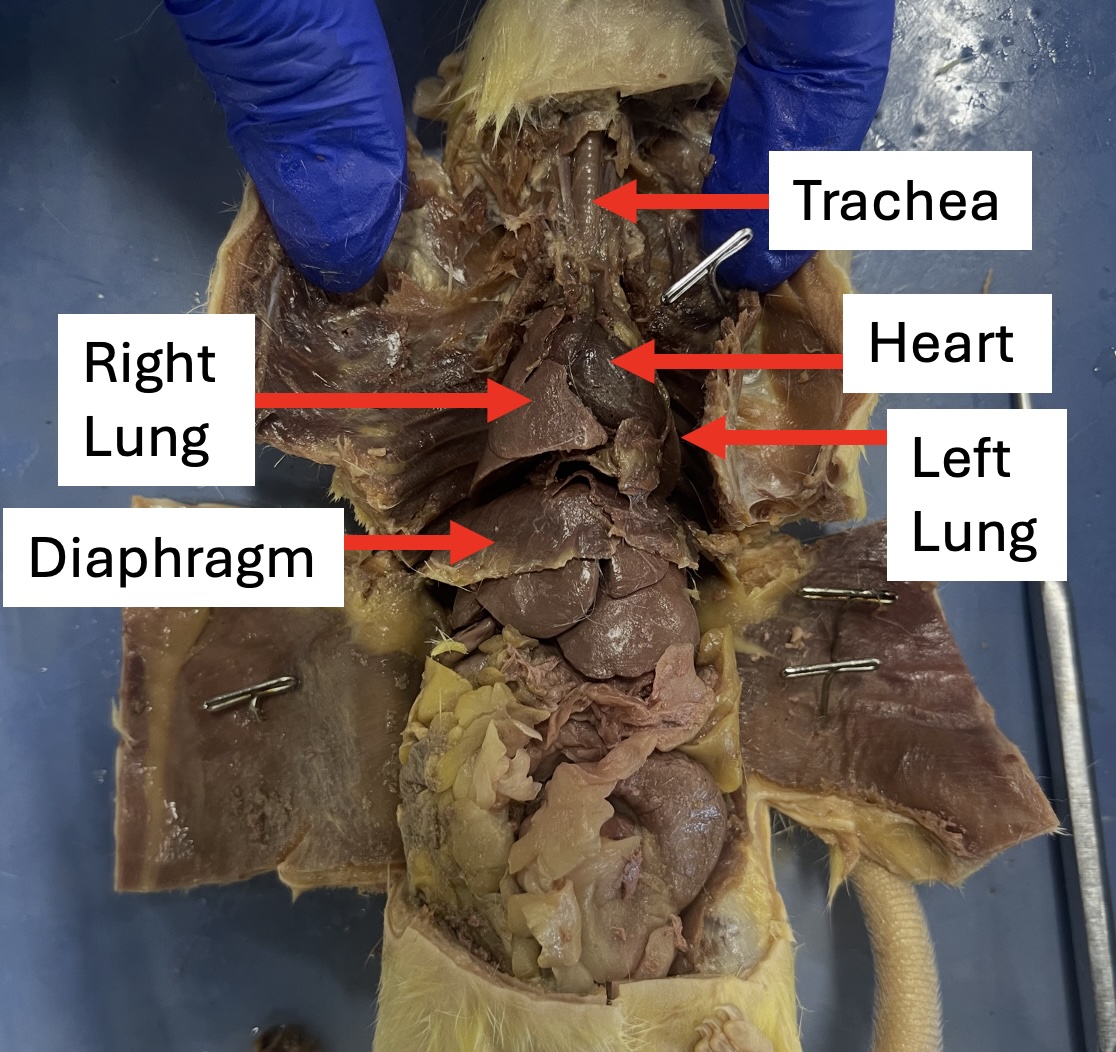

liver

stomach

spleen

pancreas

left: small intestine
right: lg intestine
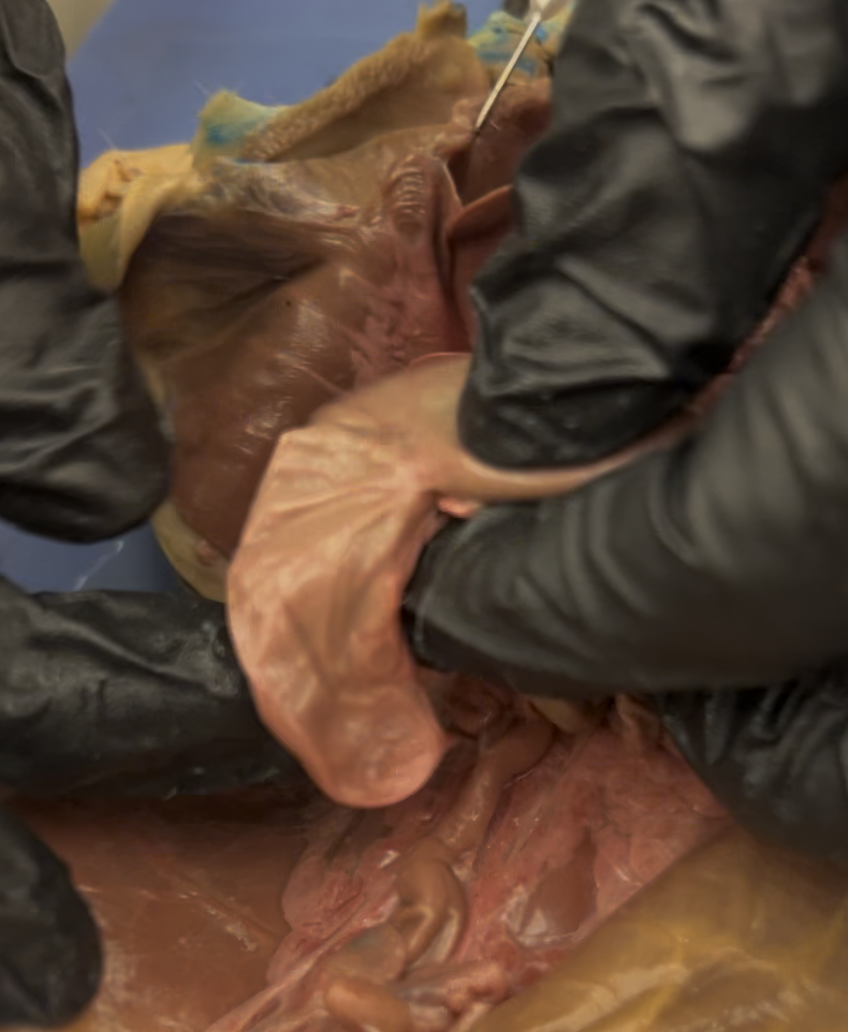
cecum
when the small intestine becomes lg intestine


kidney
ureter
bladder
urethra
uterine horns
ovary
first line of defense
physical and chemical barriers
physical and chemical barriers
physical: Unbroken skin and mucous membranes prevent the entrance of some infectious
agents
chemical:enzymes in body fluids provide chemical barrier to pathogens
2nd line of defense…
innate immunity
innate immunity
general defense
2nd line of defense
protect against many types of pathogens
ex: species resistance, mechanical barriers (first line of defense), chemical barriers, NK cells, fever
third line of defense
adaptive defense/immunity
adaptive defense/immunity
specific
third line of defense
resistance to particular pathogens, toxins, or metabolic byproducts
response based on ability to identify self vs non self cells
T cells, B cells
pathogen
An organism or agent that can cause disease
antibodies / immunoglobulins
produced by…
has a unique….
produced by plasma cells
globular proteins
each has a unique amino acid sequence and conformation —> makes it specific for its antigen
antigen
Any substance that can generate an immune response
cell mediated immunity
T cells
1) pathogen infects cell
2) infected cell displays pathogen on surface
3) cytotoxic T cells recognize antigen on APC
4) T cells activated, and multiply
5) infected cells destroyed
6) memory T cells remain
humoral immunity
adaptive
use antibodies produced by B cells to fight pathogens in body fluids
B cell
memory b and T cells
Long-lived immune cells that remember previously encountered pathogens and help the body respond faster upon re-exposure.
adaptive immunity