MKTG 450 Midterm
 Call Kai
 Learn
 Practice Test
 Spaced Repetition
 Match
 Flashcards
 Knowt Play
1/54

There's no tags or description
Looks like no tags are added yet.
55 Terms
influencer selection criteria
audience fit, engagement rate, authenticity, content quality, brand fit, expertise, performance, follower authenticity, professionalism and communication
5 steps in influencer selection process
define campaign objectives
map ideal influencer traits
shortlist vet candidates
conduct pilot tests
review and refine
selection by customer journey stage
attraction, engagement, conversion, customer satisfaction, retention, advocacy
best practices for influencer selection
use data platforms: back your choice w/ real data; no guessing
identify organic advocates: look for people who already love your brand
balance reach vs. niche: don’t go big or small, mix based on the goal
continually review and improve criteria: keep adjusting what you look for as you learn what works
selection scorecards (comparing influencers against each other)
criteria: list what you’re judging on (previous criteria mentioned such as authenticity, audience fit, etc)
weighing: give each criterion a different level of important depending on the campaign
influencer vs. influencer marketing
influencers: content, platform, audience/community, commerce, expertise, empathy, authenticity, disclosures
influencer marketing: what influencers, micro or mega, compensation, performance metrics, brand alignment
think: who vs. what for marketing strategies.
influencer selection strategies reading summary - class 7
Main Idea: Authenticity, topic relevance, and audience alignment
67% of consumers consider honest, unbiased brand influencer collaboration the best one
Key Definitions:
Influencer: someone with a dedicated following who can sway an audience’s purchasing decisions in a specific niche
Influencer vs Creator: influencer’s main intent is to encourage purchases
Creator’s main intent is to make valuable content, and they often diversify income through things like subscriptions and UGC
Lookalike influencer: creator with similar content style, demographics, niche, or engagement patterns to an influencer who has already worked well for your brand or a competitor
4 Influencers:
Mega (1M+) - huge exposure, very expensive, best for mass appeal brands with big budgets
Macro (100K- 1M) - established niche voices. Large reach, high cost
Micro (10k to 100k) - often higher engagement rates and more affordable
Nano (under 10K) - tight, localized, or ultra-niche communities
- Strong engagement at low cost
Defining Your Idea Influencer
Know your target audience
Establish campaign goals/KPIS
Monitor social conversations and brand mentions
Identify key characteristics
Create an “ideal influencer” persona
3 Best Practices
Search on unexpected platforms
Think long term
Base partnerships on shared values and topical alignment
Influencers' Expectations from Brands
Creative freedom
Clear communication and expectations
Fair compensation - 59% want clear budgets and payment structures
Pay can be money, products, commissions, or a mix
Key Takeaways:
Prioritize engagement rate and relevance over follower count
Define goals and a person before searching
Brand safety checks and fake follower detection are essential vetting steps
influencer marketing tech stack components
influencer discovery and recruitment: audience characteristics, brand fit, content style, reach, engagement, impact
collaboration and relationship management: CRM-style IRM, integrated contract, approval, payment tools, content collaboration workflows
campaign analytics and performance evaluation: real time analytics, customizable reports
tool considerations
all in one vs. a la carte, worflow fit with the business, AI integration, integration with other systems, social platform support, complexity or simplicity, UX, cost
Sprout Social, Popular Pays, GRIN, CreatorIQ, HypeAuditor, Impact.com, Meltwater, Traackr
Sprout Social, top influencer marketing platforms reading - class 8
Main Idea: for brands that want to grow and measure their programs, an influencer marketing platform is presented as a competitive necessity
Key Definition:
Influencer marketing platforms - software that help brands build an influencer strategy
Marketplace - connects brands with influencers in their niche
Tools - brand influencer communication and campaign analytics
Agency style services - specialists help put together partnerships
3 Core Benefits of Using a Platform
Find the right influencers quickly
Manage campaigns more efficiently
Track and analyze performance
How to Choose the Right Platform
Team size
Budget
Existing tech stack
Key Takeaways:
Platforms centralize discovery, management, and measurement
Platforms differ in specialty, so match the tool to your needs
Team size, budget, and tech stack drive the choice
Look for AI-powered discovery, brand safety tools, and ROI reporting
5 outreach stages
influencer selection strategies
pitch preparation
outreach channels
messaging tactics
follow up process
influencer selection process
determine marketing objectives (awareness, traffic, sales, engagement), assess influencers’ audience reach, engagement, authenticity, topic/expertise; platform strengths, influencer audience, voice, style, brand fit and fit with marketing objectives
pitch preparation
compensation model (flat fee, affiliate commissions, merchandise) and agreements
outreach channels
direct messaging, email, influencer platforms, having a history of communication helps
the 7 c’s of messaging tactics
clarity: don’t add suspense, say who you are and what you’re trying to do; avoid long paragraphs
customization: personalize to the recipient; research so the content is relevant to them
compensation: say what they get
campaign: clarify the scope (is it one time or continuous?); a tr
content: who is creating what and how much of it
communication: how you’ll stay in touch
CTA: call to action
*follow up with non responders, 2-3 attempts, vary the pitch copy, or try another communication channel
Modash, how to do influencer outreach reading - class 9
Main Idea: prepare thoroughly, personalize lightly, follow up persistently, and think like a salesperson and not just a marketer
Influencer outreach - contracting a social media influencer to propose collaborations
First step in building new creator relationships
3 Step Process
Pre-outreach prep
Find email address
Write a personalized email
3 small styles:
Short lightly personalized
Soft ask + call offer
Specific ask
5 Best Practices
Use email over DMs when possible
Use partially templated emails
Default to soft CTA
Do unscable things early
Think like a salesperson
Following Up
Key Takeaway
Prep
Personalization plus brevity beats long
Soft CTAs raise response rates
Persistence, polite follow-ups, and testing your approach drive results
Outreach is relationship building, so empathize with what the creator needs
influencer relationship management involves…
Customer Relationship Management (CRM)
Full relationship cycle
Strategic vs. Tactical IRM
Human and technical factors
Software selection
Influencer Relationship Management (IRM)
IRM includes all interactions with an influencer before, during, and after launching a campaign. it ranges from transactional to partnership based models; similar to crm
5 relationship stages of IRM
Discovery and vetting: identifying right-fit influencers
Outreach and onboarding: first contact, building trust, setting expectations
Engagement and activation: campaign execution and collaboration
Nurturing and long-term partnership: feedback, iteration, sustained interaction
Termination or transformation: off boarding or reimagining the partnership
3 perspectives of IRM
strategic - why are we doing this?: alignment with brand purpose and segmentation, value creation (win for brands and influencers), reputation management and crisis planning
tactical - how do we run it day to day?: open communication and feedback; collaborative content development; contracts, compliance, disclosure practices; ROI and performance monitoring
human - how do we treat the people involved?: authenticity and trust-building, navigating conflict and expectation gaps; cultural sensitivity, the human touch
AI and automation in IRM
AI for influencer identification, outreach, campaign management, automation of tasks, when and why to rely on human intuition vs. automation, ethical considerations and the risk of over-reliance on AI
IRM software capabilities
Discovery and vetting: find influencers and check their fit, audience, and authenticity
Campaign workflow management: move each deal through its steps (outreach, contract, content, posting)
Communication and reporting: keep all messages in one place and show how campaigns performed
Long-term relationship tracking: remember the history with each influencer so you can keep building the relationship, not just run one campaign
IRM software criteria (size, budget, campaign complexity)
Solo / small business: lightweight, affordable, simple
SMBs and nonprofits: balance price and advanced features
Large corporations: integrated, AI-driven, customizable platforms
Other factors: integration with existing tools, scalability and reporting features, automation vs keeping a 'human touch', support and learning resources
IRM software criteria
vendors = Grin, Sprout Social, Influencity, Promoty, Later
DIY = use a CRM system, excel template, Google sheets template, Notion template
IRM Conclusions
strong IRM combines strategy, process, tech, and human insight; continuous improvement; check reviews, test and research vendors
Grin, Influencer Relationship Management reading - class 10
Main Idea: Marketing about building relationships, not just transactions
Key Terms:
IRM ( Influencer Relationship Management): CRM, but for creator relationships
Why Influencers work: social proof, authority, and popularity
Top 6 Ways to Manage Relationships:
Pick the right influencer
Measure engagement accurately
Use a contract
Organize your creator team
Attribute results correctly
Adopt a platform
Scaling - master the basics first, and consider scaling once you can run campaigns with about 50 creators smoothly
Useful software features: a single communications hub, email sequences, contracts and e-signatures, a content library, ecommerce integrations, and reporting
Repeating by Funnel Stage:
TOFU (awareness) - reach, follower growth
MOFU (engagement) - engagement, UGC, sentiment
BOFU (conversion) - clicks, leads, revenue
Case Studies - MVMT Watches grew its roster 7x. Tubby Todd passed $100k in conversion revenue.
Nutpods grew from 50 to 250+ creators with no added headcount
influencer business models
4 ways any business can make money online
selling products or services
selling ads or promotional content
affiliate commissions
subscriptions/memberships
core influencer monetization methods
sponsored posts
brand partnerships
affiliate marketing
ad revenue from platforms
merchandise
digital products
donations and crowdfunding
other influencer monetization methods
brand channel takeovers
public appearances and events
consulting and coaching
platform payouts for popular or trending content
influencer monetization tactics
focus on one monetization source at a time to get traction
start with low risk, low commitment source like affiliate marketing
diversify to more than one source
as you get bigger, consider launching your own products/services
top creators have 1-5 income streams, which optimizes earnings and hedges risk
Harvard Business Review, how brands and influencers can make the most out of their relationship reading - class 11
Main Idea: diversify across brand deals, products, platforms, payouts, and services
Micro and nano influencers can earn income this way
10 Ways Influencers Earn Money:
Sponsored Content
Brand Partnerships & Ambassadors
Affiliate Marketing
Ad Revenue
Digital Products
Merchandise and Branded Products
Subscriptions & Memberships
Events & Workshops
Direct Platform Payments
Consulting
What Determines an Influencer’s Rates:
Follower Count
Engagement Rate
Niche
Scope of project
Key Takeaway:
Creators earn modest incomes
Articles cite a US average of about $56,000 for content creators
About 1,000 followers is suggested as a starting point for paid work
Income depends on follower count, engagement, niche, platform, and monetization mix
creators vs. influencers
creators make content for the sake of making and sharing content online — the content is the draw/has the personality and the creator’s personality adds flavor but isn’t the main attraction
think animated videos or clicking for recipes/cooking
influencers make content to grow their personal brand and highlight their lives on social media — the person is the draw, people follow them for who they are
emma chamberlain, kylie jenner, those with a personal brand
most are usually a blend
brand storytelling
take the audience through a story journey…
introduce a customer in a relatable context, highlight a dilemma/challenge/problem, present a resolution
story brand and influencers
tell the story with the customer as the ‘hero’ and the brand as the ‘guide’
humanize messaging: share the challenges and highlight brand guidance
content and storytelling for each storybrand step
map the customer persona and their journey
campaign briefs pair influencer messaging with storybrand steps
CTAs embedded in the storytelling
before and after stories
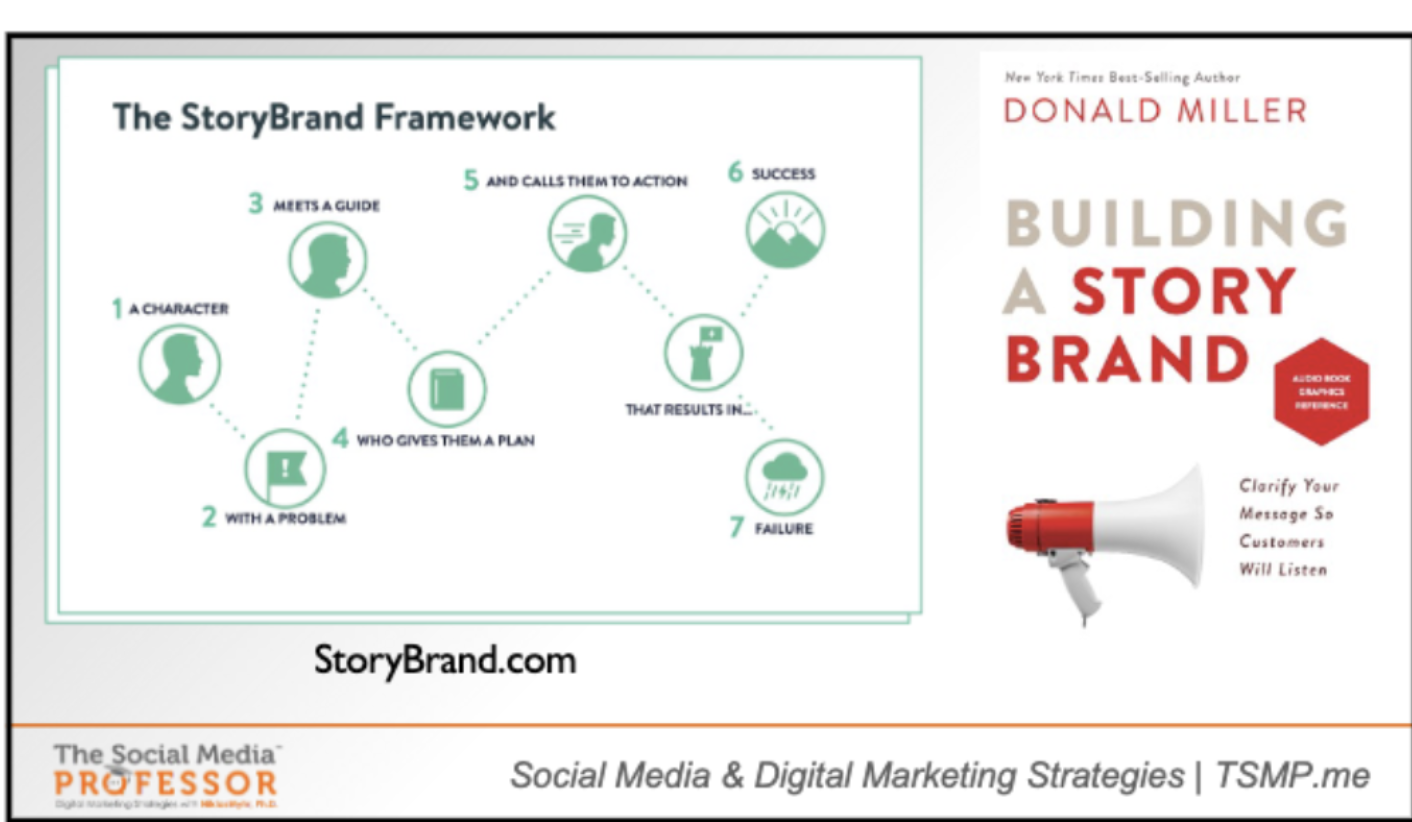
storybrand framework example
Character, problem, guide, plan, call to action, stakes, transformation
the storybrand framework is a marketing tool that outlines the key components for effective brand storytelling, focusing on the customer as the central character.
ex: table (mattress): character 'you deserve a better night's sleep'; problem 'most mattresses cause back pain'; guide 'we know how frustrating this is, we've helped 10,000 customers'; plan '1 pick your mattress, 2 free delivery, 3 sleep better'; CTA 'buy now'; success 'wake up refreshed'; failure 'keep losing sleep and energy'.
content creation
creation by the brand and/or influencer
involves media format, style, message
the goal is to engage, educate or inform
value is in free exchange for engagement and future sales
ex. a 60 second vertical video
content dissemination
platform selection (YouTube, TikTok, Instagram, podcast), frequency and timing of posting - how it gets out
done by the brand an or influencer
ex. posting the 60 second video on reels and tiktok
content marketing
the idea that content marketing means giving the audience something valuable, not just advertising
buyers persona - who are we making this for?
a profile of your ideal customer with details like age, occupation, personality, motivations, goals, frustrations, technology and community
b
awareness, evaluation, conversion, retention
pattern interrupt
something unexpected early or mid video to grab attention (life size marketing)
4 media formats
video
audio
visual
text
video
record long videos with short video excerpts in mind
there’s 11 types: viral, entertainment, educational, teasers, demos, case studies, testimonials, before and after, interviews, behind the scenes, sales pitches
types of formats: landscape, vertical, square, muted viewing/subtitles
livestreams too
audio
includes podcasts, audio files, and audio books
audio beats videos for multitaskers, travelers, learners
launching your own podcast is a long term commitment and has slow growth
a voice in your earbuds for hours is more intimate
being a guest on other podcasts can grow your audience
visual
take photos yourself, use stock images, graphic design, infographics, UGC
text
blog posts, website copy and articles, email newsletter, LinkedIn posts / articles / newsletter, Medium posts, Reddit communities / subreddits.
content bottleneck
craft a story for the brand/campaign/eventl have an influencer tell the story in their preferred media format and have them share it across multiple social platforms
GaryVee content model
one keynote becomes 30+ pieces of content
content dissemination with influencers (platforms)
YouTube, TikTok, Instagram, Facebook, LinkedIn, Snapchat, Pinterest, website / blog, email newsletter, podcast, Twitch.
Rent a platform (Facebook, YouTube, Instagram) vs own your platform (website, email list). 'Get brand ambassadors who share.'
content tactics for engagement
strong opening hook
relatable, authentic storytelling > direct promotional content
platform trends, challenges, memes, sounds, hashtags
UGC, duets, remixes, challenges
short videos
pillars: education, behind the scenes, entertainment/humor, UGC
newsjacking
jump into a news story while its growing and journalists are scrambling for more info