Arts Final Exam
 Call Kai
 Learn
 Practice Test
 Spaced Repetition
 Match
 Flashcards
 Knowt Play
1/56

There's no tags or description
Looks like no tags are added yet.
57 Terms
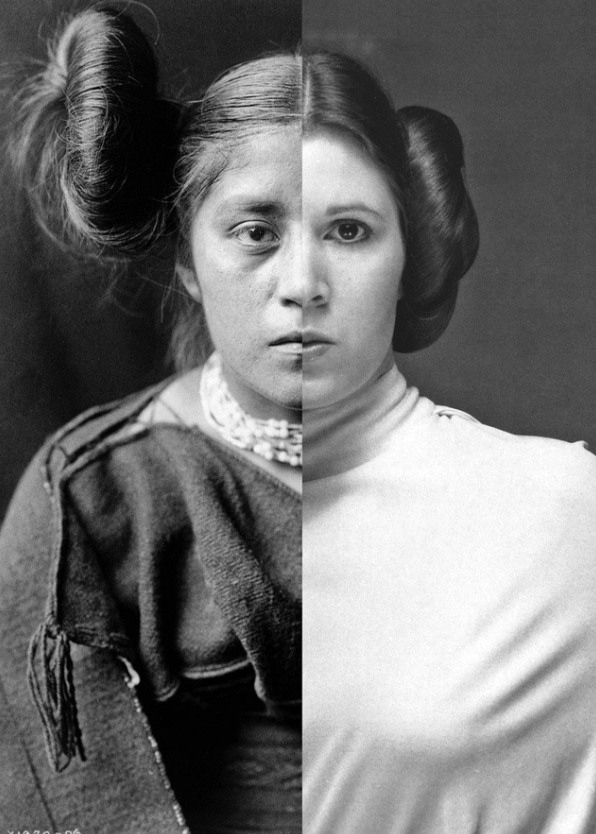
Galanin. Things Are Looking Native, Native’s Looking Whiter. Print. 2012.
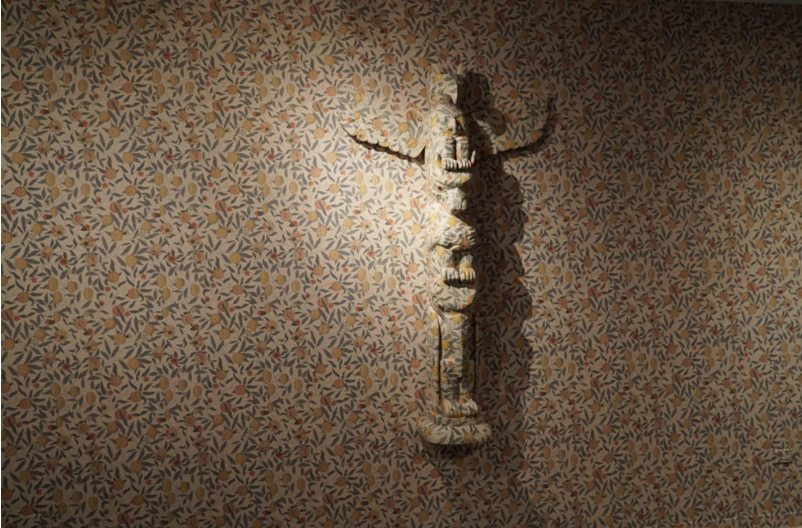
Galanin. The Imaginary Indian. Paint, wood, wallpaper. 2016.

Joseph. K ‘alyaan Totem Pole. Red cedar, paint, copper. 1999
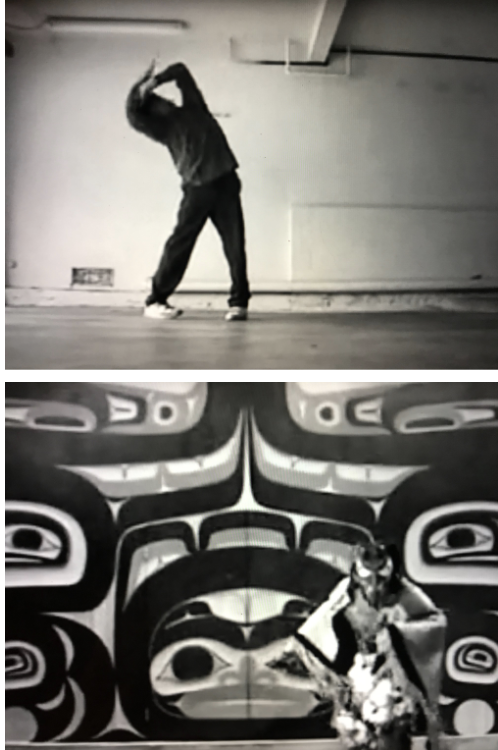
Galanin. Tsu Heidei Shugaxtutaan. 2006. Dance & Video.

Galanin. We Dreamt Deaf. Polar bear taxidermy. 2015.

Galanin. Inert. Wolf taxidermy. 2009.

Galanin. Never Forget. 2021. 45-foot sign

Year-long outdoor work in conjunction with many community partners, including Catawba Cultural Center and Davidson College. This work is an un-shadowing of land, bringing to light the injustices of the settler history of the Carolinas, and a move toward cultivation and celebration of Indigenous connection to the land and continuum of ancestral knowledge
Galanin. Unshadowed Land. 2021-2022.
Catawba corn in the Silhouette of the Andrew Jackson Monument.

Ya Tseen: Tiny Desk Concert, 2021.

Galanin. Architecture of Return, Escape (The British Museum), pigment and acrylic on deer hide. 2022.

Galanin. In every language there is Land / En cada lengua hay una Tierra. 2023. Corten Steel. Brooklyn Bridge Park.
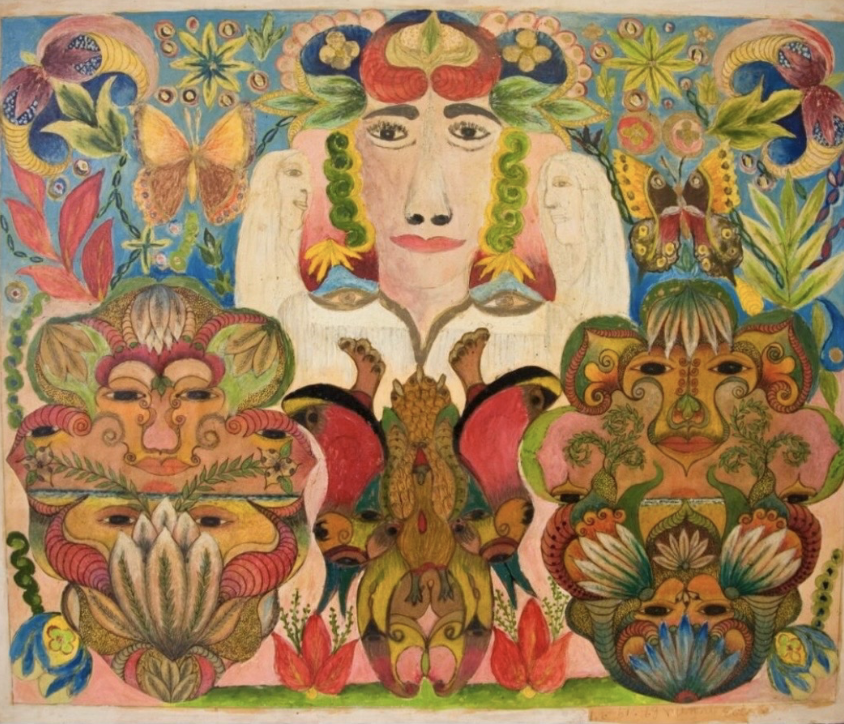
Evans. Untitled (Face Flanked with Angels and Mandalas Collage). 1946-1968. Pencil, ink, crayon and oil on paper.

Chauvet caves present over 300 depictions of mostly animals as well as some palm prints and stenciled hands. In Paleolithic art, animals are represented with naturalistic detail while humans are simplified and stylized.
Left section of the “Lion Panel” Chauvet cave, Ardeche Valley, France. c. 30,000 B.C.E. pigment.

Unknown. Female Figure from Willendorf. C. 23,000 B.C.E. Limestone

Unknown. Queen Nefertiti. C. 1345 B.C.E. Painted limestone

The Aztecs viewed the city as a sacred site where the gods had created the universe. Mesoamerican pyramids were symbolically understood as mountains
Pyramid of the Sun, Teotihuacan, Mexico. 50-200 C.E.
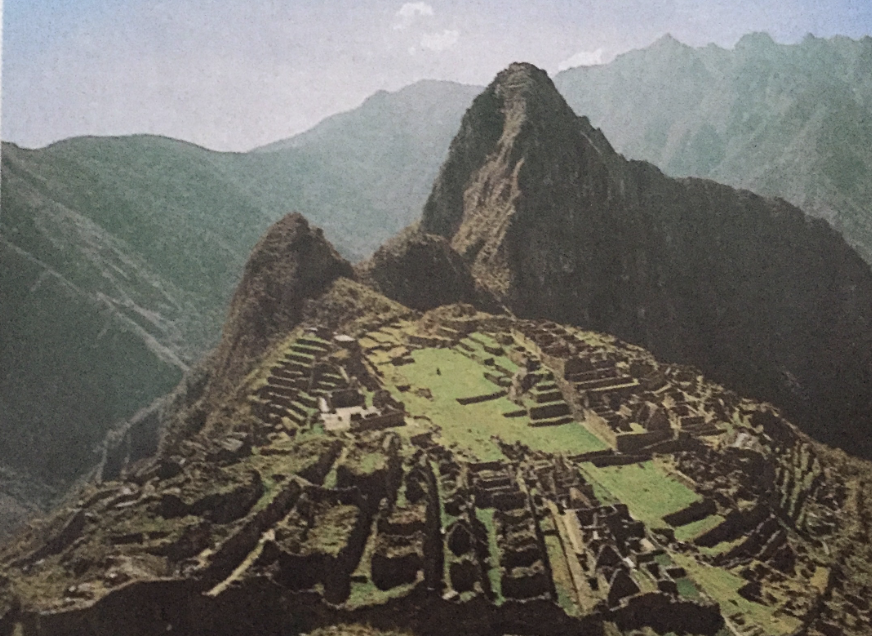
The Inca believed stones and people to be equally alive and capable of changing into one another.
Machu Picchu, Peru. Inca, 15th-16th centuries.

The first Qin emperor, Shihuangdi, ordered the crafting of a huge terra-cotta army. Discovered in 1974, row upon row the life-sized figures stand in their thousands-soldiers, archers, cavalrymen, and charioteers-facing east, the direction from which danger was expected to come.
Excavated figures from the “terra-cotta army” guarding the tomb of the First Emperor of Qin (d. 210 B.C.E.) Xian, China.

Unknown. Guanyin. Song dynasty. C. 1100. Painted wood.
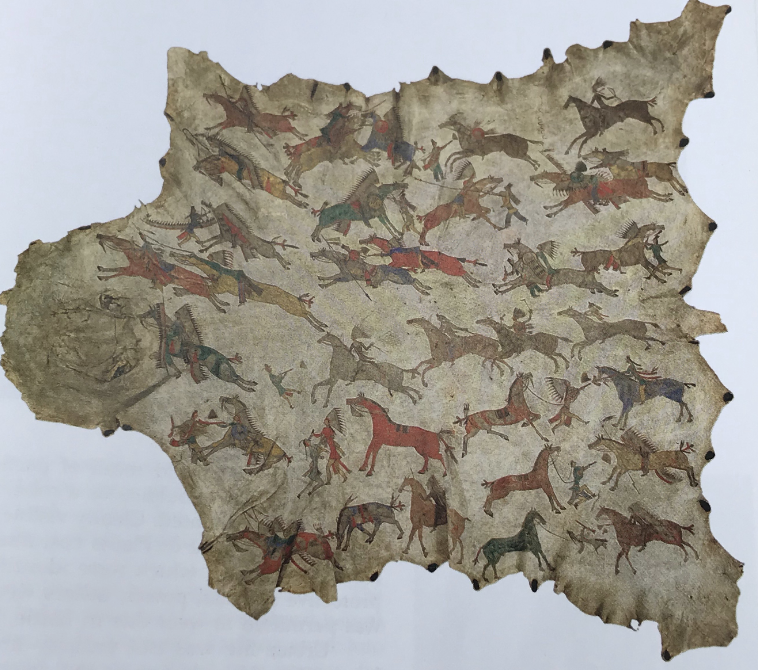
Buffalo hides provided not only clothing (here it would have been worn around the shoulders as a robe) but also shelter in the form of covering for tents, tipis (also spelled “tepees”). Hides provided a surface on which Plains men recorded their exploits as warriors. Drawn by Lakota warriors, the images here record a battle between the Lakota and the Crow.
Unknown. Hide painted with scenes of warfare. Lakota, North or South Dakota, c. 1880. Hide and pigments.

Polynesian peoples believed that certain materials, like feathers, were sacred to the gods.
The feather cloaks of Hawaii embody ideas about the order of society, the respective roles of men and women, the continuing presence of ancestors, and the protective power of the gods.
Feather cloak. Hawaii. Feathers, fiber.
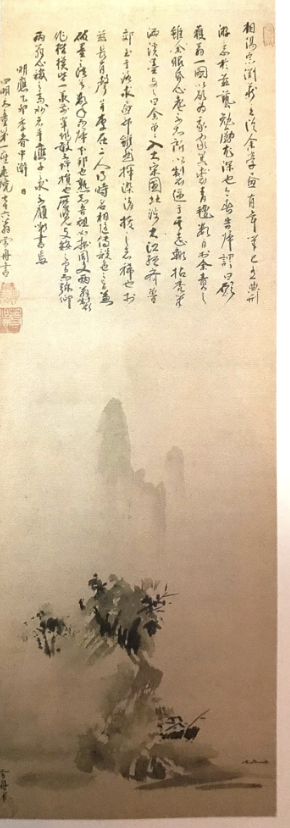
Toyo. Landscape (in the haboku technique). 1495. Hanging scroll, ink on paper.

Leonardo da Vinci. The Last Supper. 1495-97. Fresco.

Michelangelo. Sistine Chapel Ceiling (detail). 1508-12. Fresco.

Velazquez. Las Meninas (The Maids of Honor). 1656. Oil on canvas.
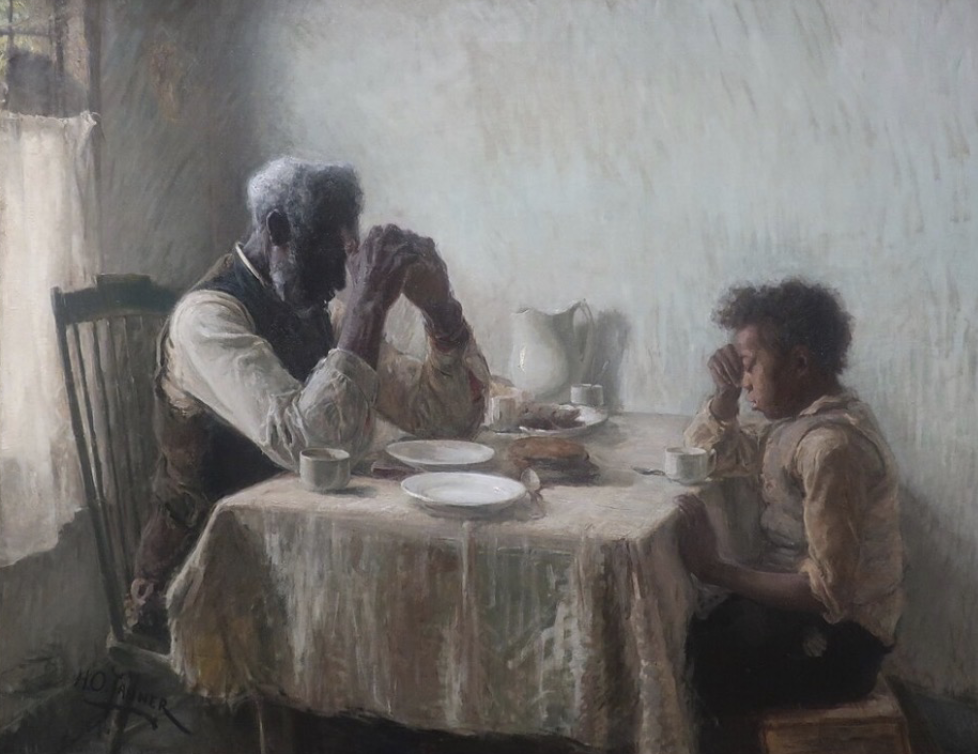
Realism
Tanner. The Thankful Poor. 1894. Oil on canvas.

Impressionism followed Realism in portraying daily life, especially the leisure activities of the middle class.
Monet. Autumn Effect at Argenteuil. 1873. Oil on canvas.

Post-Impressionism: tangible form to feelings and ideas. Artist believed that people
journeyed to a star after their death, and that there they continued their lives.
Vincent van Gogh. The Starry Night. 1889. Oil on canvas
Who said this quote:
“I have a sure faith in art, a sure confidence that is a powerful stream, which bears a man to harbor, though he himself must do his bit too; and at all events I think it is such a great blessing, when a man has found his work, that I cannot count myself among the unfortunate.”
Vincent Van Gogh

Hokusai. The Great Wave of Kanagawa. 1830-32. Woodblock print., ink and color on paper.

Munch. The Scream. 1893. Tempera and Casein on cardboard.
Who said this quote:
“It was a time when life had ripped my soul open. The sun was going down..It was like a flaming sword of blood...The sky was like blood sliced with strips of fire...I felt a great scream”
Edvard Munch

Pueblo Culture. Kachina dolls were believed to contain some of the power of the spirit they represented
Kachina doll. Zuni, before 1903. Wood, pigments, hair, fur, hide, cotton, wool, yucca

The Navajo called their spirits Yei, Holy People. Spirit masks such as this one might have appeared at the climax of a particular elaborate healing ceremony, during which their powers had been invoked through a sand painting.
Curtis. Navajo Zahadolzha Masker. 1907. Photograph.

Cubism: A movement developed in the early 20th century that abstracted the forms of the visible world into fragments or facets drawn from multiple points of view,
Picasso. Les Demoiselles d'Avignon. 1907. Oil on canvas.

Surrealism: A movement of the early 20th century that emphasized imagery from dreams and fantasies.
Dali. The Persistence of Memory. 1931. Oil on canvas.

geometric symbolism
Douglas. From Slavery Through Reconstruction. 1934. Oil on canvas
in the United States, the period following World War I saw the flowering of art
dedicated to building a better society. The ______________ was one of the most vibrant movements of time. It was and is home to many black Americans, of all economic classes. Much of the spirit embodied had to do with merging three experiences: the rich heritage of Africa, the ugly legacy of slavery in America (ended barely more than fifty years earlier) and the realities of modern urban life.
Harlem Renaissance

Aboriginal art is intimately connected with the religious beliefs known as Dreamtime or the Dreaming. Dreamtime includes the distant past, when ancestral beings emerged from the Earth. Their actions shaped the landscape and gave rise to all forms of life within in, including humans. Dreamtime also exists in the present, and each individual is connected to it. With age a person draws closer to the realm of ancestors, and at death the spirit is reabsorbed into the Dreaming.
Lipundja. Djalambu. 1964. Earth pigments on bark.

Two Marquesan men showing the different stages of the lifelong tattooing process. The act of tattooing was considered sacred by the Marquesans, performed ritually by a specialist, tukuka, who invoked the protective presence of specific deities.
Inhabitants of the Island of Nuku Hiva. 1813. Hand-colored copperplate engraving after original drawings by Wilhelm Gottlieb Tilesius von Tilenau.

Land Art: Also known as Earth art, it was another way in which Postminimalist artists sought to intervene in some way in a landscape.
De Maria. Lightning Field. 1977. Long-term installation. Four hundred pointed steel rods, 1 mile x 1 kilometer.

Body Art and Performance: An event or action carried out by an artist and offered as art.
Mendieta. Tree of Life. 1976. Photograph documenting the performance in Iowa.

Abramovic’. The Artist is Present. 2010. Performance at the Museum of Modern Art in New York City.
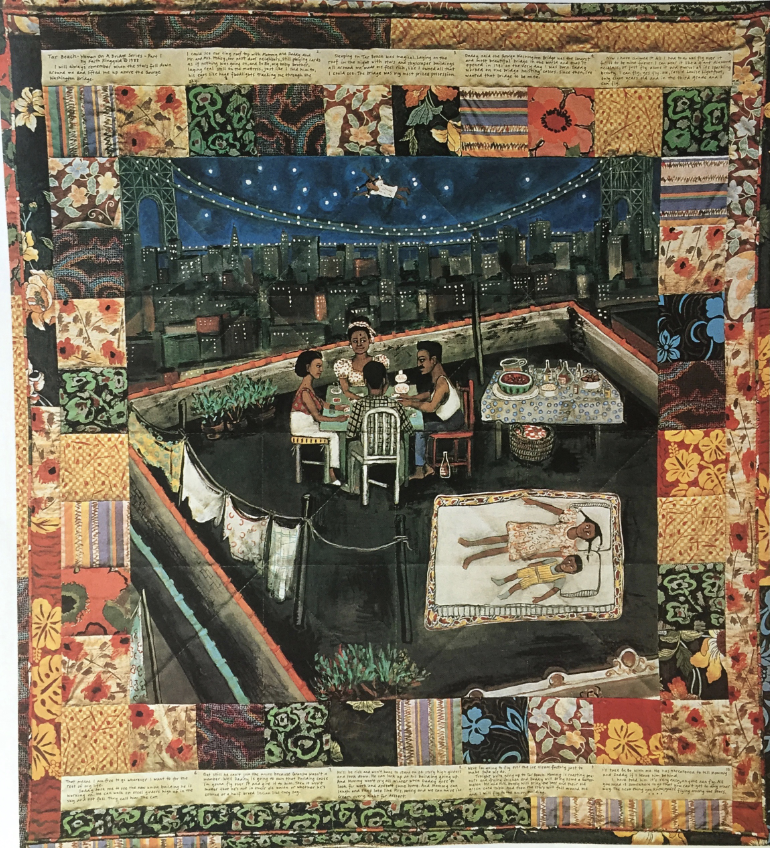
story quilt—a traditional American craft associated with women’s communal work that also has roots in African culture.
Ringgold. Tar Beach. 1988. Acrylic pieced and painted fabric
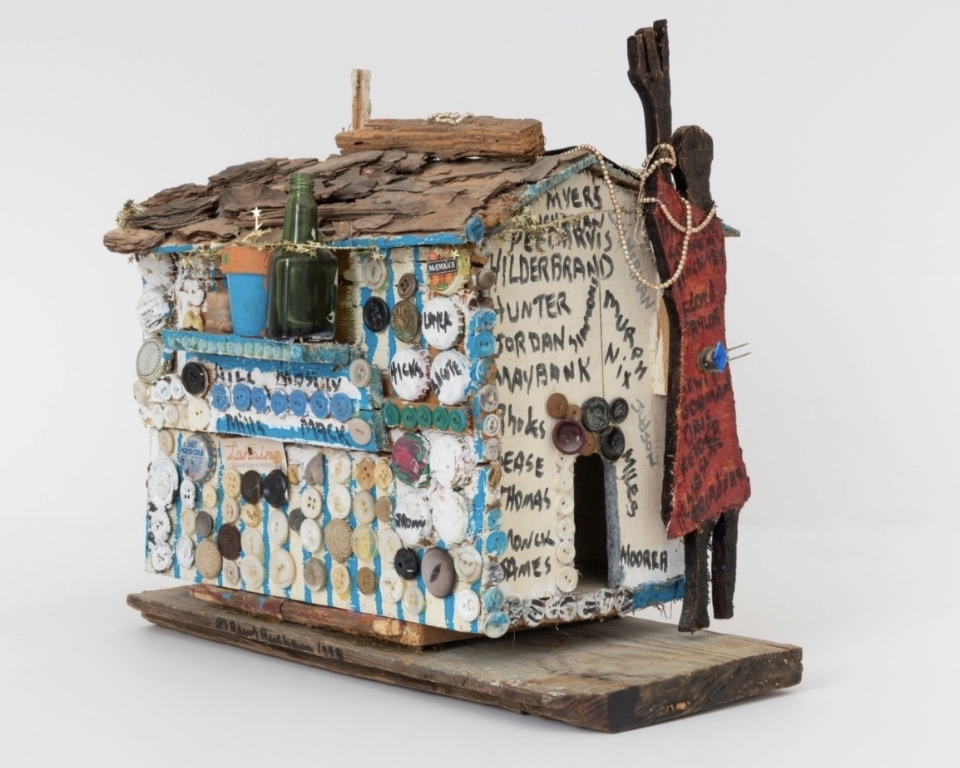
Athens artist - best-known series of sculptural “shacks” based on rural south.
Buchanan. Untitled. 1990’s. Found objects.

Buchanan. Angels. 1990’s. Marker, pen, cardstock.

Neo-expressionism. He first attracted attention in his teens with brief graffitied phrases-critical, cryptic, poetic, philosophical-tagged SAMO. Many of the sayings were spray-painted on walls near art galleries and directed at the art world. People noticed.
Basquiat. Equals Pi. 1982. Acrylic and oil stick on canvas.

Weems. Kitchen Table Series. Platinum photographs. (1 of 20). 1990.
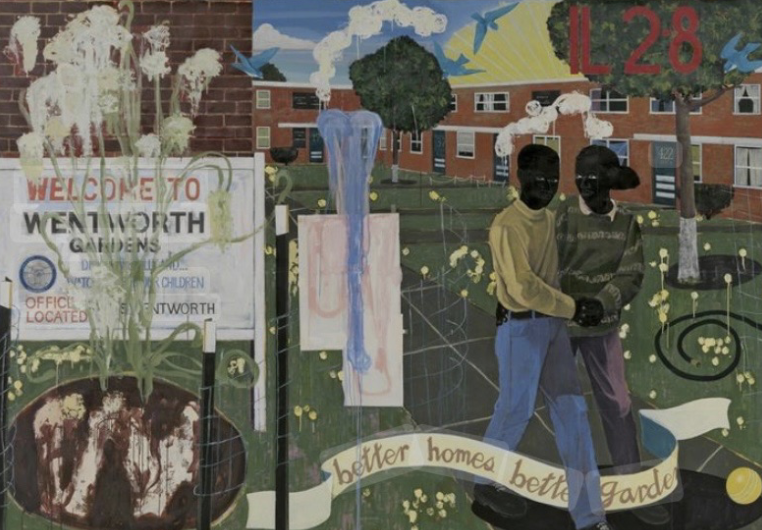
Marshall. Better Homes Better Gardens. 1994. Acrylic and collage on canvas.
Who said the quotes:
“What I wanted to show in those paintings is that whatever you think about the projects, they’re that and more. If you think they’re full of hopelessness and despair, you’re wrong. There are actually a lot of opportunities to experience pleasure in the projects.”
“We only move into the 21st century on the foundation of things that have been established long, long ago”
Kerry James Marshall

Marshall. Now and Forever. 2023. Stained Glass. Washington National Cathedral

Shonibare, CBE. Cake Man. 2013. Fiberglass mannequin, Mixed Media.
Who said the quote:
“Cake Man is essentially about greed, the burden of carrying wealth and never having enough. Even though it weighs you down, you still want more”
Yinka Shonibare

Explores the great migration
Shonibare, CBE. Woman Moving Up. 2023. Fiberglass mannequin, Mixed Media.
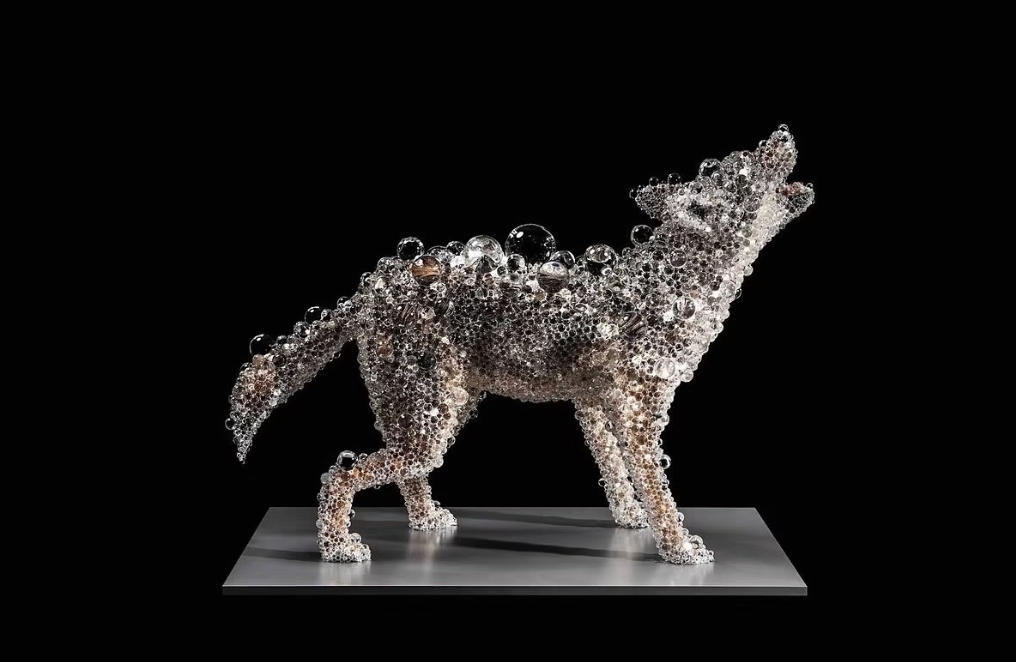
Nawa. PixCell-Coyote-#7. 2019. Glass, Mixed Media.
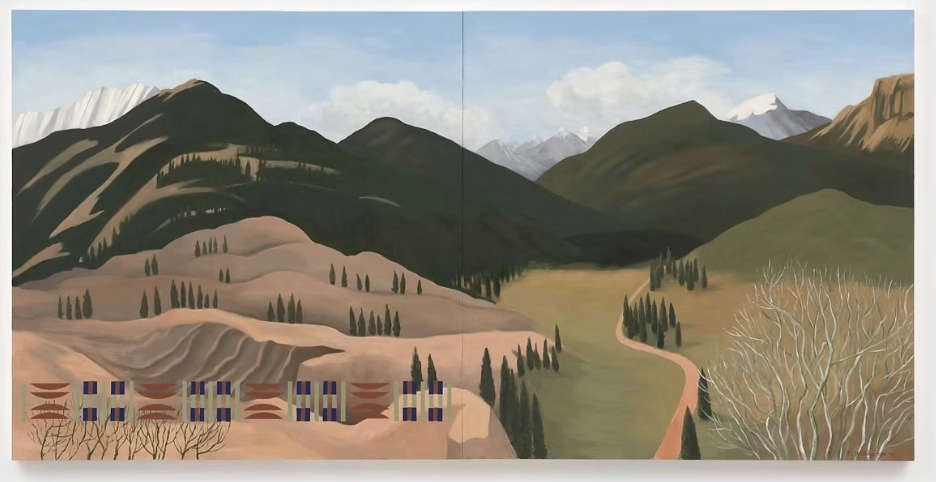
Native American landscape artist and a member of the Cherokee Nation.
Walkingstick. Ascent to Quray. 2025. Oil on wood.