9/3 - Plant Toxicology Gastrointestinal
 Call Kai
 Learn
Learn Practice Test
 Spaced Repetition
 Match
Match Flashcards
 Knowt Play
1/17

There's no tags or description
Looks like no tags are added yet.
Name | Mastery | Learn | Test | Matching | Spaced | Call with Kai | Chat |
|---|
No analytics yet
Send a link to your students to track their progress
18 Terms
Bagpod
What plants, in the genus Sesbania are also called bladder-pods, coffee-beans, rattle bush, or purple rattlebox? They contain glycosides which irritate GI mucous membranes, as well as Sesbanimide in seeds, which is a toxin. This is found in some poultry diets and young chicks eating this can die from it. Signs include watery-mucoid diarrhea with blood, anorexia, decreased rumen activity, and weakness/depression. Chickens can also have a purple comb. It is most common in cattle in late fall, and only the green and ripe seeds are toxic. Moderate-severe abomasal-intestinal reddening and inflammation can occur. Treatment is with fluids, electrolytes, and supportive therapy.

Iris
What plant/flower is toxic if it is one of the rhizomatous species? The toxins include terpenes, organic acids, glycosides, and iridin. Puppies and dogs with access to ornamental plants are most affected. Signs include salivation, abdominal pain, profuse bloody diarrhea, and mild-moderate-severe signs. It will cause reddening, edema, hemorrhage, and mucosal ulcerations. Treatment is with fluids and electrolytes.

Privet
What plant, in the genus Lingustrum contains toxic glycosides and is toxic as a leaf, trimming, or berry? Signs include diarrhea, colic, vomiting, and ataxia. Pathology includes reddening of mucosa. Fluids and electrolytes are used for treatment.

Daffodil
What flower, genus Narcissus, contains phenanthridine alkaloids in its bulbs, flowers, and stems? Signs include salivation, vomiting, diarrhea, restlessness, and sometimes depression or ataxia. Treatment is with anti-diarrheal or anti-emetic drugs.

Pokeweed
What plant is the genus Phytolacca is toxic as a leaf or root, causing transient digestive disorders in monogastric animals and ruminants? Signs include diarrhea (3-4 hours in monos, and 6-8 hours in ruminants), purple-red colored feces due to berries, and in pigs: ataxia, sedation, and tonic seizures. Pathology is reddening of mucosa with small focal erosions. Treatment is with support and fluids.

Buttercups
What group of flowers are in the genus Ranunculus and cause mouth irritation, excessive salivation, and diarrhea if eaten in large quantities? It contains the oily glycoside ranunculin, which is converted by plant enzymes into protoanemonin, which is a strong irritant. Signs include erythema, muzzle/face swelling, nausea, vomiting, diarrhea, and colic due to mucosal irritation, liver damage, skin blisters, hematuria, and red milk discoloration. It is a photodynamic substance, causing photosensitization. Treatment is symptomatic and supportive.

Castor bean
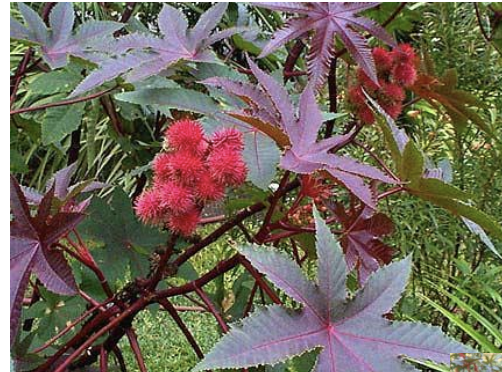
What plant is the species Ricinus communis, and contains lectin toxins similar to Abrin? It has ricin (glycoprotein) made of a lectin B chain and enzymatic A chain, which inhibits ribosomes. It can be used as a biological weapon. Signs include severe GIT irritation, nausea, severe abdominal pain and hemorrhagic diarrhea, anorexia, sweating, vomiting, decreased BP, weakness, trembling, collapse, decreased lactation, thick ropy salivation, hypothermia, rapid water/electrolyte loss, dehydration, hypovolemic shock, increased liver enzymes, and increased urea/creatinine levels. Treatment is with removal of seeds from the GIT, activated charcoal, purgatives, and support treatment.
Senna
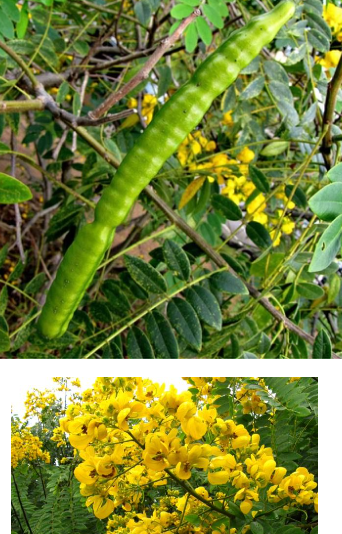
What plant is more toxic as a seed than as foliage, and is most severe in chickens and pigs? It causes diarrhea with straining, plus anorexia, depression, muscle weakness, recumbency, cardiac insufficiency, myoglobinuria, and elevation of AST and CPK. Pathology occurs due to reddening of the mucosa of the stomach/SI and degeneration of skeletal and cardiac muscle (pale, transverse stippling, flabby, pale streaks). Treatment is symptomatic.
Persimmon
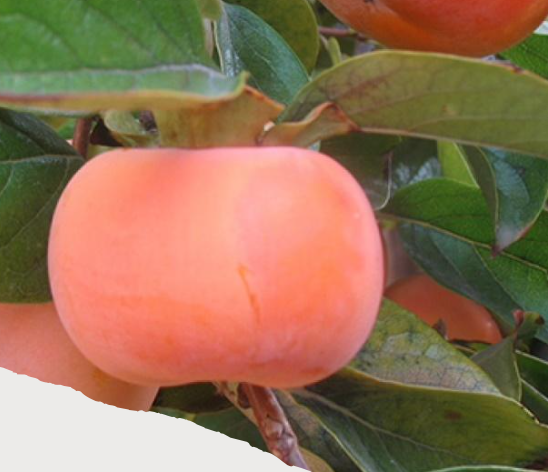
What fruit is in the genus Diospyros and acts as a phytobezoar in the stomach and SI causing impactions of the stomach and rumen? It is most hazardous when eaten prior to ripening. Soluble tannins can also be present and crosslink in the stomach mucosal layer, causing an astringent action on the stomach mucosa resulting in ulceration. Signs include severe colic, absence of motility, elevated heart rate, gastric ulceration, and peritonitis. Reddening and ulceration of mucosa can occur. Treatment is with oral mineral oil, mechanical breakup of phytobezoars with an endoscope, and surgical intervention to remove masses.
Impaction
What GIT abnormality/condition can occur due to poorly chewing or eating entire fruits and seeds (apples, sugar beets, turnips, onions, persimmons)? This can occur in the rumen or intestines, and can also occur due to chinaberry, mesquite pods/beans, mescal beans, and persimmons. Sheep may eat large quantities of mesquite flowers with fibrous hairs that are not digestible.
Capsicum
What genus of plants includes peppers which contain capsaicinoids, causing irritation of the mouth, eyes, and skin, excess salivation, vomiting, and diarrhea, with only transient effects? Treatment is with cool water irrigation and mineral/vegetable oil.

Salivation
The main sign/condition caused by ingestion of Dieffenbachia/dumbcane, Epipremnum/golden pothos, or Philodendron occurs due to irritation by oxalate crystals in the stem and leaves of the plant, plus raphides in idioblast cells? Crystals will remain present in the cornea for several days. Signs also include swelling of the lips, tongue, and mouth, conjunctivitis, and mild/severe pain with anorexia. They are ornamental plants. Treatment is with sedation, NSAIDs, soft food, and steroid ointment for the eyes.

Cactus, Burdock
What two plants when ingested will cause irritation and oral mucosa damage due to sharp spines/burs? These can also cause large ulcers, act as foreign bodies, and cause abscesses and draining wounds.

Spurge
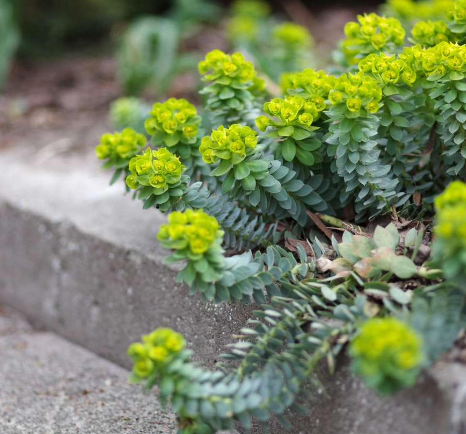
What plant is in the genus Euphorbia, and is an ornamental plant with irritant effects on the oral mucosa, eyes, and skin? It causes excess salivation with inflammation of the mouth and lips. Treatment is with topical relief.
Green
Hymenoxys/bitterweed and Helenium/sneezeweeds can cause salivation that is what coloration? Nasal discharge, sneezing, and vomiting will also occur. Sheep and goats are mainly the only animals affected. The toxins are sesquiterpene (sneezeweed) and pseudoguaianolides (bitterweed). Lactones are also present, binding with sulfhydryl bonds and causing metabolic acidosis and hypoglycemia. Dehydration, spewing sickness in sheep (regurgitation), anorexia, bloating, teeth grinding, abdominal pain, tremors, weight loss, liver degeneration, pneumonia, and bitter milk can also occur. Treatment is supportive with activated charcoal, osmotic laxatives, and antibiotics.

Slobbers
What disease is caused by toxins from the fungus Rhizoctonia leguminicola? This toxin is slaframine, related to swainsonine. It is found on red clover, causing black-brown spots on the leaves especially in wet conditions. It causes illness if ingested over several days and rapidly resolves when feeding another diet.

Rhododendron
What plant is ingested by livestock due to improper disposal of garden clippings and inadequate alternative forage? The toxin is grayanotoxin in all parts, especially leaves. It binds to voltage gated sodium channels, causing delay in closing, followed by persistent activation and increase in sodium permeability. It does not accumulate and is most susceptible to goats and sheep. It can cause toxic honey in humans. Clinical signs include depression, salivation, anorexia, colic, bruxism, bellowing, bloat, regurgitation, diarrhea, weakness, arrhythmias, and paralysis. Treatment is supportive and symptomatic, including purgatives, Ca injections, and antibiotics.

Zigadenus
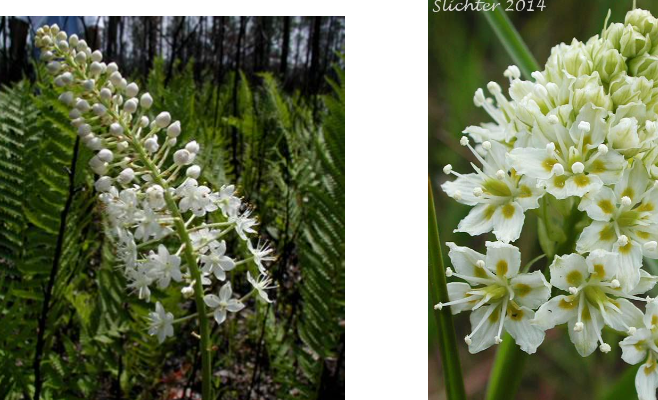
What genus of plants includes death camas/star lilies, with the primary toxic compound zygacine alkaloid? It causes an increase in the permeability of sodium channels of nerve cells, leading to continuous firing then decreased excitability. Increased stimulation of the vagus nerve will occur, leading to hypotension, bradycardia, and apnea. Signs include a profuse frothy discharge, depression, nausea, regurgitation, retching, colic, and teeth grinding. It is especially common in sheep. Animals will be hyperexcitable then weak, and prefer to lie down. Treatment is supportive and symptomatic, including with atropine.