MSK TBL 2: Purine & Pyrimidine Metabolism
 Call Kai
 Learn
Learn Practice Test
 Spaced Repetition
 Match
Match Flashcards
 Knowt Play
1/45

There's no tags or description
Looks like no tags are added yet.
Name | Mastery | Learn | Test | Matching | Spaced | Call with Kai | Chat |
|---|
No analytics yet
Send a link to your students to track their progress
46 Terms
Nucleotides are composed of these 3 parts
pentose sugar
phosphate group
nitrogenous base
RNA & DNA pentose sugar differ by
presence of -OH [RNA] or -H [DNA] on 2’ carbon
Purines
adenine & guanine
2 heterocyclic rings
Pyrimidines
cytosine, thymine, uracil
1 heterocyclic ring
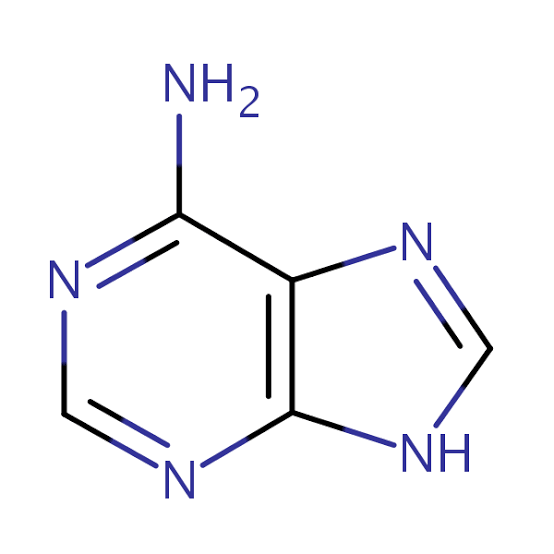
adenine
[NH2 at pos 6]

guanine
[NH2 at pos 2]
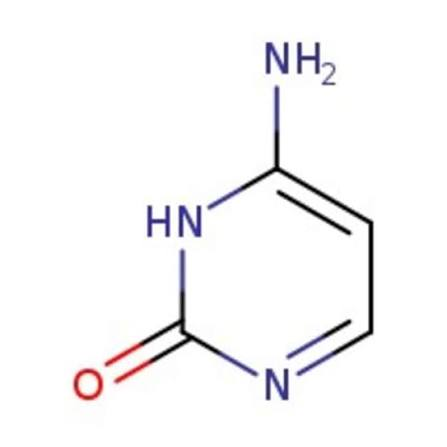
cytosine
[NH2 at pos 4]
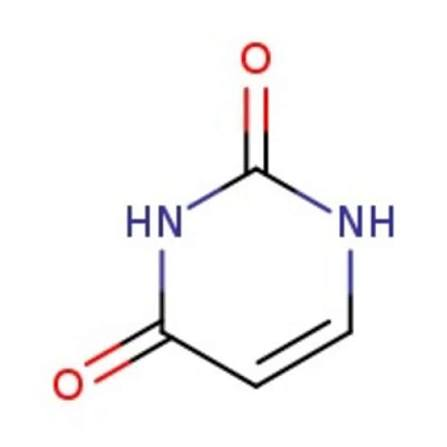
uracil
[deaminated cytosine]
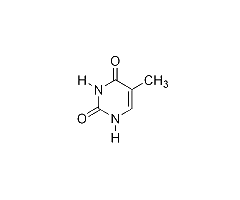
thymine
[methylated uracil]
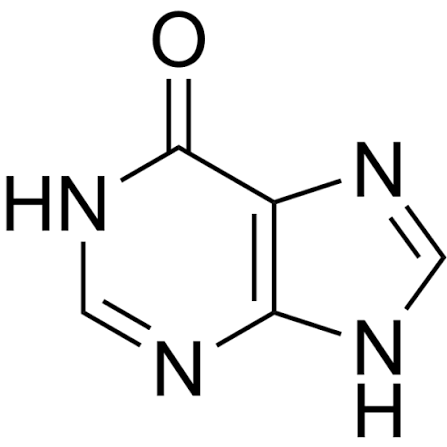
hypoxanthine
[intmd in purine synth, no NH2]
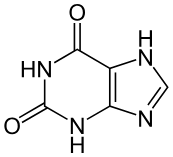
xanthine
[intmd in purine synth, no NH2]
nucleoside
nitrogenous base + pentose sugar
ex. adenosine, guanosine, cytidine, thymidine, uridine
nucleotide
nitrogenous base + pentose sugar + phosphate
ex. adenose triphosphate [ATP]
purine de novo synthesis pathway requires
aspartate, glutamine, CO2, glycine, & THF
heterocyclic rings of hypoxanthine
derive their nitrogen groups from
glutamine, glycine, & aspartate
derive their carbon groups from
CO2, glycine, & THF
pyrimidine de novo synthesis pathway requires
aspartate, glutamine, O2
IMP =
hypoxanthine + PRPP
*a purine nucleotide but not incorporated into DNA or RNA, so intmd in synth of purines
purine de novo synthesis pathway
convert ribose 5-phosphate [from PPP/HMP shunt of glycolysis] to PRPP molecule [ 5-phosphoribosyl-1-pyrophosphate]
convert PRPP → PRA [phosphoribosylamine]
PRA → IMP [inosine monophosphate]
conversion of IMP → adenosine & guanosine nucleotides
Purine salvage pathway
salvages nitrogenous bases back into purine nucleotides rather than breaking them down as uric acid [inosine → hypoxanthine → xanthine → uric acid]
salvaged by addition of nitrogenous bases to PRPP
HGPRT [hypoxanthine-guanine phosphoribosyl transferase]
enzyme that reincorporates
Hypoxanthine + PRPP → IMP
Guanine + PRPP → GMP
APRT [adenine phosphoribosyl transferase]
reincorporates
Adenine + PRPP → AMP
AMP & GMP ____ cross-activate each other
positively
AKA more adenine production drives guanine production, and vice versa
Lesch-Nyhan Syndrome
X-linked recessive disorder
deficiency of essential salvage enzyme HGPRT
gout attacks from high uric acid levels [b/c all purines converted to uric acid w/o enzyme]
neurological impairments, weak muscle tone, & self-mutilating behavior
Severe Combined Immunodeficiency [SCID]
genetic disorder of immune system
autosomal recessive adenosine deaminase [ADA] deficiency
insufficient deoxynucleotide triphosphates [dNTP] → dysfunction of B & T lymphocytes, which normally undergo rapid proliferation
ADA involved in pathway converting common purine intmd → hypoxanthine & xanthine
deficiency → high levels of adenosine → build-up of deoxyadenosine triphosphate [dATP]
→ dATP acts as inhibitor of ribonucleotide reductase → deficiency in dNTP synthesis
Dysfunctional B lymphocytes → susceptible to pathogens like Pneumocystis jirovecii
Dysfunctional T lymphocytes → susceptible to infections like Candida albicans
Cladribine
drug used in treatment of hairy cell leukemia
purine analog that incorporates into DNA → strand breakdown
when drug phosphorylated/activated inside cancer cell, it resists deamination by ADA & accumulates in cancerous cells
Allopurinol, Febuxostat
drug used in treatment of chronic gout [NOT acute gout]
blocks xanthine oxidase [XO] → lowers serum uric acid
*also used to treat Lesch-Nyhan Syndrome
xanthine oxidase [XO]
converts hypoxanthine → xanthine → uric acid
pyrimidine de novo synthesis pathway
begins with amino acid glutamine
create carbamoyl phosphate synthetase II [CPS II] in cell cytoplasm
conversion of carbamoyl phosphate → orotic acid via addition of aspartate
orotic acid added to PRPP to form uridine monophosphate [UMP] via enzyme uridine monophosphate synthase [UMP synthase]
uridine diphosphate [UDP] convert to deoxyuridine diphosphate [dUDP] by enzyme ribonucleotide reductase
methylene-tetrahydrofolate [M-THF] donates 1 C [methyl group] to deoxyuridine monophosphate [dUMP] to form deoxythymidine monophosphate [dTMP]
rxn mediated by thymidylate synthase
from this rxn, M-THF → dihydrofolate [DHF]
CPS II
rate-limiting enzyme in pyrimidine synthesis
inhibited via feedback inhibition from high levels of pyrimidine uridine triphosphate
Uridine monophosphate [UMP]
serves as common precursor to both cytidine monophosphate [CMP] & thymidine monophosphate [TMP] synthesis
*much like IMP in purine synth
ribonucleotide reductase
imp for building nucleotides for DNA replication & repair
tightly controlled b/c dNTP levels must be balanced
unbalanced levels → incorporation of incorrect nucleotides into a cell’s DNA → DNA damage & cell death
control achieved by regulating transcription of enzyme & allosteric regulation
ATP is allosteric activator
deoxyadenosine triphosphate [dATP] is allosteric inhibitor
dihydrofolate reductase
converts DHF to THF
from there, THF readily converted to M-THF, allowing body to continue metabolizing dUMP into thymidine monophosphate → incorporates into DNA
*Uridine monophosphate can only incorporate into RNA
pyrimidine salvage pathway
allows for use of recovered uracil & thymidine to generate uridine & deoxythymidine & their corresponding nucleotides
2 types of enzymes
Phosphorylases
Kinases
Phosphorylases in pyrimidine salvage pathway
attach ribose-1-phosphate [or deoxyribose-1-phosphate] to salvaged bases of uracil & thymine to generate nucleosides uridine & deoxythymidine
inorganic phosphate [Pi] is displaced
Kinases in pyrimidine salvage pathway
uridine kinase catalyzes phosphorylation of uridine → UMP, which can be converted to UTP
thymidine kinase phosphorylates deoxythymidine → dTMP, which can be converted to dTDP →dTTP
UMP Synthase Deficiency
defect in enzyme → orotic aciduria [autosomal recessive]
orotic acid builds up & is excreted in urine
pt no longer able to synth pyrimidines
pts present w/ B12- & folate- resistant megaloblastic anemia
treatment
administer uridine
Ornithine Transcarbamylase [OTC] Deficiency
deficiency in urea cycle enzyme
carbamoyl phosphate builds up → high levels of orotic acid
high ammonia in blood
encephalopathy
Hydroxyurea
antineoplastic [anticancer]
inhibits ribonucleotide reductase → inhibits DNA replication
beneficial in sickle cell disease
Hydroxyurea → increases NO levels → binds & activates cGMP signaling → increases fetal Hb levels
6-Mercaptopurine [6-MP], Azathioprine [prodrug of 6MP]
decreases nucleotide synthesis → decreased proliferation of lymphocytes
at high dosage, inhibits cell proliferation [cytostatic effect]
at low dosage, immunosuppressive effects
Mycophenolate
reversible inhibition of inosine monophosphate [IMP] dehydrogenase → blocks purine synthesis
Ribavarin
antiviral
inhibition of inosine monophosphate [IMP] dehydrogenase → blocks guanine nucleosides synthesis
Methotrexate
anticancer [antineoplastic] & immune suppressant for autoimmune diseases
competitive inhibition of dihydrofolate reductase via displacement of dihydrofolate → decreases THF → decreases dTMP & purine nucleotides
Trimethoprim
antibiotic
competitive inhibition of dihydrofolate reductase via displacement of dihydrofolate → decreases THF → decreases dTMP & purine nucleotides
Pyrimethamine
anthelminthic [antiparasitic]
competitive inhibition of dihydrofolate reductase via displacement of dihydrofolate → decreases THF → decreases dTMP & purine nucleotides
Leflunomide
disease-modifying antirheumatic drug [DMARD]
reversibly inhibits dihydrofolate dehydrogenase [an enzyme that produces orotic acid in the pyrimidine synth pathway]
Capecitabine
5FU pro-drug
5-fluorouracil [5-FU]
pyrimidine analog that incorporates into DNA & RNA to decrease DNA & RNA synth
complex formation w/ thymidylate synthase & folic acid → inhibition of thymidylate synthase → decreased dTMP prod. → decreased DNA synthesis