Themes in art culture 1 midterm
 Call Kai
 Learn
Learn Practice Test
 Spaced Repetition
 Match
Match Flashcards
 Knowt Play
1/45

There's no tags or description
Looks like no tags are added yet.
Name | Mastery | Learn | Test | Matching | Spaced | Call with Kai | Chat |
|---|
No analytics yet
Send a link to your students to track their progress
46 Terms

Nude Women / Willendorf, Austria / 28k-25k BCE / limestone
Sculpture was originally coated with red ochre which was significant in prehistoric burials/rituals
The limestone came from northern Italy
Its exaggerated proportions suggest its a self portrait of a women looking down at herself
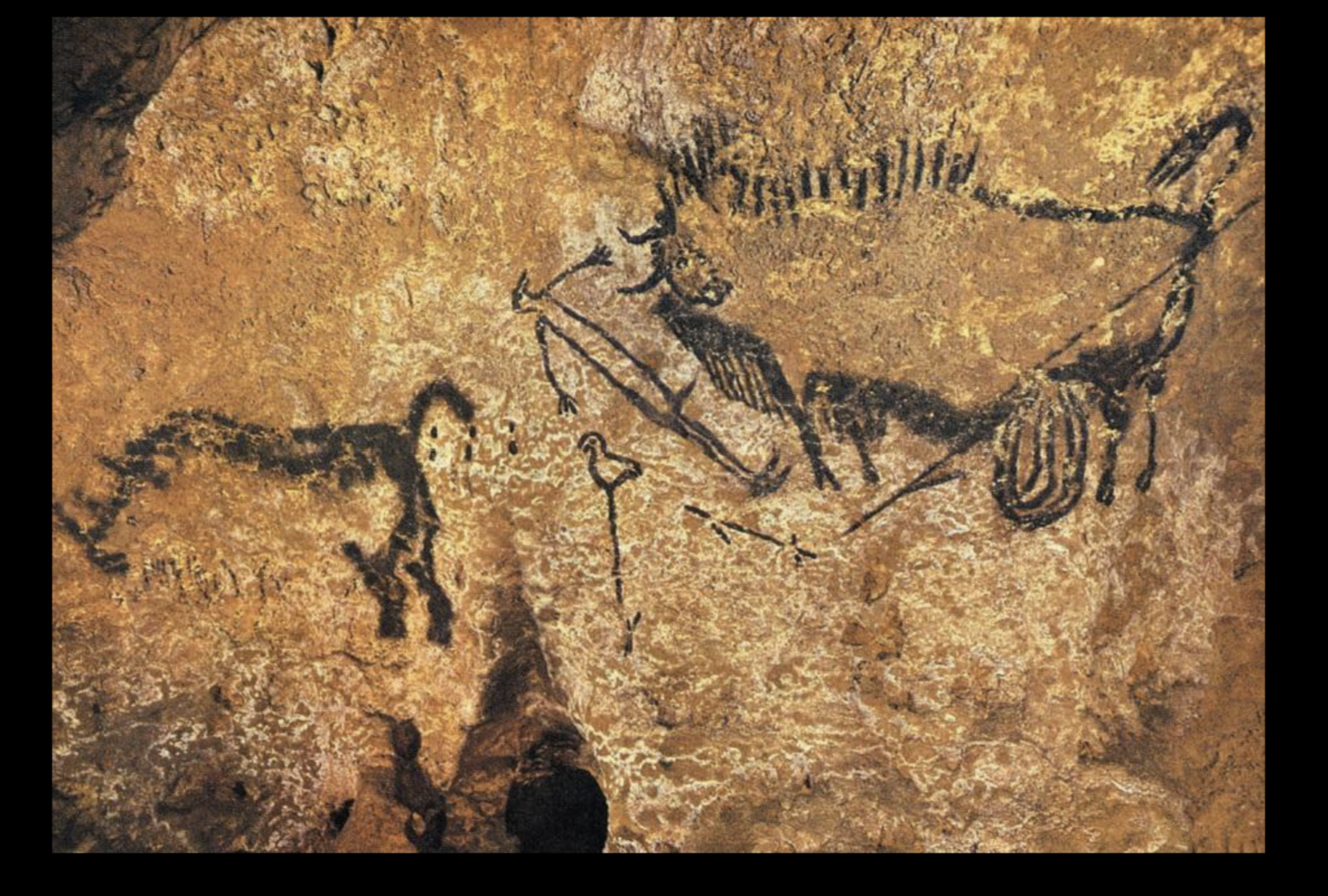
Rhinoceros, wounded man, and disemboweled bison / Well of Lascaux Cave, France / 16k-14k BCE / wall painting
was discovered by 4 teenagers in 1940
made with paint from ochre and magnesium oxides and engraving
may have been a prehistoric star map

Head of an Akkadian ruler / nineveh / 2250-2200 BCE / copper
made via low wax casting
copper came from Magan, acquired through military expansion
made to be attached to a body made from diff material

victory stele of naram-sin / susa, iran / 2254-2218 / pink sandstone
suffered intentional dmg. its upper half was defaced, and a king added his own inscription after seizing the monument.
naram sin was the 4th king on the akkadian dynasty, and acquired a lot of land.
first akkadian king to claim divine status

seated gudea / girsu / 2100 BCE / diorite
ruled the city of lagash after collapse of akkadian empire
the diorite came from southern magan, dark/hard stone
hand pose inherited from sumerian votive statues

lion atking bull & medes carrying offerings / apadana of Persepolis, iran / 521-465 BCE / limestone
both reflect visual arguments for power
low relief carvings, originally painted
bull vs lion motif lasted a while throughout other civilization/empire’s art

palette of king narmer / hierakonpolis, egypt / 3000-2920 BCE / slate
slate came from eastern egyptian desert
used to grind malachite/green eye paint
likely a votive offering/dedicated to a deity

Khafre Enthroned / gizeh, egypt / 2520-2494 BCE / diorite
stone is greenish, reflects Egyptian funerary values of rebirth
carved via subtractive method(starts as block and gets slowly carved away)
stone came from nubia

menkaure and khamerernebty / gizeh, egypt / 2490-2472 BCE / graywacke
sculptor suspescted to have died before finishing it
menkaure was the 5th king of dynasty 4
was found in mankaure’s valley temple

seated scribe / saqqara, egypt / 2500 BCE / painted limestone
discoveed by french archaeologist auguste mariette
eyes made from polished rock crystal/wooden dowel nipples
cross legged writing pose seen as privileged

mortuary temple of hatshepsut / deir el-bahri, egypt / 1473-1458 BCE
took roughly 13 yrs to create
inspired by temple of Mentuhotep II
hatshepsut was a female pharoah during the 18th dynasty

seated hatshepsut / her mortuary temple, deir el bahri, egypt / 1473 -1458 BCE / limestone and paint
carved from indurated limestone which takes a high polish
the headdress was originally painted w/ blue and yellow petals
wears the ceremonial attire of a male pharoah

nebamun hunting fowl and funerary banquet / tomb of nebamun, thebes, egypt / 1400-1350 BCE / fresco secco
created via polychrome wall paintings on plaster
limestone was bad quality which didn’t allow relief carving
nebamun was a wealthy, high ranking offical/scribe

akhenaton, nefertiti, three daughters / amarna, egypt / 1353-1335 BCE / limestone
sunken relief carving
this was a house alter/personal shrine for worship
long skulls/ informal poses reflect amarna natursalism
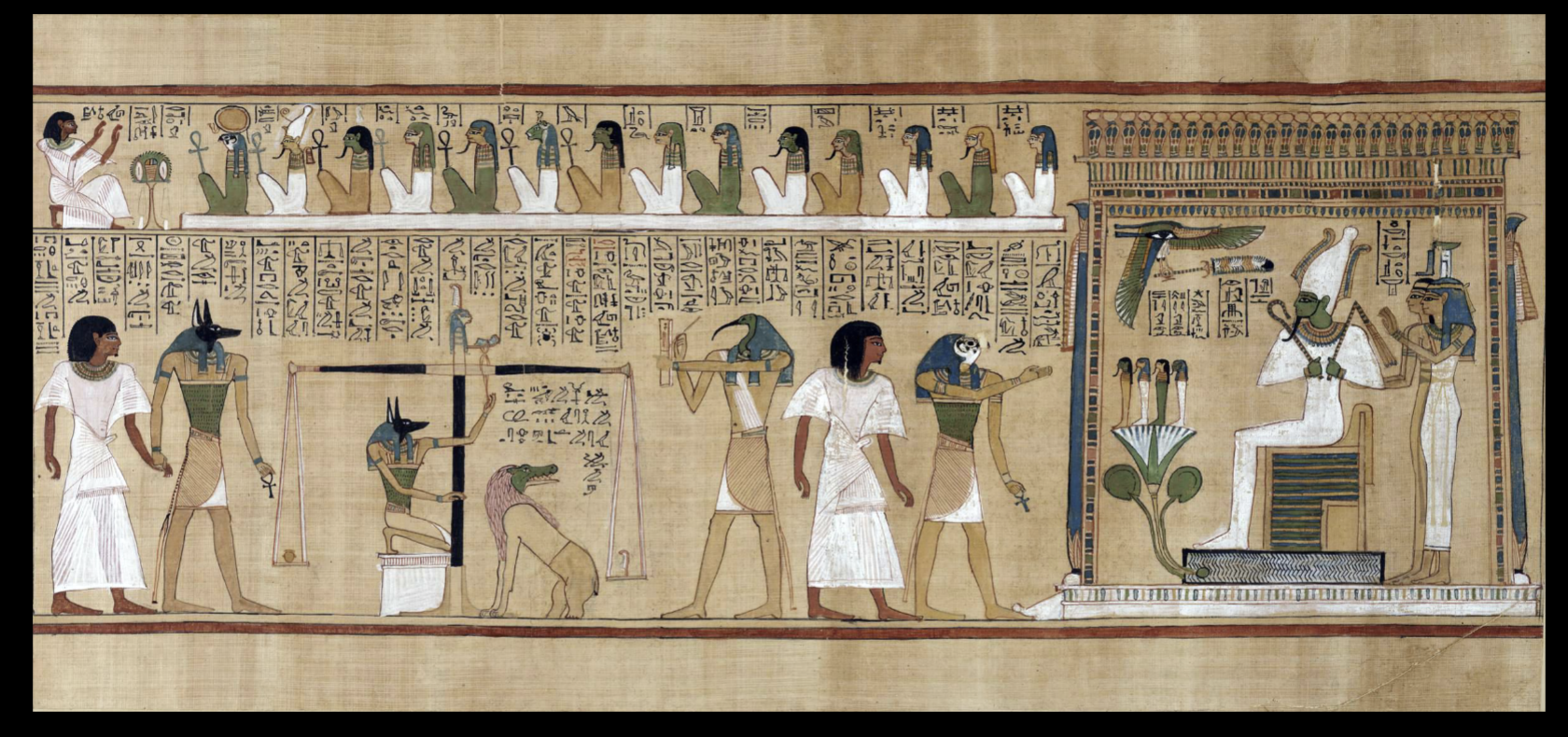
page from the book of the dead of hunefer / thebes, egypt / 1300-1290 BCE / painted papyrus scroll
custom made set of spells in tomb to guide the dead
scene of weighing of the heart against f=the feather of maat. if it fails, ammit would devour the heart
hunefer was a royal scribe/steward meaning he could pay for a quality scroll

harp player / naxos / cyclades, greece / 2800-2700 BCE / marble
marble carved with abrasive emery/obsidian tools
was originally painted
was a grave offering, suggests funerary role

snake godess / palace of knossos, crete, greece / 1600 BCE / faience
snakes symbolize ferility/renewal
faience is glazed ceramic paste that was considered prestigious material
restored by arthur evans, some modern aspects

Lions gate / mycenae, greece / 1300-1250 BCE / limestone
uses post and lintel construction
had lion heads that were separately carved. now lost.
cyclopean masonry named for the later greek belief that only cyclops could move the stones
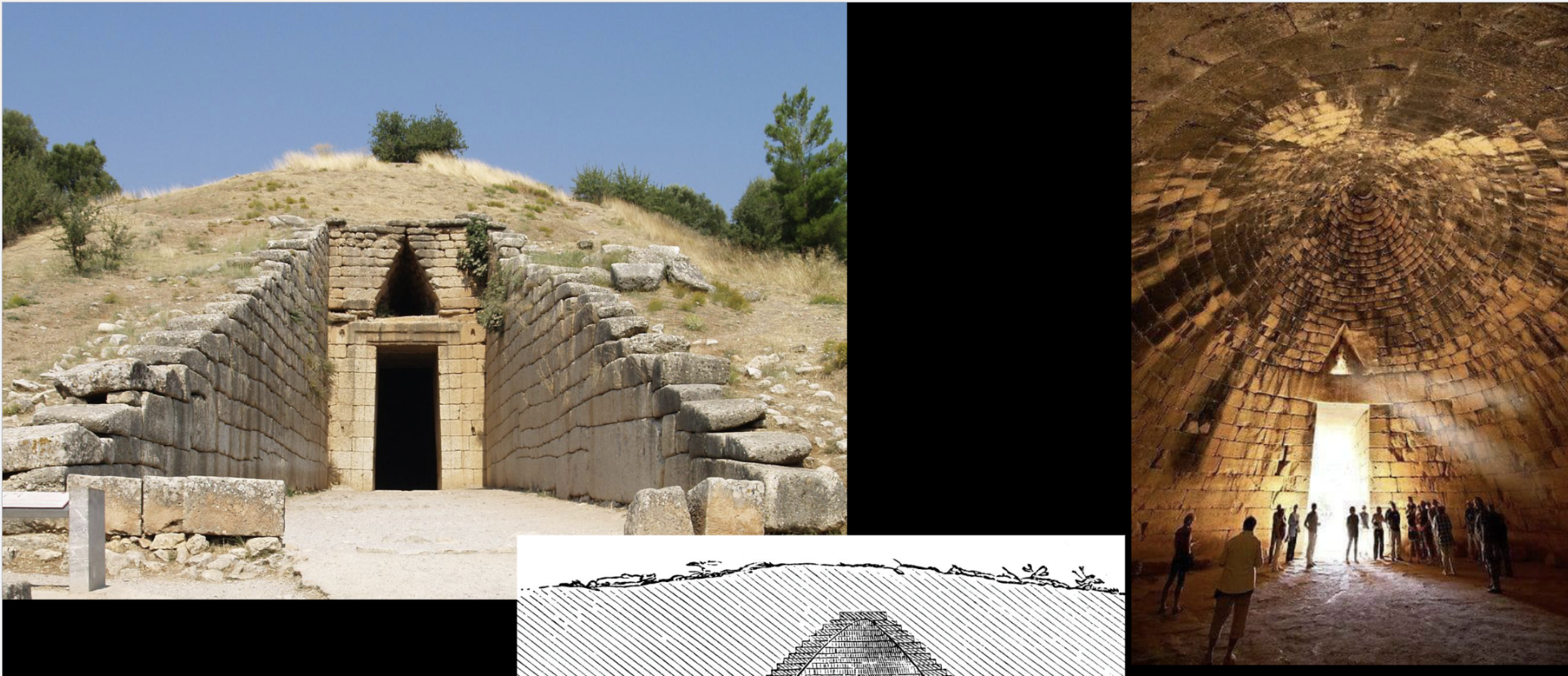
treasury of atreus / mycenae, greece / 1300-1250 BCE
tholos tomb with corbel vault of stacked, inwards stepping stones
was misnamed, predates atreus and was a royal burial
large lintel blocks reflect mycenean wealth/engineering

two goddesses and a child / mycenae, greece / 1400-1250 BCE / ivory
ivory was imported, signals elite wealth
drapery shows minoan influence on mycenaen art
may be early forms of demter and persephone

warrior vase / mycenae, greece / 1200 BCE / painted ceramic
a krater for mixing wine/water
found in a house, implies it was an everyday object
its painted in dark slip on pale clay, standard mycenaen technnique

geometric krater / dipylon cematary, athens, greece / 750-735 BCE / painted terracotta
grave marker with open base so libations can be poured to the dead
scene shows prothesis: laying out of the body
meaner patters and stylized figured show return of human imagery to greeks after dark ages

iktinos and kallikrates / parthenon, acropolis, athens / 447-443 BCE / marble
built under pericles for athena
it is doric with an ionic frieze
later became a church/mosque, was dmged by explosion

Three goddresses / east pediment of the parthenon, acropolis, athens, greece / 438-432 BCE / marble
they saw birth of athena from zeus’s head
wet drapery used to depict female bodies without carving them nude bc it was culturally frowned upon for the greek
pentelic marble from a mountain near athens

kroisos / anavysos, greece / 530 BCE / marble
a grave marker for a warrior killed in battle
rigid stance and smile derived from Egyptian influence
made via the subtractive method

polykleitos(canon) / pompeii, italy / 450-440 BCE / roman copy of greek bronze original
uses contrapposto with chiastic balance
original bronze copy was lost
was found in a gymnasium

Praxiteles / aphrodite of knidos / 350-340 BCE / roman marble copy of greek marble og
survived only through roman copies of lost greek ogs
first nude female in greek art
was the cult statue of the shrine, attracted many visitors

Athanodoros, hagesandros, and polydoros or rhodes laocoon and his sons / rome, italy / 1st c. CE / marble
depicts the trojan priest who warned against the wooden horse being killed by serpents
excavated during renaissance
influenced Michelangelo’s work

lysippos(weary hercules) / baths of caracalla, rome / og: 320 BCE / roman marble copy of greek bronze og
legs were missing but restored by renaissance sculptor
signed by glykon of athens
sculpture reflects hercules after completing one of his 12 labors, apples of the hesperides

eye cup / athens, greece / 520 BCE / black figure terracotta kylix
depicted dolphins are the pirates dionysos transformed
eyes ward off evil and makes it look like a mask when used
in black figure technique, figures are painted in slip that fires black and details are etched through it to reveal clay

Alexander moasic / house of faun, pompeii / late 2nd c. CE / roman mosaic copy of greek painting
depicts alexander the great vs darius iii in the battle of issos
forshortening/shading perserves sophistication of Hellenistic painting
made using only 4 colors

tomb of the leopards / tarquinia, italy / 480-470 BCE
fresco painted directly on tomb walls
women banquet alongside men, greek writers found this shocking
depicted leopards acts as gaurdians, with banquet suggests afterlife continuing earthly pleasures

Man with portrait busts of his ancestors / rome, italy / late 1st c. BCE / marble
right to display ancestral portraits was a privledge for patrician class
head isnt original to the body, its a combo of 2 pieces
reflects roman tradition of imagines maiorum

Dionysiac mystery frieze / villa of the mysteries / pompeii, italy / 60-50 BCE / fresco
likely shows bride’s initiation into the cult of dionysus
its fresco painted on wet plaster, allowing the pigment to bond to the wall as it dries
red pigment derives from red ochre and cinnabar

Augustus as general / primaporta, italy / 1st c. CE / compy of bronze og from 30 CE marble / 6’8
has contrapposto borrowed from the doryphoros, linking augustus the classical ideas
breastplate commemorates diplomatic return of partian standards
same hairstyle appears in all his portraits
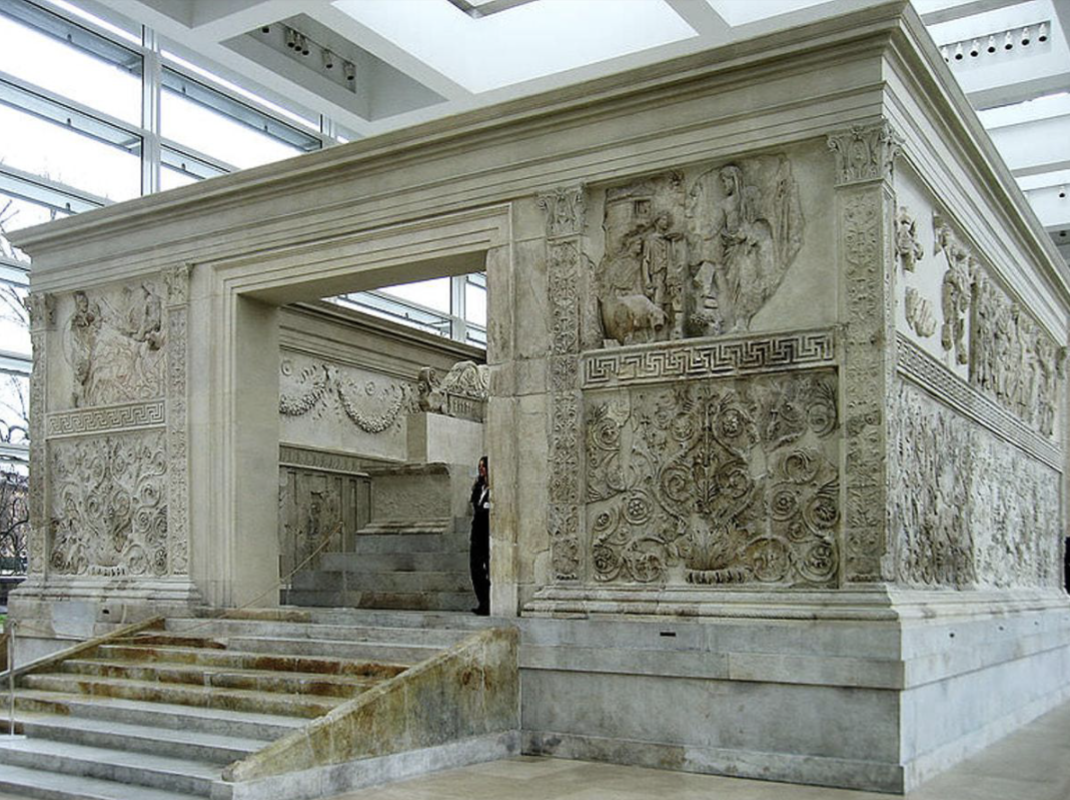
ara pacis augustae / rome,italy / 13-9 BCE / carrara marble
commissioned by the senate to celebrate the pax romana
acanthus scrolls and tellus panel reflect abundance and renewal
procession borrows its classical style and drapery from parthenon frieze
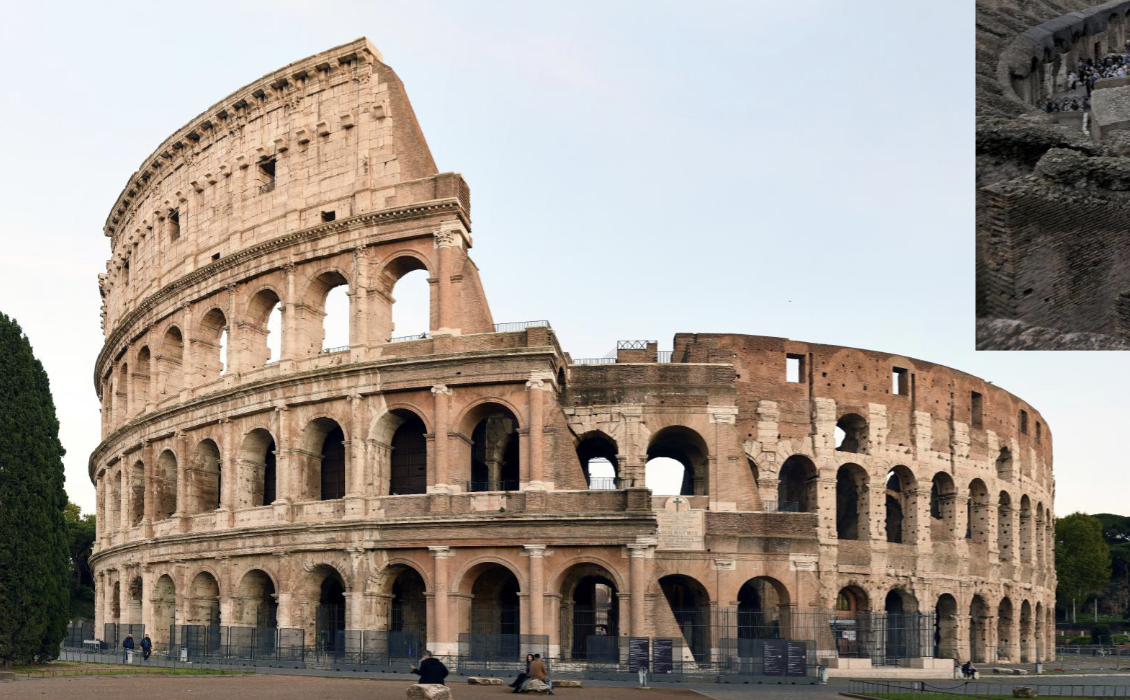
colosseum / rome, italy / 70-80 CE
made from concrete faced with tracertine
sits on the drained site of neros private lake, returning land to the people
underground chambers housed animals and gladiators

Pantheon / rome, italy / 118-125 CE / concrete and marble
the columns were imported from egypt
temple for all the roman gods
concrete uses volcanic ash

colossus of constantine / basilica nova, rome, italy / 315-330 CE / marble
its body was lost but made from brick and wood
believed to have been reworked for maxentius but reworked for constantine
hair combed forward like augustus’s portraits, linking him to the first emperor

arch of constantine / rome, italy / 312-315 CE / marble
commemorates victory over maxentius
reuses reliefs from monuments for previous roman emporors to say Constantine was a good emperor
largest surviving triumphal arch in rome w/ 3 passageways

army of the first emporor of qin / lintong, china / 210 BCE / painted terracotta
soliders originally hold bronze weapons
guards the first emperors tomb, believed that he would need an army in the afterlife
emporor qin was a very strict ruler

funerary banner of lady dai / tomb 1, mawangudi, china / 168 BCE / painted silk
buried with lady dai to guide her soul
lady dai was a noblewomen in the han dynasty that died from health issues at 50
sun w/ crow/moon/toad are symbols for yin/yang

fan kuan / travelers amound mountains and streams / 11th c. / hanging scroll, ink and colors on silk
artist hid his signature in the leaves and was discovered in the 20th century
scale diff between mountain and human reflect daoist/neo confucian harmony with nature
painted rocky texture with dense short dabs called raindrop strokes

haniwa worrior / gunma prefecture, japan / 5-6th c. / low fired clay
hollow terracotta built with coils
was a burial mound to protect a dead leader
reflects presence of elite warrior classes and inspired Chinese armour styles

azumaya scene(tale of genji) / japan . 1130 c. / handscroll, ink and colors on paper
one of the earliest surviving illustrations of the tale of genji
uses tsukukie technique
azumaya is an open air structure usually found in gardens, parks, shrines
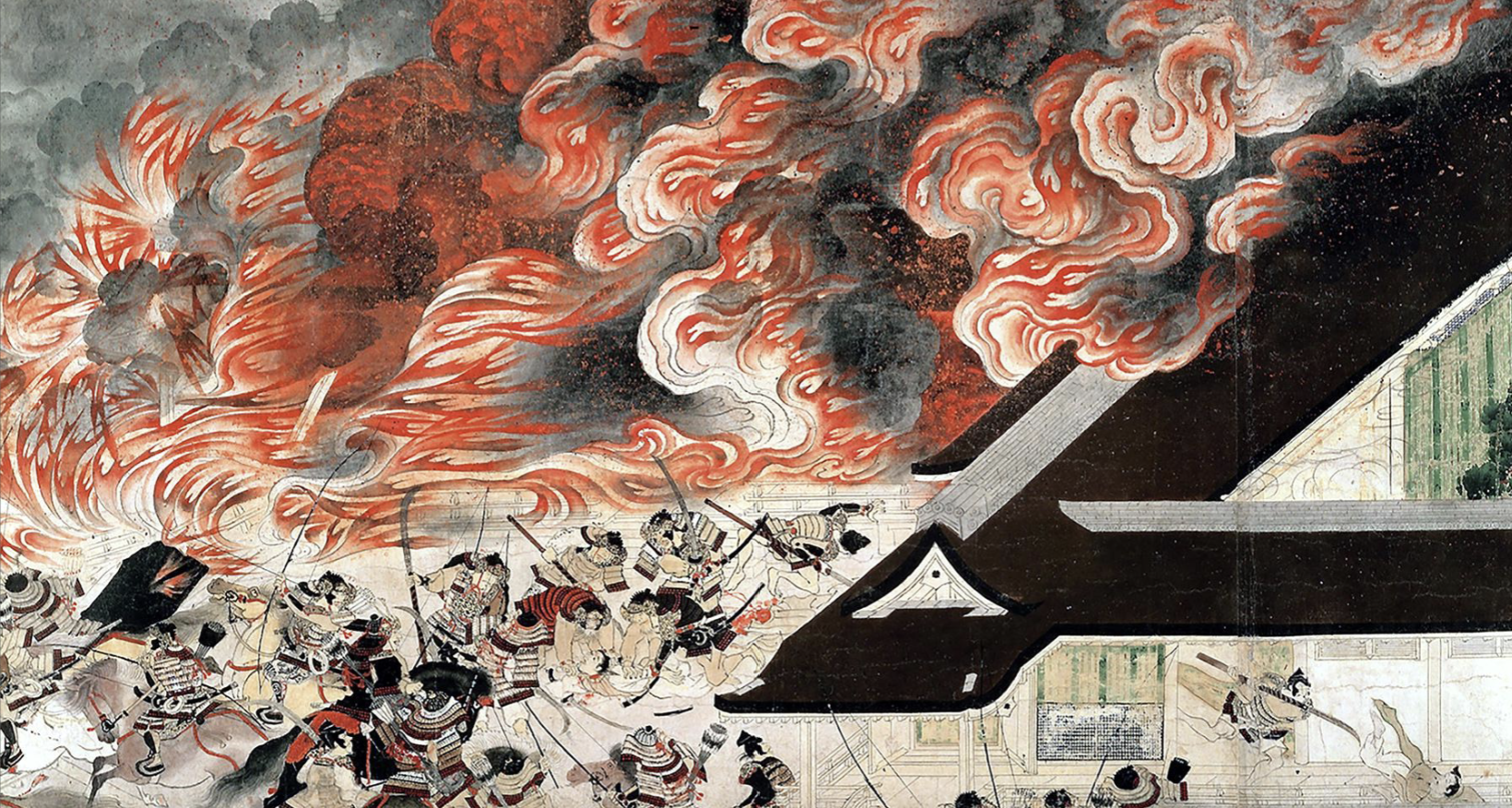
night attack on the sanjo palace / japan / 13th c. / handscroll, ink and colors on paper
dynamic violent style reflects rise of warrior culture
rebellion came from the rivalry between the taira and minamoto clans
tale was originally chanted by storytellers