AP Chemistry — VSEPR Shapes, Angles & Hybridization
 Call Kai
 Learn
 Practice Test
 Spaced Repetition
 Match
 Flashcards
 Knowt Play
1/214

Earn XP
Description and Tags
215 cards covering 13 VSEPR configurations: image identification, AXE notation, electron domains, bonded atoms, lone pairs, electron geometry, bond angles, traditional hybridization, examples, lone-pair placement, planarity, and polarity. Supplied diagrams show idealized angles; actual lone-pair geometries can be distorted.
215 Terms
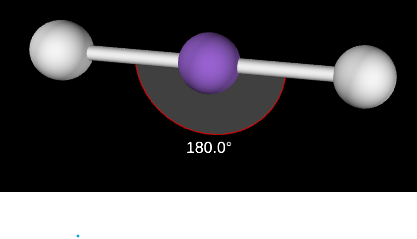
Image 01: Identify the molecular shape and AXE notation.
Linear (AX2)

Image 02: Identify the molecular shape and AXE notation.
Trigonal planar (AX3)

Image 03: Identify the molecular shape and AXE notation.
Bent (AX2E)
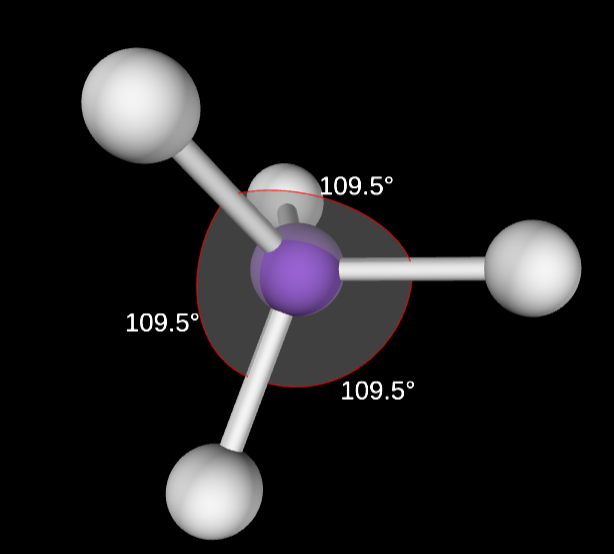
Image 04: Identify the molecular shape and AXE notation.
Tetrahedral (AX4)

Image 05: Identify the molecular shape and AXE notation.
Trigonal pyramidal (AX3E)
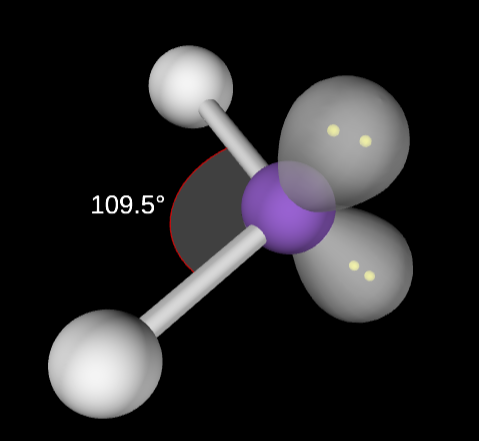
Image 06: Identify the molecular shape and AXE notation.
Bent (AX2E2)

Image 07: Identify the molecular shape and AXE notation.
Trigonal bipyramidal (AX5)

Image 08: Identify the molecular shape and AXE notation.
Seesaw (AX4E)
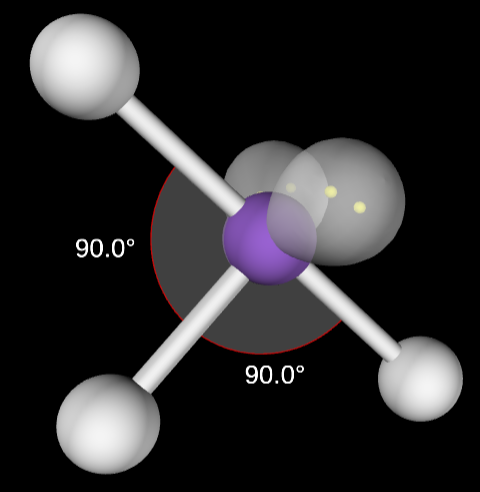
Image 09: Identify the molecular shape and AXE notation.
T-shaped (AX3E2)
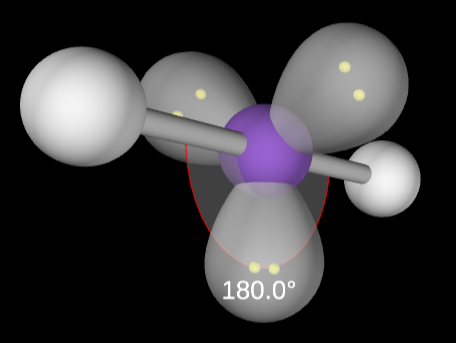
Image 10: Identify the molecular shape and AXE notation.
Linear (AX2E3)
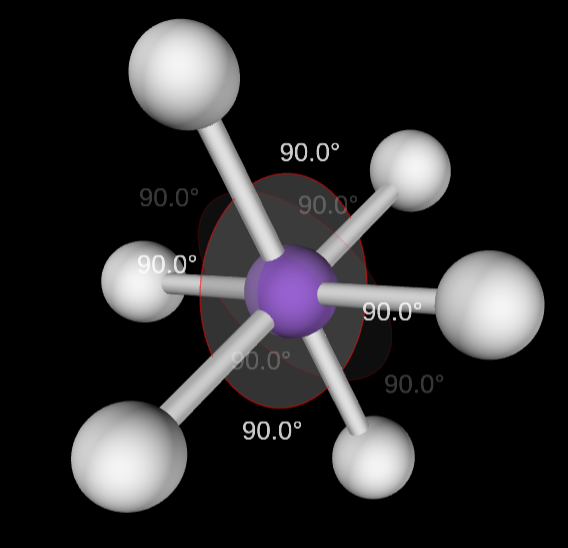
Image 11: Identify the molecular shape and AXE notation.
Octahedral (AX6)
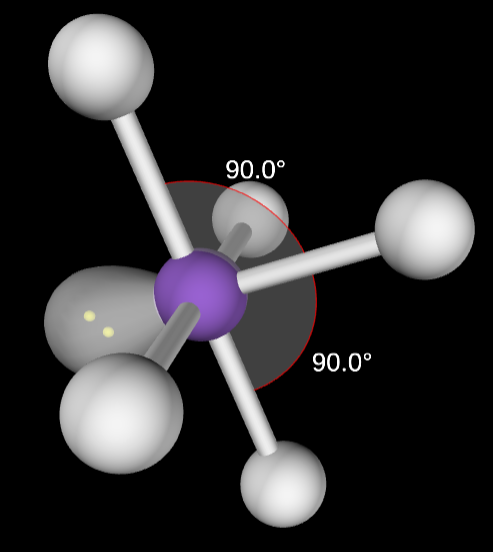
Image 12: Identify the molecular shape and AXE notation.
Square pyramidal (AX5E)
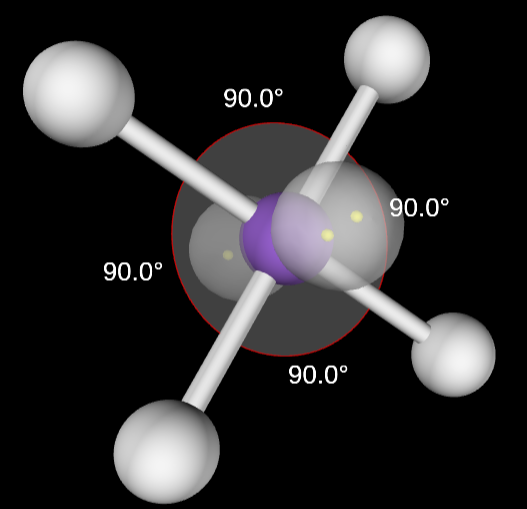
Image 13: Identify the molecular shape and AXE notation.
Square planar (AX4E2)
Linear (CO2-type): What is the AXE notation?
AX2
Linear (CO2-type): How many total electron domains (steric number) surround the central atom?
2
Linear (CO2-type): How many bonded atoms / bonding domains surround the central atom?
2
Linear (CO2-type): How many lone pairs are on the central atom?
0
Linear (CO2-type): What is the electron-domain geometry?
Linear
Linear (CO2-type): What are the bond angles, including ideal versus actual distinctions?
180°
Linear (CO2-type): What is the traditional classroom hybridization label?
sp
Linear (AX2): Name a representative molecule.
CO2 (two double bonds still give two domains)
Linear (CO2-type): Where are the central lone pairs located?
No central lone pairs.
Linear (CO2-type): Describe the three-dimensional arrangement of bonded atoms.
Two bonded atoms on opposite sides of the center.
Linear (CO2-type): Are the central atom and all bonded atoms coplanar?
Yes, collinear.
Linear (CO2-type): For identical surrounding atoms with polar bonds, do the bond dipoles cancel?
Nonpolar: equal, opposite bond dipoles cancel.
Identify the shape: 2 domains, 2 bonded atoms, 0 central lone pairs.
Linear (AX2)
Linear (CO2-type): Recall the complete configuration.
2 domains; 2 bonded atoms; 0 central lone pairs. Electron geometry: Linear. Angles: 180° Hybridization: sp. Example: CO2 (two double bonds still give two domains). Layout: Two bonded atoms on opposite sides of the center. Lone pairs: No central lone pairs.
Trigonal planar: What is the AXE notation?
AX3
Trigonal planar: How many total electron domains (steric number) surround the central atom?
3
Trigonal planar: How many bonded atoms / bonding domains surround the central atom?
3
Trigonal planar: How many lone pairs are on the central atom?
0
Trigonal planar: What is the electron-domain geometry?
Trigonal planar
Trigonal planar: What are the bond angles, including ideal versus actual distinctions?
120°
Trigonal planar: What is the traditional classroom hybridization label?
sp2
Trigonal planar (AX3): Name a representative molecule.
BF3
Trigonal planar: Where are the central lone pairs located?
No central lone pairs.
Trigonal planar: Describe the three-dimensional arrangement of bonded atoms.
Three bonded atoms at the corners of a triangle around the center.
Trigonal planar: Are the central atom and all bonded atoms coplanar?
Yes.
Trigonal planar: For identical surrounding atoms with polar bonds, do the bond dipoles cancel?
Nonpolar: three equal bond dipoles cancel.
Identify the shape: 3 domains, 3 bonded atoms, 0 central lone pairs.
Trigonal planar (AX3)
Trigonal planar: Recall the complete configuration.
3 domains; 3 bonded atoms; 0 central lone pairs. Electron geometry: Trigonal planar. Angles: 120° Hybridization: sp2. Example: BF3. Layout: Three bonded atoms at the corners of a triangle around the center. Lone pairs: No central lone pairs.
Bent (SO2-type): What is the AXE notation?
AX2E
Bent (SO2-type): How many total electron domains (steric number) surround the central atom?
3
Bent (SO2-type): How many bonded atoms / bonding domains surround the central atom?
2
Bent (SO2-type): How many lone pairs are on the central atom?
1
Bent (SO2-type): What is the electron-domain geometry?
Trigonal planar
Bent (SO2-type): What are the bond angles, including ideal versus actual distinctions?
Less than 120°; 120° is the parent ideal angle.
Bent (SO2-type): What is the traditional classroom hybridization label?
sp2
Bent (AX2E): Name a representative molecule.
SO2
Bent (SO2-type): Where are the central lone pairs located?
One of the three trigonal planar domain positions.
Bent (SO2-type): Describe the three-dimensional arrangement of bonded atoms.
Two bonds form a V; the third domain is a lone pair.
Bent (SO2-type): Are the central atom and all bonded atoms coplanar?
Yes.
Bent (SO2-type): For identical surrounding atoms with polar bonds, do the bond dipoles cancel?
Polar: the two bond dipoles do not cancel.
Identify the shape: 3 domains, 2 bonded atoms, 1 central lone pairs.
Bent (AX2E)
Bent (SO2-type): Recall the complete configuration.
3 domains; 2 bonded atoms; 1 central lone pairs. Electron geometry: Trigonal planar. Angles: Less than 120°; 120° is the parent ideal angle. Hybridization: sp2. Example: SO2. Layout: Two bonds form a V; the third domain is a lone pair. Lone pairs: One of the three trigonal planar domain positions.
Tetrahedral: What is the AXE notation?
AX4
Tetrahedral: How many total electron domains (steric number) surround the central atom?
4
Tetrahedral: How many bonded atoms / bonding domains surround the central atom?
4
Tetrahedral: How many lone pairs are on the central atom?
0
Tetrahedral: What is the electron-domain geometry?
Tetrahedral
Tetrahedral: What are the bond angles, including ideal versus actual distinctions?
109.5°
Tetrahedral: What is the traditional classroom hybridization label?
sp3
Tetrahedral (AX4): Name a representative molecule.
CH4
Tetrahedral: Where are the central lone pairs located?
No central lone pairs.
Tetrahedral: Describe the three-dimensional arrangement of bonded atoms.
Four bonds point to the corners of a tetrahedron.
Tetrahedral: Are the central atom and all bonded atoms coplanar?
No.
Tetrahedral: For identical surrounding atoms with polar bonds, do the bond dipoles cancel?
Nonpolar: four equal bond dipoles cancel.
Identify the shape: 4 domains, 4 bonded atoms, 0 central lone pairs.
Tetrahedral (AX4)
Tetrahedral: Recall the complete configuration.
4 domains; 4 bonded atoms; 0 central lone pairs. Electron geometry: Tetrahedral. Angles: 109.5° Hybridization: sp3. Example: CH4. Layout: Four bonds point to the corners of a tetrahedron. Lone pairs: No central lone pairs.
Trigonal pyramidal: What is the AXE notation?
AX3E
Trigonal pyramidal: How many total electron domains (steric number) surround the central atom?
4
Trigonal pyramidal: How many bonded atoms / bonding domains surround the central atom?
3
Trigonal pyramidal: How many lone pairs are on the central atom?
1
Trigonal pyramidal: What is the electron-domain geometry?
Tetrahedral
Trigonal pyramidal: What are the bond angles, including ideal versus actual distinctions?
Less than 109.5°; about 107° in NH3.
Trigonal pyramidal: What is the traditional classroom hybridization label?
sp3
Trigonal pyramidal (AX3E): Name a representative molecule.
NH3
Trigonal pyramidal: Where are the central lone pairs located?
One of the four tetrahedral domain positions.
Trigonal pyramidal: Describe the three-dimensional arrangement of bonded atoms.
Three bonded atoms form a triangular base, with the central atom above it.
Trigonal pyramidal: Are the central atom and all bonded atoms coplanar?
No.
Trigonal pyramidal: For identical surrounding atoms with polar bonds, do the bond dipoles cancel?
Polar: bond dipoles leave a net dipole along the pyramid axis.
Identify the shape: 4 domains, 3 bonded atoms, 1 central lone pairs.
Trigonal pyramidal (AX3E)
Trigonal pyramidal: Recall the complete configuration.
4 domains; 3 bonded atoms; 1 central lone pairs. Electron geometry: Tetrahedral. Angles: Less than 109.5°; about 107° in NH3. Hybridization: sp3. Example: NH3. Layout: Three bonded atoms form a triangular base, with the central atom above it. Lone pairs: One of the four tetrahedral domain positions.
Bent (H2O-type): What is the AXE notation?
AX2E2
Bent (H2O-type): How many total electron domains (steric number) surround the central atom?
4
Bent (H2O-type): How many bonded atoms / bonding domains surround the central atom?
2
Bent (H2O-type): How many lone pairs are on the central atom?
2
Bent (H2O-type): What is the electron-domain geometry?
Tetrahedral
Bent (H2O-type): What are the bond angles, including ideal versus actual distinctions?
Less than 109.5°; about 104.5° in H2O.
Bent (H2O-type): What is the traditional classroom hybridization label?
sp3
Bent (AX2E2): Name a representative molecule.
H2O
Bent (H2O-type): Where are the central lone pairs located?
Two of the four tetrahedral domain positions.
Bent (H2O-type): Describe the three-dimensional arrangement of bonded atoms.
Two bonds form a V; two other domains are lone pairs.
Bent (H2O-type): Are the central atom and all bonded atoms coplanar?
Yes; the three atoms lie in a plane, although all four electron domains do not.
Bent (H2O-type): For identical surrounding atoms with polar bonds, do the bond dipoles cancel?
Polar: the two bond dipoles do not cancel.
Identify the shape: 4 domains, 2 bonded atoms, 2 central lone pairs.
Bent (AX2E2)
Bent (H2O-type): Recall the complete configuration.
4 domains; 2 bonded atoms; 2 central lone pairs. Electron geometry: Tetrahedral. Angles: Less than 109.5°; about 104.5° in H2O. Hybridization: sp3. Example: H2O. Layout: Two bonds form a V; two other domains are lone pairs. Lone pairs: Two of the four tetrahedral domain positions.
Trigonal bipyramidal: What is the AXE notation?
AX5
Trigonal bipyramidal: How many total electron domains (steric number) surround the central atom?
5
Trigonal bipyramidal: How many bonded atoms / bonding domains surround the central atom?
5