medsurge exam 3 everything burger
 Call Kai
 Learn
 Practice Test
 Spaced Repetition
 Match
 Flashcards
 Knowt Play
1/90

There's no tags or description
Looks like no tags are added yet.
91 Terms
diabetes
defect in insulin production/action
diabetes risk factors
age >42 (T2) or <30 (T1)
HDL <35mg/dl or TG >250
HTN, genetics, obesity, race, pocs
insulin
anabolic/storage hormone
stores glucose in liver & muscle
inhibits glycogenolysis + glyconeogenesis (amino acids → glucose, 8-12hr fast)
glucagon hormone increases BG lvl
T1DM (5-10%)
autoimmune destruction of beta cells (autoantibodies)
Immune activation (B cell attacked)
Response (development of antibody)
Long-acting (basal) insulin required
genetic/immunologic/environmental
↑ glyconeogenesis
↑ ketones (acidic)
DKA RISK
polyuria
polydipsia
BG > 400 (250-500)
fruity breath
dry skin
n/v

T1DM & T2DM similarities
polyuria
polydipsia
polyphagia
blurry vision
weight loss
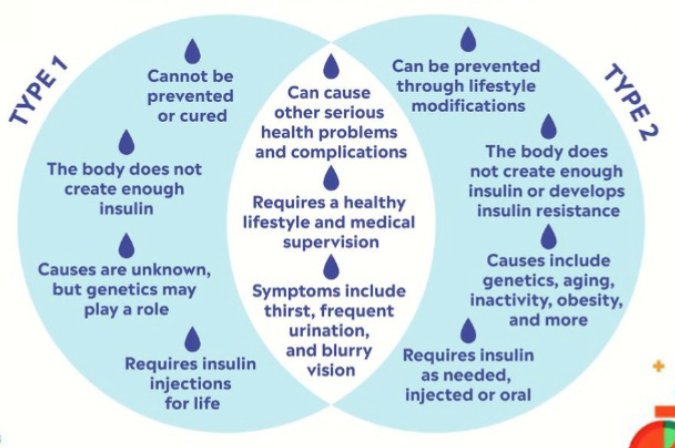
T2DM (90-90%)
insulin resistance (tissue)
impaired insuin
RISK: HHS (Hyperglycemic Hyperosmolar Syndrome)
hyperglycemia + severe osmotic diuresis
NO DKA
slow wound healing
numbness/tingling
skin infection
PO meds

gestational diabetes
2nd/3rd pregnancy trimester
placental hormones → insulin reistance
↑ risk for high baby weight & TD2M
D/X w/ oral gluc. tolerance test
target <95 mg/dL fasting BG
prediabetes
impaired glucose tolerance (140-199) /fasting glucose (100-125)
LADA (Latent Autoimmune Diabetes in Adults)
T1DM type
MODY (Maturity-Onset Diabetes of Young)
gene mutation
diabetes D/X
Fasting BG > 126
Symptoms (polyuria, polydipsia, weight loss) + random BG > 200
2 hr postload BG > 200 from oral glucose tolerance test (OGTT)
A1C > 6.5% (avg. over 3 mo.)
normal 4-6%

diabetes assessment
BP, BMI, foot, skin
Labs: A1C, UA, Lipids, ECG, microalbuminuria, creatinine
Complications: retinopathy/neuropathy/nephropathy
diabetes management (5)
nutritional therapy, exercise, monitoring, meds, education
diabetes management: DIET
overweight: 25-29 BMI
obesity: 30+ BMI
50% carbs 30% fat 20% protein
diabetes management: EXERCISE
3x/wk, same time, monitor glucose bfr.
T1DM w/ BG > 250 + ketones = NO EXERCISE!!!
diabetes management: MONITORING
cont. gluc. monitor (CGM)
replace 7-14d
Ketone test for T1DM w/ > 240 BG
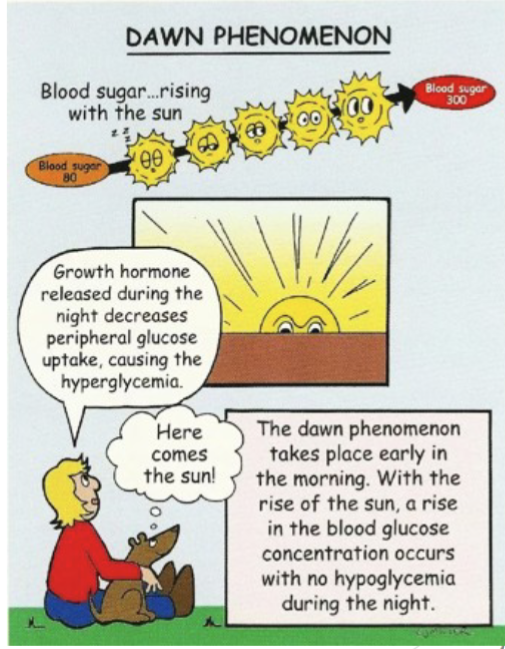
morning hyperglycemia (3): Dawn
Gradual rise from 3AM
T/X → give insulin later @ bedtime
morning hyperglycemia (3): Insulin Waning
Progressive increase
Usually if NPH given bfr dinner
T/X → move NPH to bedtime or increase bedtime dose of basal insulin
morning hyperglycemia (3): Somogyi Effect
Hypoglycemic dip then rebound hyperglycemia
T/X → decrease insulin (NPH) dose or ↑ snack

blood sugar ranges + symptoms
hypoglycemia < 70
tremor, sweating, hunger
euglycemia 70 - 140
hyperglycemia > 140
dry mouth, thirst, blurry vision, polyuria

T1DM Meds
insulin regimen
MDI w/ long + rapid/ultra rapid
MDI w/ NPH + raa (rapid acting analog of insulin)/uraa
MDI w/ NPH + short
2 injections w/ NPH + short/reg
continuous → only uses rapid
closed-loop
pump w/ threshold
pump w/o automation

Insulin Types: Rapid Acting
Lispro, Aspart, Glulisine
TX for hyperglycemia
eat after
3-5 hrs; peaks 0.5-3hr

Insulin Types: Short Acting
Regular
clear
give 15-30 min bfr meal + comgo long
8 hours; peaks 0.5-2.5
mix w/ intermediate (NPH) in syringe

Insulin Types: Intermediate
NPH
milky
24 hrs
mix w/ short acting (Regular) in syringe

Insulin Types: Long Acting (Basal)
Determir, Glarigine, Degludec
CAN’T MIX W OTHER TYPES

lipoatrophy
loss of subQ fat
lipohypertrophy
fibrofatty masses @ injection site → ROTATE SITES
insulin methods
insulin pen
jet injector
insulin pump
secure on abd
change q3 day
DKA risk
inhaled
B cell replacement (w/ kidney) cells
diabetes oral med: Metformin (biguanides)
1ST LINE
inhibit glucose producton by liver
Monitor kidney, lactic acidosis
diabetes oral med: DDP4 Inhibitor (-liptin)
Alogliptin, Sitagliptin
↑ prolong incretin (↓ decreases appetite & weight)
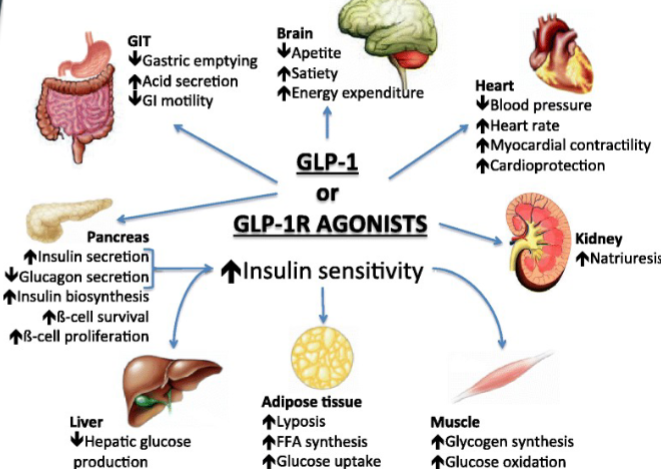
diabetes oral med: GLP-1 Agonist (Glucagon Like Peptide)
(-tide)
Semaglutide, Albiglutide, Dulaglutide, Liraglutide
diabetes oral med: SGLT-2 Inhibitors (Sodium Glucose Cotransporter)
(-gliflozin)
Canagliflozin
↑ urinary glucose excretion (blocks reabsorption)
↓ HTN, stroke risk
↑ insulin sensitivity
RISKS: DKA, UTI, hypoglycemia

diabetes oral med: Acarbose
slow GI starch absorption
diabetes oral med: Sulfonylureas
increase insulin secretion in pancreas
diabetes oral med: Thiazolidinediones (TZDs)
increase insulin sensitivity
hypoglycemia
lvl 1: 54-70
lvl 2: < 54
cns problem
lvl 3: < 27 coma/seizure risk

hypoglycemia causes
alcohol
no food
beta blockers
sulfonylurea poisoning (IV dextrose & octreotide)
weight loss
hypoglycemia s/s
cold
numb
tachycardia
dizzy
slurred speech
seizure, coma

hypoglycemia T/X: 15-15
Conscious/PO
15g carb (juice/honey/soda/sugar/candy)
15 mins later, check BG again
REPEAT if BG still <70
Unconscious/NPO
Glucagon 1mg
SC/IM butt/thigh
15 mins later, check BG again
REPEAT if unresponsive
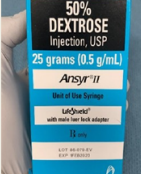
Hospital setting: D50W 20-50ml IV
Monitor 12-18 hrs
hypoglycemia can be masked by
autonomic neuropathy
beta blockers
hyperglycemia causes
steroids (asthma, autoimmune)
inactivity
stress
infection
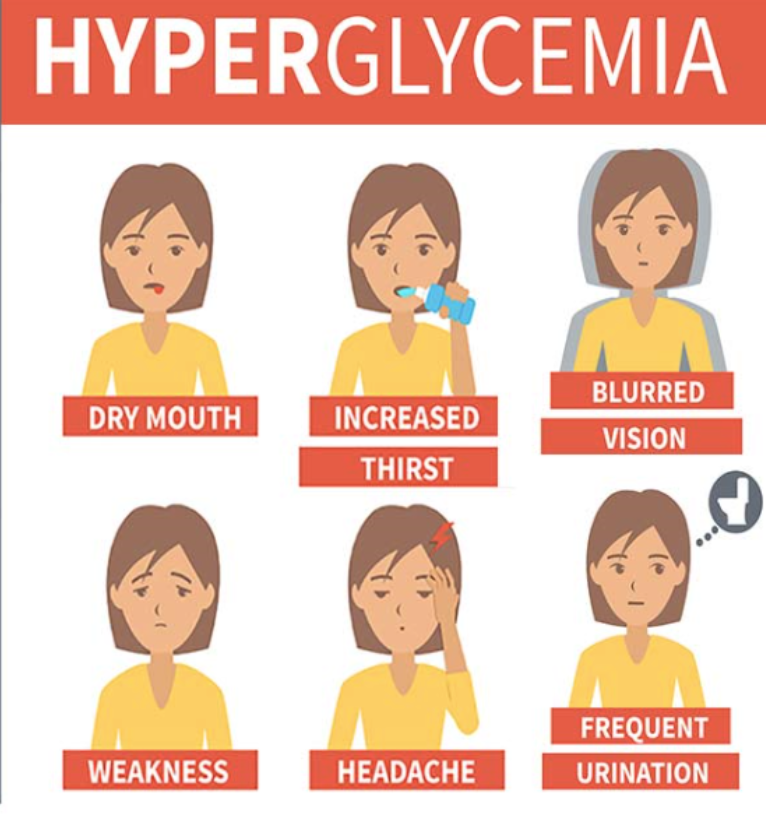
hyperglycemia S/S
polyuria
weak
N/V
DKA causes
Hyperglycemia (>250)
Ketones (from lipolysis)
Metabolic Acidosis (pH <7.3)
DKA assessment findings
Serum osm. 275-320 mOsm
Kussal breaths (deep, rapid)
Fruity breath
Increased creatinine
Abdominal pain + N/V
Dry mouth, thirst, flushed skin, fever
DKA T/X
Airway, O2
IV access
0.9% NaCl IV
1 L/hr until stable BP
Add K+ when urine output 30-60/hr
no more than 20/hr, too much K+ = death
Don’t stop IV insulin uit 2-4 hr after basal SQ insulin
Rehydrate 0.9% or 0.45% NS
Switch to D5W when BG @ 300mg/dL (prevent hypoglycemia)
HHS causes
Hyperglycemia (>600)
Severe osmotic diuresis
Decreased renal perfusion
Hypotension
Hemoconcentration
Fluid volume deficit
HHS findings
NO ketones, NO abdominal pain
Hypotension
Polyuria, polydipsia
Confusion
Dehydration
Tachycardia
Normal respirations
Serum osm: >320 mOsm
Low K+, Na, P
Increased BUN/Creatinine
HHS T/X
Rehydrate: 0.9% or 0.45% depending on Na lvl
Potassium added when urinary output is adequate
Insulin added @ low rate IV
Replace with dextrose after 250-300 BG
DKA vs HHS

diabetes long term compications: Macrovascular
increased atheroscelerosis, HTN, MI, stroke, HF
CAD
silent MI
autonomic neuropathy
SGLT-2 & GLP-1 agonists
Cerebrovascular isease
TIAs/stroke
PVD → assess pulses, stop smoking
diabetes long term compications: Microvascular
retinopathy
nephropathy
Retinopathy S/S
microaneurysms, hemorrhage, exudate
Retinopathy stages
nonproliferative - hemorrhage
proliferative - neovascularization, retinal detachment
Retinopathy T/X
argon laser photocoagulation → destroy leaking vessels
anti-VEGF (vascular endothelial growth factor)
1st for macular edema
vitrectomy
Nephropathy
caused by hyperglycemia -→ glomerular hyperfiltration → proteinuria → nephron destruction
D/X: albuminuria > 30 mg creatinine or eGFR < 60
monitor anually
T/X: Metformin, SGLT-2 inhibitor, GLP-1 RAs
STOP before/after contract dyes
diabetes long term compications: Neuropathy
D/X w/ log monofilament (pressure points), temperature, gait
screen in T2DM AT diagnosis, T1DM after 5 years then annually
Peripheral (sensorimotor)
Autonomic → cardiovascular

Peripheral Neuropathy (sensorimotor)
prickling, numb, tingling, burning
stocking-glove distribution
decreased awareness, sensation
increased fall/ulcer risk
deformities (hammer toes, Charcot foot)

Autonomic Neuropathy
orthostatic hypotenion, tachycardia, silent MI
GI gastroporesis (delayed emptying), bloating, N/V
Diabetic foot
nerve damage → unaware of injury, ulcers, dry skin
decreased blood flow
factors: neuropathy, PVD, immunocompromised
inspect, moisturize (not btwn toes), wash and dry
target BG
Noncritical ill: 100-180
Critically ill: 140-180
Peri-op: 100-180
EOL: <250
NPO diabetes considerations
NO RAPID acting, give 50% OF NPH DOSE
give basal insulin for T1DM
IV dextrose given to preven to hypoglycemia
enteral tube diabetes considerations
continuous basal insulin + short acting (0.15-0.25 u/kg)
have D10W available
monitor q4-6 hrs
parenteral diabetes considerations
dextrose 150-250 mg/dL/day
mix Regular w/ PN
periop diabetes considerations
monitor BG 30-60 min
BG >110 = repeat in 30 mins
110-180 during procedure, target 140-180 POST OP
IV insulin + dextrose
resume subQ basal 2 hrs before stopping IV infusion
hold metformin day of, hold SGLT-2 inhibitors 3-4 days
SICK DAY rules (prevent DKA)
Sugar → check BG q2-3 hrs
Insulin → continue taking as normally (prevent DKA)
Carbs
Ketones → check q4 hr
sudomotor neuropathy
nerve dmg to unmyelinated sympathetic nerve fibers (C fibers)
A1C checks
q 3 month when goals NOT met
q 6 month when stable
kidneys
retroperitoneally T12-L3 vertebrae, RT kidney lower
113-170g, 10-12cm in length
ext: protected by ribs, abd./back muscles
int: protected by fat
encased in fibrous renal capsule
renal parenchyma
cortex (nephrons)
medulla (loops of Henle, vasa recta, collecting drains)
renal pyramids, papilla
kidneys blood supply
25% CO
afferent arterioles → golmerulus → efferent arterioles
nephron
cortical (80%) in outermost cortex
juxtamedullary (20%) deeper in cortex
loops of Henle & vasa recta extending into medulla
glomerulus
capillary endothelium, basement membrane, epithelium
tubule
juxtaglomerular apparatus
BP control, renin release, located in distal
ureters
24-30cm
kidneys → bladder
lined w/ urothelium to prevent urine reabsorption
3 narrow areas prone to obstruction
ureteropelvic, sacroiliac, uretovesical juction
bladder
muscular sac
holds 300-500 ml
4 layers
adventitia (outside)
detrusor (smooth)
submucosal CT
mucosal lining
urethra
final tube for urine excretion
urine formation
Glomerular filtration
blood (20%) → filtrate (water, lytes)
normal 1,00-13,00 mL/min
depends on hydrostatic pressure
Tubular reabsorption
proximal tubule
reabsorption of substances → blood
glucose, amino acids
passive / active transport
Tubular secretion
blood in peritubular → filtrate in tubular lumen: K+, H+, ammonia, uric acid
filtrate concentrated & becomes urine
distal tubule → renal pelvis
kidney endocrine functions
ADH/vasopressin (posterior pituitary)
increased since water reabsorption in response to blood omsolality
Electrolyte imbalance
adolsterone from adrenal cortex → increased Na+ reabsorption
less Na+ excreted
regulated by renin & angiotensin II (low BP, RAAS)
pH
kidney reabsorbs HCO3 from filtreate
excretes acids bound to buffers (phosphate, ammonia)
BP
vasa recta detect BP chances → secrete renin → RAAS
RBC production
erythropoeitin when low O2 tension
Vitamin D synthesis
convert inactive → active Vit. D to regular Ca2+
Prostaglandin prod.
vasoactive substance (prostaglandin E, prostacyclin)
maintain renal blood flow
kidney assessment: risk factors
T2DM & HTN → CKD
Neuro. disorders (MS, Parkinsons) → neurogenic bladder
Obstetric injury → incontinent
kidney assessment
palpate → enlarged?
percuss → tenderness at CVA? (12th rib + spine) suggest kidney dyfs.
auscultation → bruits indicate renal artery stenosis
edema/ascites
male → digital rectal exam (DRE) for prostate if > 40 y/o
female → assess vagina for urethocele, cystocele, pelvic prolapse, enterocele
genitourinary pain
kidney - dull ache @ CVA, sharp if distention occurs
bladder - dull pain intesifying w/ voiding
ureter - sharp in flank/lowr abd; colicky
prostatic - vague discomfort/fullness in perineum + rectum
urethra - variable, intense postvoiding
anuria
<50 ml/day
oliguria
<400 ml/day
polyuria
increased volume
proteinuria
sign of disease
voiding frequency
more than q3 hrs
voiding enuresis
voiding in sleep
urinalysis
urine color
pale, yellow, red, blue (methylene blue/dyes/meds), amber (dehydration), brown
microscopic analysis → cells, casts, crystals, microorganisms
RBC casts indicate?
glomerulonpehritis
WBC casts indicate?
pyleonephritis
WBC + microganisms indicate?
infection
Hyaline casts indicate?
glomerular disease
Fatty casts indicate?
nephrotic syndrome
proteinuria