Clinical Microbiology Lec Exam 1 Study Guide
 Call Kai
 Learn
Learn Practice Test
 Spaced Repetition
 Match
Match Flashcards
 Knowt Play
1/68

There's no tags or description
Looks like no tags are added yet.
Name | Mastery | Learn | Test | Matching | Spaced | Call with Kai | Chat |
|---|
No analytics yet
Send a link to your students to track their progress
69 Terms
Contributions to the field of Microbiology
Leeuwenhoek
Cohn
Pasteur
Koch
Gram
Linnaeus
Leeuwenhoek→ simple handcrafted microscope to observe live microbes from teeth scraping, rainwater (he called them “animalcules”)
Cohn → discovered endospores
Pasteur → (1) Theory of Biogenesis/Microbacterial growth via broth & air microorganisms (2) Vaccination against anthrax & rabies
Koch → linked anthrax to a spore forming bacillus
Gram → staining technique to classify microbes
Linnaeus → Latin nomenclature of organisms
Contributions to the field of Microbiology Continued
Semmelweis
Lister
Nightingale
Snow
Jenner
Ehrlich
Fleming
Semmelweis → hand-washing w/ chlorinated lime water reduced Puerperal fever (childbed fever) which causes death of hundred of mothers
Lister → Antiseptic surgery (phenol)
Nightingale → Nightingale School of Nurses
Snow → Cholera and the beginning of epidemiology
Jenner → vaccination against smallpox
Ehrlich → the “magic bullet” and development of a
chemotherapeutic agent against syphilis
Fleming → first mass-produced antibiotic: Penicillin
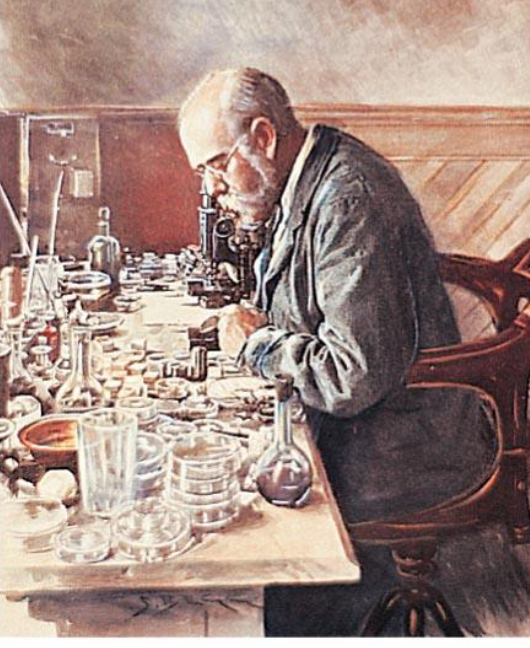
Koch Postules
Experimental steps that demonstrate that a specific microbe causes a specific disease
suspect pathogen must grown outside of host→ isolated in pure culture
Microbes Carry Out 3 Fundamental Processes That Sustain Life
Nitrogen fixation & O2 Production
Decompose plant & animal matter
Symbiotic relationships w/ plant & animals
4 Uses of Microbes
Research → E.coli
Food Production → dairy, bread, bevs
Biodegradation/bioremediation → sewage & wastewater treatment
Synthesis of Commercially valuable products → ethanol/ liquor, antibiotics, insect repellant
Microbes make up the normal microbiota of the human body found where?
Function
skin and mucous membranes of the upper respiratory
tract, intestinal, and urogenital tractsFunction: immune function, digestion, and synthesis of vitamins
Examples of Pathogenic Microbes that Led to Pandemics
Influenza A virus strain H1N1
Yersinia Pestis → European plague in 14th century
SARS CoV2

Know the Microbial World of Organisms (living) & Infectious Agents (Non-Living) and the sub divisions…

Emerging Infectious Diseases vs Re-Emerging Diseases
Emerging → new, common infectious disease recognized w/in past 35 years
ie: ebola, SARS, Hepatitis C, Lyme disease, or AIDS
Re-emerging→ once under-control via vaccines/immunity, but now have re-occured its spread due to drug resistance, lapse in vaccination…
ie: MDRTB, Malaria, Measles
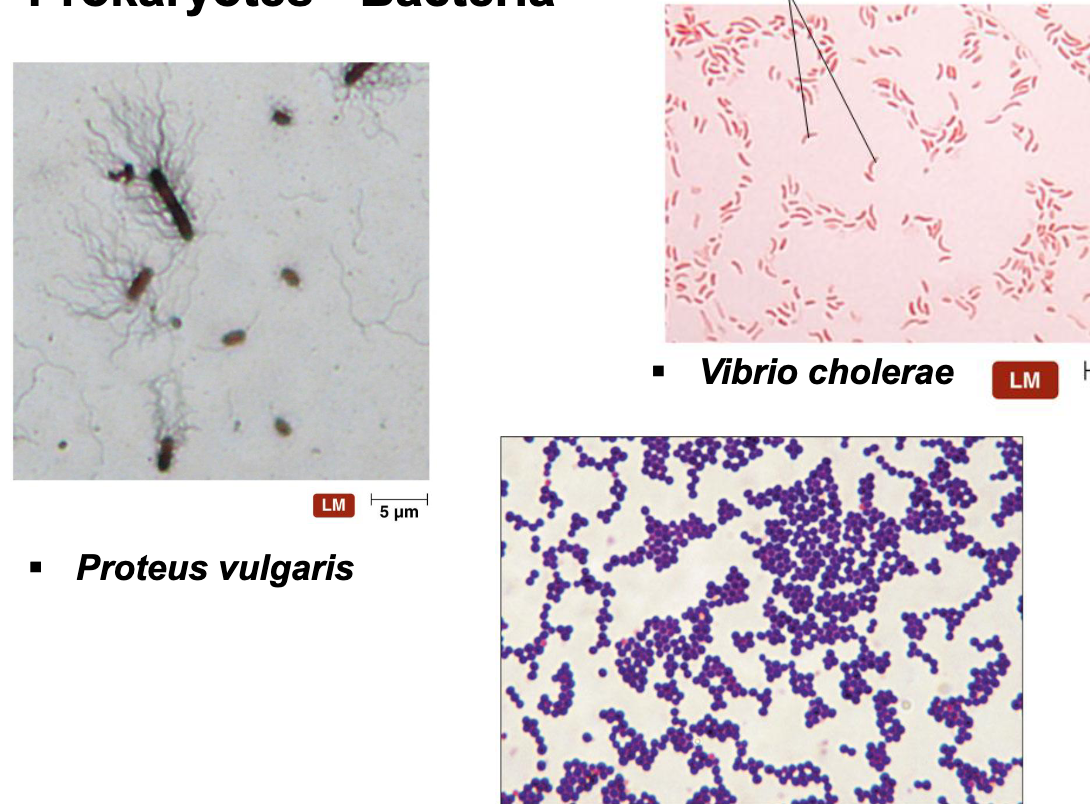
Bacteria are…
3 Characteristics
…single-cell/unicellular prokaryotes → w/o membrane bound nucleus
Have rigid cell wall → peptidoglycan
Multiply via asexual reproduction→ binary fission
move using flagella
Fungi are…
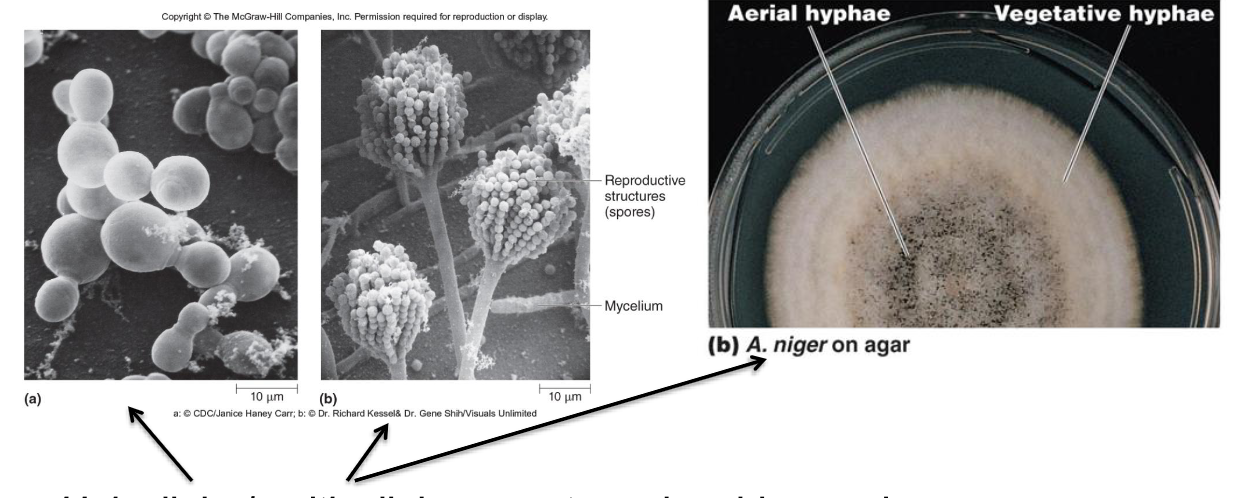
3 Characteristics
…Unicellular/multicellular Eukaryotes | ie: yeast, mold, mushrooms
Cell wall → Chitin
Sexual/asexual reproduction
many are saprophytes → decomposers of organic matter
Protozoa are…examples..
3 Characteristics & Location
…Unicellular Eukaryotes ; ie. live freely or as parasites, pathogenic to humans (malaria)
No rigid cell wall
Sexual/asexual reproduction
Motile via cilia, flagella, or pseudopodia
Location: aquatic/terrestrial environemnts

Parasitic helminths/worms Characteristics
(roundworm= || tapeworm= )
multicellular eukaryotes
roundworm= ancylostoma | tapeworm= taenia
eggs & immature stages are Microscopic & found in blood, fecal, and urine samples ; can be seen as they are adults & matured

Why are viruses considered non-living
They are not made of cells, rather they are a piece of genetic matierial (DNA/RNA) inside a protein coat; They cannot produce their own energy, nor multiply without a host.
Viruses Characteristics
Obligate intracellular parasite (infection microogranism that cannot survive outside a host) - neither prokaryotic or eukaryotic
RNA or DNA w/in protein envelope
Infect bacteria, plants, and animals (humans)
Visible via electron microscopes (TEM)

Viroids vs Prions Characteristics
both neither prokaryotic or eukaryotic
Viroids: infectious agents made of single-stranded RNA
Prions: infectious agents composed of proteins
Binomial Nomenclature
Two names: First name is the Capitalized Genus ; Second name is non capitalized species
ie: Escherichia coli (Genus= Escherichia; species=coli)
Definition of species for prokaryotes
Species (for prokaryotes): A group of closely related isolates or strains (not identical!)
General Taxonomic ranks (Ascending Order) & Ranks for Escherichia coli (E. coli)
General (Ascending):
Species→ Genus→Family→Order→Class→Phylum→Domain
Escherichia Col (Ascending)i:
coli→Escherichia→Enterobacteriaceae→Enterobacteriales→Gammaproteobacteria→Proteobacteria→Bacteria

Three Domains & Where would you find Staphylococcus aureus, Penicillium chrysogenum, Giardia intestinalis, or Scistosoma mansoni?
Bacteria → staphylococcus aureus
Archaea →
Eucarya → Penicillium chrysogenum, Giardia intestinalis, scistosoma mansoni
Morphology Refers to _____ & Most common Morphology among bacteria include:
Morphology= Cell Shape
Common Morphology=
Coccus (circle/spjere) &
Bacillus (oval/rod shaped)

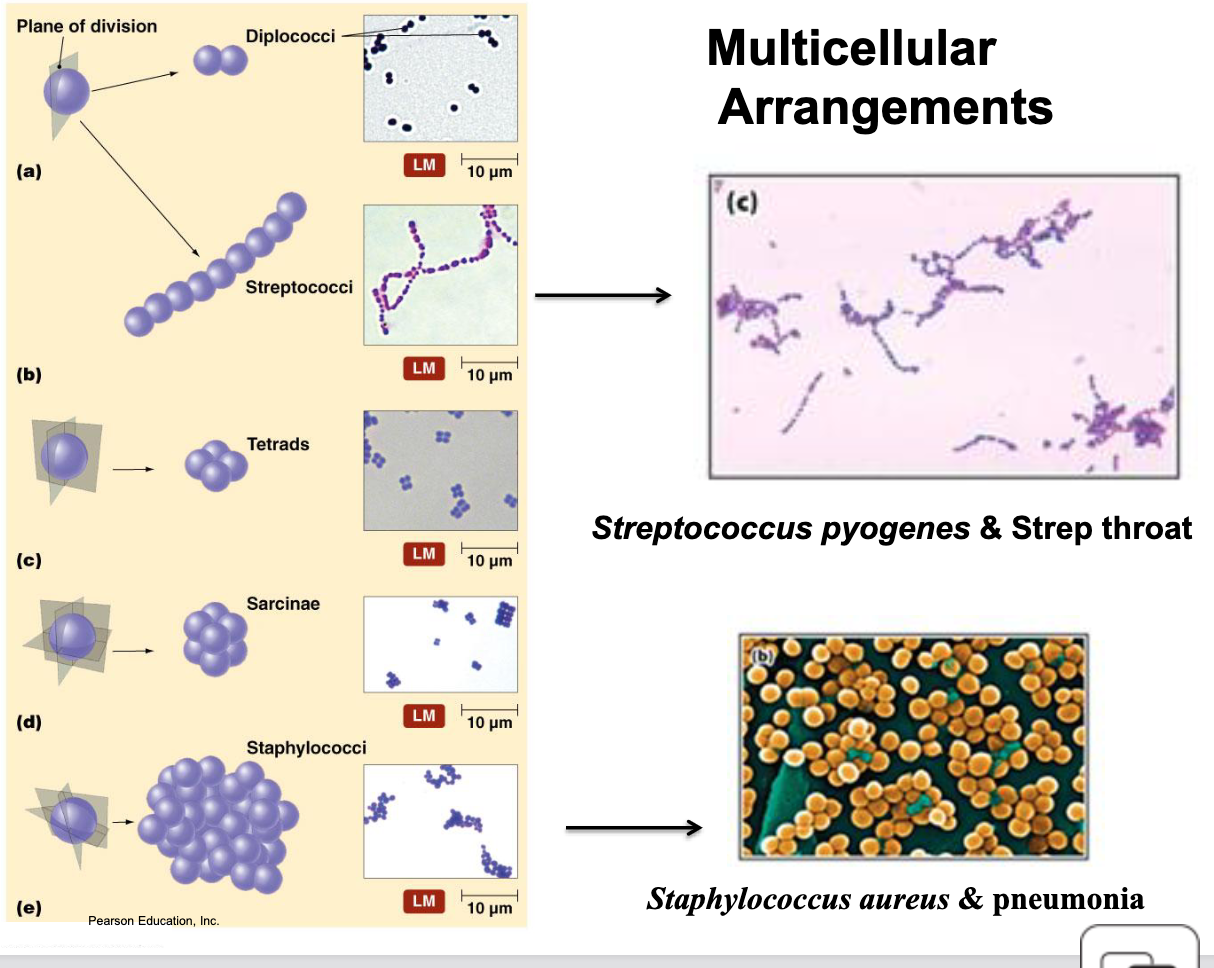
Multicellular arrangement in coccus _______,
Difference between arrangements…..
Amount of connected cells:
Diplo - two
Strepto - chained
Tetrads- 4 in one linear plane (square)
Sarcinae - 4 in a 3D plane (cube)
Staphylo- large 3D cluster
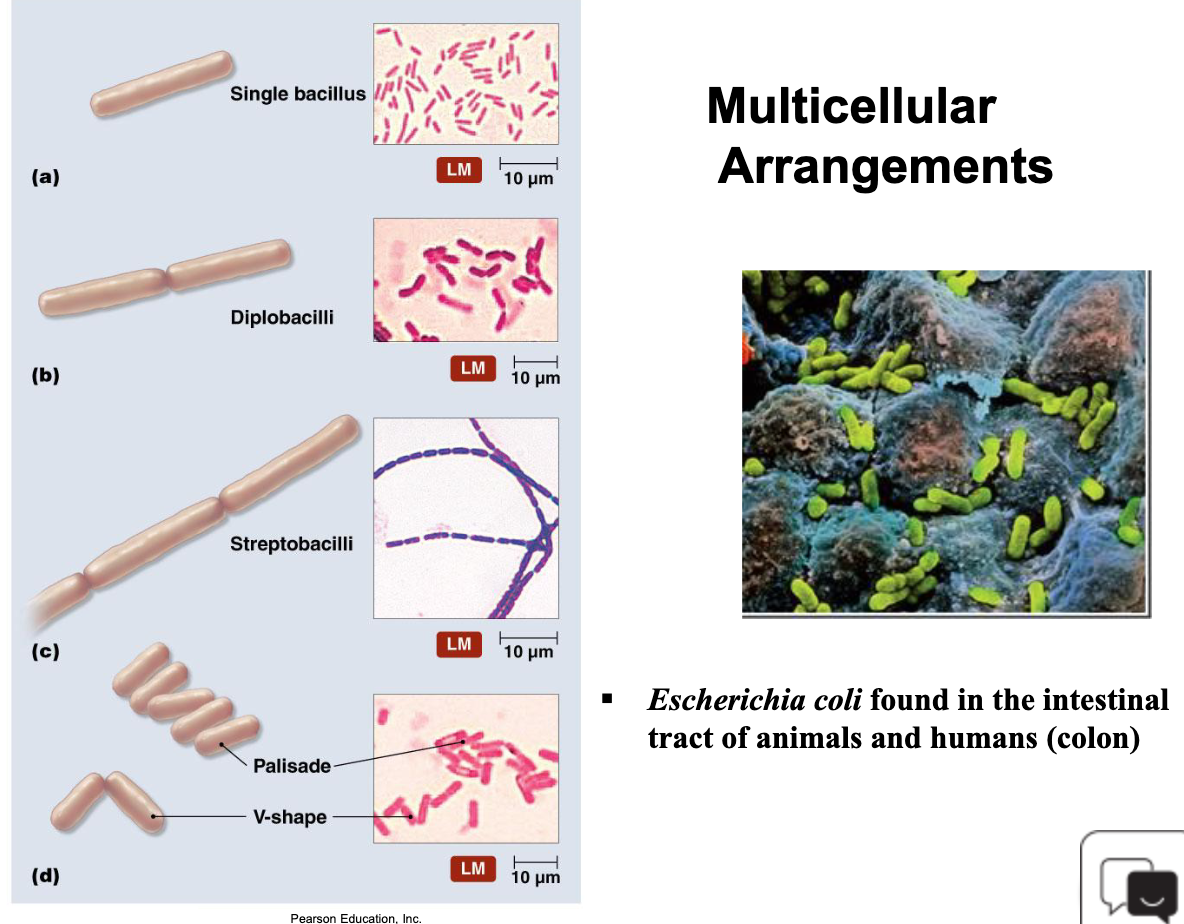
Multicellular arrangement in bacillus _______,
Difference between arrangements…..
Single Bacillus
Diplo
Strepto
Palisade
Bacteria Staining:
Direct Stain vs Negative Stain
Direct stain → stains the cell
Negative stain→ stains the background (capsule)
Function of the gram stain
one of the first steps a CLT performs to identify bacteria
General Structural Components of a Typical Bacterial Cell
Cell envelope: capsule→cell wall→plasma membrane
Cytoplasm → plasma membrane= thick subst. filled w/ enzymes, ribosomes & nutrients (fluid portion of cytoplasm=cytosol)
Nucleoid (contain DNA)
Plasmid
Inclusion
Flagella
Fimbria
Pilus

Plasma Membrane Characteristics & Function
Selectively permeable lipid bilayer barrier → polar head, non-polar fatty acid tail
Surrounds cytoplasm & interact w/ external environment
Proteins act as chemoreceptors & transport systems

Structural/functional characteristics of a typical bacterial cell:
Plasma Membrane Transport Proteins - Define the following & their source of Energy
Simple Diffusion=
Facilitated Diffusion/Passive Transport=
Active Transport=
Simple Diffusion= Gases (O2, CO2, N2), Small hydrophobic Molecules, and water pass freely → down concentration gradient (high to low concentration) until equilibrium is reached
Facilitated Diffusion/Passive= protein transporter allow substance to move down its concentration gradient
Active Transport: protein transport uses energy (proton motive force or ATP) to move a substance across membrane → against concentration gradient (low to high concentration)

Structural/functional characteristics of a typical bacterial cell:
LPS Stand for ____ and is found where?
Lipid A is an _____
O _____ is …
Lipopolysaccharide → Found in Cell wall of gram negative bacteria
Lipid A is an endotoxin
O polysaccharide - a diagnostic marker to identify species or strains
Structural/functional characteristics of a typical bacterial cell:
The cell wall is composed of
Functions of cell wall
Composed of:
peptidoglycan
Alternating NAD→NAM subunits to form glycan chain
Tetrapeptide chains link glycan chains
Peptide interbridge (Gram positive)
Function:
protect cell from osmotic pressure→prevent cell lysis
provides structure, shape

Atypical cell wall Characteristics
acid-fast cell walls: → Waxy Lipids (mycolic acid) bound to the peptidoglycan
Structural/functional characteristics of a typical bacterial cell:
Why do we apply the acid-fast stain to detect the causative agent of TB?
Ziehl-Neelsen acid-fast stain detects mycobacterium species specifically
TB= mycobacterium→ rod-shaped acid fast call → stained pink/red

Structural/functional characteristics of a typical bacterial cell:
The capsule or slime layer can surround the bacterial cells, and it is composed of ___
Capsule vs Slime Layer
Function of Capsule or Slime Layer ____
In the case of pathogenic species/strains, why is the capsule referred to as a virulence factor ___
Termed Glycocalyx→ sticky substance made of polysaccharides, polypeptides or both.
Capsule: Organized and firmly attached to the cell wall
Slime layer: Unorganized and loosely attached to the cell wall
Function: protect from desiccation (ext. dehydration) ; enable pathogens to escape or survive phagocytosis (virulence factor)
Structural/functional characteristics of a typical bacterial cell:
Pili can enable attachment (fimbriae), ____, or _____
Projections outside of bacteria
enable attachment & biofilm formation, motility, & genetic exchange during DNA transfer (plasmids) →
this process of DNA transfer gives bacteria (1) ability to produce toxin & (2) resistance to antibiotics
The pathogen that colonizes the mucous membrane of the reproductive tract by attaching with fimbriae (adherence) is termed
Neisseria gonorrhoeae
Proteus species are involved in nosocomial urinary tract infections
Proteus vulgaris

Structural/functional characteristics of a typical bacterial cell:
What is the function of flagella? ____ What is their arrangement called? ____
Flagella allow movement, which in turn can enable escape from
host defense or systemic infectionsPeritrichous
Monotrichous
Lophotrichous
Amphitrichous

What is the axial filament found in the periplasmic space of spirochetes? ____
The axial filament is made of endoflagella and found in
spirochetes
▪ Causes the bacterial cell to rotate like a cork screw
Structural/functional characteristics of a typical bacterial cell:
Where in a bacterial cell would you find the chromosome? _____
What is the function of the ribosomes? ____
Chromosome is found in the nucleoid (not membrane bound)
Ribosome: composed of protein & RNA→ function: site of protein synthesis
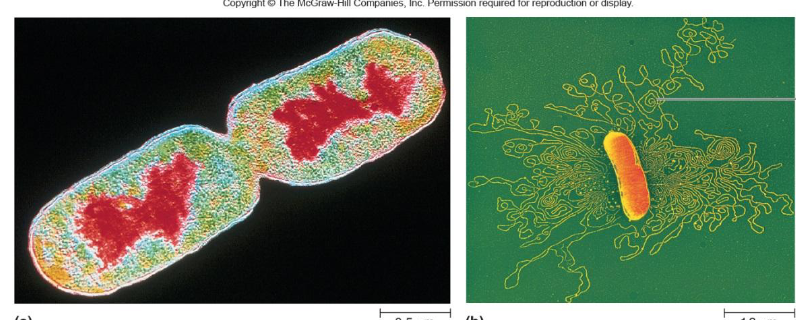
Cell Motility =
Taxis
Structural/functional characteristics of a typical bacterial cell:
Certain genera of bacteria (Bacillus and Clostridium) produce endospores, why? ___
survival (not reproduction) in volatile environmental conditions
Structural/functional characteristics of a typical bacterial cell:
Endospore Characteristics
Is an endospore metabolically active? ___
An endospore can be resistant to ____
Not metabolically active
endospores are resistant to heat, radiation, chemicals, desiccation, boiling water
Structural/functional characteristics of a typical bacterial cell:
Endospore Characteristics:
Sporulation is ____.
Germination is ____.
Sporulation = vegetative cell → endospore spore
Germination = endospore → vegetative cell
What is the location of an endospore within the sporangium? ___
Central
Terminal
Subterminal

Do bacterial cells store inorganic/organic material for later use? _____ What do they store? ___
Yes:
▪ Glycogen
▪ Carbon (poly-β-hydroxybutyrate - PHB)
▪ Phosphate (Volutin)
▪ Sulfur
▪ Nitrogen
Microbial growth =
an increase in number of cells rather than an increase in size
Groups of Bacteria according to the following factors:
sources of energy and carbon, oxygen requirements, temperature, pH, and salts
Type→ Energy source → Carbon Source
Type→ Energy source → Carbon Source
Photoautotroph → sunlight → CO2
Photoheterotroph → sunlight → Organic compounds
Chemolithoautotroph → Inorganic chemicals (H2, NH2, Fe2+)→ CO2
Chemoorganoheterotroph → Organic compounds (Sugar, amino acids,..) → Organic compounds

Chemical Requirements for Growth

Capnophile
Capnophiles are microbes that require higher concentration of
carbon dioxide (up to ~10%) in addition to low oxygen levels
A chemoorganoheterotroph is ___
Chemo- → gets energy from chemical compounds
Organo- → gets electrons from organic compounds
Heterotroph → gets carbon from organic compounds
Mesophile
human pathogens that survive/grow in human body temperature (37 degrees celsius)
Range: 20-45 degree celsius
Acidophile
Grow best in acidic habitats (low pH)
less than 5.5 ph on a scale from 0-14 (7 is neutral)
Do halophiles require salts to grow? __
Yes, Halophiles require high concentrations of salt (NaCl) to grow.
What is meant by optimum growth temperature? ___
temperature where there is highest growth rate

Do obligate anaerobes grow and multiply in presence of oxygen? ___
obligate anaerobes would not grow in presence of oxygen
oxygen is toxic to them; lack enzyme to neutralize oxygen byproducts
What is the function of the enzyme catalase or SOD? ___
Aerobic metabolism forms inflammation inducing reactive oxygen species (O2-/H2O2)
Microbes use SOD and/or catalase as protective mechanisms against R.O.S.
▪ SOD converts O2- to O2 and H2O2
▪ Catalase converts H2O2 to O2 and H2O
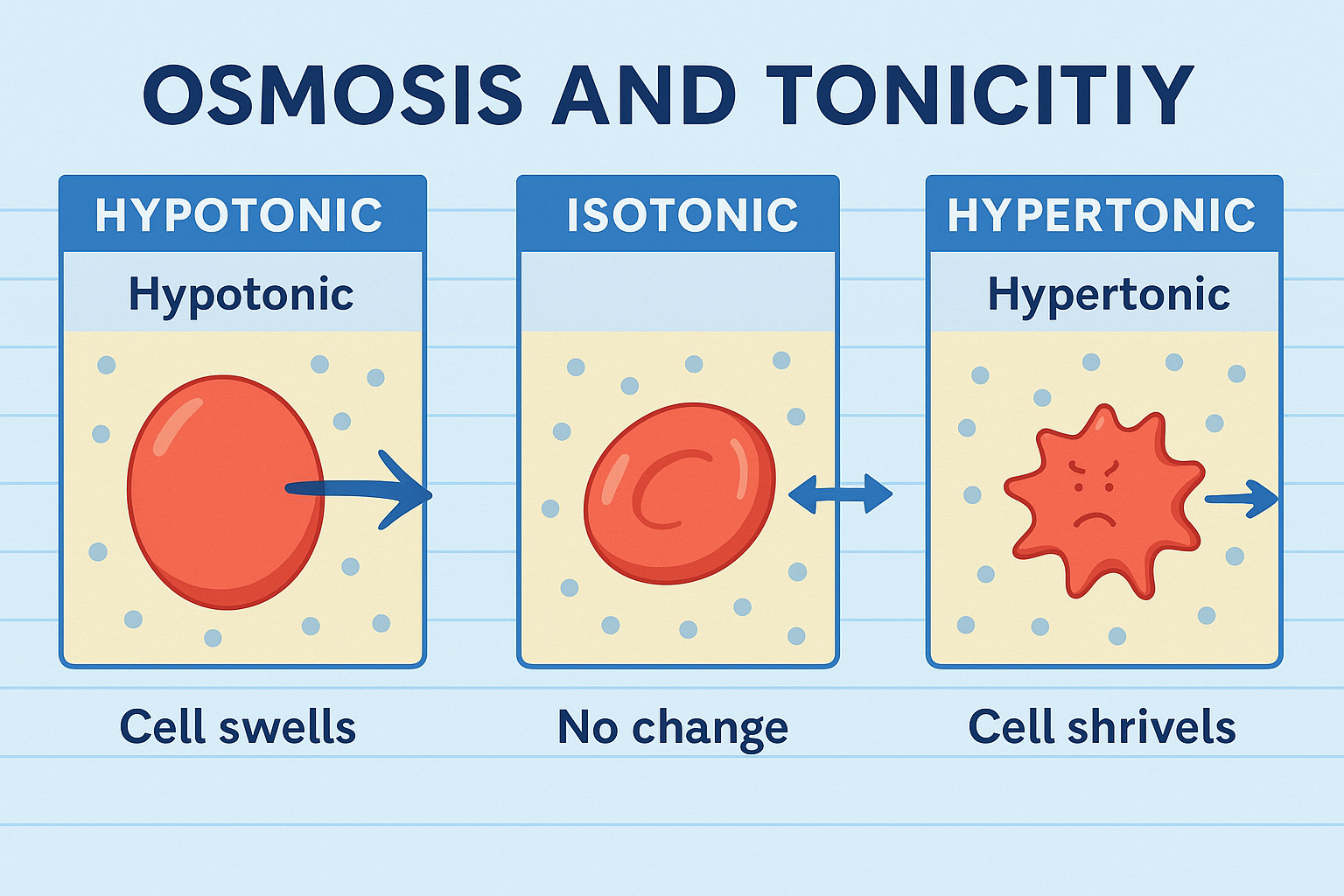
What happens to a bacterial cell when placed in isotonic, hypotonic, or hypertonic conditions? ___
Isotonic- no change
Hypotonic: the bacterial cell gains water and swells to the limit of its
cell wall
Hypertonic: the cell loses water and shrinks (shriveling of the cytoplasm)
In the environment, microbes typically live in mixed communities form _____
biofilms → complex structures & regulated interactions
Define
Pure culture
Mixed culture,
Colony (CFU)
Pure culture: A culture containing only one species or strain of microorganism.
Example: Only E. coli growing in a culture.
Mixed culture: A culture containing two or more different species or strains of microorganisms.
Example: E. coli + S. aureus in the same culture.
Colony (CFU): A visible mass of microorganisms growing on a solid surface, usually originating from one cell or a group of cells.

Inoculum=
a sample bacteria
Provide examples of clinical specimens/methods to collect microbes in the laboratory
Sterile broths
Sterile Agar media: Slants, Deep, Petriplate →

• What is the purpose of collecting clinical specimens? ___
to identify type bacteria/pathogen in a patient and prescribe the right antibiotics
Proper collection of clinical specimens, transport or handling is important to prevent ___
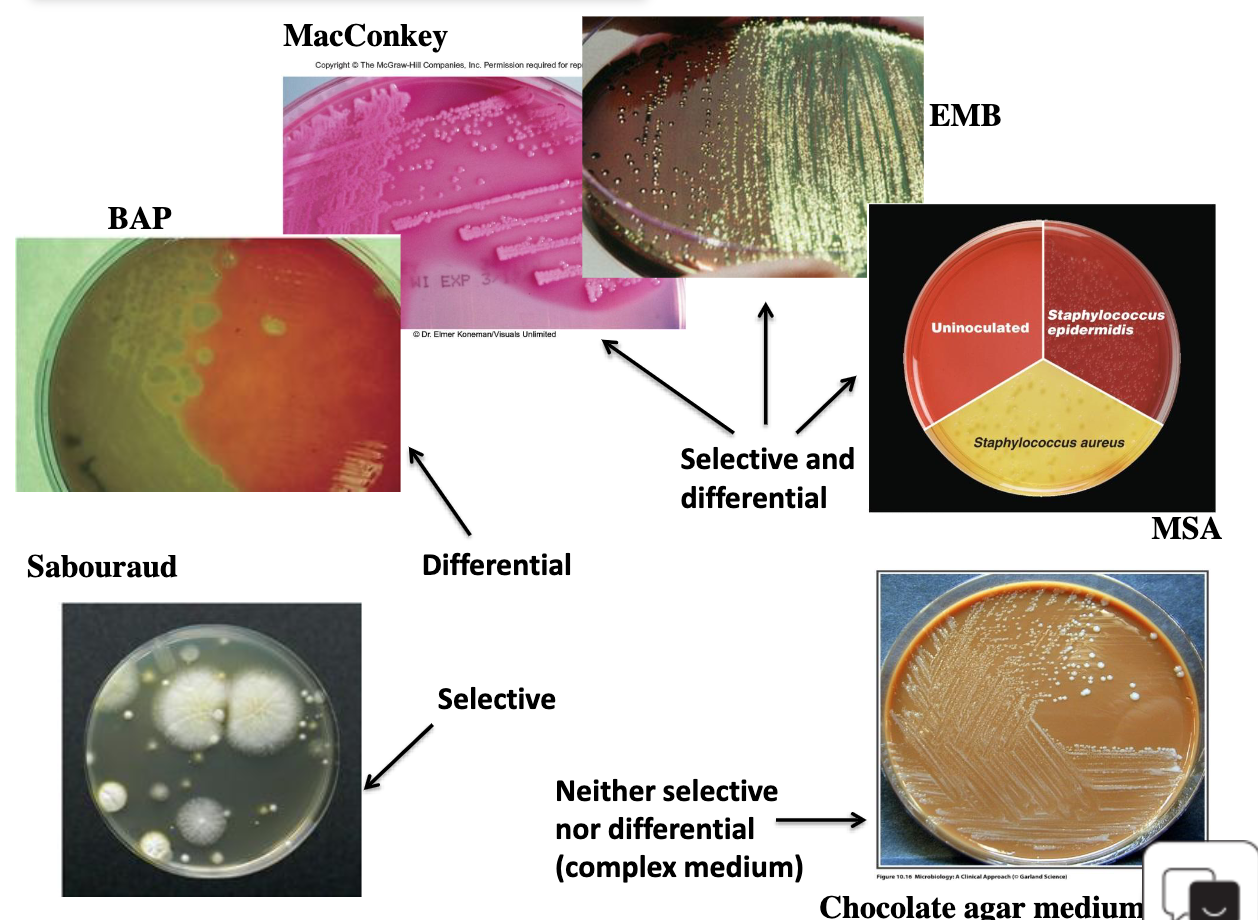
Techniques to isolate the suspected pathogen in pure culture are used in combination with selective/differential media (i.e., MacConkey, MSA, or BAP) (review them!!)
Quadrant streaking technique→ help separate species to detect the colonies of a pathogen
Serial Dilutions → Pour plates → Spread Plate Methods
MacConkey agar (MAC) → Selects for Gram-negative bacteria and differentiates lactose fermenters.
🩷 Pink colonies = lactose fermenter
Example: E. coli
Mannitol Salt Agar (MSA) → Selects for salt-tolerant bacteria, especially Staphylococcus, and differentiates mannitol fermentation.
🟡 Yellow = mannitol fermenter
Example: S. aureus
Blood Agar Plate (BAP) → Enriched and differential medium used to observe hemolysis.
MAC → Gram − + lactose
MSA → Staph + mannitol
BAP → Blood + hemolysis
Definition generation time ___
Bacterial growth: An increase in the number of bacterial cells, usually through binary fission.
Generation time: The time required for one bacterial cell to divide and produce two cells, or for a bacterial population to double in number.
o Bacterial cells undergo cell division by a mechanism know as ___
Binary Fission → one cell divides into two genetically similar daughter cells
How would you use this simple equation
Nt = N0 x 2^n
To calculate the total number of cells in a population, we multiply the original number of cells by 2^n
▪ Nt = N0 x 2^n
▪ Nt = number of cells in a population
at a given time
▪ N0 = initial number of cells in the
population
▪ n = number of generations (division)
Phases of a bacterial growth curve ___
Lag Phase
Log (exponential) Phase
Stationary Phase
Death (decline) Phase

Several methods are used to measure microbial growth (What are they?)
(Direct vs Indirect Methods)
Direct Methods:
Direct Microscopic Count → Hemocytometer
Electronic counters (Coulter Counter & Flow Cytometry)
Plate Counts
Filtration
MPN
Indirect Methods:
Turbidity→ spectrophotometer
Metabolic activity
Dry Weight