ap psych unit 1
 Call Kai
 Learn
 Practice Test
 Spaced Repetition
 Match
 Flashcards
 Knowt Play
1/117

Earn XP
Description and Tags
hi
118 Terms
reward center
network of brain structures, primarily located in the limbic system, that processes pleasurable experiences and reinforces behaviors associated with them.
cerebral cortex
the outer layer of the brain, responsible for higher-level cognitive functions, including thinking, perceiving, and decision-making.
plasticity
refers to the brain's ability to reorganize and adapt throughout life in response to experiences, learning, and environmental changes.
Contralateral Hemispheric Organization
the phenomenon where each hemisphere of the brain controls the opposite side of the body
hemispheric specialization
explored through split brain research, refers to the concept that each hemisphere of the brain has specialized functions and abilities.
Ex: language processing in the left, spatial awareness in the right.

Brocas area
in the left frontal lobe
Responsible for speech production
If damaged, person struggles to get words out or put together sentences
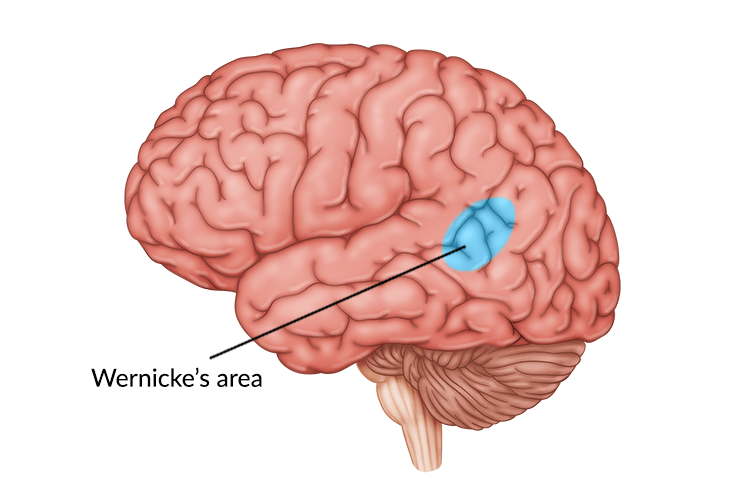
Wernikes area
In the left temporal lobe
Responsible for language comprehension
If damaged, person uses nonsensical words and struggles to comprehend words or sentences

Corpus Callosum
thick band of nerve fibers that connects the left and right hemispheres of the brain, facilitating communication and information sharing between the two hemispheres.
Lobes of the brain
refer to the four main regions or sections into which the cerebral cortex, the outer layer of the brain, is divided.
association areas
They're parts of the brain that take information from all over the place—like what we see, hear, smell, and touch—and put it together to help us understand the world around us.
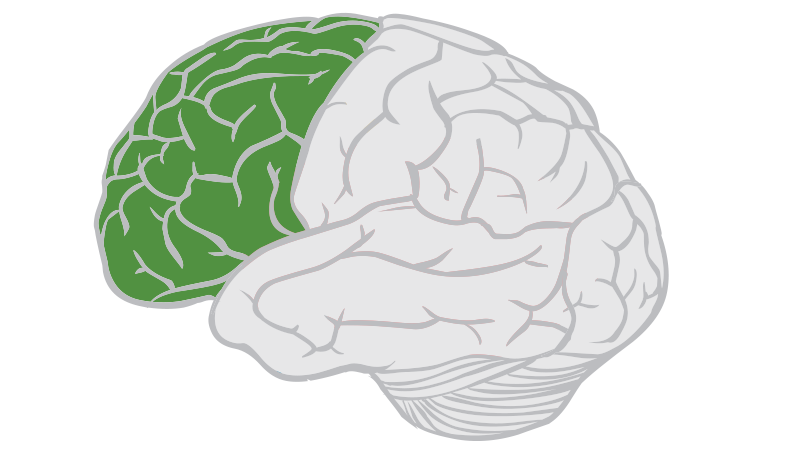
Frontal lobes
located at the front of the brain and are involved in higher-level cognitive functions, including decision-making, problem-solving, planning, and personality expression.
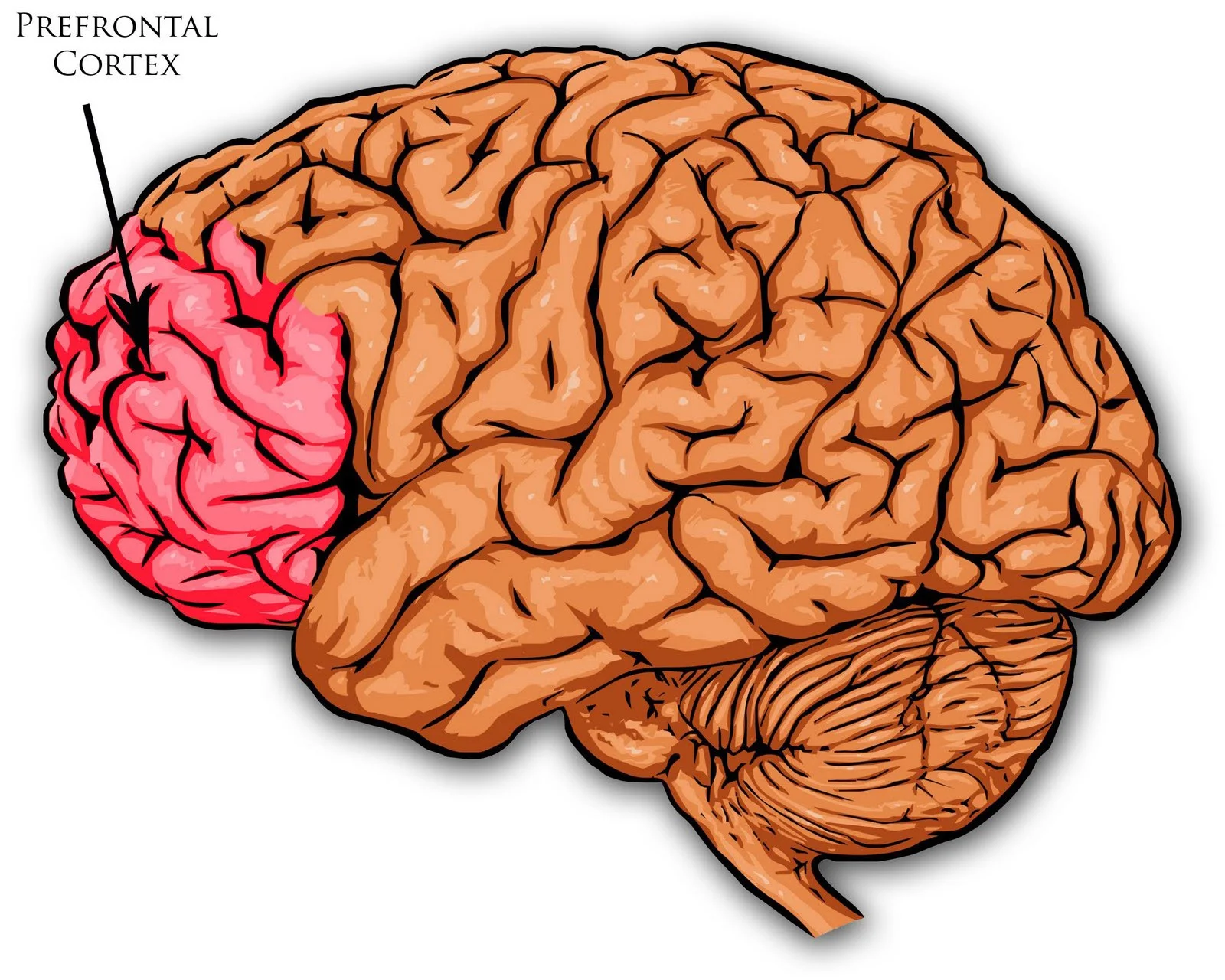
Prefrontal cortex
a region of the brain located in the frontal lobe, responsible for higher-level cognitive functions and executive functioning.
executive functioning
a set of cognitive processes that enable individuals to plan, organize, strategize, focus attention, regulate emotions, and manage time effectively.

Motor Cortex
region of the brain located in the frontal lobe, responsible for planning, executing, motor learning, and controlling voluntary movements of the body.
It sends signals to the muscles, enabling us to perform actions such as walking, talking, and grasping objects.

Parietal lobes
located at the top of the brain and are primarily responsible for processing sensory information from the body, such as touch, temperature, and spatial awareness.

Somatosensory cortex
Region of the brain located in the parietal lobe, responsible for processing sensations from the skin, muscles, and joints.
It interprets touch, pressure, temperature, and pain signals from different parts of the body, allowing us to perceive and respond to sensory stimuli.

Occipital Lobes
located at the back of the brain and is primarily responsible for processing visual information received from the eyes.
It contains the primary visual cortex, which interprets visual stimuli and helps us perceive shapes, colors, and motion.

Temporal lobes
located on the sides of the brain and are involved in processing auditory information, language comprehension, and memory formation.
-They contain the auditory cortex, which interprets sound signals from the ears.
Brainstem
the oldest and most primitive part of the brain, responsible for basic life-sustaining functions such as breathing, heart rate, and sleep-wake cycles.
-It serves as a pathway for neural signals traveling between the brain and the rest of the body, connecting the cerebral cortex to the spinal cord.

Medulla
vital structure located at the base of the brainstem, regulating essential autonomic functions such as heartbeat, breathing, and blood pressure.
-It serves as a relay station for nerve signals traveling between the brain and the spinal cord, controlling involuntary bodily processes crucial for survival.
Reticular Activating System
a network of neurons located in the brainstem that plays a critical role in regulating arousal, attention, and consciousness.
-it filters sensory information and modulates overall brain activity, helping to maintain wakefulness and alertness.

cerebellum
located at the back of the brain, below the cerebral hemispheres, responsible for coordinating movement, balance, and posture.
It receives input from sensory systems and other parts of the brain to fine-tune motor movements and ensure smooth coordination.

Thalamus
a relay station in the brain that processes and relays sensory information, such as sight, sound, touch, and taste, to the cerebral cortex.
It acts as a gateway for sensory input, directing signals to the appropriate areas of the brain for further processing.
Limbic system
located beneath the cerebral cortex, is a set of brain structures involved in emotions, memory, and motivation.

Hypothalamus
a small but powerful structure located below the thalamus, responsible for regulating various essential bodily functions, including hunger, thirst, body temperature, and the sleep-wake cycle.
-It serves as a control center helping to maintain homeostasis in the body.

Pituitary gland
small pea-sized gland located at the base of the brain, often referred to as the "master gland" due to its central role in regulating hormone production and secretion throughout the body.
Plays a critical role in coordinating hormonal activity and maintaining homeostasis in the body.

Hippocampus
curved structure located within the brain's temporal lobes, primarily responsible for forming and consolidating new memories.

Amgdlala
small, almond-shaped structure located deep within the brain's temporal lobes, involved in processing emotions, particularly fear and aggression.
-It plays a central role in the brain's threat detection system, triggering the body's fight-or-flight response in response to perceived danger.
Personality changes, Trouble weighing consequences, Difficulty planning, Motor changes
what happens if frontal lobe is damaged

its because of the cerebellum
if you trip over your feet what part of your brain is at fault
sight
thalamus/occipital lobes
hearing
temporal
touch
pariental
forming sentences
broca area (frontal)
understanding language
wernicke’s area (temporal)

visual cortex
receives, integrates, and processes visual data arriving from the retinas
operational defined as—> quantifiying what?
operationally define
nervous system
the body's communication network, consisting of a complex system of nerves, neurons, and specialized cells.
central nervous system
consists of the brain and spinal cord. It serves as the command center of the body, responsible for processing information, coordinating responses, and regulating bodily functions.
Peripheral nervous system
consists of all the nerves outside the brain and spinal cord.
Autonomic Nervous System
regulates involuntary bodily functions. Operates automatically, without conscious control.
Consists of the sympathetic nervous system and the parasympathetic nervous system.
Sympathetic nervous system
responsible for activating the body's "fight or flight" response in times of stress or danger.
Parasynthetic nervous system
responsible for promoting relaxation and restoring the body to a calm state after experiencing stress or danger.
It slows heart rate, constricts airways, and enhances digestion, allowing the body to conserve energy and recover from stressors.
Somatic nervous system
division of the peripheral nervous system responsible for controlling voluntary movements and relaying sensory information from the body to the central nervous system.
Neurons
specialized cell that serves as the building block of the nervous system, transmitting electrical and chemical signals throughout the body.
It consists of three main parts: the cell body (soma), dendrites, and axon.

dendrites(neuron)
listen

axons
speak (neuron)

Myelin sheath
a fatty, protective insulating layer wrapped around the axons of nerve cells
Glial cells
the "support cells" of the nervous system, provide structural support, insulation, and nourishment to neurons.
sensory afferent motor efferent
SAME
Sensory neurons
specialized nerve cells that transmit sensory information from sensory receptors, such as those in the skin, muscles, and organs, to the CNS.
motor neurons
nerve cells that transmit signals from the central nervous system to muscles, glands, and organs, initiating and controlling movements.
interneurons
nerve cells that transmit signals from the central nervous system to muscles, glands, and organs, initiating and controlling movements.
reflex arc
neural pathway that controls reflex actions, allowing for rapid, automatic responses to sensory stimuli without conscious thought (primitive reflexes).
neurotransmitters
chemical messengers that carry signals from nerve cells to other cells across a small gap called a synapse. Fast and through nervous system
hormones
chemical messengers produced by glands in the endocrine system that travel through the bloodstream to target cells or organs, where they regulate various physiological processes and behaviors.
endocrine system
a system of glands and organs that produce hormones and release them into the bloodstream to control many functions in the body
meletonin
hormone that regulates the sleep-wake cycle and circadian rhythms in the body.
Oxytocin
hormone and neurotransmitter that plays a key role in social bonding.
"love hormone" or "bonding hormone"
adrenaline
hormone and neurotransmitter that plays a key role in the body's stress response, often referred to as the "fight or flight" response.
norepinephrine
neurotransmitter that functions as both a hormone and a neurotransmitter in the body. It is involved in the body's "fight or flight" response, regulating arousal, attention, and stress.
neural transmission
the process by which neurons communicate with each other through electrical and chemical signals.
excitatory neurotransmitter
similar to a car’s accelerator; send signals that encourage other neurons to fire
inhibitory neurotransmitter
similar to a car’s brake; send signals that discourage other neurons from firing
excititory
norepinephrine
inhibitory
seratonin(in or ex)
excitatory
acetylcholine
inhibitory
somatostalin
somatostalin
an inhibitory peptide hormone and neurotransmitter that regulates the endocrine and central nervous systems.
acetycholine
a major neurotransmitter that triggers muscle action and supports learning and memory and voluntary movement
serotonin
an inhibitory neurotransmitter that affects mood, hunger, sleep, and arousal
threshold
the level of stimulation required to trigger an action potential in a neuron. It is the minimum amount of stimulation necessary to produce a response.
action potentail
brief electrical impulse that travels along the axon of a neuron.
all or nothing principle
states that once a neuron reaches its threshold of excitation, it will fire an action potential at full strength.
resting potentail
the stable, negative electrical charge that exists across the cell membrane of a neuron when it is at rest.
depolarization
phase of action potential where positive ions (including sodium) rush into the cell, altering it from its negatively charged resting state.
refractory period
brief period following an action potential during which a neuron is unable to generate another action potential.
synapse
region where the presynaptic neuron’s axon terminals almost touch the postsynaptic neuron’s dendrites
reuptake
process in which neurotransmitters that have been released into the synapse are reabsorbed by the presynaptic neuron from which they were originally released.
sodium
positive
potassium
negative
MS multiple sclerosis
chronic autoimmune disease that affects the central nervous system, including the brain and spinal cord.
Myasthenia gravis
chronic autoimmune disorder that affects the neuromuscular junction, where nerve impulses are transmitted to muscles.
GABA
the MAJOR inhibitory neurotransmitter in the brain, responsible for slowing down neuronal activity and producing a calming effect
glutamate
the primary excitatory neurotransmitter in the CNS, playing a key role in synaptic transmission and neuronal communication. It is involved in various brain functions, including learning, memory, and neural plasticity.
substance p
neurotransmitter involved in transmitting pain signals in the nervous system.
selective serotonin reuptake inhibitor
SSRI
pons
yawns- sleep
CT scan
a specialized medical imaging device that uses rotating X-ray equipment and computer processing to create detailed, 3D cross-sectional "slice" images of bones, blood vessels, organs, and soft tissues
CAT scan
a medical imaging test that combines X-rays and computer processing to create detailed cross-sectional pictures of the inside of the body
fMRI
non-radiation brain scan that measures and maps active brain regions by tracking changes in blood flow and oxygen levels
Pineal gland
Located in the middle of the brain; produces melatonin to control your sleep cycles and body clock
Thyroid gland
Located in the front of your neck; releases hormones that control your metabolism and energy
adrenal gland
Located on top of each kidney; release hormones like cortisol and adrenaline to manage stress and blood pressure
pancreas
Located behind the stomach; produces insulin and glucagon to control blood sugar
parathyriod gland
Four tiny glands behind the thyroid; control calcium levels in your blood
conciousness
The state of being aware of and able to perceive one's thoughts, feelings, sensations, and surroundings. It involves various levels, from alert wakefulness to altered states such as sleep or meditation.
circadian rhythm
the biological clock—the regular, natural bodily rhythms (such as temperature, hormone release, and wakefulness) that occur on a roughly 24-hour cycle
sleep wake cycle
the daily, alternating pattern of sleep and wakefulness that follows a roughly 24-hour biological rhythm