Art History Midterm
 Call Kai
 Learn
 Practice Test
 Spaced Repetition
 Match
 Flashcards
 Knowt Play
1/61

Earn XP
Description and Tags
62 Terms
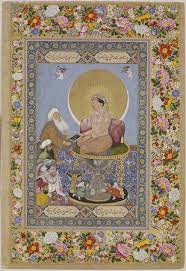
Mughal dynasty (1526-1857)
Descendants of Central and Western Asian conquerors were Muslim, and their culture was heavily influenced by Persian sources (present-day Iran). The major emperors in the production of court culture were: Jahangir (meaning the “World Seizer”) (r. 1605-1627)
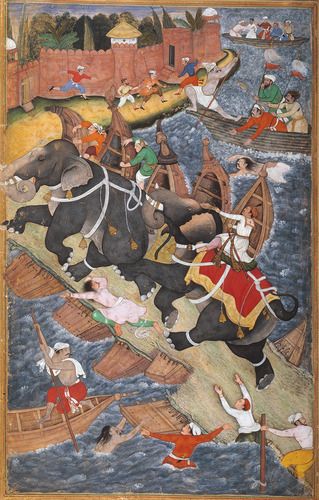
Qing dynasty (1644-1911)
The last dynasty of imperial China was ruled by an ethnic minority from the north of China, the Manchu, who chose the dynastic name , meaning “Purity.” Multi-lingual and culturally adaptive, Manchu emperors, particularly the Qianlong emperor (1735-1796), selectively embraced native Chinese culture while retaining their own semi-nomadic customs, including hunting and archery.
literati
In East Asian society, the literati were the scholar elite, a social class of gentlemen who were educated in Confucian classics and sought to serve the emperor as public servants in the imperial court.
literati painting
The leisurely pursuits , particularly calligraphy and painting, were highly influential in defining the hierarchy of the arts. Literati painting typically emphasized the relationship between writing and image-making.
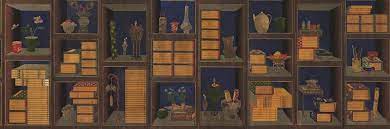
“bookshelf painting”
Similar to still-life painting, “bookshelf painting” developed as a popular genre among elite, cultured class in late Joseon dynasty Korea. Painted with compositional methods influenced by imported European models, chaekgori represented the collections and aspirations of Korean literati.
Edo period (1615-1868)
Period in Japanese history controlled by the Tokugawa shogunate (Japanese military government), named after their seat of power in Edo, or present-day Tokyo. Exchange with the outside world was strictly regulated, primarily limited to Chinese and Dutch traders. For maps and images of Edo-period Tokyo, see:
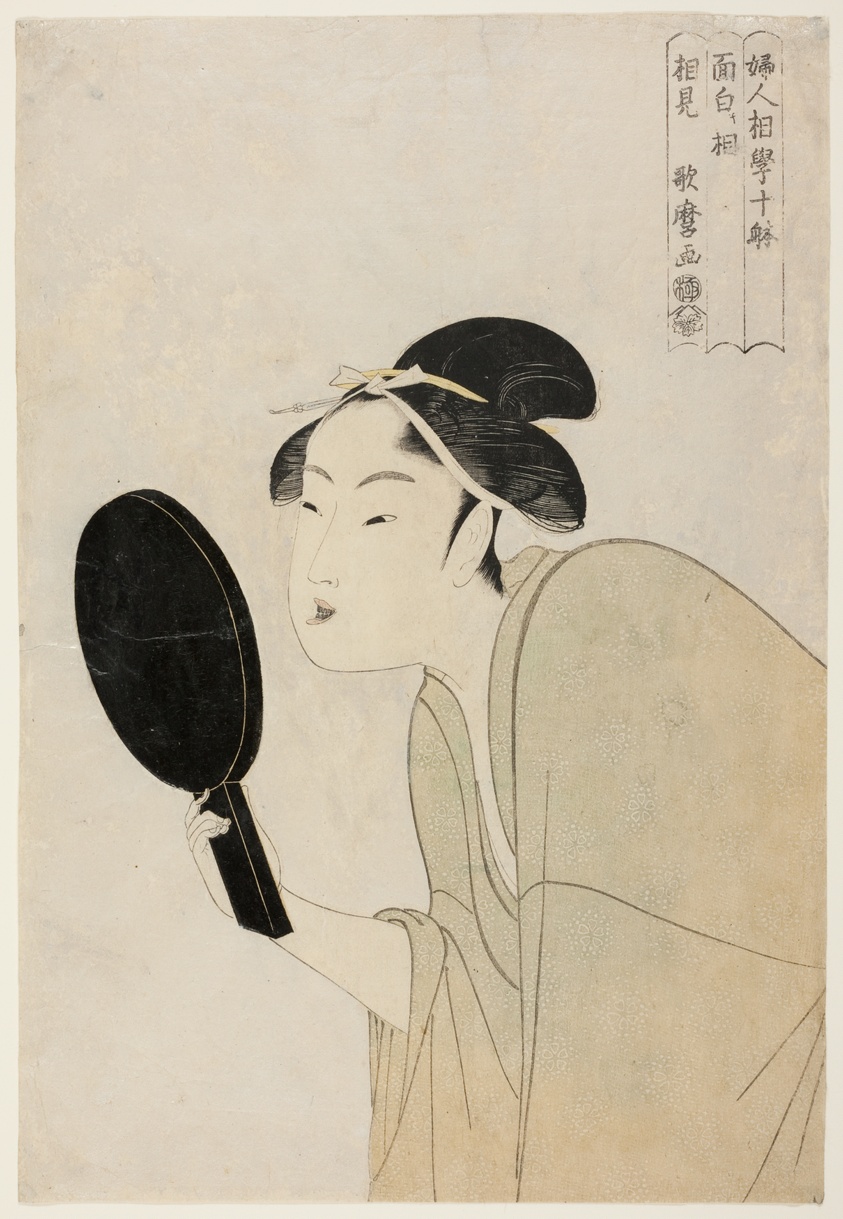
ukiyo-e:
The term for woodblock prints, literally “pictures of the floating world.” A technological innovation in 1765 allowed for the production of nishiki-e (“brocade prints”), polychrome prints produced by multiple blocks. Major genres of ukiyo-e include pictures of beautiful women (bijin-ga), actors (yakusha-e), and landscapes (meisho).
The Counter-Reformation:
the Roman Catholic Church’s response to the Protestant Reformation that began in Germany when Martin Luther challenged the authority of the Vatican in 1517. Pope Paul III, concerned by the spiritual crisis presented by the Protestant Reformation, convened the Council of Trent in 1545. The Council issued its regulations a few years later in 1564, which reaffirmed traditional Catholic doctrine and recommended reforms of liturgy, Church practices, and works of art to be used in the advancement of the Catholic faith. From this date onwards, religious art and architecture received a new impetus to strengthen the Catholic faith of their public.
The Dutch Republic
In the 16th century, the Netherlands had come under the control of the Spanish Kingdom. Repressive measures of Spanish Kings led northern provinces to break from Spain, and to set up the Dutch Republic in 1648. The southern provinces, called Flanders, remained under Spanish rule. This reflects the present separation between the Netherlands and Belgium.
Rococo
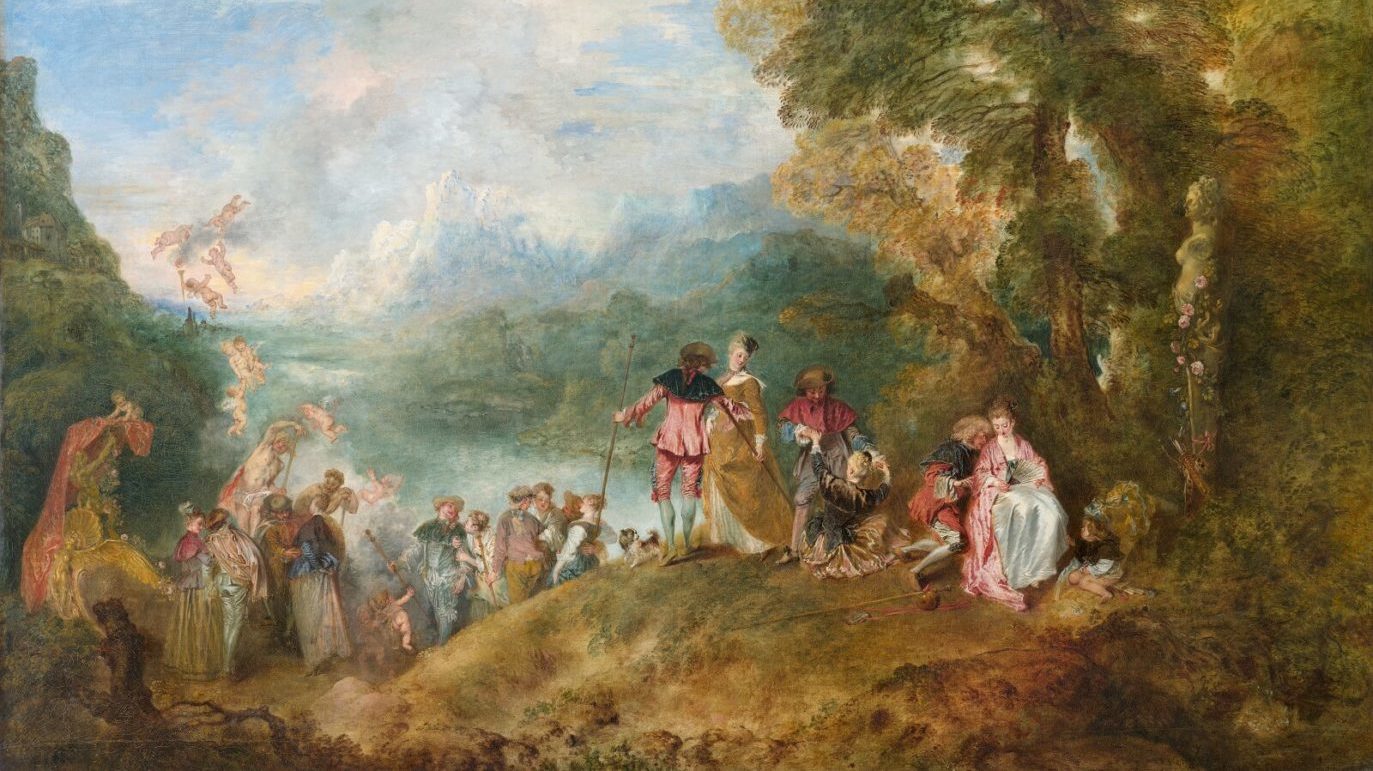
The refined, fanciful, and often sensual style that emerged in the early eighteenth century after 1715 in the elegant town houses (hôtels) of French aristocrats. elegance, levity, floral motifs, muted colors, and curving, asymmetrical lines . The Rococo style typically depicts scenes of youth, love, and nature, and elicits motion and drama.
Fête galante (“Amorous festival”):
A new category of painting invented by Jean-Antoine Watteau in the early eighteenth century depicting idyllic images of aristocratic life.
The Enlightenment:
European intellectual movement of the late seventeenth and early eighteenth centuries. The Enlightenment was a new way of thinking critically about the world and about humankind, independently of religion, myth, or tradition. sought to express the ideals of rationality, morality, and reason that are part of Locke and Newton's philosophies.
Orrery
A mechanical model of the universe demonstrating by wheelwork the movements of the Earth, the Moon, and planets around the Sun. Such devices became popular during the seventeenth century, especially after Sir Isaac Newton (1642-1727) published his universal theory of gravity in 1687. The orrery was named for its early patron, Charles Boyle, 4th Earl of Orrery (1676-1731).
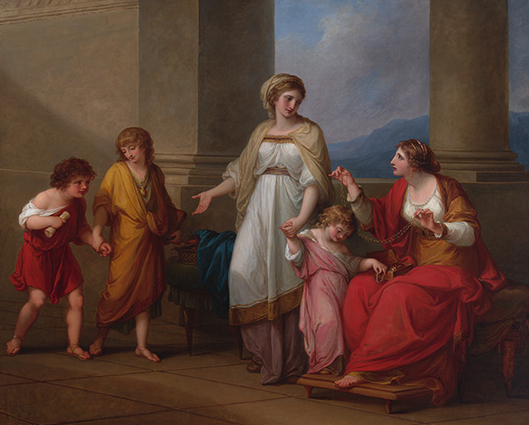
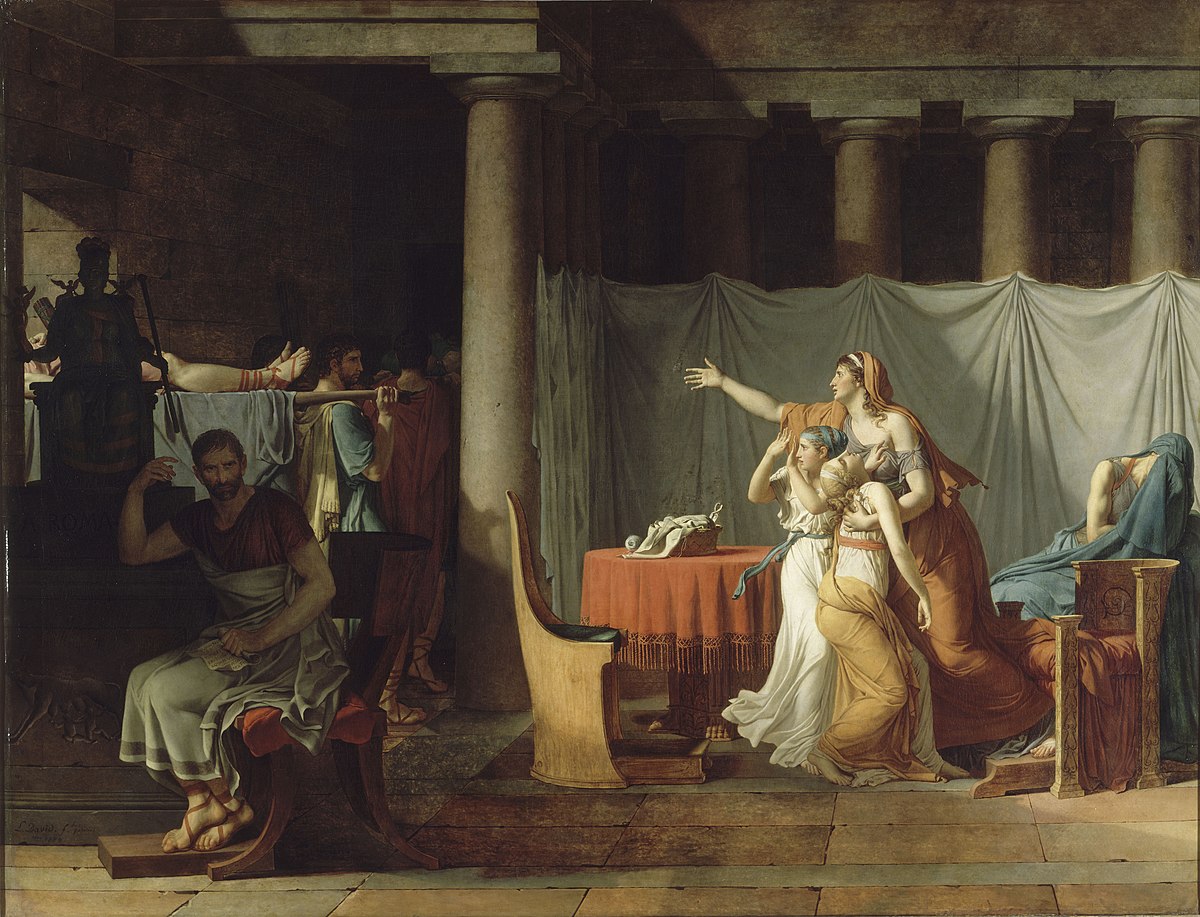
Neoclassicism
grew out of an intense reaction to what was seen as the artificial and sensual excesses of the Rococo style. Informed by Enlightenment thought that challenged the old order through science and reason, reform-minded artists emphasized naturalness, directness, and fidelity to historical sources. The archaeological discovery (in the1730s and ‘40s) of the ancient Roman cities of Pompeii generated a new interest in classical art and architecture.
Exemplum Virtutis
model of virtue) Classical subjects from Ancient Greece and Rome that teach lessons of civic virtue.
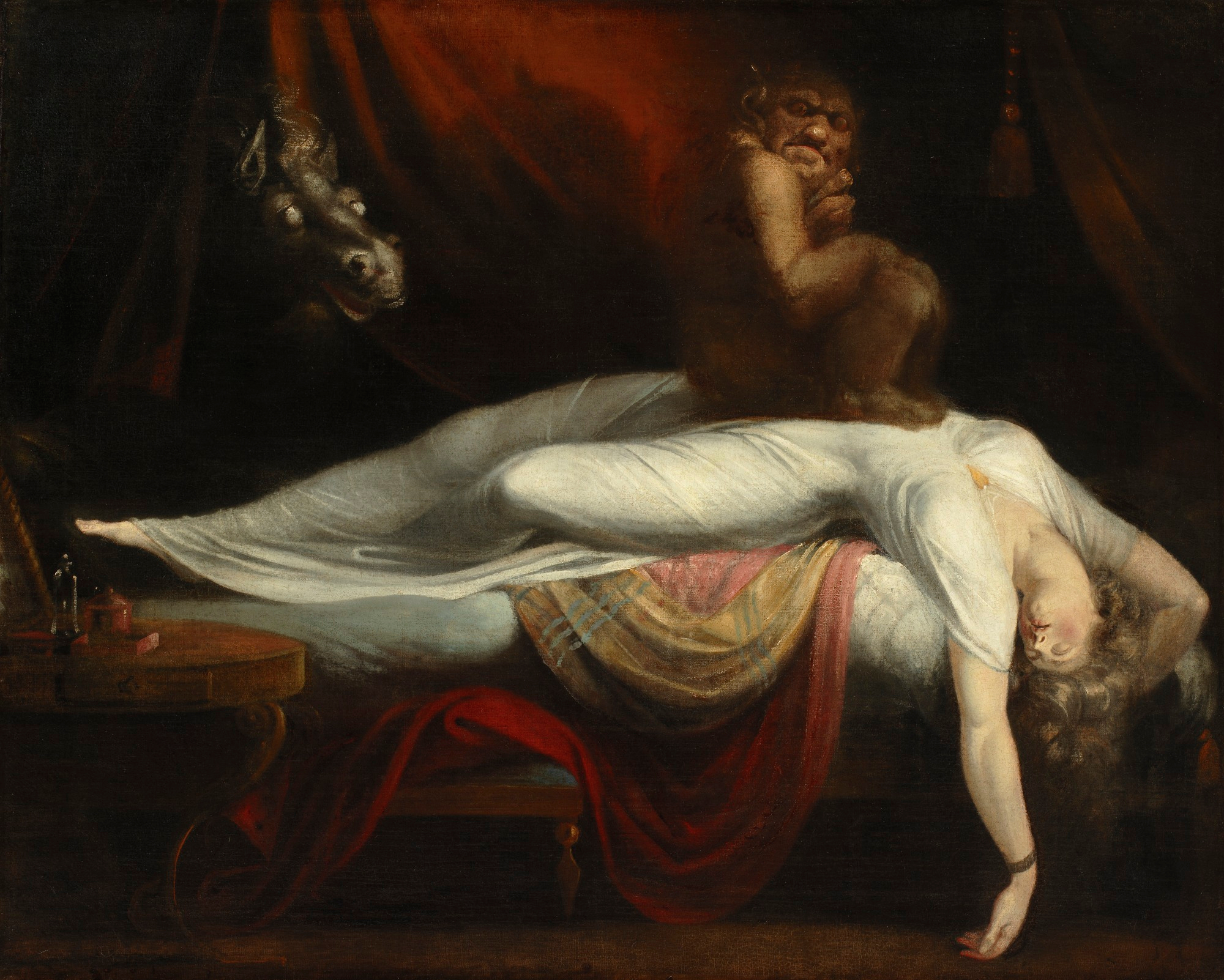
Romanticism
Intellectual and artistic movement of the second half of the eighteenth century that gave precedence to imagination, intuition and emotions, countering Enlightenment values of rationality, progress and order.
Orientalism
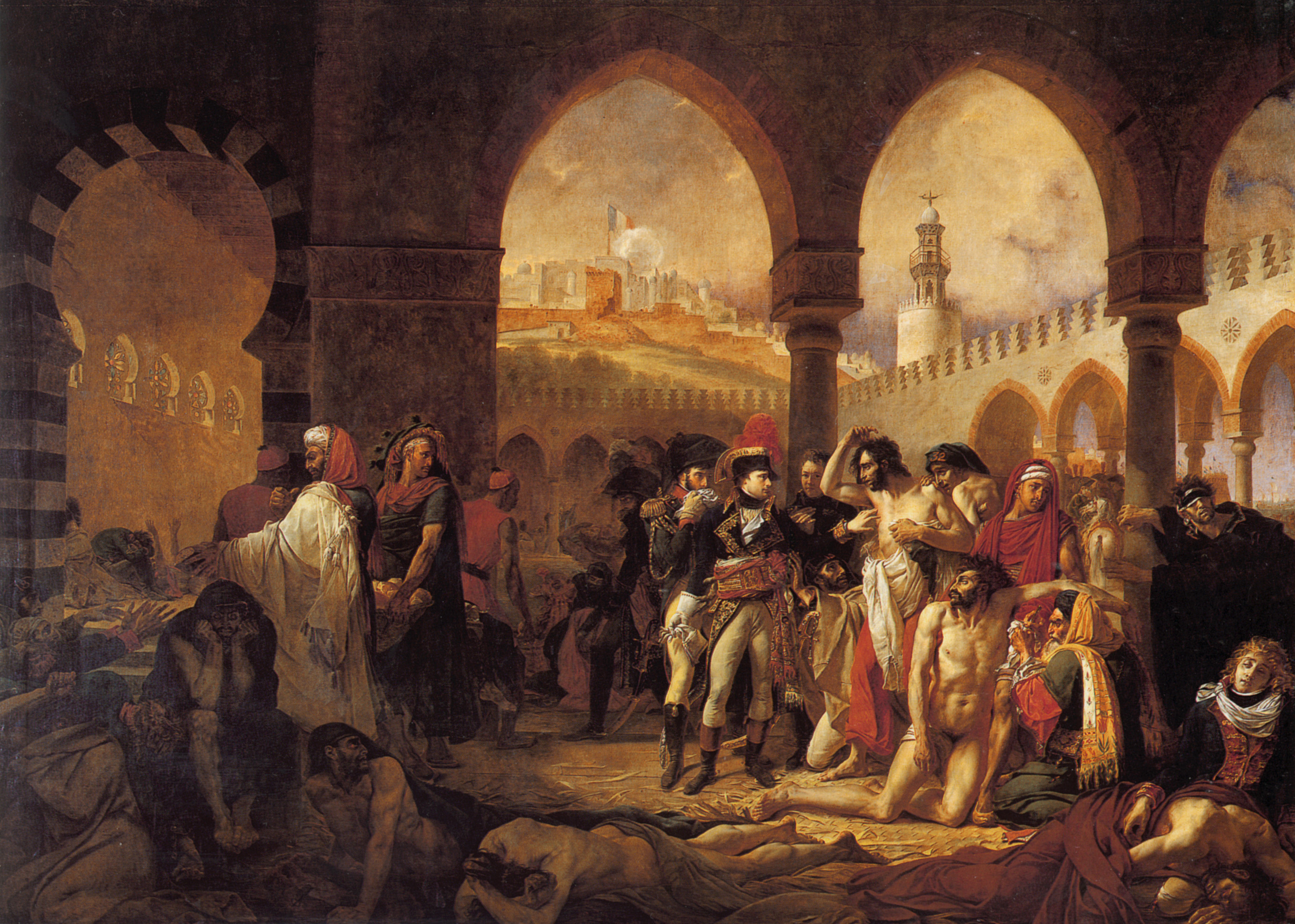
An ideology justifying European colonial aggression. Primarily European fascination with Eastern cultures, catalyzed by Napoleon Bonaparte’s invasion of Egypt in 1798. Despite claims of documenting with ethnographic accuracy the appearance and behavior of “exotic” peoples, Orientalist imagery in fact generated a phantasmatic image of the Eastern Other as emblematizing a degenerate, infantile, excessive humanity in need of the stern discipline and civilizing mission of Europe.
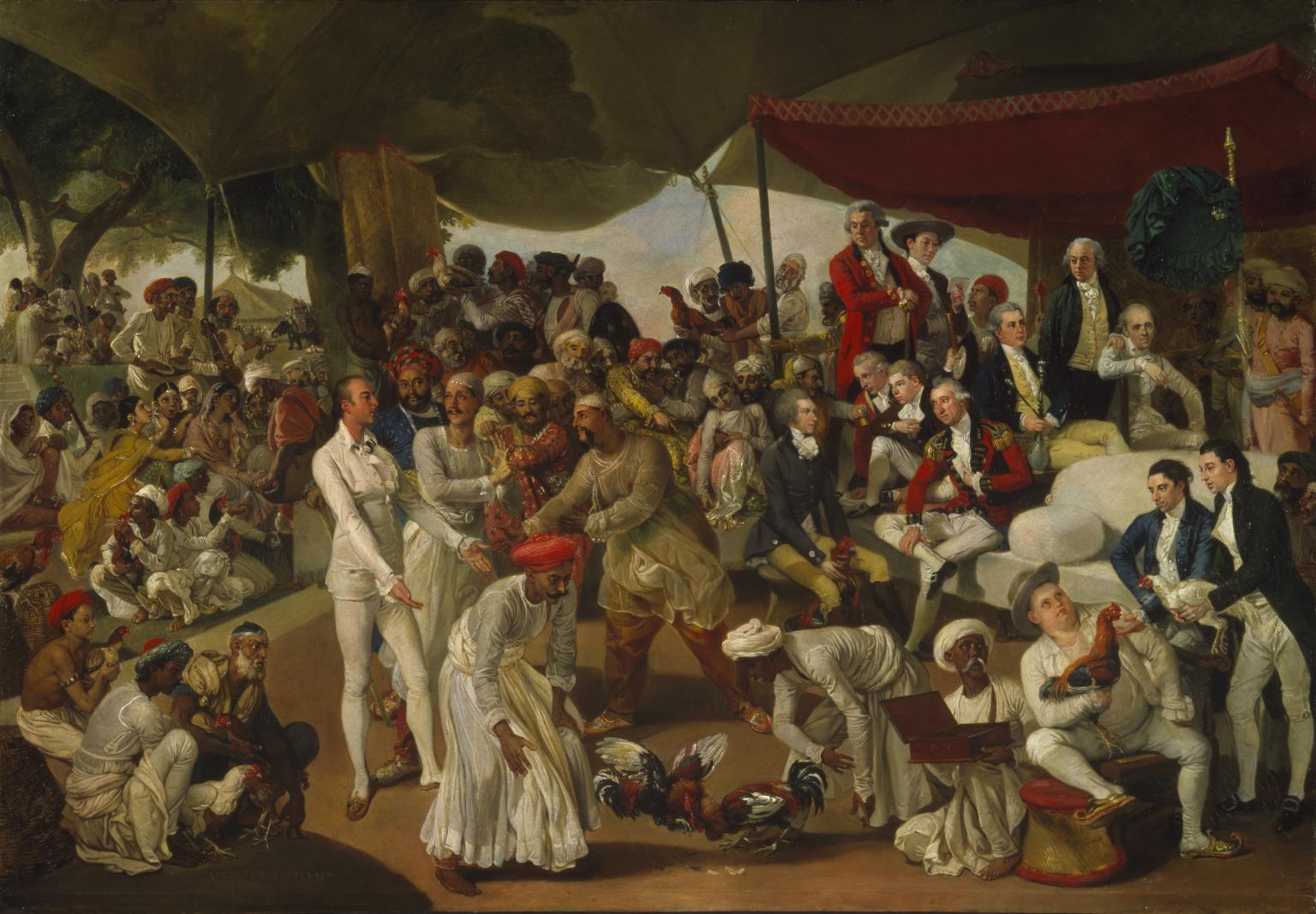
The Nawab of Awadh (or the Nawab of Oudh)
Title given to the rulers who governed the state of Awadh (anglicized as Oudh) in north India, during the eighteenth and nineteenth centuries.
British East India Company
English company formed for the exploitation of trade with East and Southeast Asia and India, incorporated by royal charter on December 31, 1600. Starting as a monopolistic trading body, the company became involved in politics and acted as an agent of British imperialism in India from the early eighteenth century to the mid-nineteenth century.
MOVEMENT = MUGHAL
BICHITR, Jahangir Preferring a Sufi Shaykh to Kings, ca. 1615-1618. Opaque watercolor on paper (miniature), National Museum of Asian Art, Washington, D.C.
MOVEMENT = IMPERIAL CHINA
“Lady Enjoying Antiquities” panel from Twelve Beauties at Leisure, 1709-1723. Yongzheng period, Qing dynasty (1644-1911). Ink and color on silk, each panel
MOVEMENT = JOSEON KOREA
Yi Eungrok (Hyeongrok), Books and Things, 19th century. Ten‐fold screen; ink and colors on hemp. National Museum of Korea, Seoul.
MOVEMENT = EDO JAPAN
Kitagawa UTAMARO, "The Interesting Type," from Ten Types in the Physiognomic Study of Women, c. 1792-3. Polychrome woodblock print, ink, colors, and minerals on paper, British Museum.
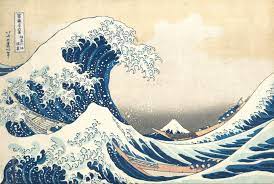
MOVEMENT 2 = EDO JAPAN
Katsushika HOKUSAI, The Great Wave off Kanagawa, from Thirty-six Views of Mount Fuji, Edo period, ca. 1826-1833. Woodblock print, ink and colors on paper, Museum of Fine Arts, Boston (Bigelow Collection).
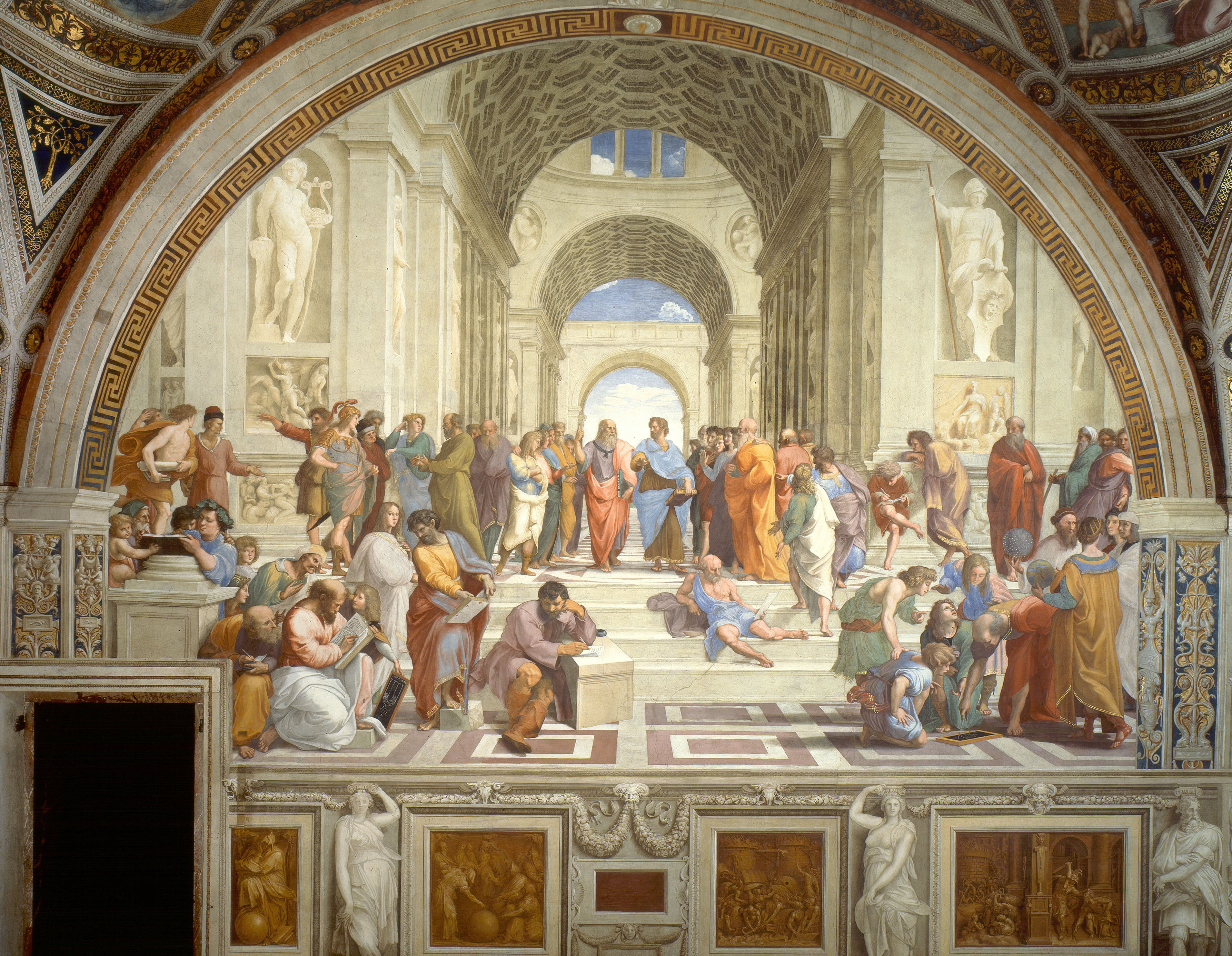
MOVEMENT= HIGH RENAISSANCE
RAPHAEL, Philosophy (School of Athens), 1509–1511. Fresco, Vatican Palace, Rome, Italy, fresco
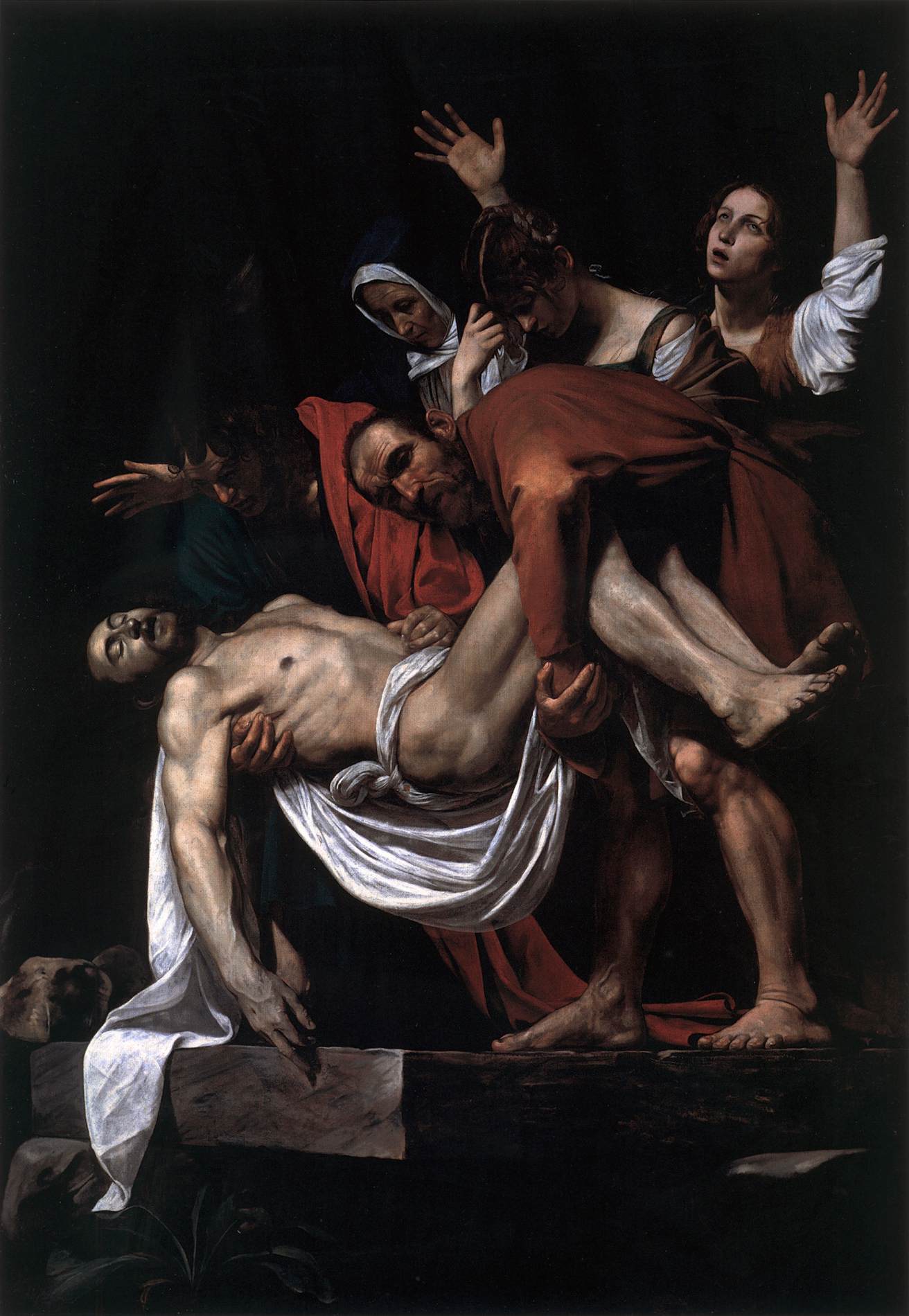
BAROQUE
dramatic, exaggerated motion and clear, easily interpreted, detail.
ITALY
CARAVAGGIO, Entombment, ca. 1603. Oil on canvas. Originally in the chapel of Pietro Vittrice, Santa Maria in Vallicella, Rome, Italy. Currenty held in the Musei Vaticani, Rome, oil on canvas
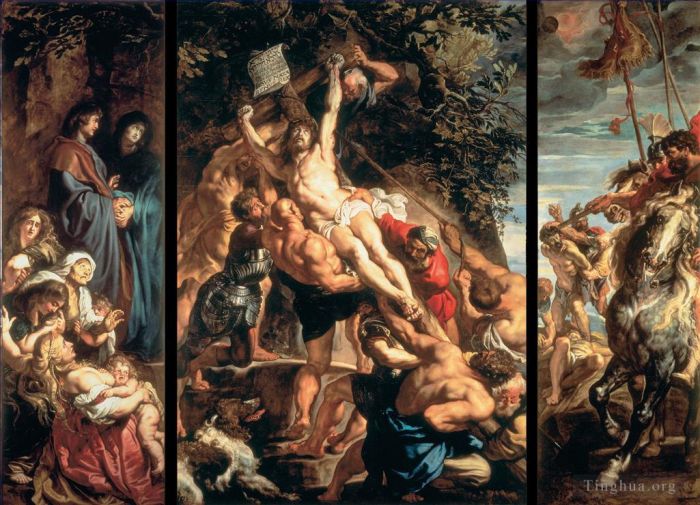
FLANDERS
PETER PAUL RUBENS, Elevation of the Cross, 1610-1611. Oil on wood, 15 feet 1-7/8 in. x 11 feet 1-1/2 in. (now in Antwerp Cathedral, Belgium)
FLANDERS 2
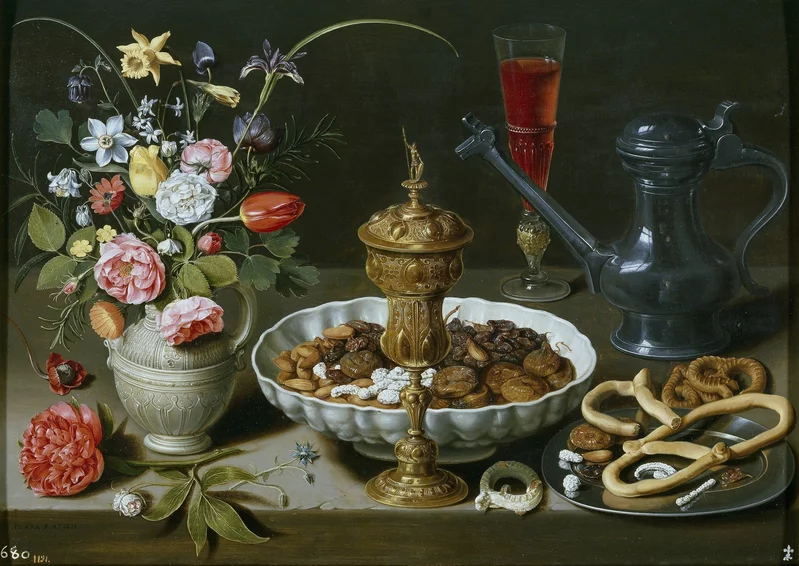
CLARA PEETERS, Still Life with Flowers, Goblet, Dried Fruit, and Pretzels, 1611. Oil on panel
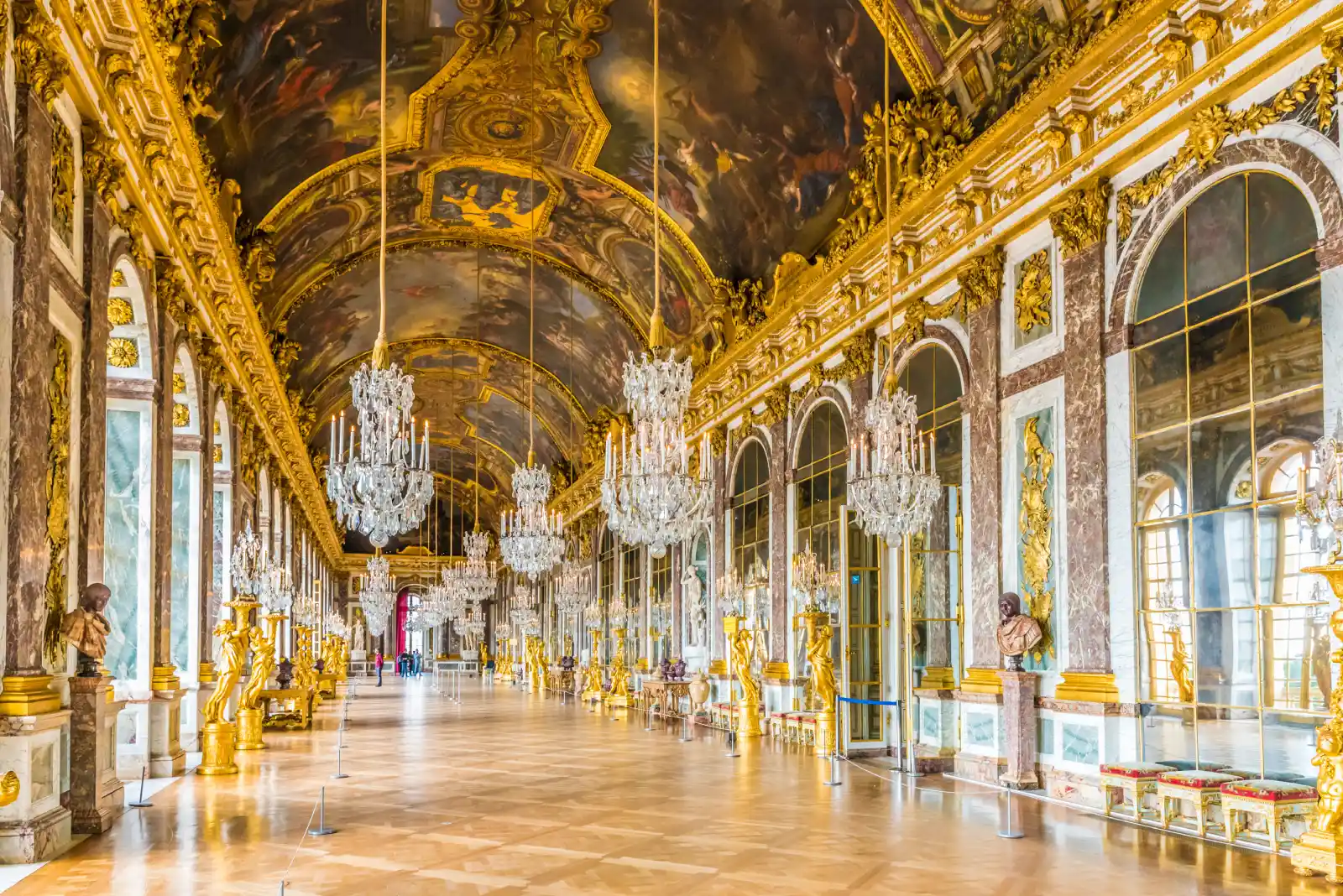
FRANCE
Jules HARDOIN-MANSART and Charles LE BRUN, Palace of Versailles, exterior and Hall of Mirrors, France, 1669-1685.
MOVEMENT = ROCOCO
ANTOINE WATTEAU (French, 1684–1721), Pilgrimage to the Island of Cythera, 1717, oil on canvas
MOVEMENT = ENLIGHTENMENT
JOSEPH WRIGHT OF DERBY (English, 1734–1797), A Philosopher Giving that Lecture on the Orrery, in which a Lamp is put in the Place of the Sun, c. 1763–1765, oil on canvas
MOVEMENT 2 = ENLIGHTENMENT
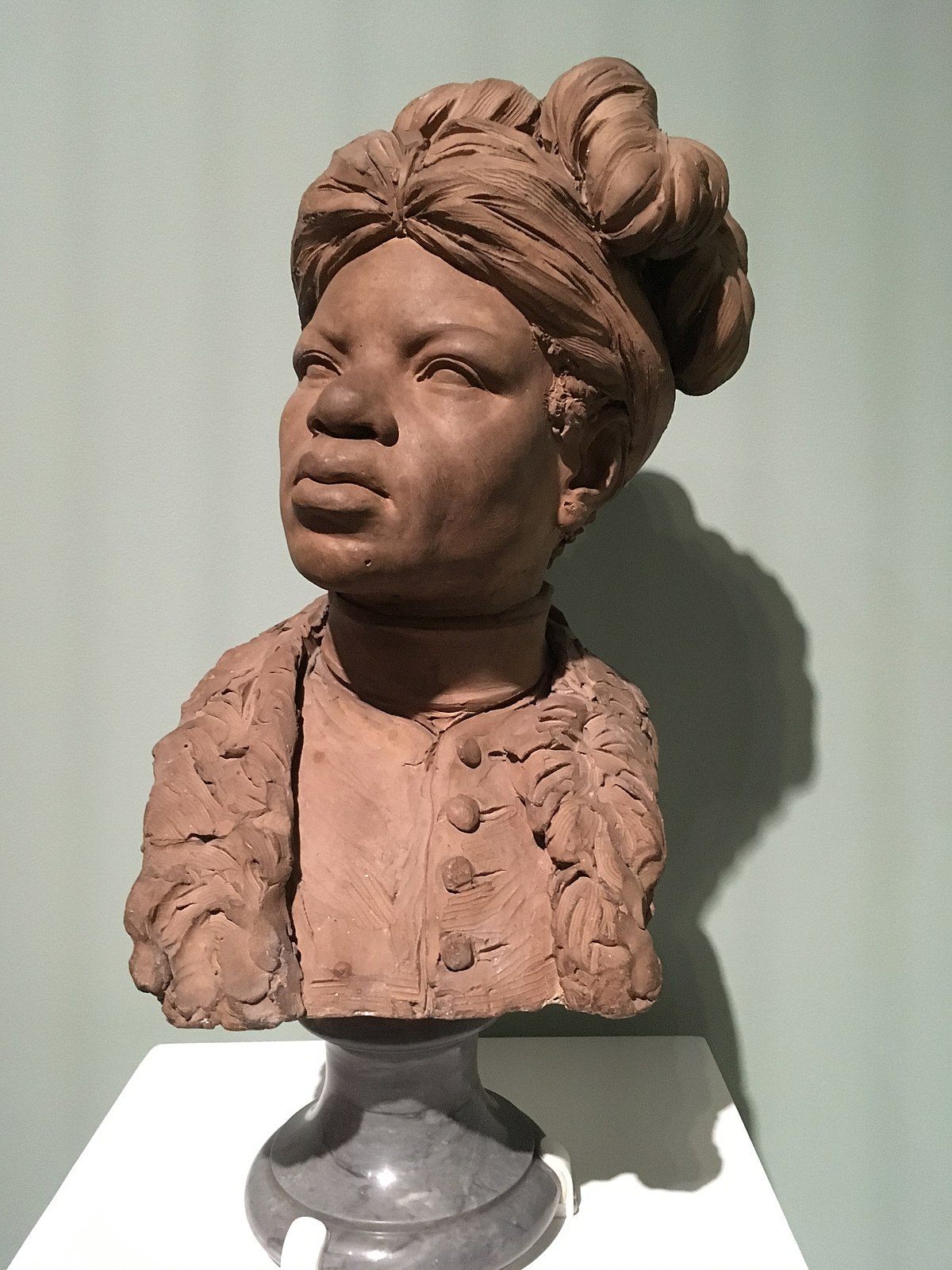
JEAN-BAPTISTE PIGALLE (French, 1714 –1785), Bust of Paul, Servant of Desfriches, c. 1760, terra cotta.
MOVEMENT = NEOCLASSICISM
ANGELICA KAUFFMANN, Cornelia Presenting Her Children as Her Treasures, c.1785, oil on canvas
MOVEMENT = ROMANTICISM
HENRY FUSELI, The Nightmare, 1781, oil on canvas
MOVEMENT = NEOCLASSICISM 2
JACQUES-LOUIS DAVID, The Lictors Bring to Brutus the Bodies of His Sons, 1789, oil on canvas
MOVEMENT = BRITISH COLONIALISM
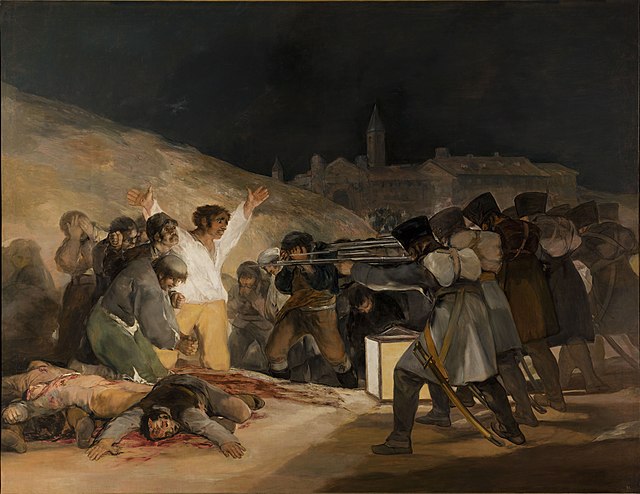
FRANCISCO GOYA, The Third of May, 1808, 1814-1815, oil on canvas
MOVEMENT = NAPOLEONIC ART
ANTOINE-JEAN GROS, Napoleon in the Plague House at Jaffa, 1804, oil on canvas
MOVEMENT = BRITISH COLONIALISM
JOHAN ZOFFANY (German and English, 1733 - 1810), Colonel Mordaunt’s Cock Match, c. 1784–6, oil on canvas
ROMANTICISM
emphasized intense emotion as an authentic source of aesthetic experience. It granted a new importance to experiences of sympathy, awe, wonder, and terror, in part by naturalizing such emotions as responses to the "beautiful" and the "sublime"
HIGH RENAISSANCE
references to classical art and delicate application of developments from the Early Renaissance (such as on-point perspective). Overall, works from the High Renaissance display restrained beauty where all of the parts are subordinate to the cohesive composition of the whole.
JAHANGIR PREFERRING A SUFI SHAYKH TO KINGS
1615-1618, watercolor on paper
LADY ENJOYING ANTIQUITES 12 BEAUTY
1644-1911, ink and color on silk
THE GREAT WAVE
1826-1833, woodblock print
THE INTERESTING TYPE
1792-3, woodblock print
SCHOOL OF ATHENS
1509-1511, Fresco
CARAVAGGIO ENTOMBMENT
1603, oil on canvas
PETER PAUL RUBENS, Elevation of the Cross
1610-1611, oil on wood
CLARA PEETERS, Still Life with Flowers, Goblet, Dried Fruit, and Pretzels,
1611, oil on panel
Jules HARDOIN-MANSART and Charles LE BRUN, Palace of Versailles, exterior and Hall of Mirrors
1669-1685, interior architecuture
ANTOINE WATTEAU (French), Pilgrimage to the Island of Cythera
1684–1721, oil on canvas
JOSEPH WRIGHT OF DERBY (English), A Philosopher Giving that Lecture on the Orrery, in which a Lamp is put in the Place of the Sun,
1734–1797, oil on canvas
JEAN-BAPTISTE PIGALLE (French), Bust of Paul, Servant of Desfriches,
1714 –1785), terra cotta
ANGELICA KAUFFMANN, Cornelia Presenting Her Children as Her Treasures
1785, oil on canvas
JACQUES-LOUIS DAVID, The Lictors Bring to Brutus the Bodies of His Son
1789, oil on canvas
HENRY FUSELI, The Nightmare
1781, oil on canvas
ANTOINE-JEAN GROS, Napoleon in the Plague House at Jaffa
1804, oil on canvas
FRANCISCO GOYA, The Third of May
1808-1815, oil on canvas
JOHAN ZOFFANY (German and English), Colonel Mordaunt’s Cock Match
1733 - 1810, oil on canvas
Mughal dynasty
1526-1857
Qing dynasty
1644-1911
Edo period
1615-1868