biofinal
 Note
Note Call Kai
 Learn
Learn Practice Test
 Spaced Repetition
 Match
Match Flashcards
 Knowt Play
1/73

There's no tags or description
Looks like no tags are added yet.
Name | Mastery | Learn | Test | Matching | Spaced | Call with Kai | Chat |
|---|
No analytics yet
Send a link to your students to track their progress
74 Terms
Koch’s postulates
Causal relationship between a microbe and a disease. 1 - not present in healthy organisms, present in sick organisms , 2 - isolated and grown in pure culture 3- must cause disease when reinfected 4 - Reisolation - microbe can be reisolated from infected animal
Pathogen vs Microbes
All pathogens are microbes but not all microbes are pathogens. Pathogens are microorganisms that cause disease
Infectious Disease
Caused by pathogens and can spread from one person to another, e.g., influenza, HIV/AIDS.
Viruses
Composed of genetic material in a protein coat, replicate by infecting host cells. Needs host to survive. Flu, HIV, covid
Bacteria
Prokaryotic cells with a simple structure, reproduce through binary fission, produce toxins, and are targeted by antibiotics.
Immune system
Innate immunity is the body's first line of defense against pathogens. It is general and non-specific, which means it does not differentiate between types of pathogens.
Adaptive immunity is a type of immunity that is built up as we are exposed to diseases or get vaccinated. T cells, memory b cells
Antibiotics
Target bacterial structures/processes like celll wallll synthesis
clonal replication
mmune cells (lymphocytes) proliferate and differentiate in response to a specific antigen, creating a large population of cells that can specifically target the pathogen.
Correlation vs
changes in one are associated with changes in another, BUT ONE DOES NOT CAUSE THE OTHER
cAUSATION
casue and effect, one variable determines the occurence of the otrher event
PET scan
Imagine, radiation injected in body
fMRI
changes in blood flow in brain, identifies regions involved in specific tasks
MRI
magnetic fields shows images of organs
Frontal Lobe
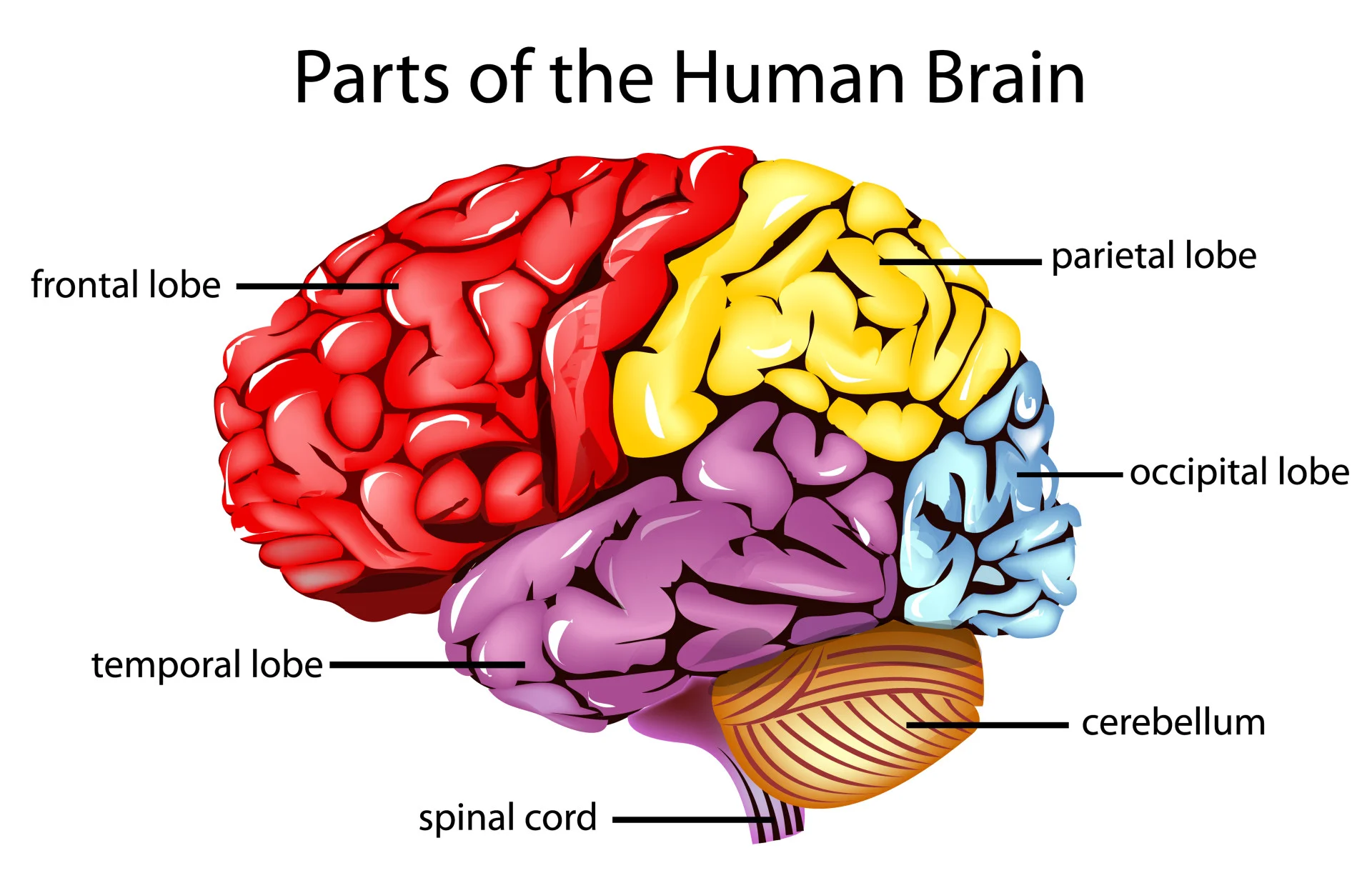
Brocas Arphasia
Can understand but CANT SPEAK
Wernickes a[hasia
Can speak, CANNOT UNDERSTAND
Conduction Aphasia
iSSUE BETWEEN FRONTAL AND TEMPORAL
Temporal lobe
hearing memory language
Parietal Lobe
Spacial orientation, sensory info
EPSP
Excitatory neurotrasnsmitters like glutamate open ion channels, letting positive sodium flood into cell, DEPOLARIZING
IPSP
makes it less likely for action potential to fire
Hyperpolarizing
GABA binds to receptors letting chloring enter and Potassium exit
VLPO
inhibits arousal
Orexin
Rregulates arousal and wakefulness
SCN
bodys clock, regulates circadian rythms
Adenosine/cageine
caffeine blocks adenosine receptors, keeping you awake
Brain Waves
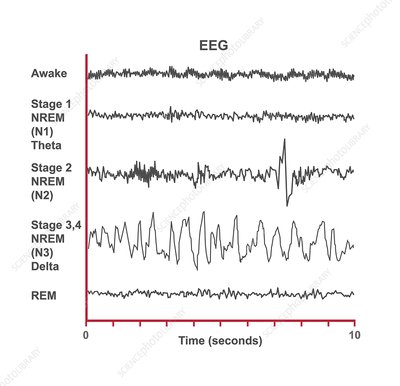
Type 1 diabetes
PANCREAS DOESNT MAKE INSULIN, autoimmune diseas where pancreas cells are attacked
Type 2 diabetes
pancreas makes less insulin, body is resistant to insulin
Neuron Parts
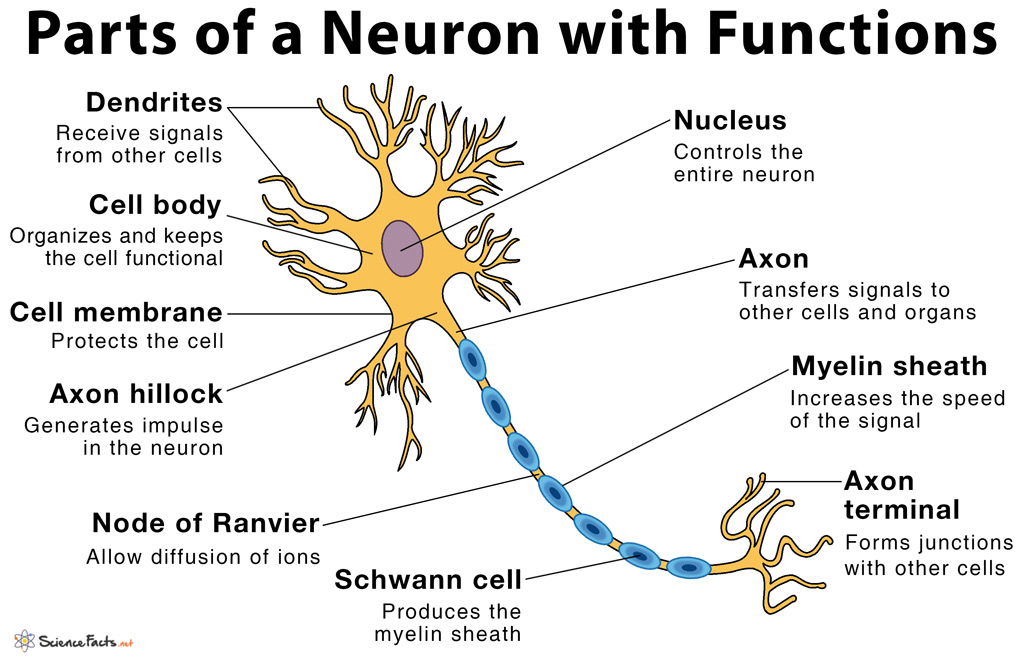
EEG
eelectrocal activity in briN
Hills postulates
set of nine principles to establish a causal relationship between a presumed cause and an observed effect
Ames test
A test to determine the mutagenic potential of a substance, indicating its carcinogenic potential.
Neurons
Consist of a cell body, dendrites, and an axon, transmit signals through action potentials, and communicate via synaptic transmission.
Malignant tumor
Cancerous growths that can invade and destroy nearby tissue and spread to other parts of the body.
Bnign tumor
nON CANCEROUS, doesnt spread
Metastatic tumor
same type of cells as primary tumor
checkpoint proteins
INK, pevent driver, Retinoblastoma, prevents passes point of no return where they dont listen to external signals
Tumor supressor genes like p53
inhibit cell divisiona nd stop tumor from growing
Odds ratio
if above one, more likely to get cancer, if below, less likey to get cancer
Calculate odds ratio
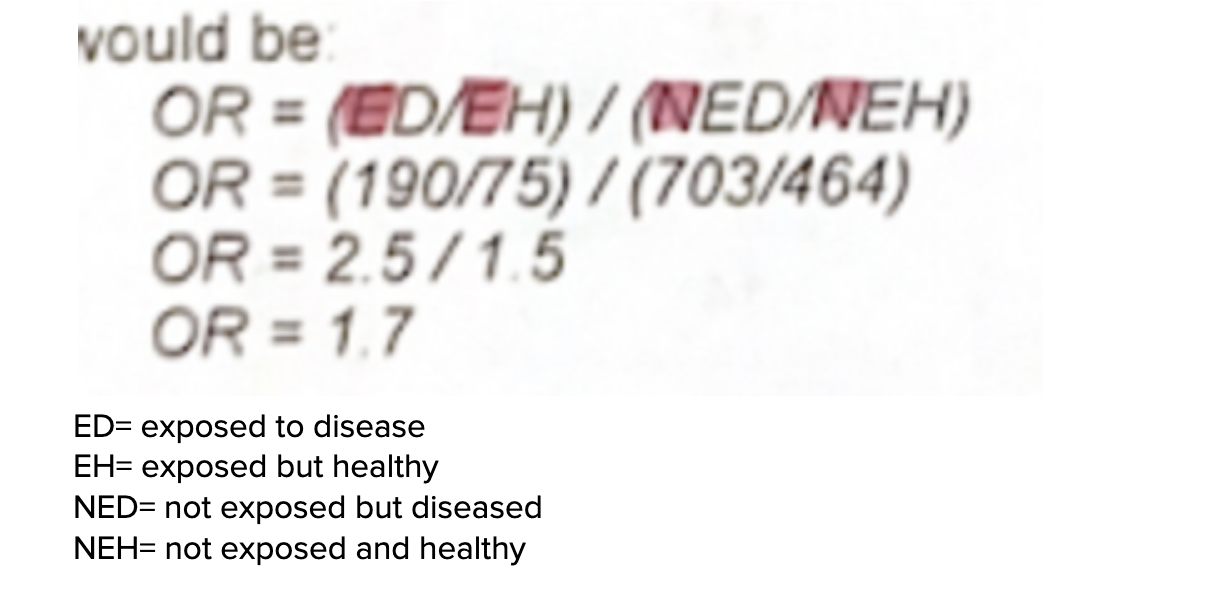
Proto oncogenes / drivers
tell cell to continue cycle and division, when they mutate they are oncogenes.
How cancer starts
Mutation, hyperproliferation, local invasion, angeogeneis, formation of new bloood vessels, enters blood stream, forms secoondary tumor
Necrosis vs apoptosis
Apoptosis, little damage, planned, tells neighboring cells to die
nECROSIS, explodes, bc od extreme conditions
Tumor grade
structural complexity, is it nromal or abnormal, how unique are they, how different are they from normal cells
Tumor stage
How likely they are to metastasize, stage 4 is that its spread
Pain and perception
Involves excitatory and inhibitory neurons, pain circuits, and synaptic connections for EPSPs and IPSPs.
Sleep
Regulated by brain regions like VLPO, arousal neurons, orexin neurons, SCN, and influenced by adenosine, caffeine, and sleep disorders like narcolepsy.
Drugs, addiction, and neuronal changes
Involves the reward pathway, structures like VTA, NAc, PFC, tolerance, withdrawal, and conditions like epilepsy.
Metabolic diseases
Include understanding food components, digestive system organs, enzymes, hormones like ghrelin and leptin, and metabolic processes like lipogenesis and gluconeogenesis.
Fasting vs
Involves metabolic processes like lipogenesis, lipolysis, and gluconeogenesis, regulated by the liver and appetite-regulating hormones.
BMI/body composition
BMI measures body fat based on height and weight, while body composition refers to fat, muscle, and bone proportions in the body.
Cell Cycle (normal)
The series of events that take place in a cell leading to its division and replication, including interphase, mitosis, and cytokinesis.
Carcinogens
Substances that can cause cancer by disrupting the normal cell cycle or promoting abnormal cell growth.
Transformation
The process by which normal cells become cancerous.
Malignant vs
Malignant tumors invade nearby tissues and spread, while benign tumors do not spread.
Primary Site vs
Primary site is where cancer originates, while metastatic tumors spread to other body parts.
Treatment - Radiation, Surgery, and Chemotherapy
Methods to destroy or inhibit cancer cells.
Stages of Cancer
Range from I to IV, indicating cancer spread extent.
Mutations affect the cell cycle and carcinogens
Mutations can lead to hyperproliferation and affect tumor suppressor genes.
Odds ratio
Measures the association between exposure and cancer risk.
Proliferation
Cells multiplying rapidly, creating more cells.
Local Invasion
Cells moving from where they originated to nearby tissues.
Growth of New Blood Vessels
Formation of new blood vessels to supply nutrients and oxygen to growing tissue.
Entering the Bloodstream
Cells getting into the blood vessels.
Exiting the Bloodstream and Forming a Secondary Tumor
Cells leaving the bloodstream and establishing a new tumor in a different part of the body.
Apoptosis
Programmed cell death where the affected cell actively participates in the process.
Necrosis
Cell death due to adverse conditions in the cell's environment, often unregulated and causing extensive damage.
Angiogenesis
The growth of new blood vessels to provide oxygen and nutrients to tissues.
Tumor Grade
Describes how different cancer cells are from normal cells and their invasiveness relative to healthy cells.
Tumor Stage
Indicates how much the tumor has spread, including the likelihood of metastasis and migration beyond the original site.
Oncogene
Mutated gene that can promote cancer development.
P53
Gene that regulates apoptosis, a key process in controlling cell death.
Intravasation
The process where cancer cells enter blood or lymphatic vessels.