Forensic Anthro. Exam 2
 Call Kai
 Learn
 Practice Test
 Spaced Repetition
 Match
 Flashcards
 Knowt Play
1/73

There's no tags or description
Looks like no tags are added yet.
74 Terms
Chain of custody (why is it important? How to properly maintain it?)
-Chain of custody: movements + location of physical evidence from time obtained until the presented in court (inventory all materials, log all people who handled evidence, MED/PD takes initial custody, release to human ID lab, return to MEO)
Things a properly run lab should do / have
-Documentation + analysis
-Skeletal inventory (in anatomical position)
-Photography
-Report (how remains were received, condition of remains, time since death, bio. profile, trauma, conclusion)
How to tell bone from non-bone?
Many organic material that get confused for bones will bend when they get wet, while wet bones do not bend
--comparison collection is key
How to tell human bone from non-human bone
Size, shape, maturity (epiphysial fusion), bone thickness (where muscle attaches + cross section)
-related to locomotion
-comparison collection is key
What bones are NOT found in humans
-Baculum: penis bone
-Caudal Vertebrae: extended tail bone (apes don’t have tails, monkeys do)
-Furcula and coracoid: bird collar bone (wishbone) humans have separated collar bone + chunky chest bone?
-Metapodial: fused toe / finger bones (cows)
-Unfused eye orbits (humans are fused)
What animal bones/teeth are easily misidentified as human?
-Bear paw vs. human hand
-Human cranial fragments vs. turtle shell
-Human teeth vs. pig teeth (both omnivores)
Skeletal planes
1) Transverse plane: top / bottom halves
2) Sagittal plane: vertical cut (L / R halves)
3) Coronal: front and back halves

Cranial vs. Postcranial
-Cranial: skull (including lower jaw, no teeth)
-Postcranial: everything else
Anterior vs. posterior
-Anterior: front half (coronal?)
-Posterior: back half (coronal?)
-Ex: “Chest plate is anterior to the spine.” “Back of hand is posterior to palm.”
Medial vs. lateral
-Medial: toward the middle of the body
-Lateral: away from the middle of the body
-Ex: “Pinky is medial in relation to the thumb.” (in ana. pos.) “Pinky toe is lateral in relation to the big toe.”
Superior vs. inferior
-Superior: towards the top (top half / part)
-Inferior: towards the bottom (bottom half / part)
Ex: “Knees are superior to the feet.” “Toes are inferior to the head.”
Proximal vs. distal (LIMBS)
-Proximal: closer to trunk of body
-Distal: further from trunk of body
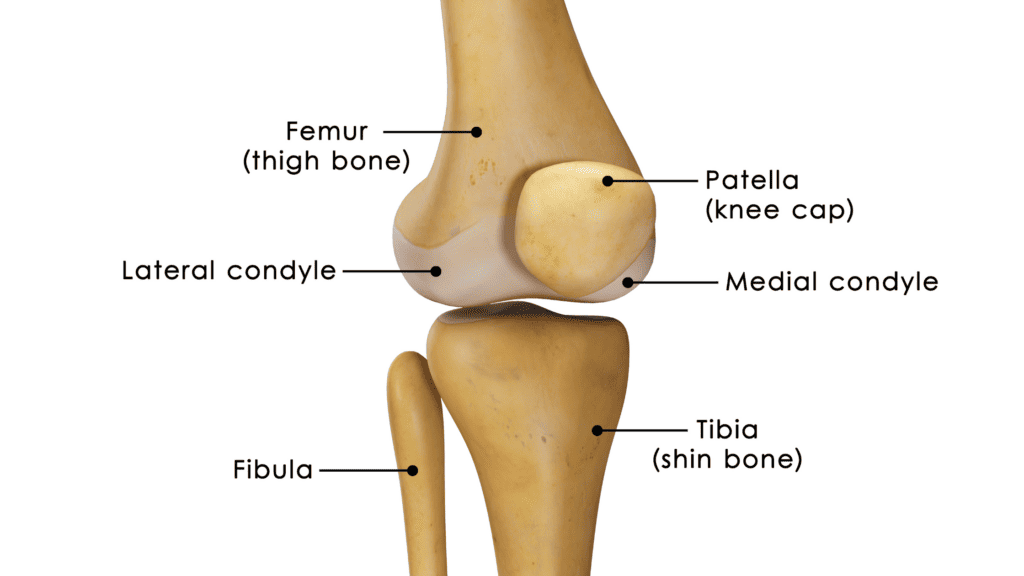
-Ex: “Distal end of femur makes up the knee.” “Proximal end of shin makes up the knee.”
All dental directional terms
-Buccal: side of teeth you can see
-Lingual: side of teeth you can’t see
-Interproximal: surface between two teeth (where you floss)
-Occlusal: chewing surface
Describe positions of bones relative to each other (visualize the skeleton in anatomical position)
Axial vs. appendicular skeleton
-Axial: skull + trunk + sternum / vertebrae
-Appendicular: legs + arms + collar bone (bc it connects to shoulder)
What makes up the pelvis and shoulder?
Appendicular skeleton? idk
What do osteoblasts do?
They are responsible for making new bones (thus contributing to the increase of bone thickness and length)
What do osteoclasts do?
bone resorbing cells / remove bone tissue
What are bones made of?
-20% water
-35% organic (collagen) slightly flexible
-45% nonorganic (hydroxyapatite) strong
What is a dental formula?
The # of teeth in each in each tooth type in a quadrant (count clockwise)
In a dental formula, do you count mesial to distal or distal to mesial?
Mesial to distal (front to back)
Dental formula 2-1-2-3 and 2-1-0-2 ?
-2,1,2,3 / 2,1,2,3 = permanent teeth dental formula
-2,1,0,2 / 2,1,0,2 = deciduous teeth dental formula
-Incisors (4), canine (2), premolars (4), molars (6) = both sides (adults)
Basic differences between permanent and deciduous dentitions
-Teeth develop from crown → root
-Deciduous teeth # = 20
-Permanent teeth # = 32
Non-metric analysis
Visual analysis, traits aren’t easily measured
-Examples: greater sciatic notch, subpubic area
Metric analysis
Standardized measurements (FORDIS- compare to skel. col.)
-Examples: iliac breadth, max length of femur
What order do profile estimations need to be done in? How do they influence each other?
Sex, population affinity, age-at-death, stature
What might affect a person’s growth and development?
Genetics, sex, puberty, childhood nutrition, illness/ medical conditions, sleep, exercise, lifestyle (sports)
Why do age range and accuracy become more difficult as one gets older?
Kids/ teens follow strict/ genetically timed sequence of skeletal growth, dental eruption, and epiphyseal (growth plate) fusion
-(these devs. occur at regular, predictable intervals)
-Adults= based on degenerative & metamorphic changes
Methods in each age estimation category
1) Growth and development:
-Fetal period: long bone length (femur)
-Post natal / childhood: long bone length + dental dev. (kids have more unfused epiphscies + hand dev?)
2) Maturation: fusion of epiphyses
3) Degenerative changes: dental wear/ loss
4) Metamorphic changes: Pubic symphysis (young= ridges / old= lipping + boney growth), sternal rib ends (same as #1), auricular surface (same as #1) (edge of ox coxya that connects to sacrum), cranial sutures (smoothen)
What methods are best used in what populations? (immature vs. mature? Limitations?
Why do we need to pay attention to people who’re trans, intersex, or gender variant in forensic context? How could they be identified?
Transgender, gender variant, and intersex individuals suffer from a disproportionally high rate of violence, sometimes leading to death or disappearance. The development of methods and protocols for identifying them is a top priority in forensic anthropology.
What is the more reliable region for sex estimation and why?
The pelvis because of evolutionary and functional adaptations related to childbirth in females
-Female: wider, shorter, larger, circular birth canal
-Male: narrower, taller, small, triangular pelvic outlet
Key traits/features on the pelvis
-Sciatic notch: female = rounder + bigger / male = narrow
-Subpubic angle: female = U-shape / male = V-shape
-Ventral arch (stomach arch): female = present / male = small or none
-Subpubic concavity: female = concave / male = convex
-Ischiopubic ramus: female = narrow with crest / men = broad + flat
-Sacrum (middle thing): female =wide + short / men = long + narrow
-Preauricular sulcus (little divot thing): female = present / male = not present

Key traits/features on the skull for sex estimation
-Brow ridge: females= less defined/ flatter / males= more defined
-Supra-orbital margin (eye lid?): females= sharp / males= rounded
-Nuchal crest (neck muscle/ point on back of head): females= not very pronounced / males= pronounced
-Mental eminence (chin): females= smaller + rounded / males= larger + more squared
-Mandibular angle (jawline): females= obtuse / males= <120 degrees
What to do if the estimation is ambiguous or the results from the pelvis and skull on the same person don’t match?
Pelvis always takes precedence over the skull
Difficulties/issues with pop. affinity assessment + why for. anthros. are still doing it?
It’s crucial to investigations
What profile estimation needs to be done before stature? Why?
Sex estimation because stature-estimation formulas and mathematical regression models are sex-specific + males and females have proportions ?
Understand the examples in Week 12’s assignment for scenario-based questions for sex and age estimations
What is maceration?
The process of removing soft tissue from decomposing / mummified remains
Why do some cases need maceration?
So forensic anthropologists can ID bones
How is maceration done? (process + tools)
-Tools: Plastic (prevent additional damage)
1) remove bulk of soft tissue
2) disarticulate sections of the body
3) soak remains in water
4) heat to boiling, then reduce to below 100 degrees (2-3) days
5) soft tissue removed with plastic tools / forceps
6) scrub with diluted citrus-based degreaser and rinse with clean water
-Dermestid beetles (3-7) days
What are some possible issues if maceration is not performed correctly?
Improper maceration can lead to incomplete decomposition, contamination of the remains, or damage to the bone structure. This may hinder accurate identification and analysis of the skeletal remains.
-Using metal, bleach
Why and how do human and non-human bones/teeth look different?
-Humans: small canine teeth, rounded molars, small jaw
-Carnivores: sharp, jagged teeth + prominent canines
-Herbivores: broad, flat, or ridged molars
What factors cause human and non-human bones to look different?
-Locomotion (the way an animal walks/moves)
-Diet
-Body weight
What criteria could help distinguish human from non-human bones?
Size, shape, and muscle markings of skeleton
Locations of major bones/ bone groups/ tooth groups
The ulna is __________ to the radius in anatomical position.
medial
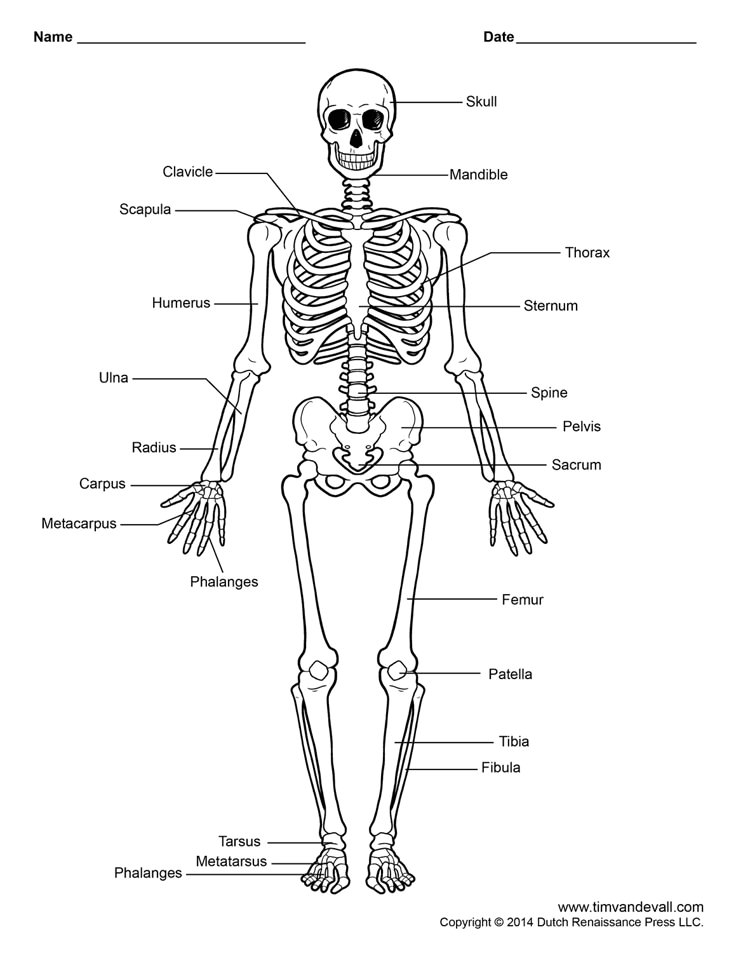
Your nails are located on the ______ row of the phalanges.
distal
When you smile, people see the ________ surface of your teeth.
buccal
The ankle is _______ to the rib cage.
inferior
You chew food with the ___________ surface of your teeth.
occlusal
What is a sinus?
interior spaces created within bones during growth (air spaces)
What bones have sinuses?
1) Frontal = forehead
2) Sphenoid = in center of skull
3) Ethmoid = behind eyes
4) Maxilla = cheek / upper jaw

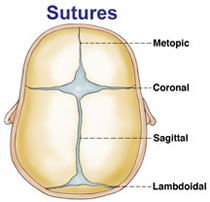
Location and shape of major sutures
-Coronal suture: front of skull (horizontal)
-Sagittal suture: divides cranium into L / R (vertical)
-Lambdoid suture: back of skull (triangle thing)
-Squamosal suture: side of skull (circle thing by ear)
Functions and features of the vertebrae
-Bare body weight
-Anchor muscles / ligaments
-Protects spinal cords (nerves)

How many vertebrae are in each five major segments?
-Cervical: 7 (breakfast at 7)
-Thoracic: 12 (lunch at 12)
-Lumbar: 5 (dinner at 5)
-Sacrum: 5
-Coccyx: 4 (fused)

How to tell cervical vertebrae apart from others
Transverse foramina (holes) only in cervical vertebrae

Number and groups of ribs (why are they grouped like this?)
24 ribs, 12 pairs
-True: (1-7) all have separate sections of cartilage
-False: (8-10) cartilage sections are attached
-Floating: (11-12) no cartilage, don’t connect to sternum

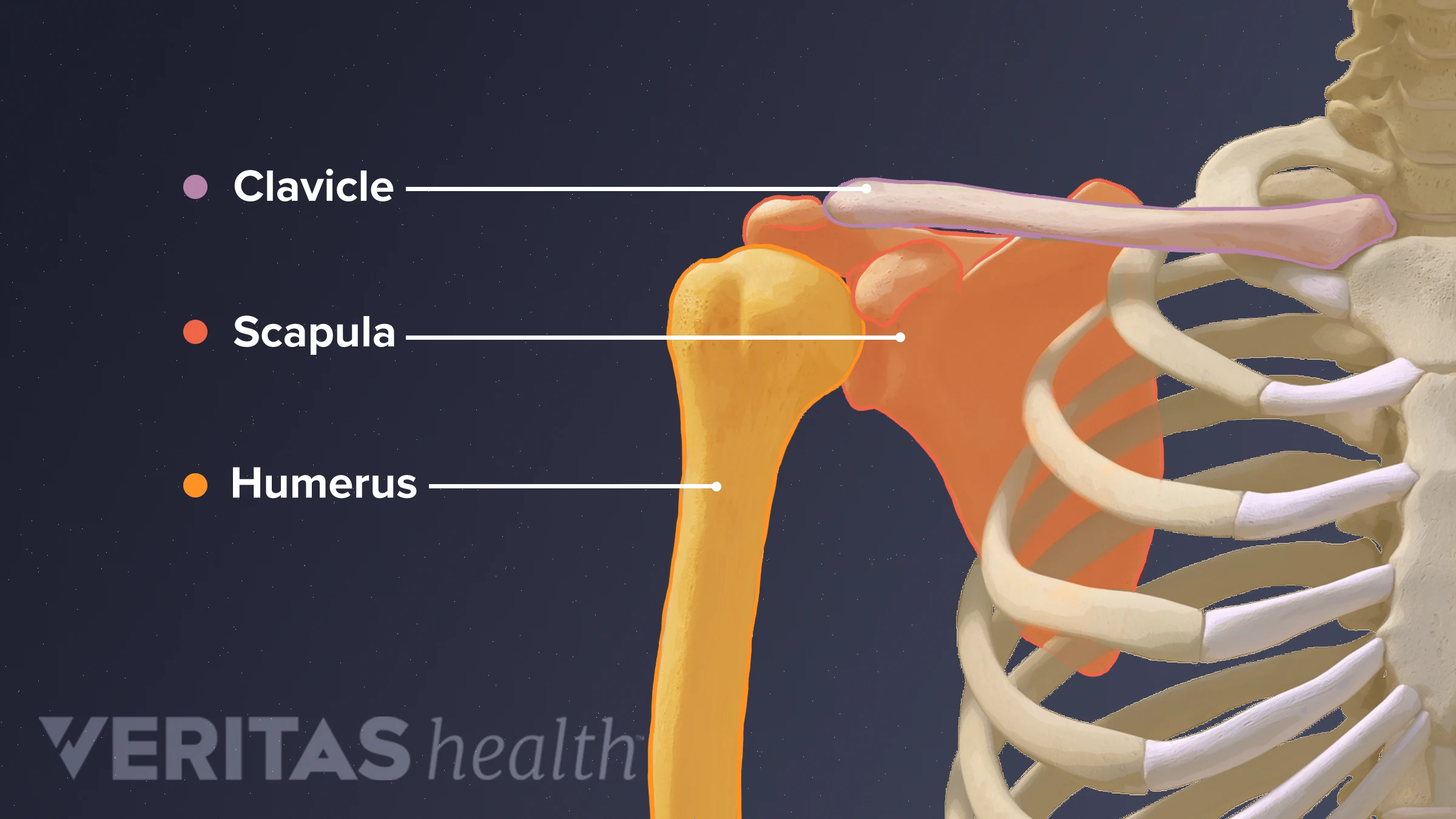
what bones make up the shoulder girdle?
Clavicle (collarbone) + scapula (shoulder blade) + humerus (upper arm bone)
What bones make up your lower arm- which one is lateral/medial?
Radius + ulna (radius is lateral to the ulna)

What is the difference between os coxa and the pelvis?
-Os coxa: (hip bone) made of the ilium, ischium, and pubis fused together (L+R sides)
-Pelvis: 2 ox coxae + sacrum + coccyx

which side (anterior/posterior) of the femur and tibia has more texture and why?
The posterior side of both has more texture due to muscle attachment to the knee
How can a hand/foot be divided into three major sections each?
-Hand: wrist (8 carpal bones), palm (metacarpals (5), fingers (14)
-Foot: tarsals (7), metatarsals / arch of foot (5), toes (14)

How many bones are in each section for hand and foot ?
-Hand= 27
-Foot= 26
-Both= 53 (106 both hands + feet)

what are the limitations of each age indicator?
Why is it important to always consider multiple age indicators when estimating age at death?
no single skeletal / dental trait matures or degenerates at a uniform rate across all people
What is the last epiphyseal fusion?
Medial end of clavicle (~25)
What are some specific features in the skull, other bones (e.g., femur), and overall robusticity that can be indicative of biological sex?
-Femur:
-overall size: females (shorter + narrower)
males: (longer + thicker)
-muscle attachment marks: females (less pronounced + smoother / males (more pronounced)
Why is "population affinity" (ancestry) used in forensic anthropology instead of "race" or "ethnicity"?
to accurately reflect what bones actually show: statistical and morphological similarity to reference populations, rather than fixed biological categories
What are some social factors or problems that make estimating and interpreting an individual's population affinity difficult? If it's so difficult, why is it still a part of the bio. profile
What is the most reliable region in a skeleton for population affinity estimation? What are the features associated with this region?
-Midface (most variation meaning it’s the easiest place to diagnose pop. affinity)
-Interorbital breadth
-Zygomaticomaxillary suture (suture in middle of cheek bone)
-Nasal aperture shape (nose hole)
-Nasal architecture (nose shape)
-Inferior nasal aperture (space between nose + upper lip)
-Post-bregmatic depression (dent on top of head)
-Dental attributes (shovel-shaped vs. spatula-shaped incisors)
-Palate shape (roof of mouth)
What do Bergmann's and Allen's rules explain? (stature)
-Bosy shape + limb proportion established by population affinity
-Cold env: bunny w/ short ears (less surface to keep warm)
-Hot env: tall people / long limbs (long bunny ears)
What elements in the biological profile can affect a person's stature (growth and maturation), thus need to be assessed before estimating stature?
-Can’t just use femur length to estimate stature (dif. proportions)
-Predictable relationship between limb length and stature allows for the estimation overall height from long bone length
-Males tend to be taller than females in the same pop. (sex est. before stature est.
What are the methods for stature estimation and what are some limits of each?
-Lone Bone Measurement: (most reliable/used) measure long bone then apply a linear regression formula
-always a RANGE, must know age + sex
-Est. stature from fragmented bones: calculate bone length, then use standard stature formula
-take measurements between available labels/ landmarks on frag. bone, then use established linear reg. formula
-Problems w/ stature est: taller in morning, self-reported height is taller than reality, degeneration of intervertebral disks + compression, pathology + traumatic injuries may affect height