Spanish art exam 1 module 1
 Call Kai
 Learn
Learn Practice Test
 Spaced Repetition
 Match
Match Flashcards
 Knowt Play
1/17

There's no tags or description
Looks like no tags are added yet.
Name | Mastery | Learn | Test | Matching | Spaced | Call with Kai | Chat |
|---|
No analytics yet
Send a link to your students to track their progress
18 Terms

Title: Trilingual Psalter.
Creator: Multilingual scribes (Greek, Latin, Arabic)
Date: Pre-1153, Palermo, Sicily
why its important: Demonstrates the official trilingual administration and multicultural synthesis of Norman Palermo, where Greek, Latin, and Arabic coexisted

Title: Royal mantle of Roger II.
created by: Muslim craftspersons.
date: 1133–1134 CE (A.H. 528), Palermo
why it matters: Shows a Christian Norman king utilizing Islamic court workshops (tiraz) and Arabic inscriptions to project imperial majesty and cross-cultural power
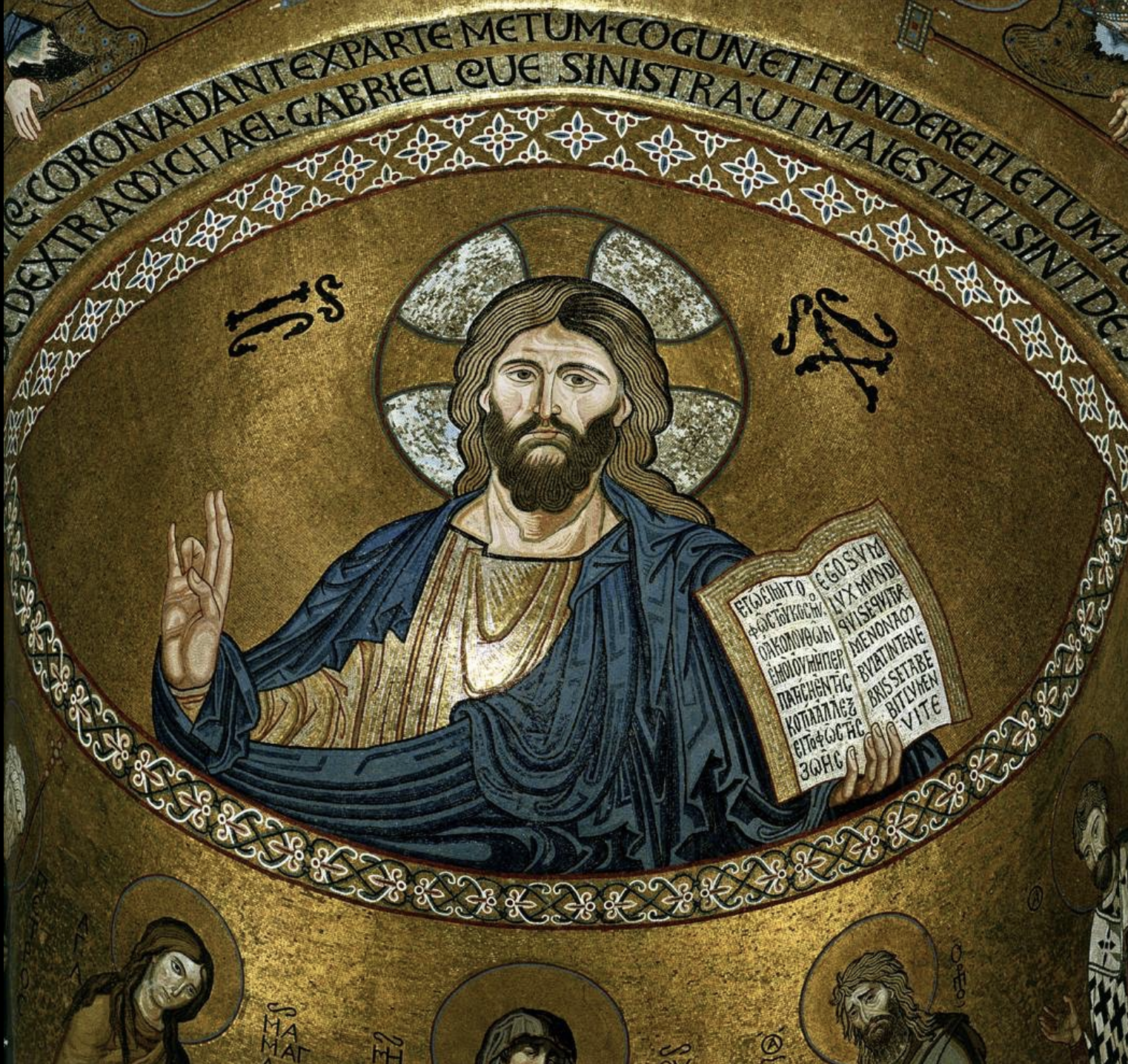
Title: Christ Pantokrator with Inscriptions in latin and greek
creator: Byzantine craftspersons.
date: Ca. 1140, Palatine Chapel, Palermo
why it matters: Highlights the integration of Byzantine monumentality and iconographic motifs with Latin and Greek inscriptions in Norman royal patronage

title: Muqarnas Ceiling
creator: Muslim craftspersons
date: Ca. 1140,
why: Features an Islamic stalactite (muqarnas) carved wooden ceiling inside a Christian royal chapel, reflecting deep architectural syncretism.
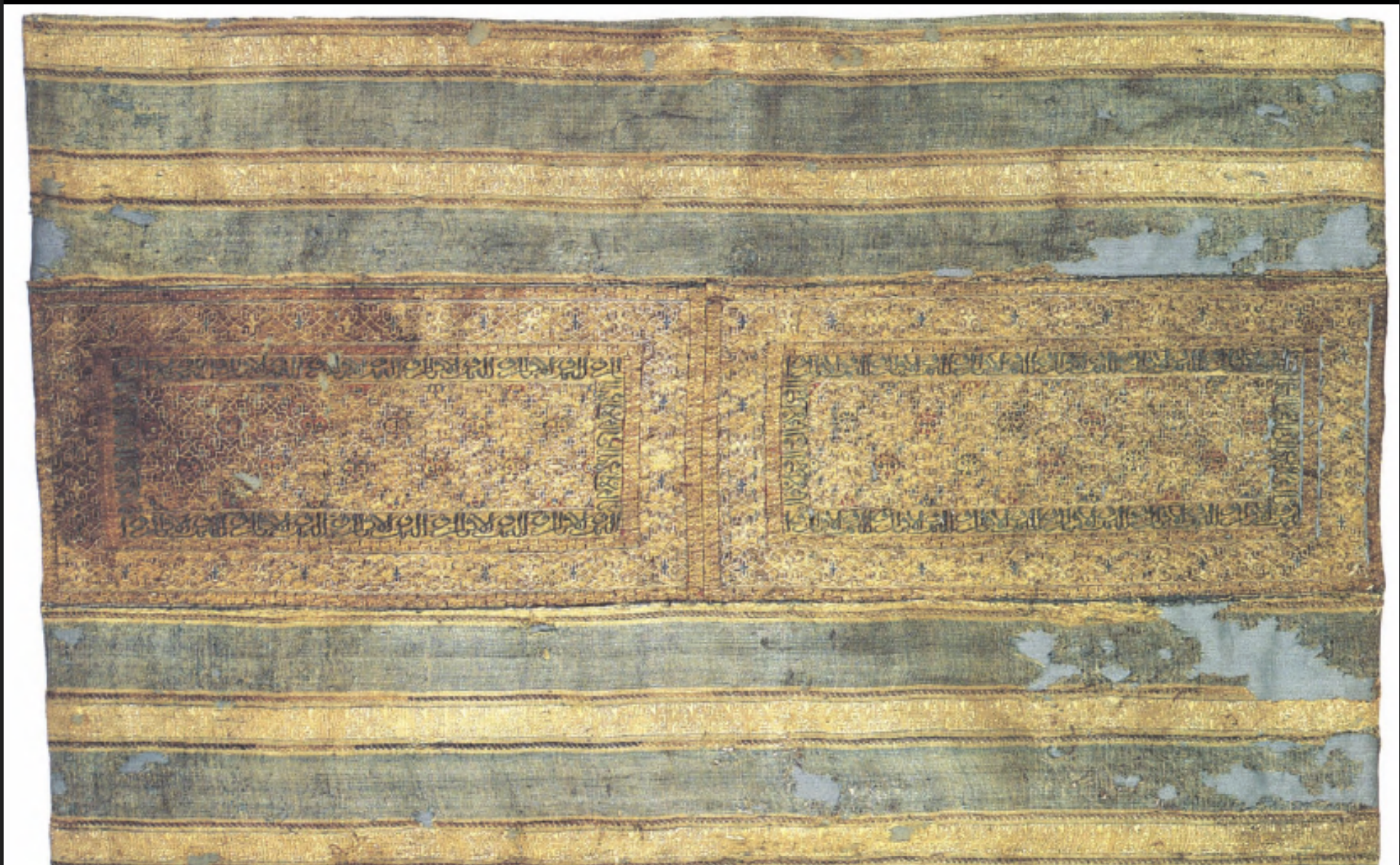
title: Pillow Cover of Leonor of Castile
creator:Muslim craftspersons
date: 'Before 1214, Spain
why:Illustrates how high-status Islamic luxury textiles (silk and gold thread) were prized and utilized for Christian royal burials and attire
details:Silk and gold thread. 19'/4 x 28in. (49 x 71 cm)

title: Pamplona Casket
creator:Muslim craftspersons
date: Caliphal period, 1004/5. (dated A.H. 395)
why:An example of elite Islamic carved ivory from the Umayyad Caliphate of Cordoba, later preserved in Christian church treasuries.

title: Seated figure
creator:Ile-Ife (Nigerian) craftspersons
date: 'late 13th/14th century.
why: demonstrates advanced West African lost-wax copper casting and refined naturalistic royal portrait sculpture

title: Consecration of the Temple
creator: Dura-Europos
date: 'Fresco. Ca. 250 CE.
why: Provides rare, early archaeological evidence of narrative figural Biblical wall paintings inside an ancient synagogue

title: St. James at Compostela
date: 'Begun 1075. under (Alfonso VI)
why:A quintessential Romanesque pilgrimage cathedral designed with an ambulatory and radiating chapels to handle large crowds

title: Floorplan of St. James at Compostela
date: ''Begun 1075. under (Alfonso VI)

title: Singers Performing
creator:Scribes and illuminators working under Alfonso X
date: 'Ca. 1280, Castile, Spain
why:illustration for the Cantigas de Santa Maria

title: Cantigas #169
creator:Scribes and illuminators working under Alfonso X.
date: 'Ca. 1280.
why:Illustrates narrative Marian miracle stories and daily interfaith interaction in 13th-century Iberian society

title: Cantigas #34
creator:Scribes and illuminators working under Alfonso X.
date: 'Ca. 1280.
why:Illustrates narrative Marian miracle stories and daily interfaith interaction in 13th-century Iberian society

title: Mezquita Bab-alMardum, or Mosque of Cristo de la Luz / Santa Cruz.
creator:Islamic builders; later Christian adaptors
date: 'Built in 999. Toledo.
Converted to Catholic Church shortly after 1085.

title: Mezquita Bab-alMardum, or Mosque of Cristo de la Luz / Santa Cruz.
with an added: An apse was added ca. 1180 to make it more closely resemble other Christian churches.
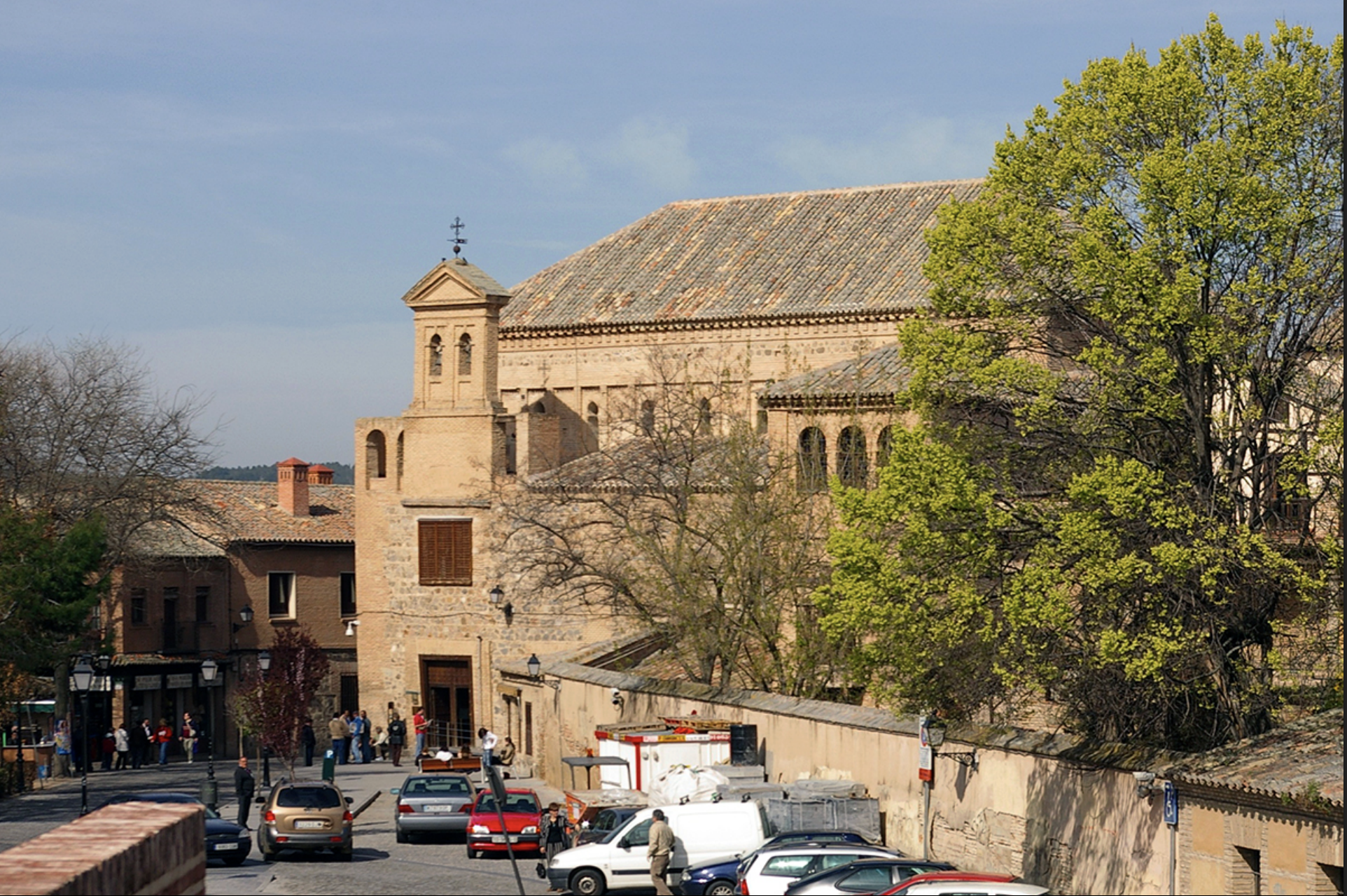
title: Samuel Halevi Abulafia synagogue (converted into the Church of El Transito de Nuestra Señora in 1492)
date: 'c. 1357, Toledo, Spain
why:Highlights Mudéjar Jewish design, incorporating Hebrew psalm inscriptions, Arabic calligraphy, and Nasrid-style stucco carving

title: The prayer hall of Samuel Halevi Abulafia synagogue.
date: '1357.
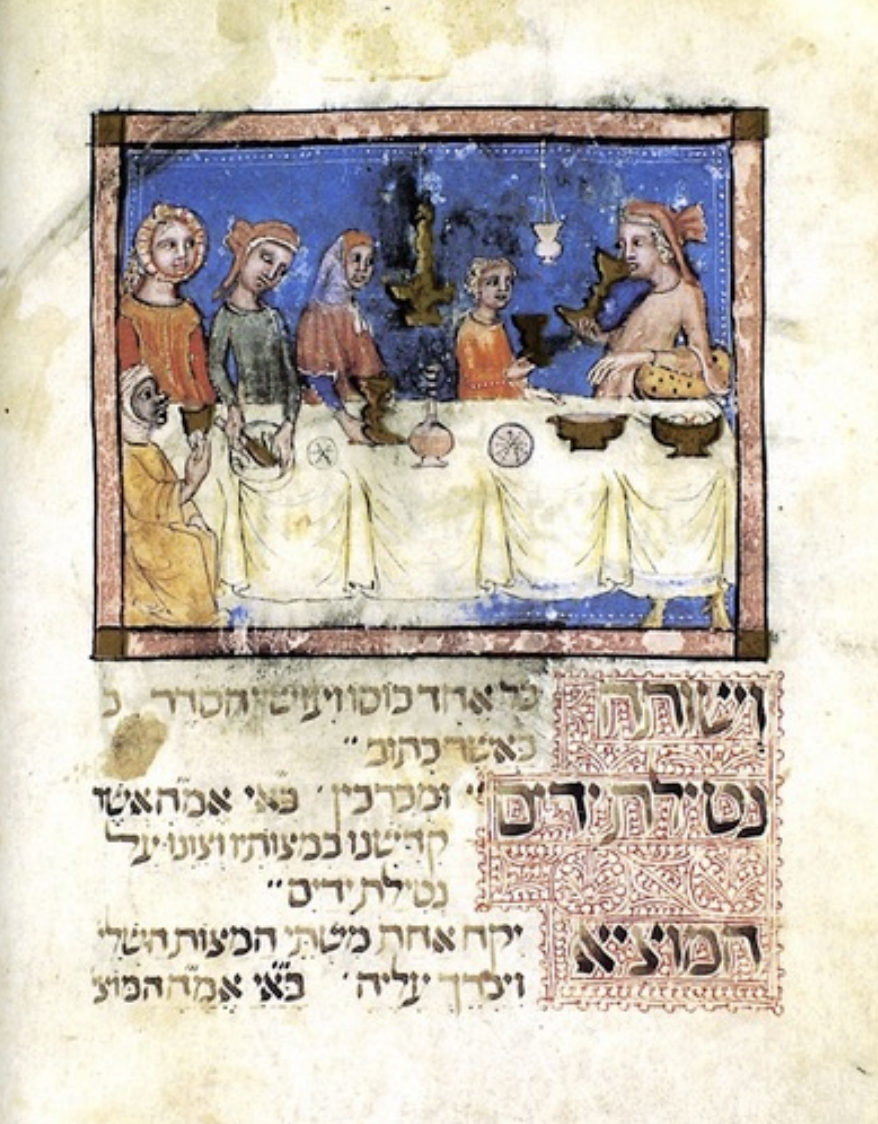
title: Illustration of a Seder Dinner.
creator:Hebrew scribes with Christian illuminators.
date: 'Sarajevo Haggadah. Ca. 1350
why:Exemplifies interfaith manuscript production, combining Hebrew liturgical texts with contemporary Gothic-style illuminated miniatures.