Microbiology Lab Quiz 1
 Call Kai
 Learn
 Practice Test
 Spaced Repetition
 Match
 Flashcards
 Knowt Play
1/39

There's no tags or description
Looks like no tags are added yet.
40 Terms
The sexual spore of the mold Rhizopus is a(n)___________
zygospore
Contaminated culture tubes should be placed in the red bag-lined biohazard pails for autoclaving before disposal.
False-Contminated culture tubes are to be placed on the racks on the cart after the label is removed so they can be autoclaved and then cleaned for reuse.
Contaminated broken glass and used microscope slides should be disposed of_______
in the container marked for glass decontamination and disposal
It is Ok to eat or drink in the microbiology lab as long as you have disinfected your workstation and washed your hands.
False
After you position the specimen over the light opening in the stage and rotate the scanning-power lens into position, what step should be completed next?
Look through the ocular lens and focus using the coarse-adjustment knob.
The size of most cells is measured in
micrometers.
A compound microscope uses two lenses at once to magnify the image of a specimen. The ___________ lens is found in the eyepiece and the ___________ lens is found in the revolving nosepiece.
ocular; objective
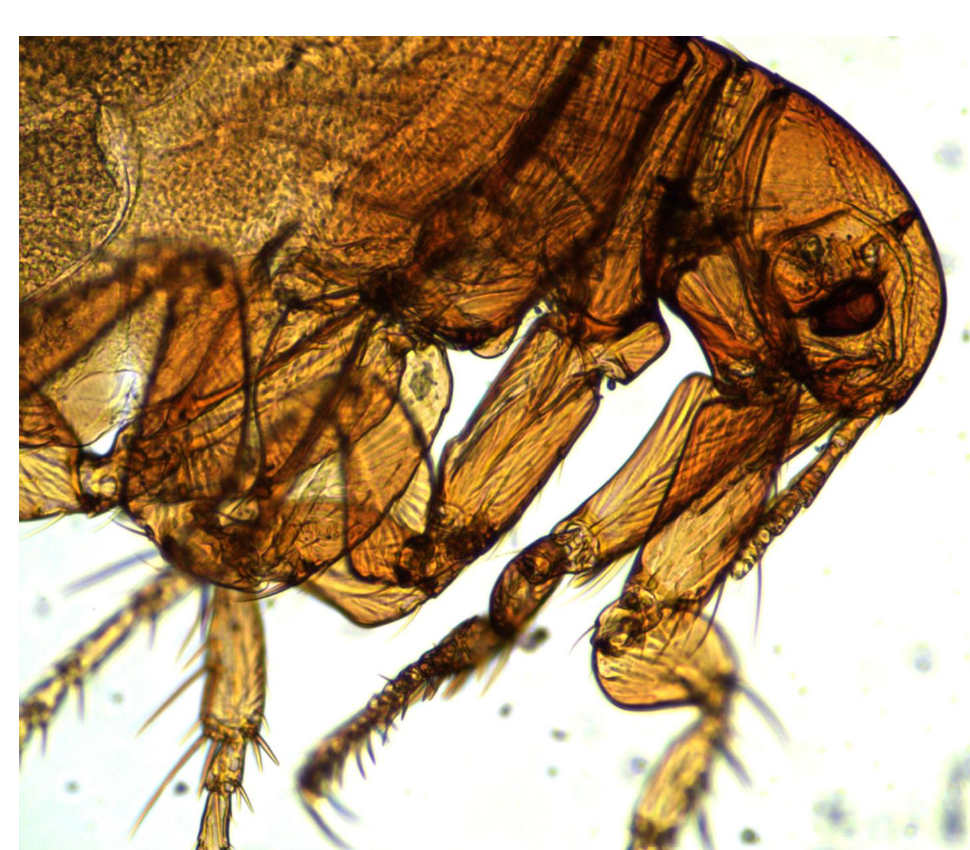
What organism is this?
Flea

What organism is this?
Tapeworm scolex

What organism is this?
Schistosoma adult worm
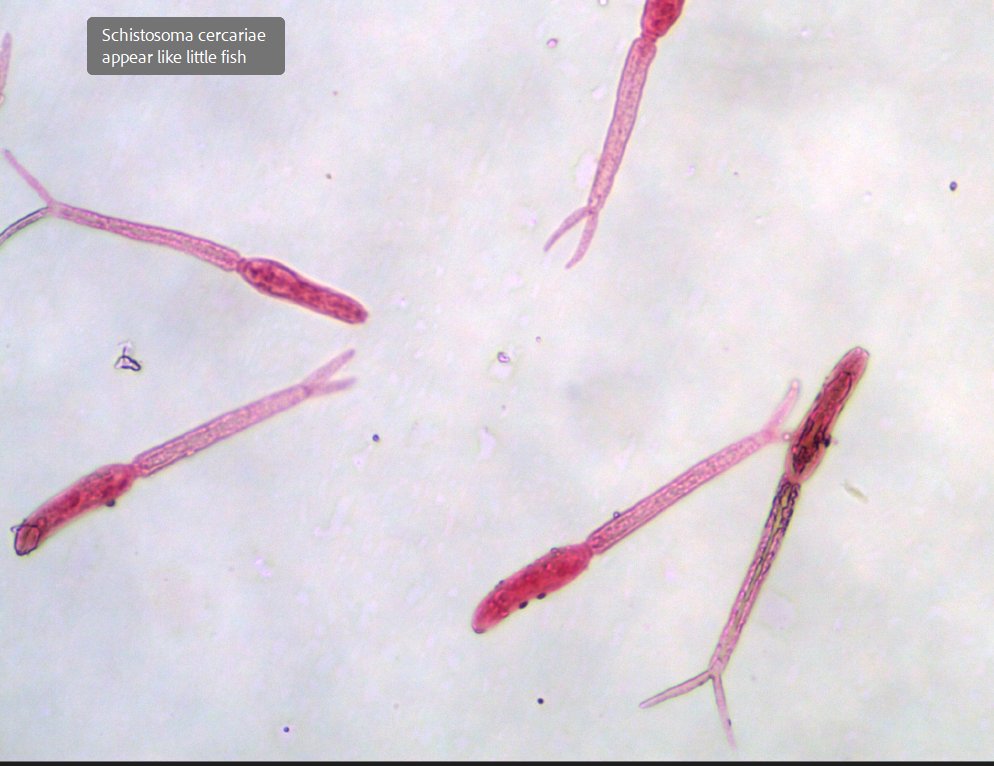
What organism is this?
Schistosoma cercariae

What organism is this?
Giardia intestinalis trophozoites
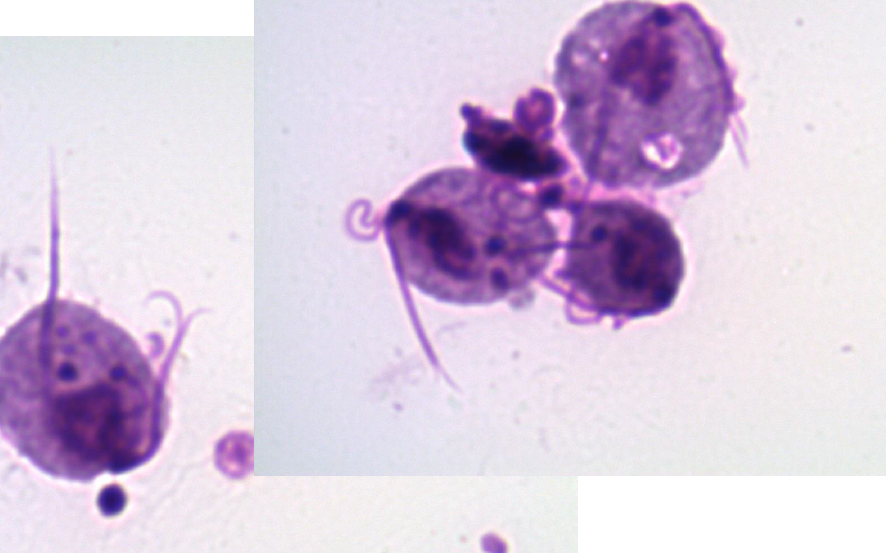
What organism is this?
Trichomonas vaginalis

What organism is this?
Trypanosoma
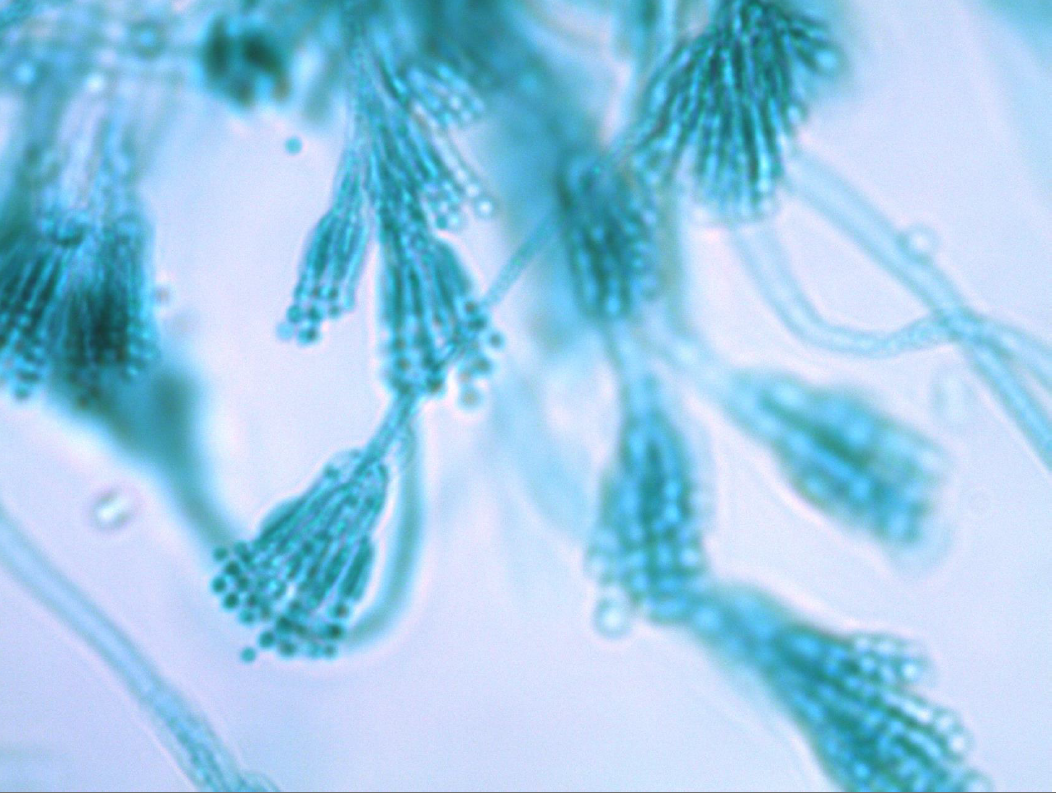
What organism is this?
Penicillium with conidia (tiny blue circles)
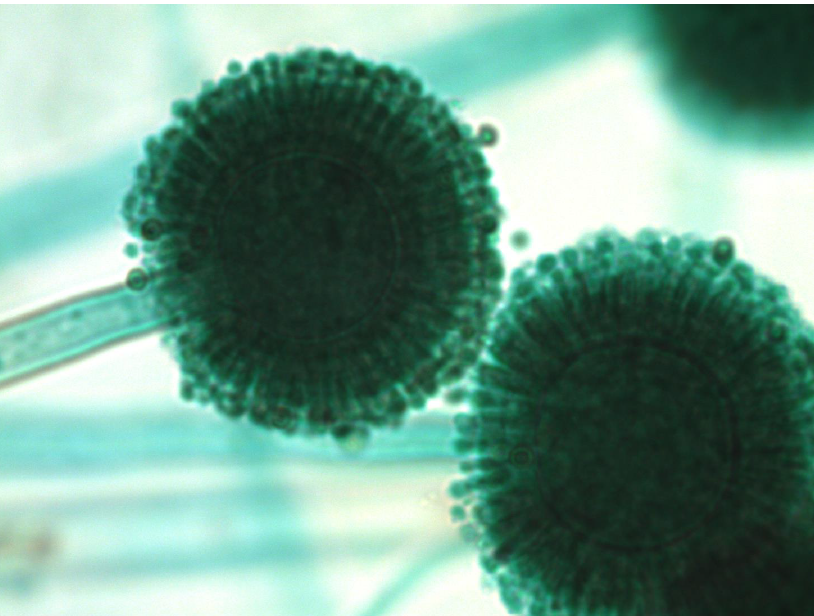
What organism is this?
Aspergillus with conidia (tiny circles)

What organism is this?
Rhizopus sporangia (asexual)

What organism is this?
Rhizopus zygospore (sexual)

What organism is this?
Peziza: Ascospores (red dots) and ascus (fingerlike structure)

What is this?
Budding Yeast: Saccharomyces

What is this?
Schizosaccharomyces (yeast) ascospores (red dots) in ascus (fingerlike structure)

What is this?
Coprinus: basidiospores on gills

What is this?
Physicia: lichen with algae (red dots)

What is this?
Blood (erythrocytes and a leukocyte)

What is this?
Balantidium coli with cilia

What is this?
Paramecium with nucleus (dark circle) and oral grove

What is this?
Close up: Amoeba With Contractile Vacuole, nucleus (dark circle), and pseudopodia (fake feet)

What is this?
Radiolarians

What is this?
Spirogyra: spiral chloroplasts

What is this?
Volvox parent colony (large circle) and daughter colony (small circles)
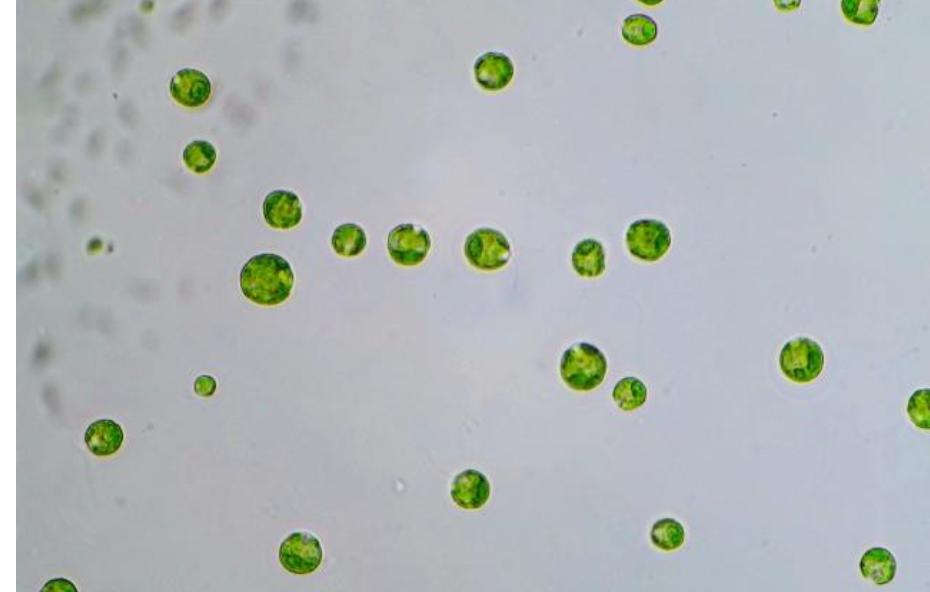
What is this?
Chlamydomonas
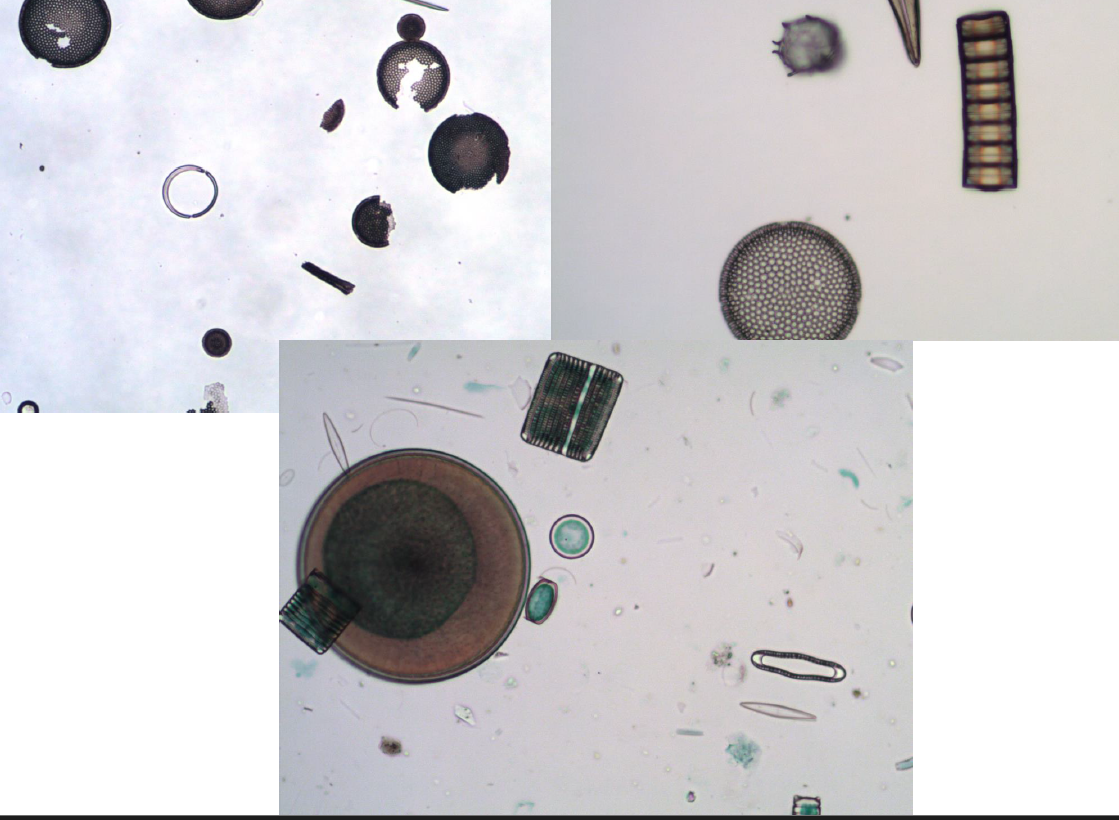
What is this?
Diatoms

What is this?
Euglena with nucleus (dark circle) and flagella (tail)

What are these three shapes?
bacillus, coccus, spirillum
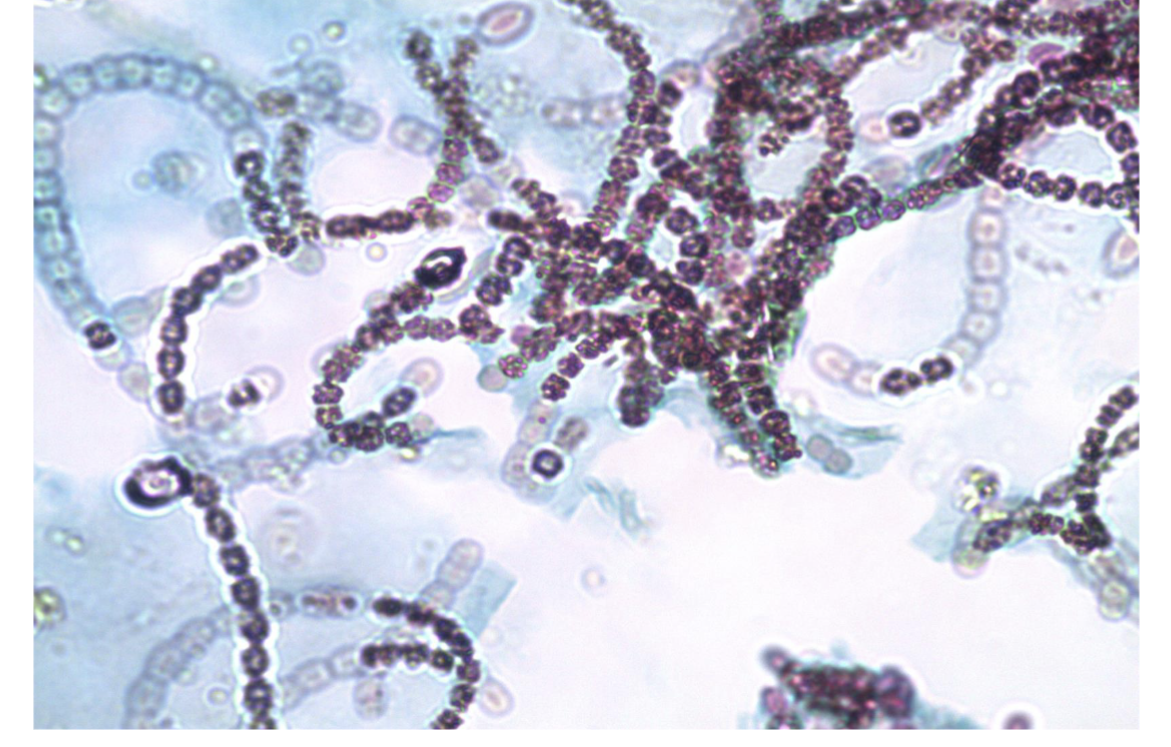
What is this?
Nostoc a type of cyanobacteria

What is this?
Oscillatoria a type of cyanobacteria

What is the flagella arrangement?
amphitrichous
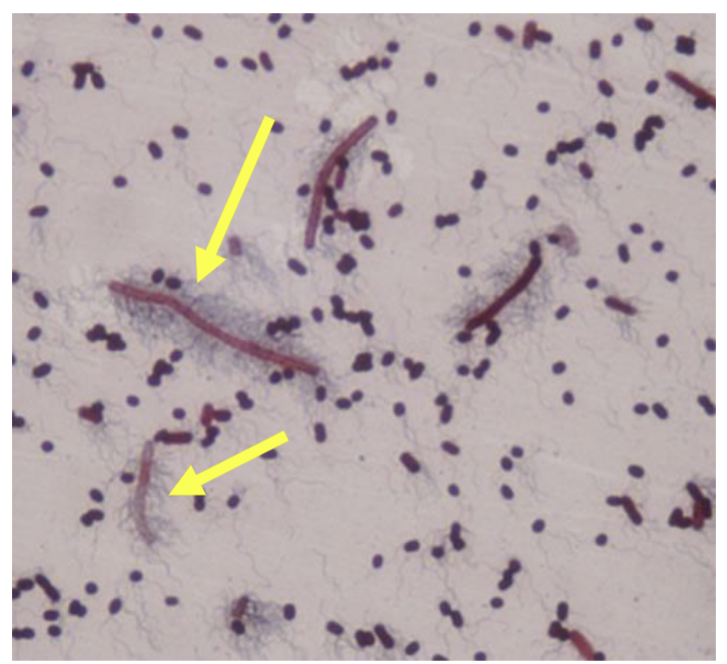
What is the flagella arrangement?
peritrichous

what are these?
Spirochetes

What can you identify in this capsule staining image?
the background, capsules which are the halos, and rod shapes